
Oxidador térmico regenerativo
Sistemas RTO Ever-power: Impulsando un aire limpio con una eficiencia de destrucción de COV del 99,5%+
Poder eterno: una fuente de confianza Fabricante de oxidadores térmicos regenerativos, ofreciendo alta eficiencia Oxidante RTO sistemas con >99.5% Eliminación de COV y hasta Eficiencia térmica del 97%. Nuestro Oxidador térmico RTO Maneja un flujo de aire de 2,4 a 240 Nm³/s, destruyendo solventes, olores y humos, incluso con 10 g/m³ de COV. Cada Sistema de oxidación térmica regenerativa Está diseñado para lograr bajos costos operativos, fácil integración y cumplimiento global.
Compuestos orgánicos volátiles (COV)
HAP (contaminantes tóxicos del aire)
Gas de olor
Gases ácidos (SO₂, HCl, HF, etc.)
Oxidador térmico regenerativo (RTO) Tecnología
Cómo funciona RTO
RTO uses a ceramic bed heated from the previous oxidation cycle to preheat the input gases to partially oxidize them. The preheated gas enters the combustion chamber, which is heated by an external fuel source to reach the target oxidation temperature between 760°C (1,400 °F) y 820°C (1,510 °F). For applications requiring maximum damage, the final temperature may be as high as 1,100 °C (2,010 °F).
Versatile & Highly Efficient
RTO is versatile and highly efficient – up to 95% thermal efficiency. They are often used to reduce solvents, fumes, odors, etc. from all walks of life. RTO regenerative thermal oxidizers are ideal for low to high VOC concentration ranges up to 10 g/m³ solvents.
Superior Destruction Efficiency
There are many types of regenerative thermal oxidizers on the market today that have a volatile organic compound (VOC) oxidation or destruction efficiency of 99.5+%. The ceramic heat exchanger in the tower can be designed for thermal efficiency of up to 97+%.
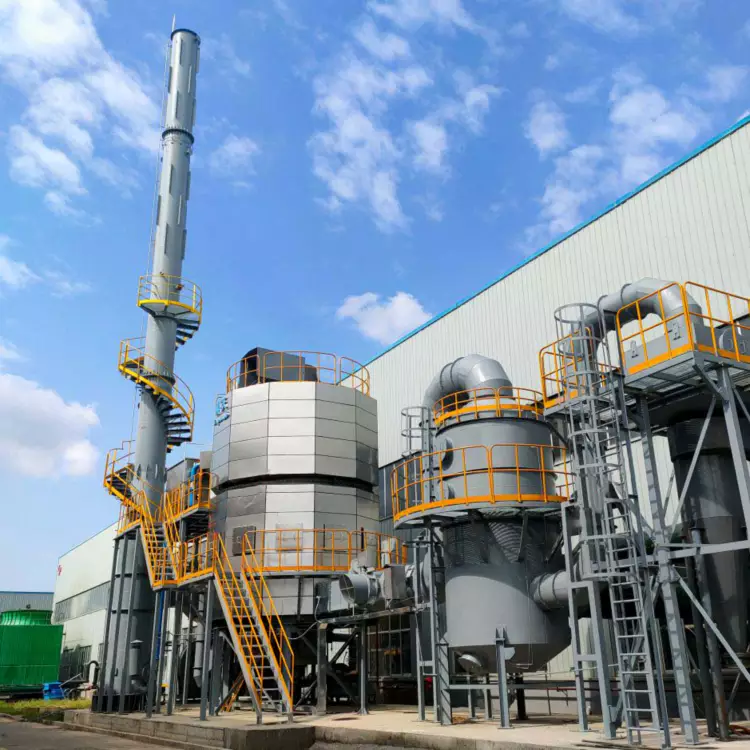
4 Core Ever-Power RTO Advantages
Hover over each card to discover what sets our regenerative thermal oxidizers apart from the competition.
Top Quality
& Stability
Hover to flip ↻Top Quality & Stability
Top-tier purchased parts from globally certified suppliers. Fluoro silicone sealing ensures leak-free operation and extended service life under extreme thermal cycling.
Ahorro de energía
& Insulation
Hover to flip ↻Energy Saving & Insulation
Vacuum shell insulation reduces convection heat loss. Combined with optimized ceramic media, energy savings increase by 3% vs conventional designs, lowering operating costs year after year.
Smart Safety
& AI Control
Hover to flip ↻Smart Safety & AI Control
Top-tier safety components with intelligent control featuring AI learning judgment and failure prediction. Proactively detects anomalies before escalation, ensuring 24/7 safe operation.
Cloud Monitoring
& IoT
Hover to flip ↻Cloud Monitoring & IoT
Mobile APP real-time cloud monitoring from anywhere. Access performance dashboards, receive alerts, and export reports seamlessly via web or mobile with friendly data interaction.
¿Qué es un oxidador térmico regenerativo?
Un óxido térmico regenerativo (RTO) es un dispositivo de combustión que controla los compuestos orgánicos volátiles (COV), los contaminantes atmosféricos peligrosos (HAP) y los olores convirtiendo las emisiones en emisiones (destructivas) y utilizando el calor para convertir las emisiones en CO2 y H2O y liberarlas después a la atmósfera. La RTO puede alcanzar una eficiencia térmica de hasta 97% y una eficiencia de destrucción de más de 99%.
RTO oxidant is considered one of the most advanced thermal oxidation systems in the world. Compared to other thermal oxidizers, regenerative thermal oxidizers (RTOS) have a thermal efficiency of up to 97%, and destruction efficiency may exceed 99%, which will give you the highest removal rate at the lowest life cycle cost. -- Matched with industry-leading structures and design features, all deliver superior performance, significantly lower operating costs, and industry-leading reliability.
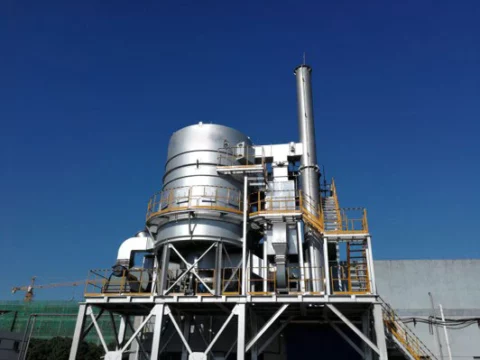
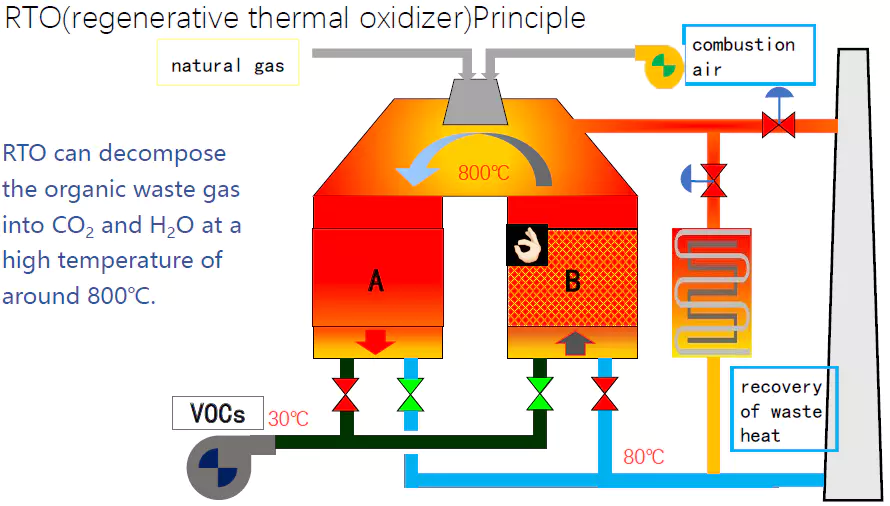
How Does a Regenerative Thermal Oxidizer ¿Trabajar?
Pushing air filled with pollutants through the peroxide, usually with a system fan.
A valve directs airflow into one of two heat exchangers (ceramic dielectric bed).
Dirty air absorbs heat from the hot ceramic medium and enters the combustion chamber.
At >1500°F for >5 seconds, VOCs and HAP oxidize into CO₂ and H₂O.
Hot clean air enters the second ceramic bed to absorb heat for reuse.
Cooled clean air is discharged into the atmosphere.
The valve changes direction every few minutes, reversing the flow so heat transfer alternates between the two ceramic media beds. This is why RTO (regenerative thermal oxidizers) have high fuel efficiency and low operating costs, making them an ideal VOC reduction system.
Regenerative Thermal Oxidizer Types
Three generations of RTO technology, each engineered for specific operational demands. From foundational 2-Chamber designs to our flagship Rotary RTO system.
2-Chamber RTO
Cost-Effective Classic Design
- Lowest initial investment and simple structure
- Easy maintenance with fewer components
- Lower purification efficiency (puff emission)
- Periodic emission spikes during valve switching
- Higher fuel consumption at low VOC loads
Mejor para
Small to medium VOC loads, budget-restricted projects, industries with moderate emission standards, small coating lines, printing shops, chemical batch processes.
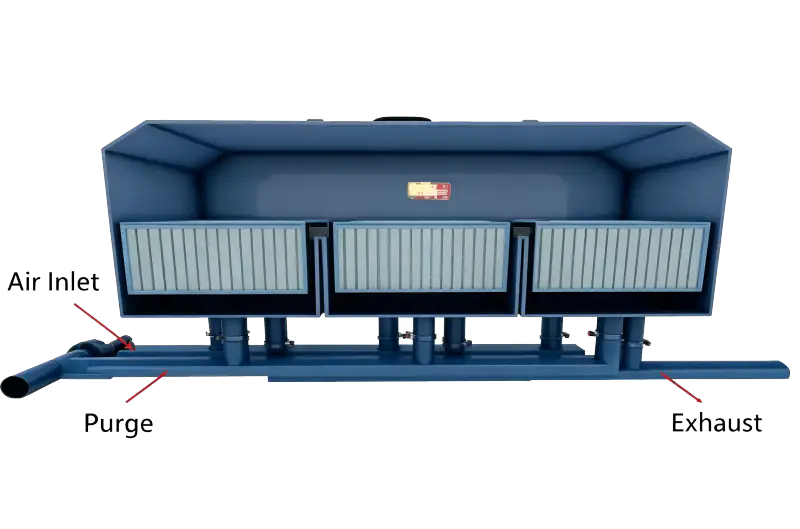
3-Chamber RTO
Balanced Performance Upgrade
- Higher purification efficiency (99%+)
- Purge chamber eliminates emission spikes
- Stable operation across varying VOC loads
- Larger footprint (~30% vs 2-bed)
- Higher capital and maintenance costs
Mejor para
Medium to large VOC loads, industries with strict emission limits, automotive painting, pharmaceutical manufacturing, petrochemical processing.
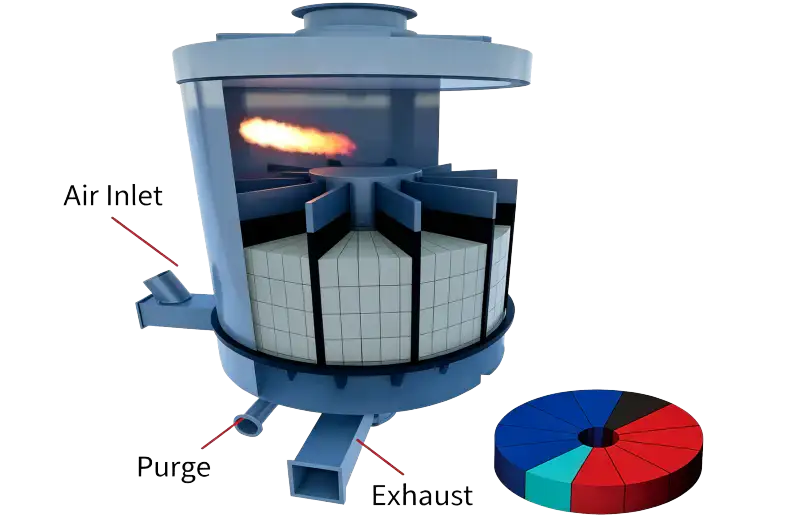
Rotary RTO
Premium Efficiency & Continuous Operation
- Highest purification (99.5%) and thermal efficiency (97%)
- Compact design saves 35% floor space
- Continuous operation with no emission spikes
- Higher initial investment
- Rotary disk requires precision maintenance
Mejor para
Large-scale continuous operations, space-constrained facilities, and industries with the strictest regulations: semiconductor, lithium battery, food & beverage, large coating plants.
RTO Selection Recommendation
3-Bed RTO (3 Chambers)
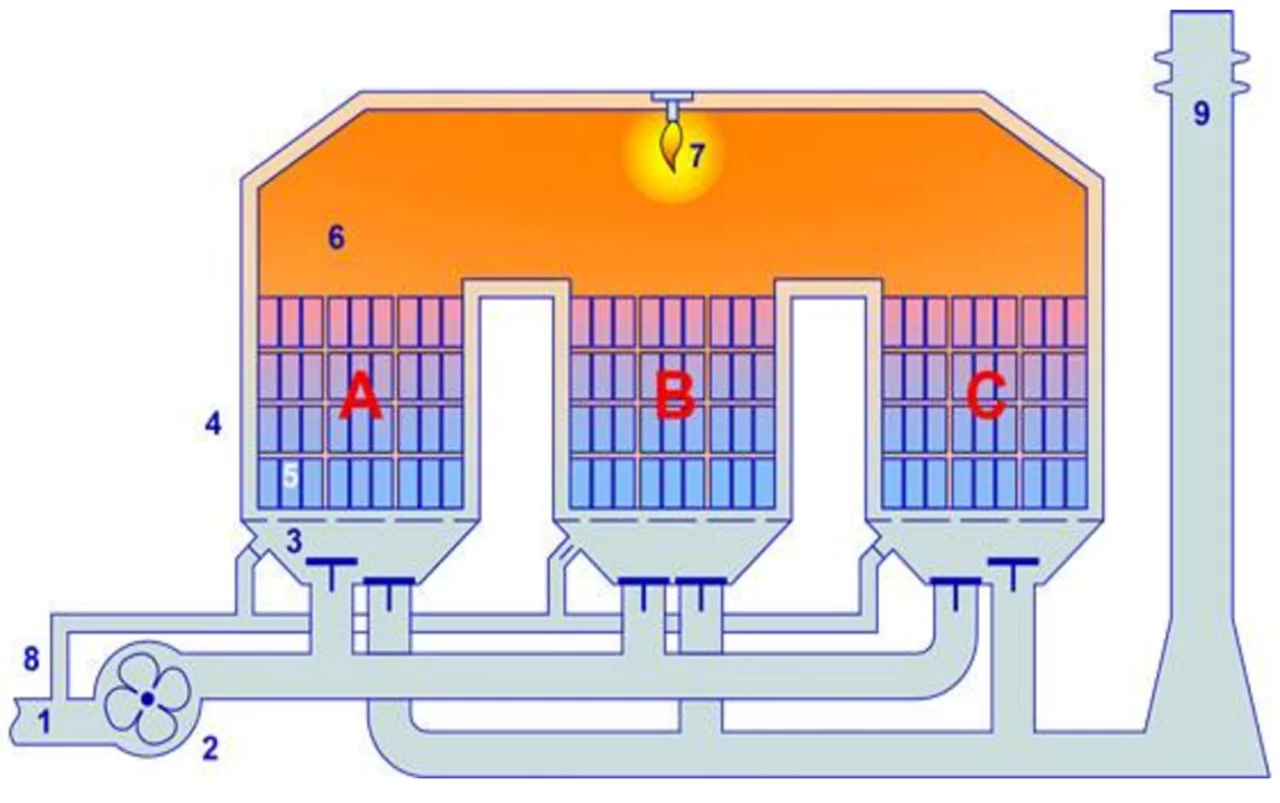
3-bed RTO has high exhaust gas temperature, high energy consumption, and high operating costs. The switching valve operates 520,000 times per year, resulting in a short service life.
Rotary RTO (12 Chambers)
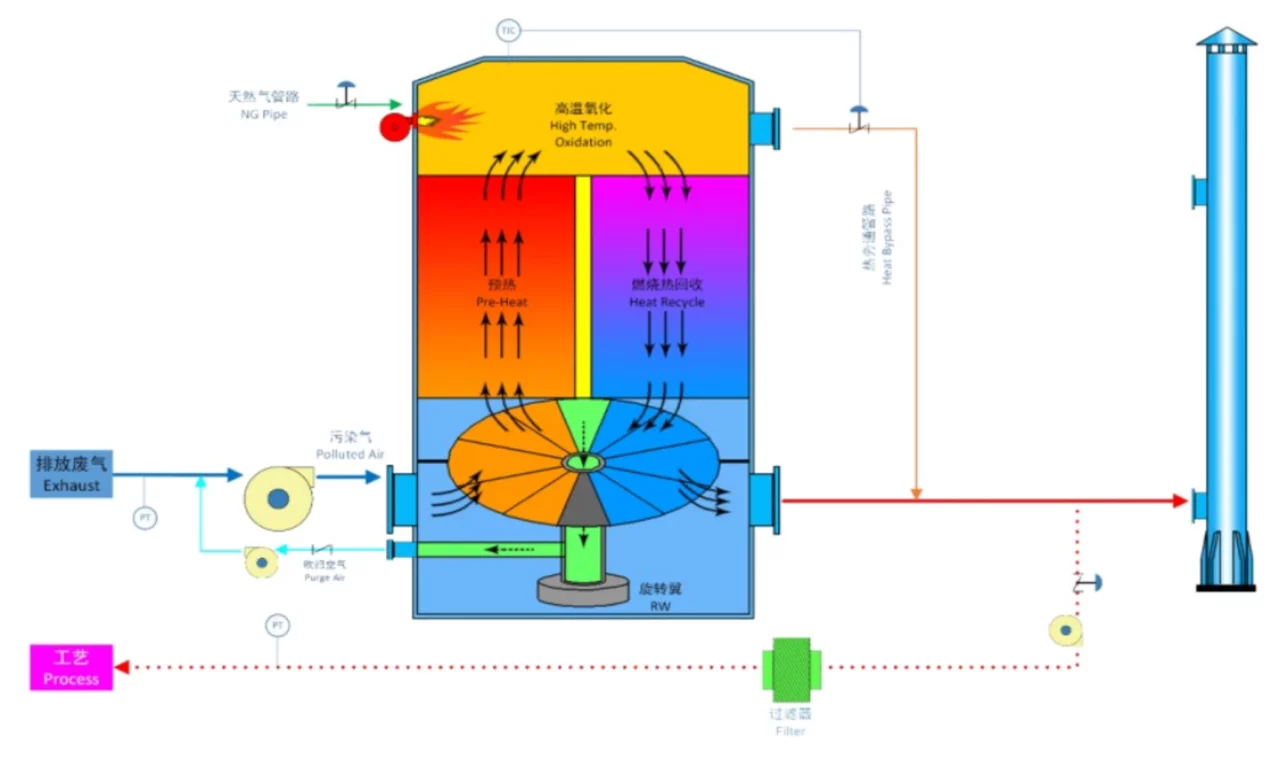
Rotary RTO exhaust gas temperature is below 80°C, with low energy consumption, low operating costs, continuous rotary valve operation without switching, and long service life.
Rotary RTO is the preferred choice for modern industrial applications, offering superior thermal efficiency, lower operating costs, and extended equipment lifespan compared to traditional 3-bed systems.
Solving the Problem of Ultra-High Heat Storage Rate
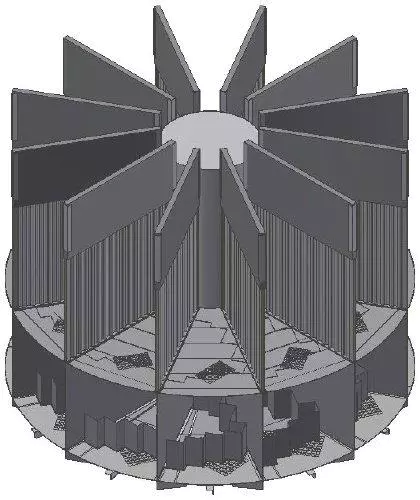
Rotary RTO furnace cross-section structure and advanced ceramic heat storage media solutions

Ceramic Heat Storage Media Materials
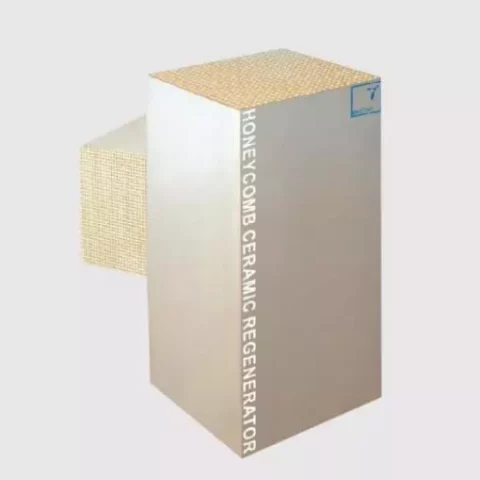
Cordierite Porous
Cordierite porous honeycomb ceramic

Alumina Porcelain
Alumina porcelain dense honeycomb
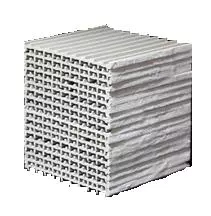
Mullite Ceramics
Mullite ceramics honeycomb

Saponite Ceramics
Saponite ceramics
Physical & Chemical Performance Comparison
| Property | IF Cordierite Porous | NT Alumina Porcelain | HT Mullite Ceramics | MK20 Saponite Ceramics |
|---|---|---|---|---|
| Composition (%) | ||||
| Al₂O₃ | 36 | 45 - 55 | 62 - 72 | 28 - 38 |
| SiO₂ | 50 | 37 - 47 | 24 - 34 | 45 - 55 |
| Others | — | — | — | total < 15 |
| Fe₂O₃ | 0.5 | 0 - 1 | 0 - 1 | — |
| TiO₂ | 1.0 | 0 - 1 | 0 - 1 | — |
| CaO | 0.5 | 0 - 1 | 0 - 1 | — |
| MgO | 14 | 0 - 1 | 0 - 1 | — |
| Na₂O | 0.5 | 0 - 4 | 0 - 2 | — |
| K₂O | 0.5 | 0 - 4 | 0 - 2 | — |
| Physical Properties | ||||
| Open Porosity | 35% | 0.00% | 20% | 11% |
| Solid Density (g/cm³) | 1.7 | 2.7 | 2.35 | 2.10 |
| C.T.E. (20-1000°C) (x10⁻⁶) | 0.7 | 6.5 | 6.5 | 2.2 |
| Specific Heat (100°C) (J/kgK) | 750 - 800 | 877 | 927 | 810 |
| Thermal Shock Resistance (°C) | 500 | 200 | 190 | 350 |
| Thermal Conductivity (W/mK) | 1.25 - 1.50 | 2.1 | 2.2 | 1.9 |
| Start of Softening (°C) | 1300 | 1200 | 1540 | 1300 |
Chemical Resistance Guidelines
- Materials are resistant to acids, alkali gases, vapors and slags.
- If the flue gas contains silica, cordierite (IF) is the better choice.
- If the flue gas contains acid, NT y HT perform well.
- If the flue gas contains alkaline, HT is recommended.
- Cordierite melts more easily, which can cause plugged cells.
- Cracking resistance: cordierite (IF) y MK20 show good performance.
RTO Simulation Analysis
CFD simulation results showing temperature and pressure distribution across the RTO system during operation
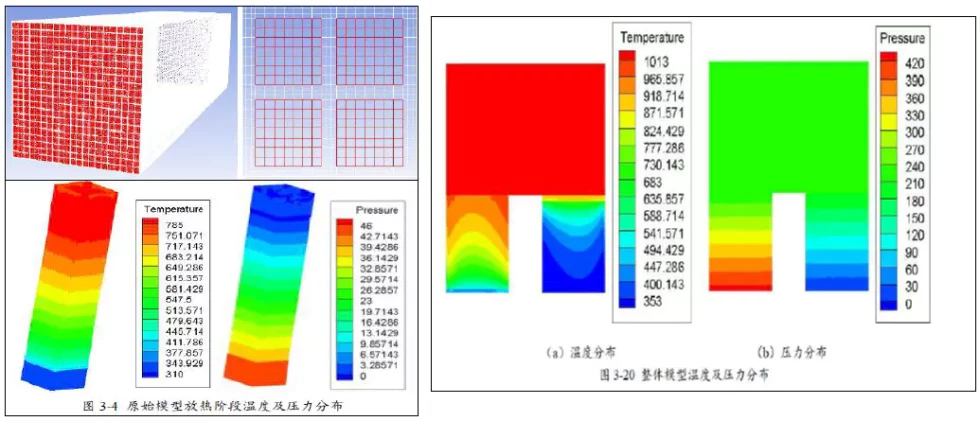
Heat Release Phase: Temperature & Pressure Distribution
CFD simulation of the original RTO model during the heat release phase, displaying the overall temperature field and pressure distribution patterns across the combustion chamber and ceramic media beds.
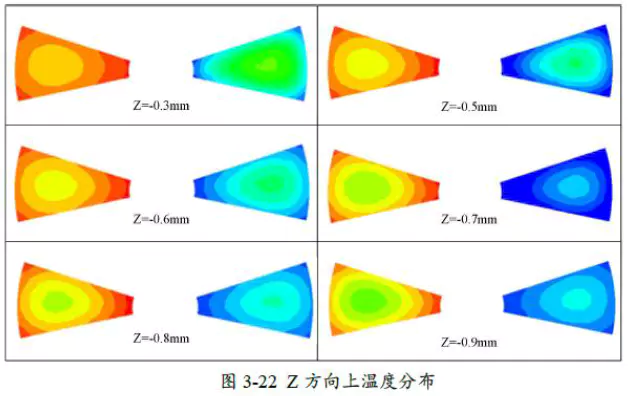
Z-Direction Temperature Distribution
Cross-sectional temperature distribution along the Z-axis direction, illustrating the vertical thermal gradient and heat transfer efficiency through the ceramic honeycomb structure.
Simulation Insights: The CFD analysis demonstrates uniform temperature distribution and optimized pressure profiles within the rotary RTO system. The Z-direction thermal gradient confirms efficient heat recovery across the ceramic media layers, validating the ultra-high heat storage rate design.
Insulation Cotton Instalación & Thermal Imaging
Professional installation process and thermal performance verification of high-temperature insulation materials

Key Installation Features
Multi-layer insulation design ensures maximum thermal retention and minimizes heat loss through the RTO chamber walls.
High-temperature resistant ceramic fiber insulation cotton withstands continuous operation at extreme temperatures above 1,000°C.
Precision installation with uniform thickness distribution guarantees consistent thermal performance across all surfaces.
Thermal imaging verification after installation confirms optimal heat containment and identifies any potential thermal bridges.
Thermal imaging analysis reveals uniform heat distribution with no abnormal hot spots, confirming excellent insulation integrity.
Quality assurance through infrared thermography ensures the insulation system meets all thermal performance specifications.
Vacuum Insulation Shell Technology
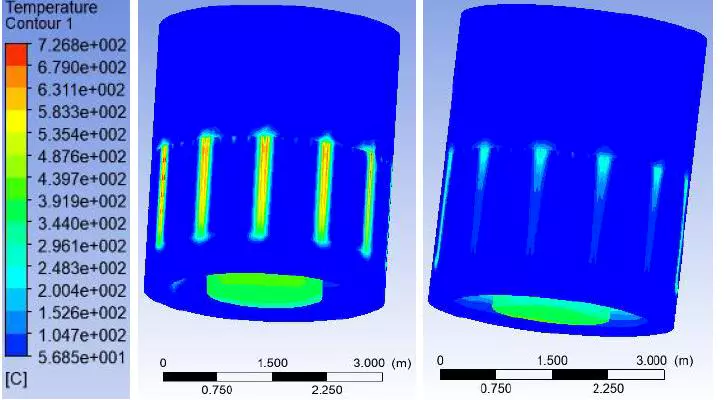
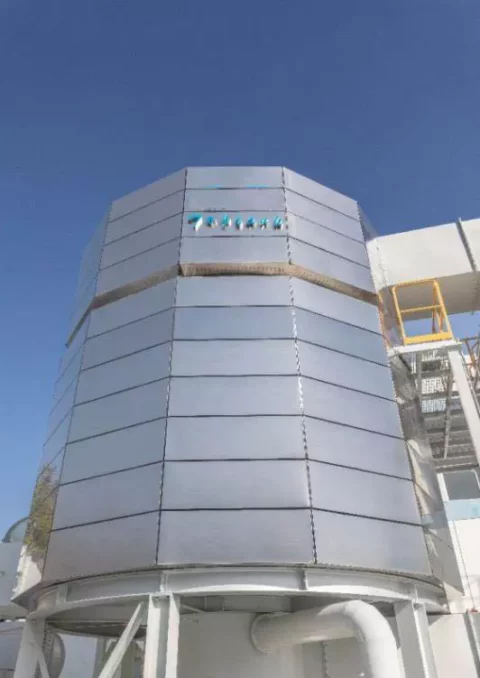
The "Toptank" RTO body features a vacuum-insulated shell design that dramatically reduces convective heat loss, delivering superior thermal efficiency and energy savings compared to conventional systems.
Thermal Performance Analysis
ANSYS-simulated heat loss comparison between conventional RTO and Toptank vacuum-insulated RTO under identical operating conditions.
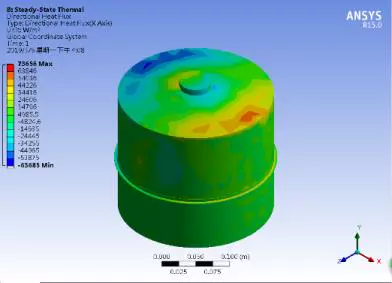
Heat loss simulation of standard RTO exterior windward surface temperature field
Heat Loss: 1.4×10⁴ W/m²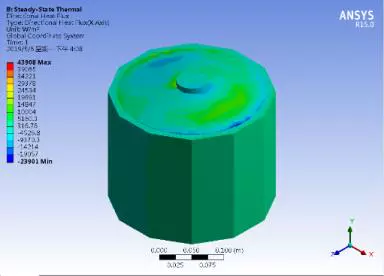
Vacuum-insulated shell significantly reduces surface thermal radiation
Heat Loss: 0.5×10⁴ W/m²? Thermal Efficiency Improvement
The Toptank vacuum insulation shell reduces convective heat loss by approximately 64% compared to conventional RTO designs, translating directly into lower fuel consumption and operating costs.
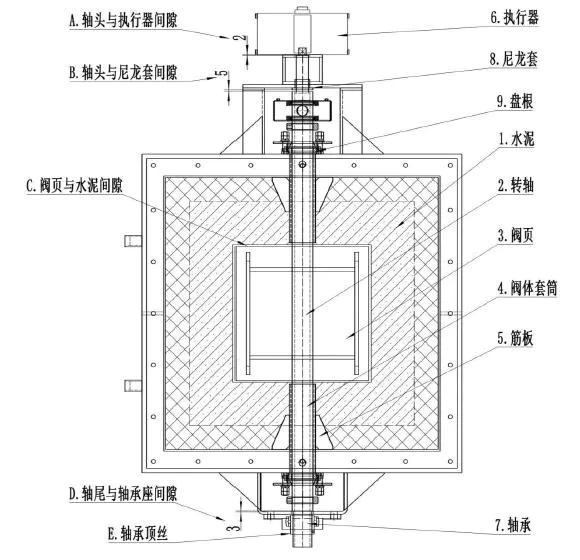
RTO Rotary Distribution Valve — Core Structure Explained
Complete technical breakdown of the rotary valve assembly, optimization structures, and performance validation
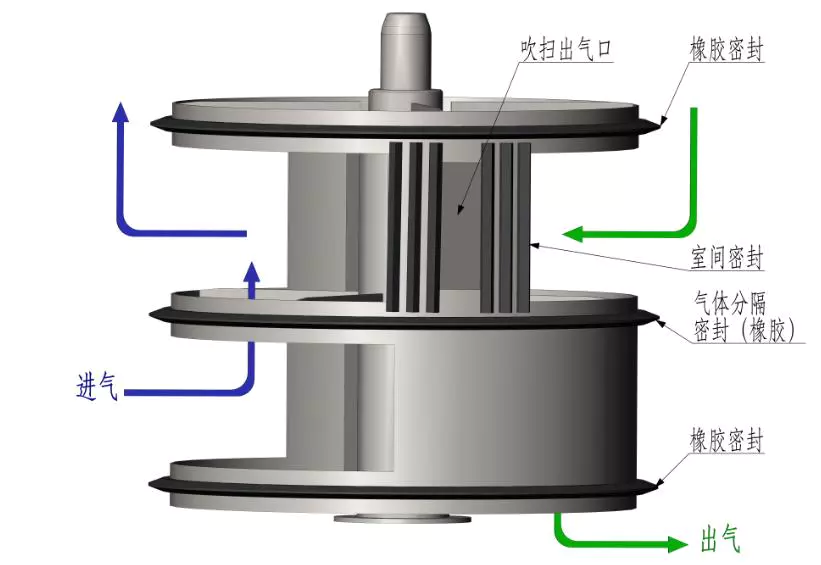
Overall Structure
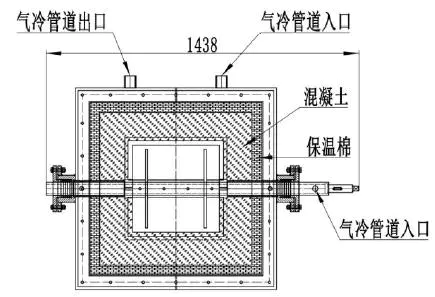
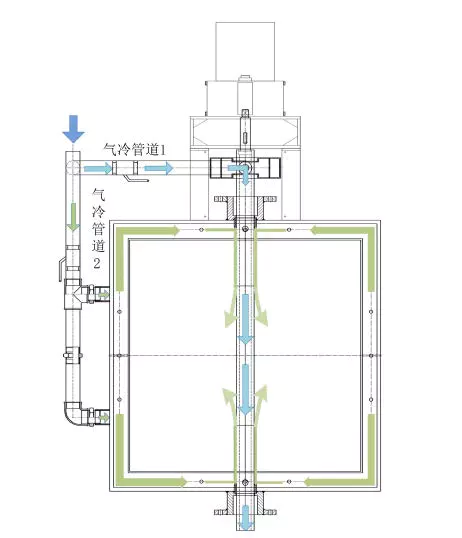
The rotary distribution valve consists of six major components: valve body, central rotating shaft, partitioned valve disc, drive actuator mechanism, multi-layer sealing assembly, and cooling system. The motor drives the valve core to rotate, periodically switching the intake, exhaust, and purge chambers to achieve the RTO regenerative heat exchange cycle.
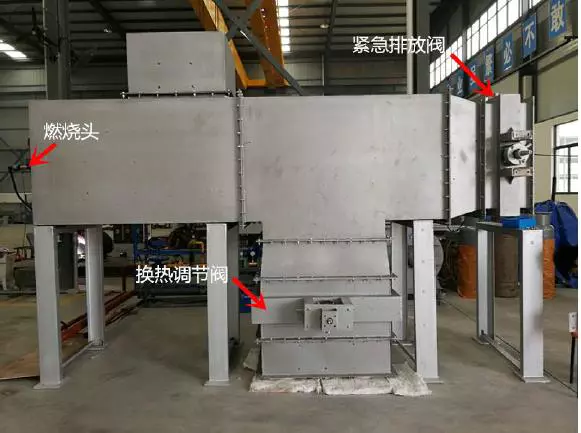
Three Key Optimization Structures
The rotary valve incorporates three critical design innovations that significantly extend service life and improve operational stability under extreme thermal cycling conditions.
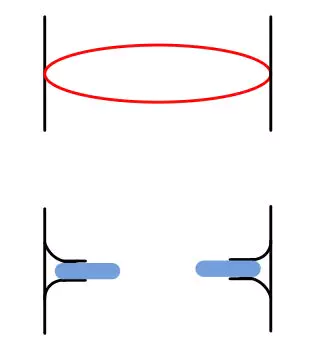
Precision Clearance Structure
Shaft sleeves, valve plates, and bearings are designed with graded assembly clearances to offset metal thermal expansion at high temperatures, preventing shaft seizure and valve plate jamming.
Forced Air Cooling System
The valve body features a circumferential air-cooling flow channel. Ambient air circulates to cool the rotating shaft and sealing positions, isolating high-temperature chamber heat transfer, protecting bearings and seals, and delaying seal aging failure.
Multi-Stage Lip Seal System
Abandoning traditional flat hard seals, the design adopts elastic lip seals with end-face sealing and inter-chamber partition sealing. It self-adapts to micro-deformation of the shaft, isolating intake / exhaust / purge chamber gases, reducing exhaust gas leakage and heat loss.
Design Validation
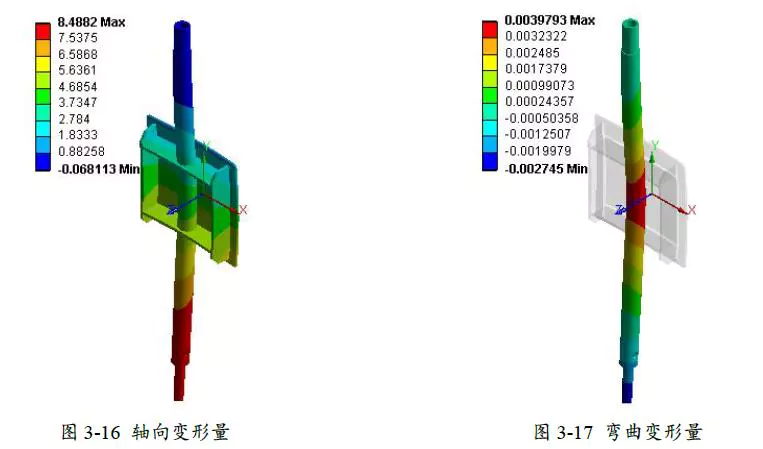
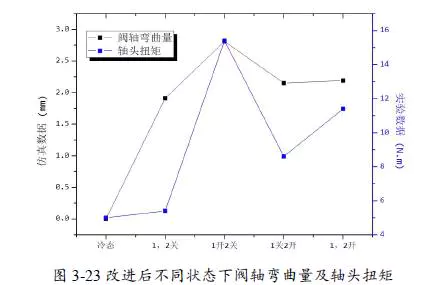
Through mechanical simulation, multi-condition torque & deformation testing: after optimization, the valve shaft bending deformation is minimal, driving torque is stable, overall air leakage is low, operation is stable, and service life is superior to traditional valves.
Core Function
Precisely distributes airflow to ensure stable RTO regenerative heat storage and release, improves exhaust gas purification efficiency, reduces equipment energy consumption and failure rates. It is the core and critical component of the rotary RTO system.
Waste Heat Recovery Systems
Ever-Power RTO systems recover up to 97% of thermal energy from exhaust gases, converting waste heat into valuable resources through four proven recovery methods — reducing your operating costs while maximizing environmental benefits.
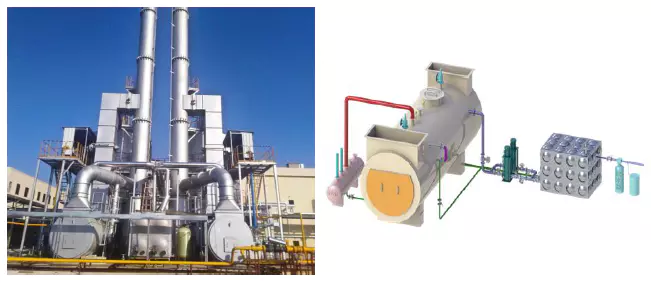
Waste Heat Recovery Through Steam
High-temperature exhaust gases pass through a waste heat boiler to generate saturated or superheated steam. Ideal for facilities with existing steam networks, process heating, or power generation via steam turbines.
- ✓ Steam pressure adjustable: 0.3–2.5 MPa
- ✓ Direct integration with plant steam system
- ✓ Suitable for chemical & pharmaceutical industries
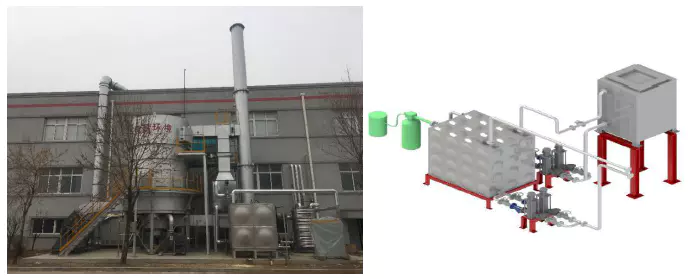
Waste Heat Recovery Through Hot Water
Exhaust heat is transferred to a closed-loop hot water system via shell-and-tube or plate heat exchangers. The recovered hot water serves space heating, domestic hot water, preheating processes, or absorption chillers.
- ✓ Water temperature: 60–95°C adjustable
- ✓ Low-pressure operation, high safety
- ✓ Ideal for HVAC and food processing
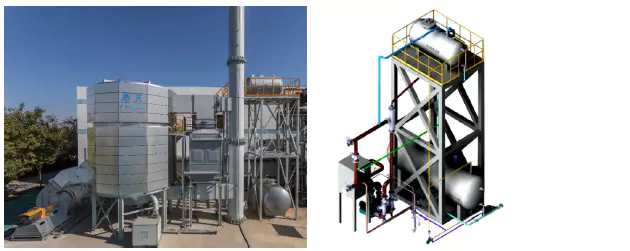
Waste Heat Recovery Through Thermal Oil
Thermal conduction oil (heat transfer fluid) absorbs high-grade waste heat at temperatures up to 300°C. The heated oil circulates to remote process equipment, providing precise temperature control for drying, curing, and chemical reactions.
- ✓ Oil temperature: 150–300°C range
- ✓ Closed-loop circulation, no contamination
- ✓ Perfect for coating, textile, and composite curing
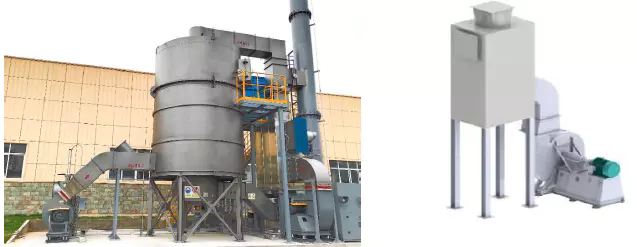
Waste Heat Recovery Through Hot Air
Clean hot air is extracted directly from the RTO exhaust stream via air-to-air heat exchangers. This recovered hot air can be ducted back to drying ovens, baking chambers, or combustion air preheaters — closing the thermal loop.
- ✓ Air temperature: 80–250°C range
- ✓ Direct recirculation, minimal heat loss
- ✓ Excellent for automotive painting and printing
Smart RTO Cloud Service System
Real-time remote monitoring, predictive maintenance alerts, and intelligent data analytics — all accessible from your desktop or mobile device, anywhere in the world.
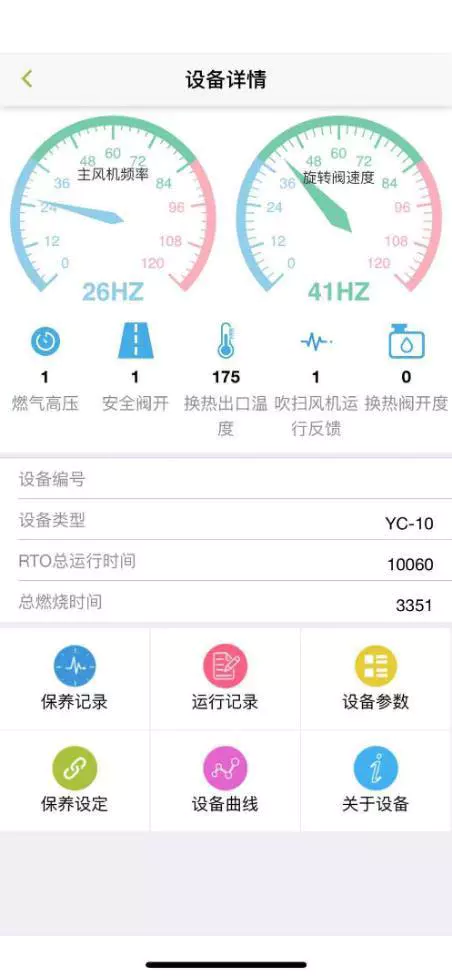
? Mobile App Features
- Real-time parameter monitoring
- Instant fault alerts & push notifications
- Historical data trends & reports
- Remote parameter adjustment
- Multi-level access control
?️ VOCs Treatment System Overview
System Online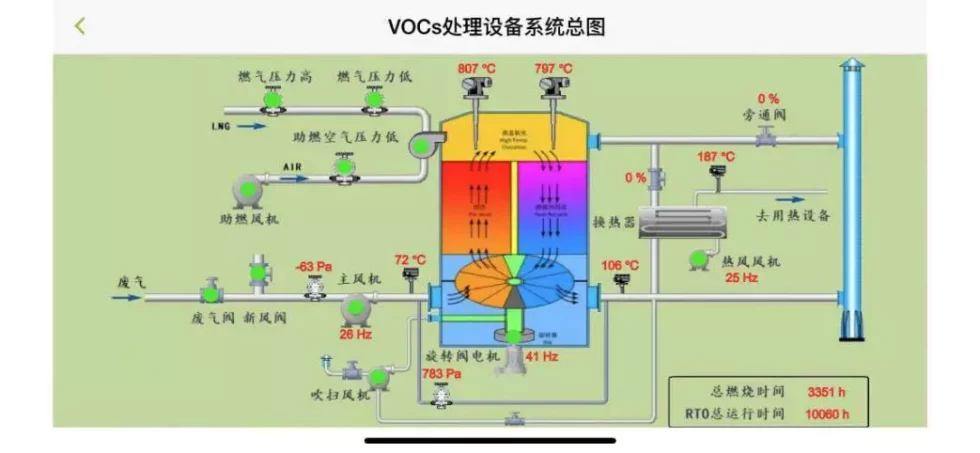
?️ Real-Time Outlet Temperature Curve
Last 24 Hours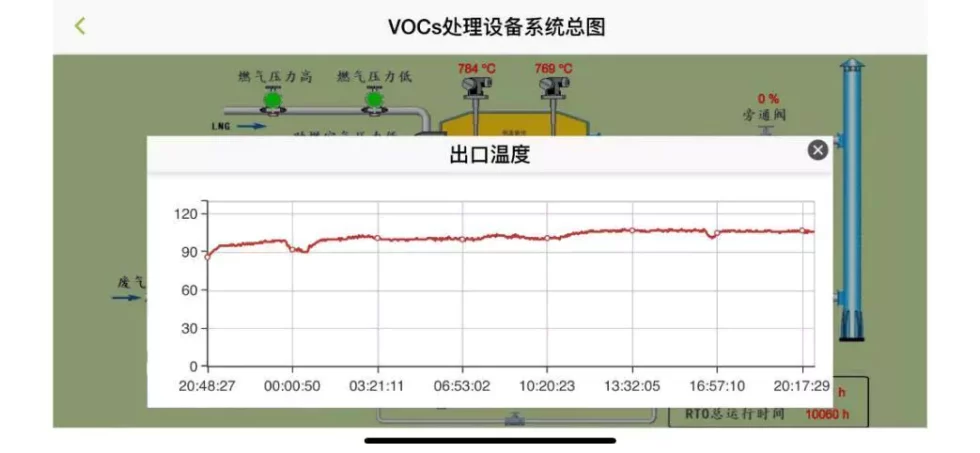
Cloud Data Storage
All operational data securely stored in the cloud with automatic backup and unlimited historical access.
AI Predictive Maintenance
Machine learning algorithms analyze patterns to predict failures before they occur, minimizing downtime.
Multi-Device Access
Monitor and control your RTO from PC, tablet, or smartphone with responsive web and native apps.
Auto Reporting
Generate compliance reports, emission logs, and efficiency summaries automatically on schedule.
RTO Project Signing Descripción general
General situation of regenerative thermal oxidizer project signing (as of 2025)
Industria Distribution
Packaging & Printing
Including cigarette packs
Recubrimiento de película
Including PVC resin
Industrial Coating
Including mirror industry
Industria química
Various chemical processes
Asphalt Smoke
Road & construction
Other Industries
Diverse applications
Equipment Running Hours
8,000 hours
3,000 hours
online monitoring and operation
Returning Customer Data
RTO Application Cases
Ever-Power has delivered customized VOC treatment solutions across diverse industrial scenarios. Explore our proven case studies spanning whole-plant integration, high/low concentration streams, complex chemical waste, and specialized applications.
Whole Plant Solution
Integrated multi-unit RTO system for large-scale industrial facilities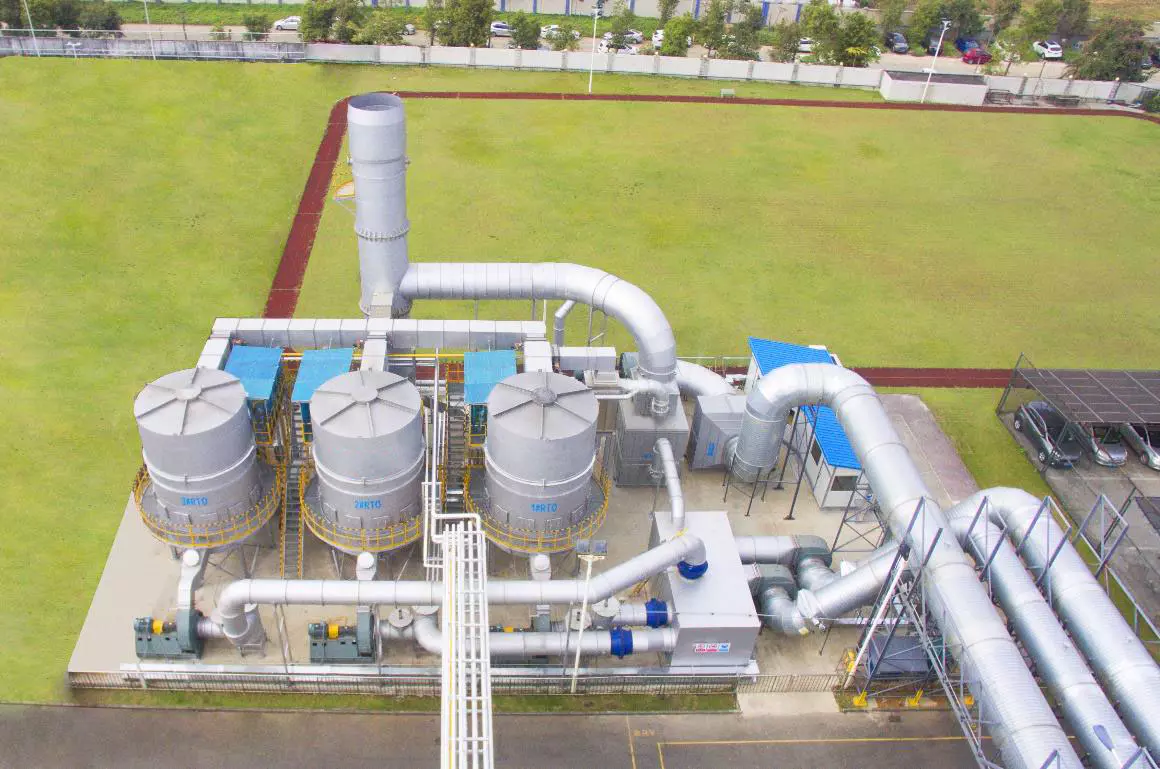
Equipment Configuration
- 3× 40,000 Nm³/h RTO units
- 100,000 Nm³/h Zeolite concentrator rotor
- 3× 6 t/h — 2.0 MPa steam boiler (waste heat recovery)
Solution Highlights
- Centralized treatment for entire plant emissions
- Zeolite rotor pre-concentration reduces RTO sizing
- Steam generation from waste heat offsets plant energy costs
- Modular design allows phased capacity expansion
Solución de gases residuales de alta concentración
Engineered for VOC streams exceeding 5,000 mg/m³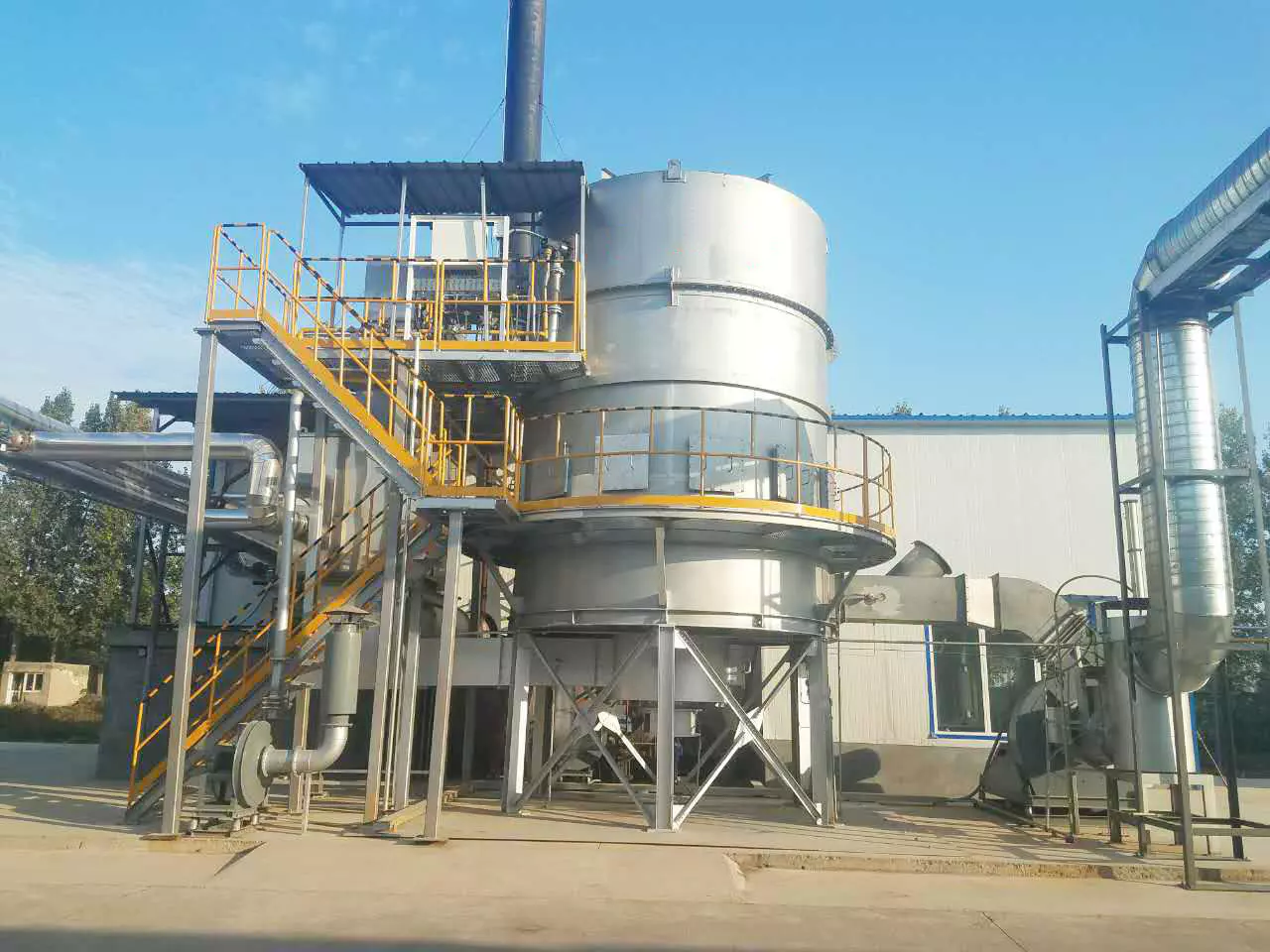
Equipment Configuration
- 30,000 Nm³/h RTO unit
- 6 t/h heat-conducting oil boiler (waste heat recovery)
| Project Parameter | Índice |
|---|---|
| Inlet Concentration | 8,600 mg/m³ |
| Gas Volume | 30,000 Nm³/h |
| VOC Composition | Ethyl ester, Toluene |
| Purification Efficiency | 99.62% |
| Emission Limit | 28.8 mg/m³ |
Características principales
- High-concentration bypass valve for safety control
- Heat-conducting oil recovery at 150–300°C
- LEL monitoring with automatic dilution air injection
- 99.5%+ destruction efficiency maintained
Solución de baja concentración
Zeolite rotor concentration + RTO for dilute VOC streams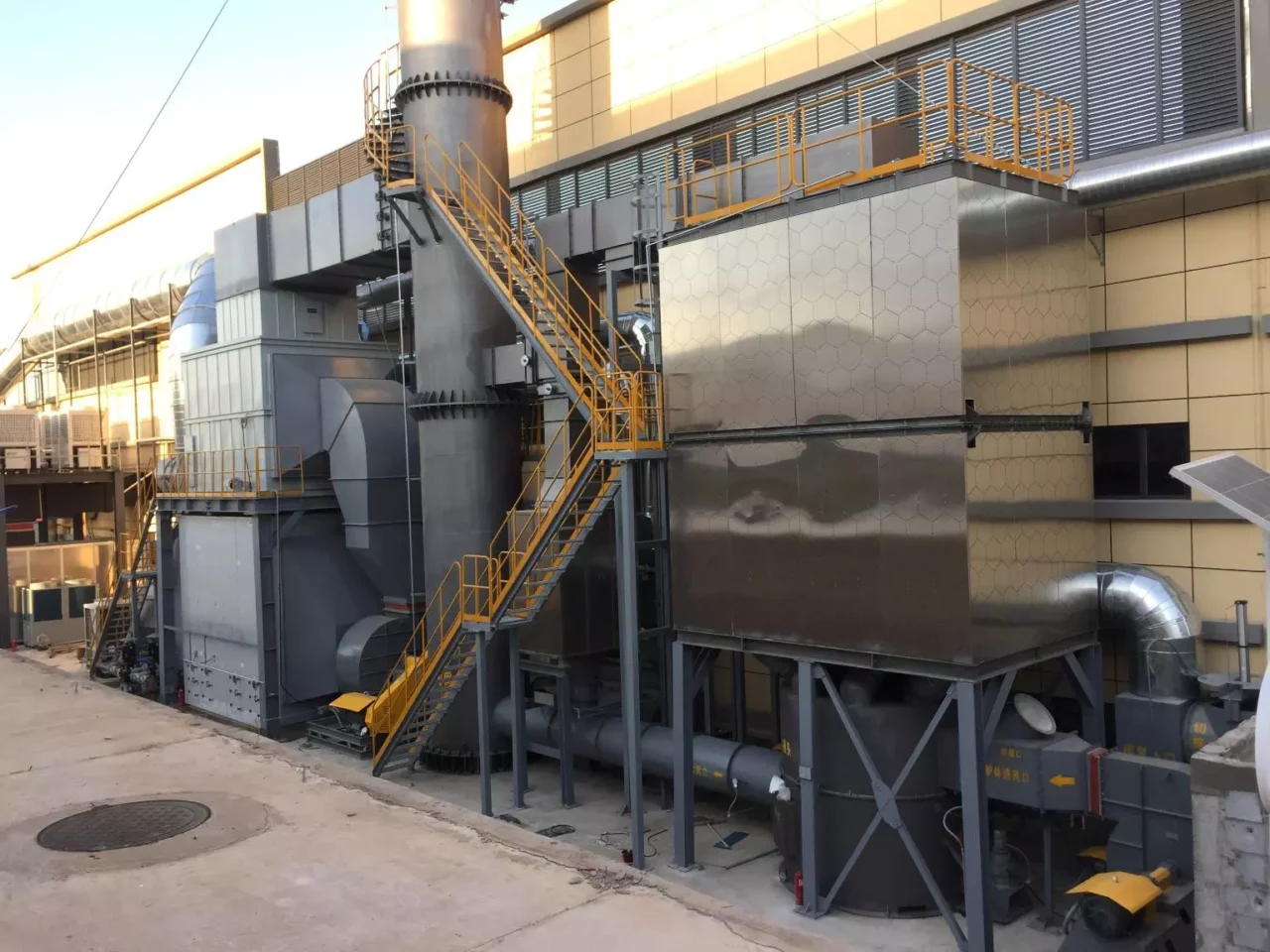
Equipment Configuration
- 10,000 Nm³/h RTO unit
- 80,000 Nm³/h Zeolite concentrator rotor
| Project Parameter | Índice |
|---|---|
| Inlet Concentration | 620 mg/m³ |
| Gas Volume | 80,000 Nm³/h |
| VOC Composition | Xylene, Butyl acetate |
| Purification Efficiency | 96.1% |
| Emission Limit | 24.18 mg/m³ |
Características principales
- Zeolite rotor achieves 8:1 to 20:1 concentration ratio
- Reduced RTO fuel consumption by 60–80%
- Desorption air at 180–220°C for safe VOC release
- Compact footprint for space-limited facilities
Solutions for Complex Chemical Waste Gas
Multi-stage pretreatment for corrosive, toxic, and mixed VOC streams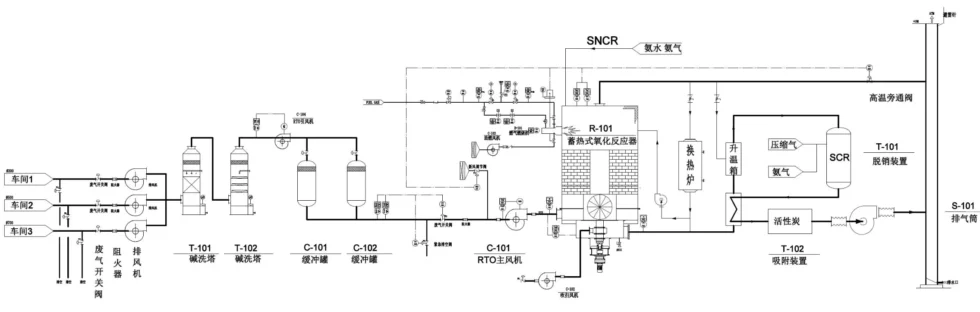
Waste Gas Characteristics
Gas de residuos orgánicos: Alcanos, olefinas, alquinos, aldehídos aromáticos, cetonas, éteres, compuestos orgánicos azufrados/clorados/nitrogenados
Componentes de acompañamiento: H₂S, SO₂/HCl, CO, NH₃
Challenge & Solution Matrix
| Dificultad | Medidas |
|---|---|
| Gas corrosivo | Alkaline washing, pickling, dehumidification; corrosion-resistant materials; anticorrosive coating |
| Oleada de concentración | Buffer tank, FTA concentration peak remote warning |
| Dioxin risk | Activated carbon adsorption pre-treatment |
| NOx formation | SNCR/SCR denitration system |
| Viscous polymer | Plate-type heat storage ceramic; 12 manholes for maintenance |
| Waste heat recovery | Hot air recovery system |
Process Composition
- Alkaline spray tower for acid gas neutralization
- Demister for moisture removal
- Buffer tank for surge protection
- RTO main oxidation chamber
- SNCR/SCR for NOx control
- Activated carbon guard bed
- Exhaust stack with online monitoring
Waste Gas Solution of the Sewage Tank
Specialized treatment for ammonia, HCl, and xylene from sewage treatment
Componentes de gases residuales
- Ammonia, hydrogen chloride, xylene
- Ammonia content: 20%
- Lower explosion limit (LEL) of ammonia composite: 15%
Process Composition
- Spray tower + RTO + SCR
- 10,000 Nm³/h RTO unit
- 50,000 Nm³/h RTO unit
Características principales
- Chlorine and corrosion-resistant materials throughout
- NOx emission control via SCR catalyst
- Ammonia-compatible burner design
- Explosion-proof electrical systems
- Acid-resistant ceramic heat storage media
Thermal Energy Utilization Solutions
Maximizing waste heat recovery through multi-path energy conversion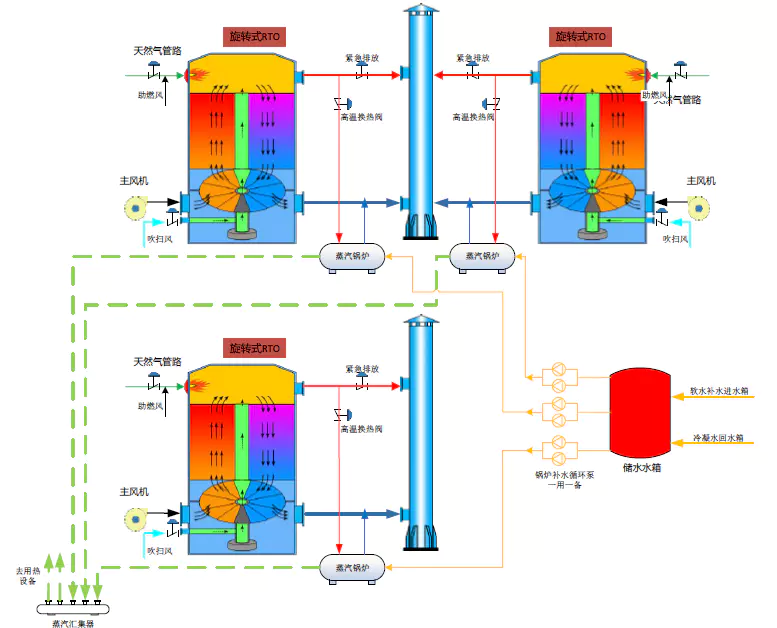
Equipment Configuration
- 3× 40,000 Nm³/h RTO units
- 3× 5 t/h — 2.0 MPa steam boiler
- 3,000 kW steam-type lithium bromide absorption chiller
Energy Recovery Paths
- Steam generation for process heating
- Hot water loop for facility HVAC
- Absorption chiller for summer cooling
- Overall thermal efficiency > 85%
- ROI payback within 2.5 years
Integración de sistemas
Three parallel RTO units feed a centralized energy recovery station. Exhaust heat is cascaded through steam generation (high grade), hot water production (medium grade), and absorption cooling (low grade), achieving near-zero thermal waste.
Concentration Surge Solutions
Buffer and control systems for highly variable VOC loading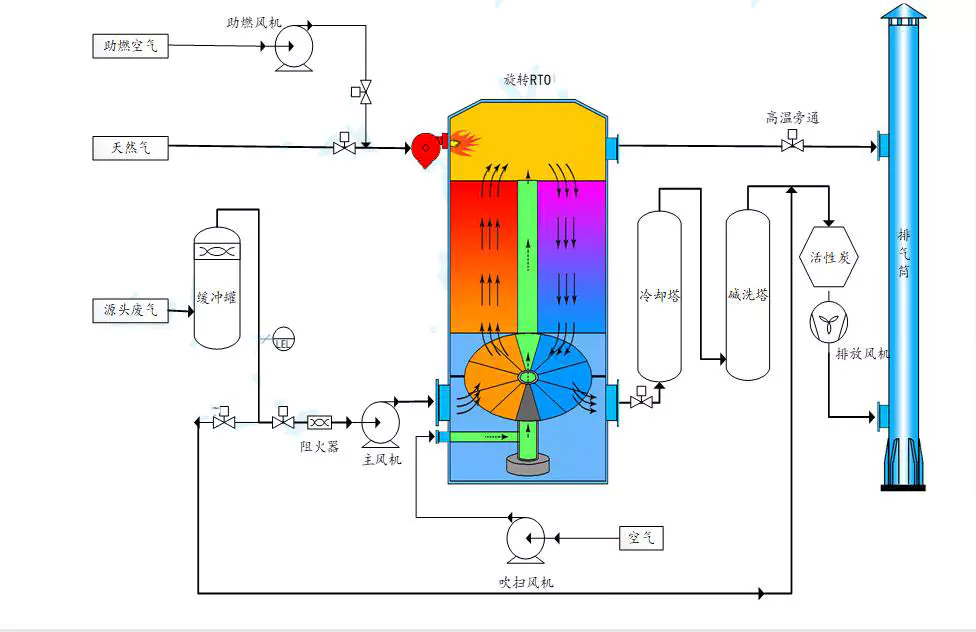
Challenge Characteristics
- Concentration surge events (10× normal peaks)
- Chlorine-containing corrosive compounds
- Amine-containing sticky residues
- VOC components: 3-methylpyridine, 3-cyanopyridine, methanol, toluene, ethanol, triethylamine, chloroform, short-chain fatty acids, aliphatic hydrocarbons, ammonia, trichloroethylene
Process Composition
- Concentration fluctuation pretreatment system
- RTO corrosion prevention coating
- Post-treatment for HCl and dioxin removal
- Buffer tank with 15-minute retention
- FTA (Flame Temperature Analyzer) peak remote warning
- Variable-frequency main blower
Surge Control Strategy
- Real-time LEL monitoring with 3-level alarm
- Automatic dilution air injection at 25% LEL
- Buffer tank dampens concentration spikes
- Variable blower speed matches inlet flow
- Corrosion-resistant ceramic media (12 manholes for cleaning)
- Post-SCR for NOx and activated carbon for dioxin
Solución de humos de asfalto
High-boiling point lipid aerosol and dust treatment for asphalt plants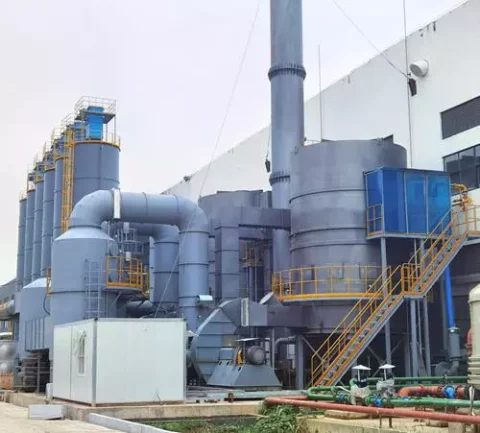
Equipment Configuration
- 2× 40,000 Nm³/h RTO units
- Waste gas pipeline with heat tracing
- Pretreatment system (cyclone + screen filter)
Waste Gas Characteristics
- High boiling point lipid aerosols
- Fine dust particles (PM10/PM2.5)
- Sticky tar residues
- High moisture content
Specialized Features
- Pipe heat tracing prevents tar condensation
- Oil drain system for tar collection
- Fire fighting system with CO₂ suppression
- Cyclone filter for coarse dust removal
- Screen filter for fine particulate
- Quick-replacement bottom heat storage ceramic (tar-resistant design)
RTO Preguntas frecuentes
Common questions from potential customers about regenerative thermal oxidizer systems
What is a regenerative thermal oxidizer (RTO) and how does it work?
A regenerative thermal oxidizer (RTO) is an industrial air pollution control device that destroys volatile organic compounds (VOCs), hazardous air pollutants (HAPs), and odors through high-temperature combustion. The system uses ceramic heat exchange media to preheat incoming polluted air before it enters the combustion chamber.
The process works by passing exhaust gases through heated ceramic beds, raising the temperature to 760°C - 820°C (1,400°F - 1,510°F), where VOCs are oxidized into harmless CO₂ and H₂O. The regenerative design recovers up to 95% of thermal energy, making it one of the most efficient oxidation technologies available.
What is the difference between 3-bed RTO and rotary RTO?
RTO de 3 habitaciones uses three separate ceramic chambers with switching valves that alternate airflow direction. While effective, it suffers from high exhaust temperatures, higher energy consumption, and the switching valve operates approximately 520,000 times per year, leading to shorter service life.
Rotary RTO uses a continuous rotating distribution valve with multiple sectors (typically 12 chambers). It maintains exhaust temperatures below 80°C, offers lower energy consumption, reduced operating costs, and the rotary valve operates continuously without switching — resulting in significantly longer service life and superior reliability.
What is the typical operating temperature range for an RTO system?
The standard operating temperature for RTO systems ranges from 760°C to 820°C (1,400°F to 1,510°F). This temperature range ensures complete oxidation of most VOCs and HAPs while maintaining optimal thermal efficiency.
For applications requiring maximum destruction efficiency or handling particularly resistant compounds, the temperature can be increased up to 1,100°C (2,010°F). The residence time is typically maintained at > 5 seconds to ensure complete combustion.
What types of exhaust gases can an RTO treat effectively?
RTO systems are highly versatile and can treat a wide range of exhaust gases containing volatile organic compounds (VOCs), hazardous air pollutants (HAPs), and odorous compounds. Common applications include:
Packaging & printing (solvents, inks), film coating (adhesives, resins), industrial coating (paints, varnishes), chemical processing (organic vapors), asphalt production (hydrocarbon emissions), and petrochemical operations.
RTO is ideal for VOC concentrations ranging from low to high levels up to 10 g/m³. The system can handle air flow rates from 2.4 to 240 standard cubic meters per second, making it suitable for both small and large-scale industrial operations.
How do I choose the right RTO size and configuration for my facility?
Selecting the right RTO requires analysis of several key parameters: exhaust gas flow rate, VOC concentration and composition, required destruction efficiency, available space, and operational requirements.
Our engineering team evaluates your specific application including gas volume (CFM or m³/h), contaminant types, temperature requirements, and regulatory compliance needs. We provide customized solutions ranging from compact units for small operations to large multi-chamber systems for heavy industrial applications.
What is the thermal efficiency of your RTO systems?
Our rotary RTO systems achieve up to 95% thermal efficiency through advanced regenerative heat exchange technology. The ceramic heat exchanger media can be designed for thermal efficiency of up to 97+%, minimizing fuel consumption and operating costs.
VOC destruction efficiency reaches 99.5% or higher, ensuring full compliance with environmental regulations. The combination of high thermal efficiency and destruction efficiency delivers the lowest life-cycle cost compared to other thermal oxidizer technologies.
What is the expected service life of an RTO system and its core components?
Our rotary RTO systems are designed for long-term reliable operation. With over 483 sets successfully running in the field, we have documented performance data showing exceptional durability.
268 sets have accumulated more than 8,000 operating hours, and 358 sets have exceeded 3,000 hours. The rotary distribution valve — the core component — features advanced sealing technology and forced air cooling that extends service life far beyond traditional switching valve designs.
Regular maintenance includes ceramic media inspection, seal replacement, and burner calibration. With proper maintenance, the overall system lifespan exceeds 20 years.
Do you provide installation, commissioning, and after-sales support?
Yes, we provide comprehensive turnkey solutions including system design, manufacturing, installation supervision, commissioning, operator training, and long-term after-sales support. Our technical team has extensive experience with 600+ contracted projects across diverse industries.
We offer online monitoring systems for real-time performance tracking, preventive maintenance programs, and rapid response technical support. 107 sets are currently under our online monitoring and operation service, ensuring optimal performance and minimal downtime.
Our customer return rate demonstrates our service quality: 24 customers have purchased 3+ sets, 62 customers have purchased 2 sets, and 68 customers have entrusted us with their entire plant's environmental solution.
What is the typical payback period for an RTO investment?
The payback period for an RTO system typically ranges from 2 to 5 years, depending on factors such as VOC concentration, operating hours, energy costs, and regulatory compliance requirements.
High VOC concentrations can actually generate excess heat that can be recovered for process heating or other facility uses, further improving the return on investment. Our rotary RTO's superior thermal efficiency (up to 97%) significantly reduces fuel costs compared to conventional thermal oxidizers.
Additionally, avoiding regulatory penalties and maintaining continuous production without shutdowns for compliance issues provides substantial indirect cost savings.
Still Have Questions?
Our RTO engineering team is ready to answer your specific technical questions and provide a customized solution for your facility.
Contact Our Engineers →Una de las tecnologías de control de la contaminación atmosférica más aceptadas actualmente en la industria es el sistema de oxidación térmica regenerativa, comúnmente conocido como RTO. El RTO utiliza un lecho cerámico calentado del ciclo de oxidación anterior para precalentar los gases de entrada y oxidarlos parcialmente. El gas precalentado entra en la cámara de combustión, que se calienta mediante una fuente de combustible externa para alcanzar la temperatura de oxidación objetivo entre 760°C (1.400 °F) y 820°C (1.510 °F). Para aplicaciones que requieren un daño máximo, la temperatura final puede llegar a 1.100 °C (2.010 °F). El caudal de aire oscila entre 2,4 y 240 metros cúbicos estándar por segundo.
El RTO (oxidador térmico regenerativo) es versátil y muy eficiente: hasta 95% de eficiencia térmica. Suelen utilizarse para reducir disolventes, humos, olores, etc. de todos los ámbitos de la vida. Los oxidadores térmicos regenerativos RTO son ideales para rangos de concentración de COV de bajos a altos, hasta 10 g/m3 de disolventes. Existen muchos tipos de oxidadores térmicos regenerativos en el mercado actual que tienen una eficacia de oxidación o destrucción de compuestos orgánicos volátiles (COV) del 99,5+%. El intercambiador de calor cerámico de la torre puede diseñarse para una eficiencia térmica de hasta 97+%.
Rotary RTO Oxidador térmico regenerativo
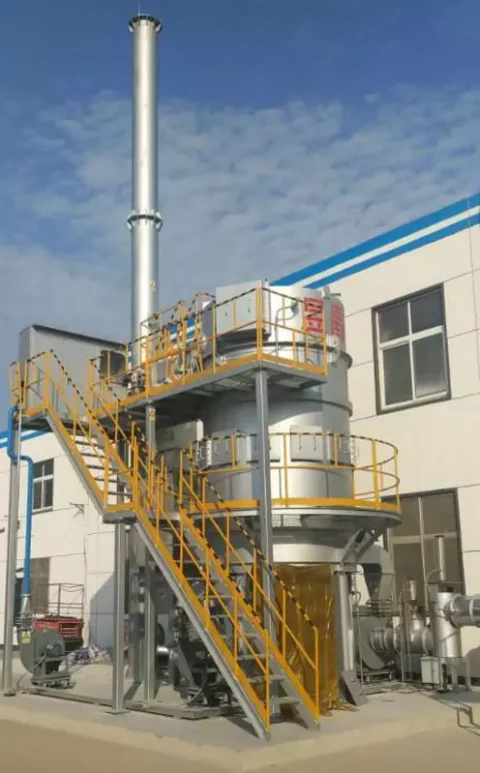
Los productos de gama alta RTO rotativos de Toptank han alcanzado el nivel avanzado mundial de tecnología de productos, con calidad de gama alta para que los usuarios del mercado tengan más opciones de gama alta, para ayudar a más empresas a embarcarse con éxito en el camino hacia el desarrollo ecológico, para lograr el desarrollo económico y la protección del medio ambiente en una situación de beneficio mutuo.
Características del oxidador térmico regenerativo rotativo
- Estabilidad de máxima calidad: configuración de piezas compradas de primera calidad, selección de materiales de sellado de silicona fluorada antienvejecimiento súper resistentes al desgaste;
- Excelente aislamiento y ahorro de energía: estructura de aislamiento de cáscara de vacío, reducir la disipación de calor de convección, el efecto de ahorro de energía aumentó en 3%;
- Super seguridad de funcionamiento: componentes de seguridad superior, software de control de seguridad con juicio de aprendizaje de inteligencia artificial y capacidad de predicción de fallos;
- Interacción de red conveniente: APP móvil en tiempo real de monitoreo de nube en línea, función de interacción de datos de red amigable;
- Diseño estético de The Times: aspecto industrial de futuro, avanzado proceso de tratamiento superficial anticorrosión y antioxidante.
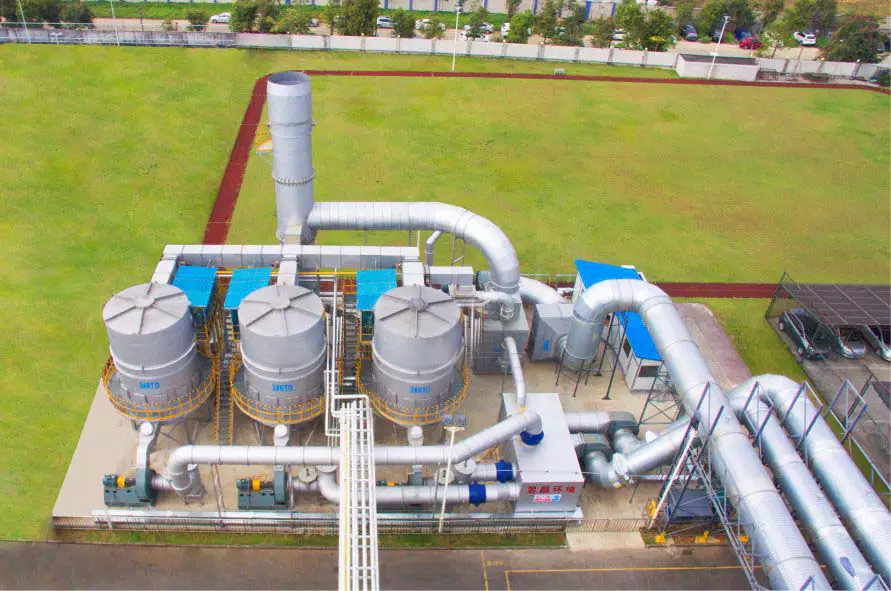
Los sistemas RTO destruyen los compuestos orgánicos volátiles de los gases residuales industriales para reducir la contaminación atmosférica.
¿Qué es un oxidador térmico regenerativo?
Un óxido térmico regenerativo (RTO) es un dispositivo de combustión que controla los compuestos orgánicos volátiles (COV), los contaminantes atmosféricos peligrosos (HAP) y los olores convirtiendo las emisiones en emisiones (destructivas) y utilizando el calor para convertir las emisiones en CO2 y H2O y liberarlas después a la atmósfera. La RTO puede alcanzar una eficiencia térmica de hasta 97% y una eficiencia de destrucción de más de 99%.
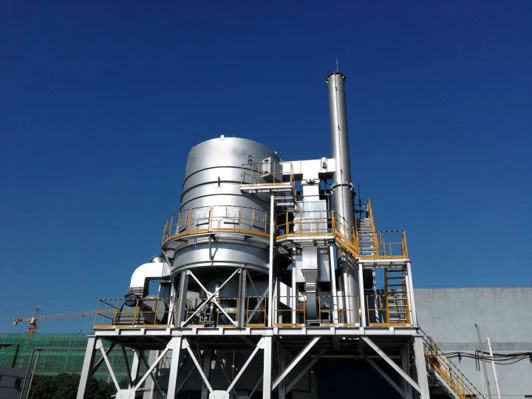
El oxidante RTO está considerado uno de los sistemas de oxidación térmica más avanzados del mundo. En comparación con otros oxidantes térmicos, los oxidantes térmicos regenerativos (RTOS) tienen una eficiencia térmica de hasta 97%, y la eficiencia de destrucción puede superar los 99%, lo que le proporcionará la mayor tasa de eliminación al menor coste del ciclo de vida. - Combinados con estructuras y características de diseño líderes en el sector, todos ellos ofrecen un rendimiento superior, unos costes de funcionamiento significativamente inferiores y una fiabilidad líder en el sector.
¿Cómo funciona un oxidador térmico regenerativo?
- Los oxidadores térmicos regenerativos (RTOS) funcionan empujando el aire lleno de contaminantes a través del peróxido. normalmente con un ventilador del sistema.
- El flujo de aire a través del RTO se controla mediante una válvula que dirige el flujo de aire a uno de los dos intercambiadores de calor (una cámara que contiene un lecho dieléctrico cerámico).
- La RTO tendrá al menos dos lechos dieléctricos cerámicos (monturas y/o bloques dieléctricos estructurados) como intercambiadores de calor. A medida que el aire sucio atraviesa el primer lecho dieléctrico, absorbe calor del medio cerámico caliente y, a continuación, entra en la cámara de combustión.
- En la cámara de combustión, el aire sucio se mantiene a una temperatura (> 1500 °F) y un tiempo de residencia específicos (> 5 segundos). Esto oxida los COV y los HAP en dióxido de carbono y vapor de agua.
- El aire caliente y limpio sale de la cámara de combustión y entra en el segundo lecho de medio cerámico para absorber el calor y reutilizarlo.
- A continuación, el aire limpio enfriado se expulsa a la atmósfera.
La válvula cambia de dirección cada pocos minutos, invirtiendo así la dirección del flujo, de modo que la transferencia de calor se alterna entre los dos lechos de medios cerámicos. Esta es la razón por la que los RTO (oxidadores térmicos regenerativos) tienen una alta eficiencia de combustible y bajos costes de funcionamiento, lo que los convierte en un sistema ideal de reducción de COV.
Principio de funcionamiento del oxidador térmico regenerativo RTO
Diagrama de flujo del proceso del oxidador térmico regenerativo
Diseño de oxidadores térmicos regenerativos rotativos RTO
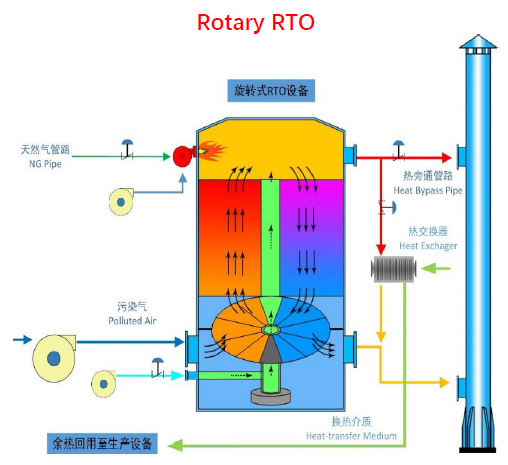
12 lechos empacados de almacenamiento térmico se distribuyen en círculo y trabajan alternativamente, con 5 in let y 5 out let, 1 purga y 1 aislamiento.
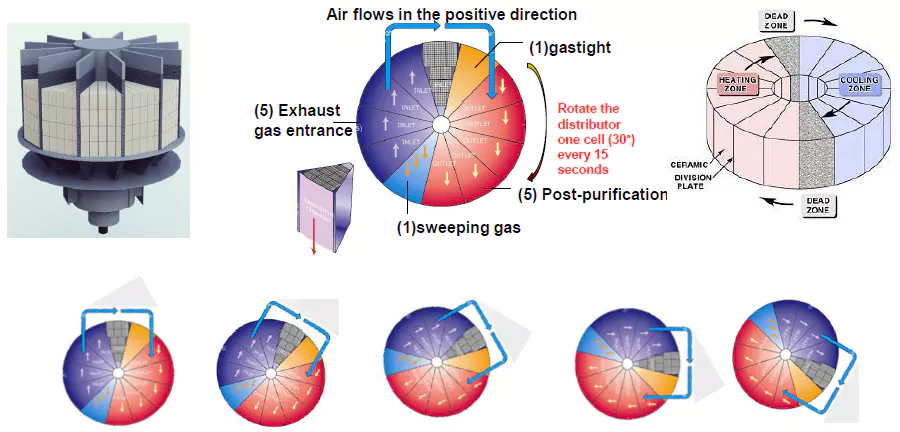
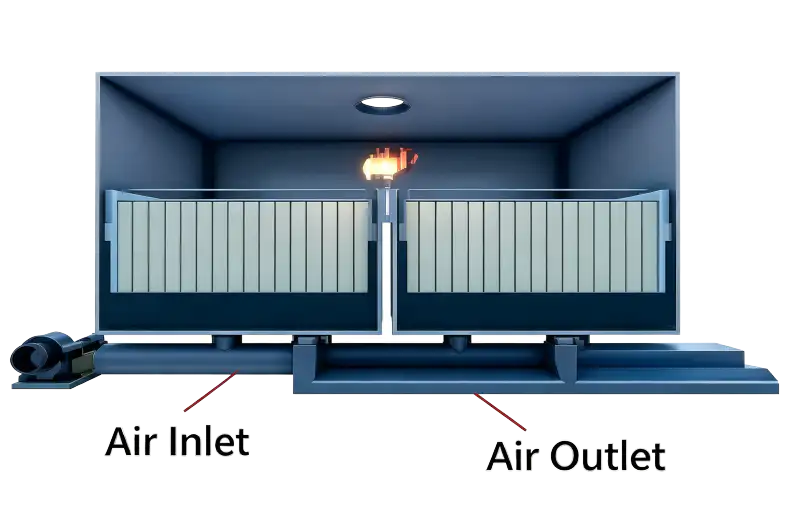
Diagrama del oxidador térmico regenerativo
Tipos de RTO
Tabla comparativa de rendimiento de los distintos tipos de RTO | ||||
| Tipo | 2-camas RTO | 3-camas RTO | Rotary RTO | Observación |
| Tecnología de iteración | Primera generación | Segunda generación | Tercera generación | |
| Número de regeneradores | 2 | 3 | 12 | |
| Eficacia de la depuración | 95% | 99% | 99.5% | |
| Eficacia térmica | 90% | 95% | 97.0% | Diferencia de temperatura entre la entrada y la salida≤30℃ |
| Ocupación de tierras | 100% | 130% | 65% | Tomar como referencia RTO de 2 camas |
Iteraciones técnicas de la RTO
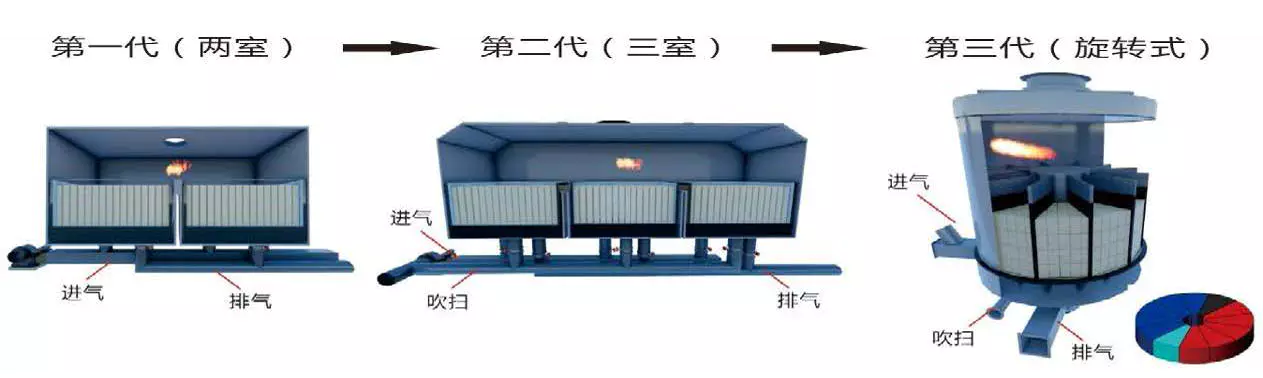
Primera generación(2 camas)
Temperatura 120℃
Consumo energético medio
Eficacia de purificación 95%
La protección del medio ambiente no cumple la norma, por lo que se elimina
Segunda generación (3 camas)
Temperatura 100℃
Consumo energético medio
Eficacia de purificación 99%
Cumplen las normas de protección medioambiental
Tercera generación (RTO rotativo)
Temperatura 60℃
Bajo consumo de energía
Eficacia de purificación 99,5%
Cumplen las normas de protección medioambiental
La estructura de Rotary RTO
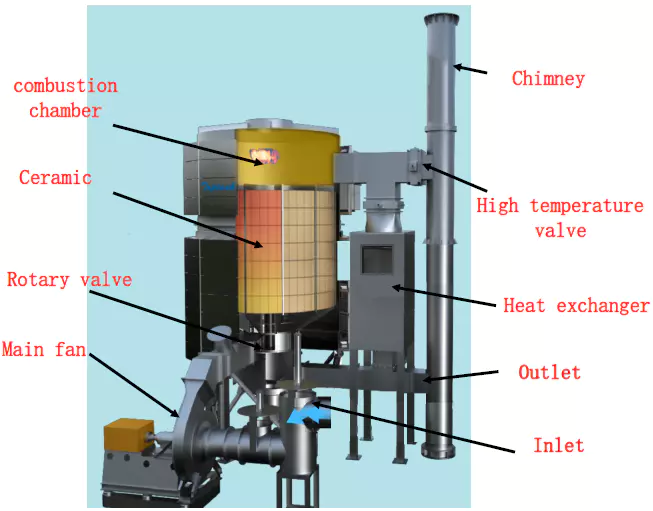
La RTO rotativa consta de una cámara de combustión, una cámara regenerativa y una válvula rotativa.
El cuerpo del horno está dividido en 12 cámaras, 5 cámaras de entrada, 5 cámaras de salida, 1 cámara de limpieza y una cámara de aislamiento.
La válvula rotativa es accionada por el motor para una rotación continua y uniforme. Bajo la válvula rotativa, el gas de escape cambia lentamente de forma continua entre 12 cámaras. Su estructura básica se muestra en la figura de la derecha.
En términos generales, cuantas más cámaras regenerativas, mayor es la depuración y la eficacia térmica. Con el desarrollo de la tecnología, nació la tercera generación de RTO, la RTO rotativa.
Tiene 12 regeneradores circulares y tiene las ventajas de estructura compacta, pequeña área de disipación de calor, bajo consumo de energía, alta eficiencia térmica, su eficiencia de purificación puede ser de hasta 99,5%.
 ES
ES  EN
EN  ZH
ZH  AR
AR  ID
ID  PT
PT  FR
FR  JA
JA  RU
RU  DE
DE  MS
MS  CS
CS  BG
BG  NL
NL  KO
KO  RO
RO  SK
SK  TH
TH  VI
VI  ZH_TW
ZH_TW  UK
UK