
Регенеративный термический окислитель
Системы Ever-power RTO: чистый воздух с эффективностью уничтожения ЛОС 99,5%+
Ever-power: надежный Производитель регенеративных термических окислителей, предлагая высокую эффективность окислитель РТО системы с >99.5% удаление ЛОС и до Тепловая эффективность 97%. Наш Термический окислитель RTO справляется с потоком воздуха от 2,4 до 240 Нм³/с, уничтожая растворители, запахи и пары — даже при концентрации ЛОС 10 г/м³. Каждый Система регенеративного термического окислителя разработан с учетом низких эксплуатационных расходов, простой интеграции и соответствия международным нормам.
Летучие органические соединения (ЛОС)
Токсичные загрязнители воздуха (HAP)
Запах газа
Кислотные газы (SO₂, HCl, HF и т. д.)
Регенеративный термический окислитель (RTO) Технология
Как работает RTO
RTO uses a ceramic bed heated from the previous oxidation cycle to preheat the input gases to partially oxidize them. The preheated gas enters the combustion chamber, which is heated by an external fuel source to reach the target oxidation temperature between 760°C (1,400 °F) и 820°C (1,510 °F). For applications requiring maximum damage, the final temperature may be as high as 1,100 °C (2,010 °F).
Versatile & Highly Efficient
RTO is versatile and highly efficient – up to 95% thermal efficiency. They are often used to reduce solvents, fumes, odors, etc. from all walks of life. RTO regenerative thermal oxidizers are ideal for low to high VOC concentration ranges up to 10 g/m³ solvents.
Superior Destruction Efficiency
There are many types of regenerative thermal oxidizers on the market today that have a volatile organic compound (VOC) oxidation or destruction efficiency of 99.5+%. The ceramic heat exchanger in the tower can be designed for thermal efficiency of up to 97+%.
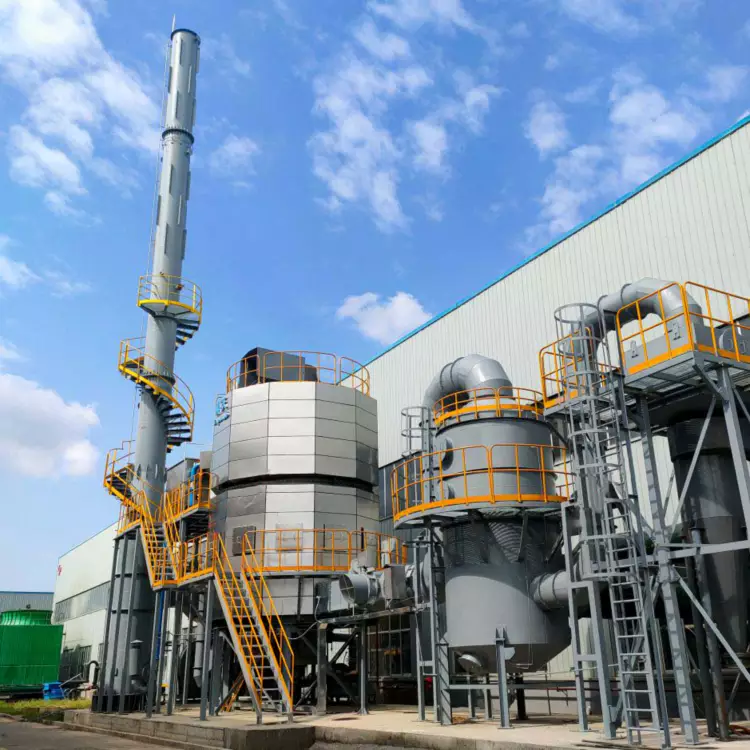
4 Core Ever-Power RTO Advantages
Hover over each card to discover what sets our regenerative thermal oxidizers apart from the competition.
Top Quality
& Stability
Hover to flip ↻Top Quality & Stability
Top-tier purchased parts from globally certified suppliers. Fluoro silicone sealing ensures leak-free operation and extended service life under extreme thermal cycling.
Энергосбережение
& Insulation
Hover to flip ↻Energy Saving & Insulation
Vacuum shell insulation reduces convection heat loss. Combined with optimized ceramic media, energy savings increase by 3% vs conventional designs, lowering operating costs year after year.
Smart Safety
& AI Control
Hover to flip ↻Smart Safety & AI Control
Top-tier safety components with intelligent control featuring AI learning judgment and failure prediction. Proactively detects anomalies before escalation, ensuring 24/7 safe operation.
Cloud Monitoring
& IoT
Hover to flip ↻Cloud Monitoring & IoT
Mobile APP real-time cloud monitoring from anywhere. Access performance dashboards, receive alerts, and export reports seamlessly via web or mobile with friendly data interaction.
Что такое регенеративный термический окислитель?
Регенеративный термооксид (РТО) - это устройство для сжигания, которое контролирует летучие органические соединения (ЛОС), опасные загрязнители воздуха (ОЗВ) и запахи путем преобразования выбросов в (деструктивные) выбросы и использования тепла для преобразования выбросов в CO2 и H2O с последующим их выбросом в атмосферу. RTO может достигать тепловой эффективности до 97% и эффективности разрушения более 99%.
RTO oxidant is considered one of the most advanced thermal oxidation systems in the world. Compared to other thermal oxidizers, regenerative thermal oxidizers (RTOS) have a thermal efficiency of up to 97%, and destruction efficiency may exceed 99%, which will give you the highest removal rate at the lowest life cycle cost. -- Matched with industry-leading structures and design features, all deliver superior performance, significantly lower operating costs, and industry-leading reliability.
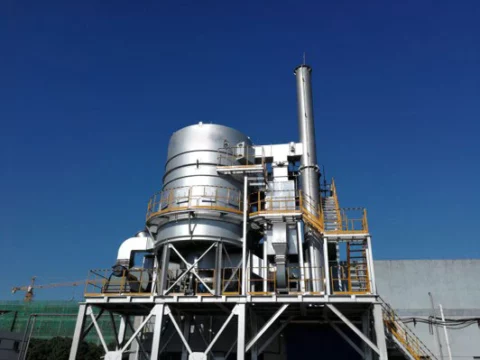
How Does a Regenerative Thermal Oxidizer Работа?
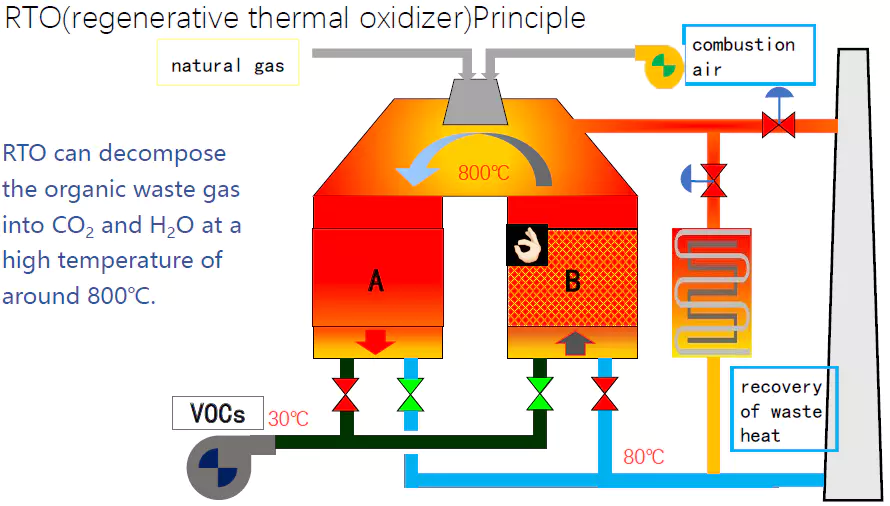
Pushing air filled with pollutants through the peroxide, usually with a system fan.
А valve directs airflow into one of two heat exchangers (ceramic dielectric bed).
Dirty air absorbs heat from the hot ceramic medium and enters the combustion chamber.
At >1500°F for >5 seconds, VOCs and HAP oxidize into CO₂ and H₂O.
Hot clean air enters the second ceramic bed to absorb heat for reuse.
Cooled clean air is discharged into the atmosphere.
The valve changes direction every few minutes, reversing the flow so heat transfer alternates between the two ceramic media beds. This is why RTO (regenerative thermal oxidizers) have high fuel efficiency and low operating costs, making them an ideal VOC reduction system.
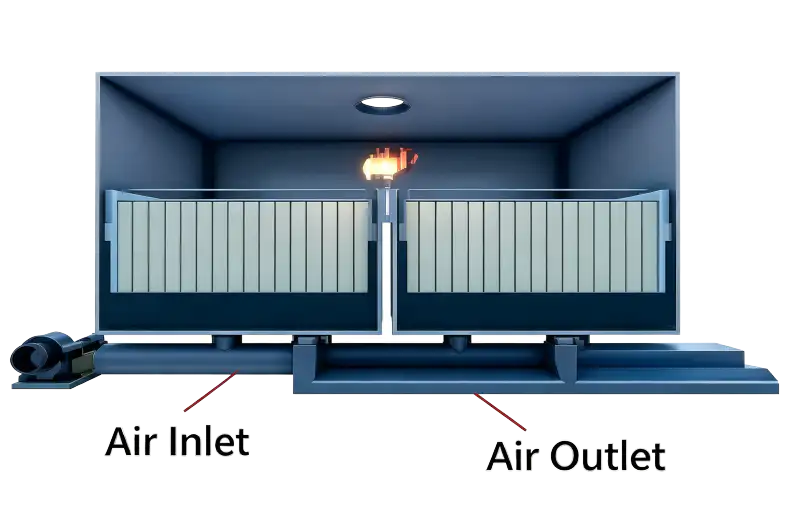
Regenerative Thermal Oxidizer Types
Three generations of RTO technology, each engineered for specific operational demands. From foundational 2-Chamber designs to our flagship Rotary RTO system.
2-Chamber RTO
Cost-Effective Classic Design
- Lowest initial investment and simple structure
- Easy maintenance with fewer components
- Lower purification efficiency (puff emission)
- Periodic emission spikes during valve switching
- Higher fuel consumption at low VOC loads
Лучше всего подходит для
Small to medium VOC loads, budget-restricted projects, industries with moderate emission standards, small coating lines, printing shops, chemical batch processes.
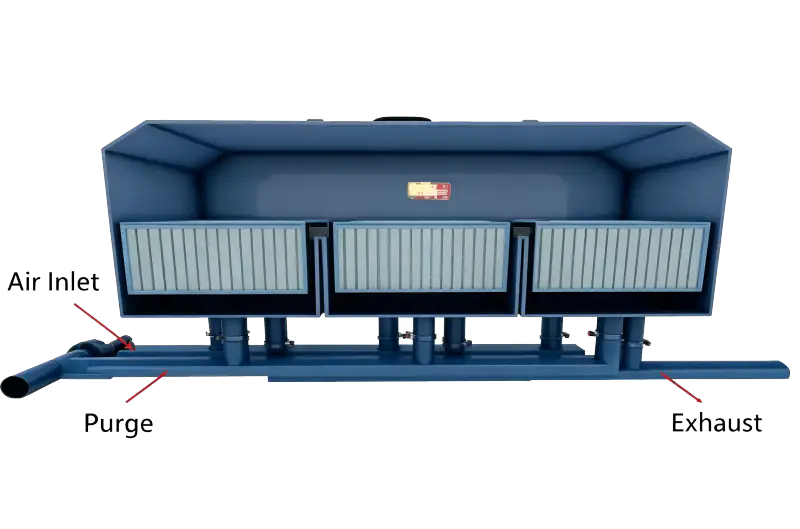
3-Chamber RTO
Balanced Performance Upgrade
- Higher purification efficiency (99%+)
- Purge chamber eliminates emission spikes
- Stable operation across varying VOC loads
- Larger footprint (~30% vs 2-bed)
- Higher capital and maintenance costs
Лучше всего подходит для
Medium to large VOC loads, industries with strict emission limits, automotive painting, pharmaceutical manufacturing, petrochemical processing.
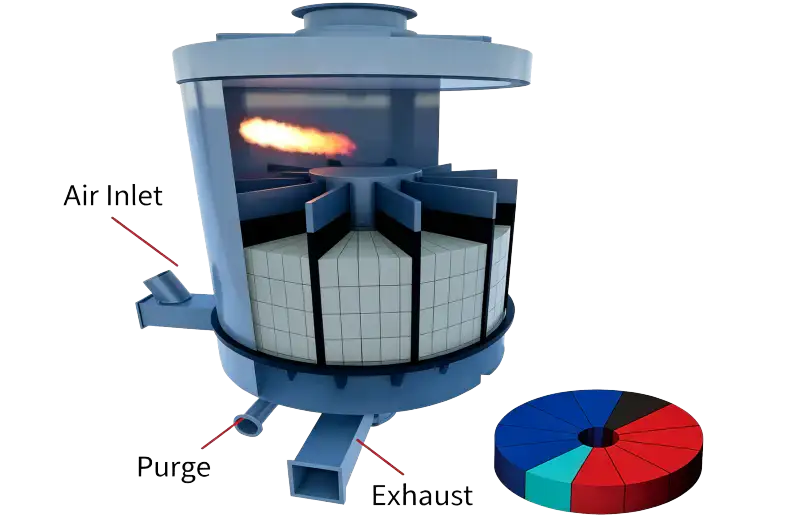
Роторный RTO
Premium Efficiency & Continuous Operation
- Highest purification (99.5%) and thermal efficiency (97%)
- Compact design saves 35% floor space
- Continuous operation with no emission spikes
- Higher initial investment
- Rotary disk requires precision maintenance
Лучше всего подходит для
Large-scale continuous operations, space-constrained facilities, and industries with the strictest regulations: semiconductor, lithium battery, food & beverage, large coating plants.
RTO Selection Recommendation
3-Bed RTO (3 Chambers)
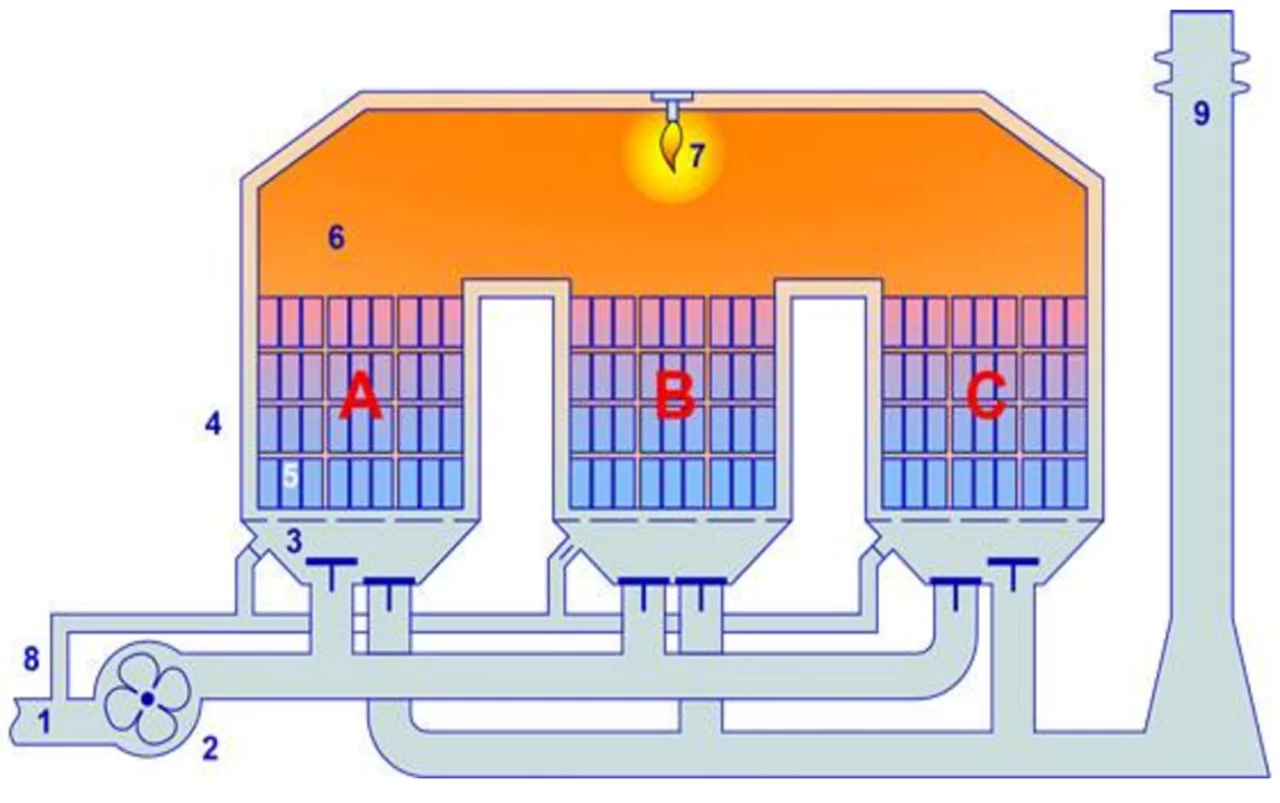
3-bed RTO has high exhaust gas temperature, high energy consumption, and high operating costs. The switching valve operates 520,000 times per year, resulting in a short service life.
Rotary RTO (12 Chambers)
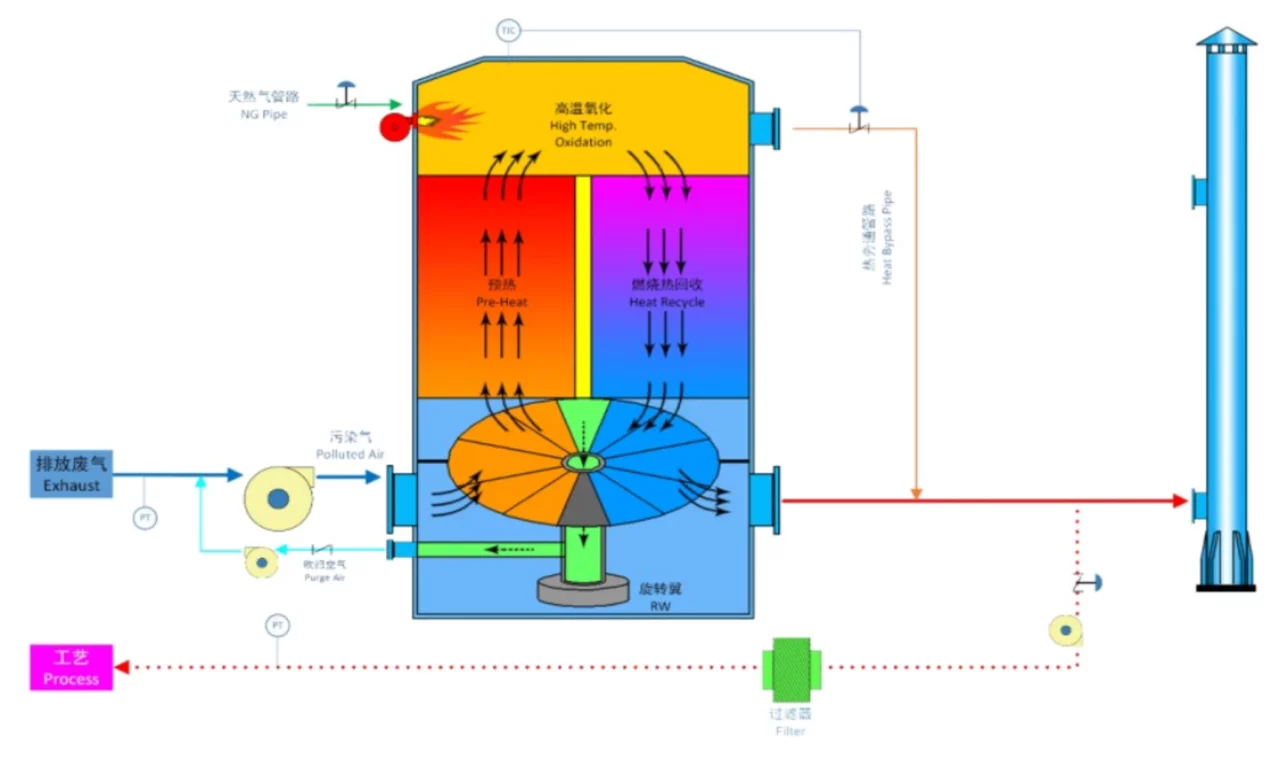
Роторный RTO exhaust gas temperature is below 80°C, with low energy consumption, low operating costs, continuous rotary valve operation without switching, and long service life.
Роторный RTO is the preferred choice for modern industrial applications, offering superior thermal efficiency, lower operating costs, and extended equipment lifespan compared to traditional 3-bed systems.
Solving the Problem of Ultra-High Heat Storage Rate
Rotary RTO furnace cross-section structure and advanced ceramic heat storage media solutions
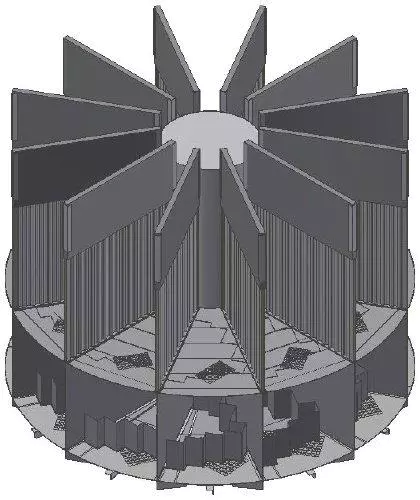

Ceramic Heat Storage Media Materials
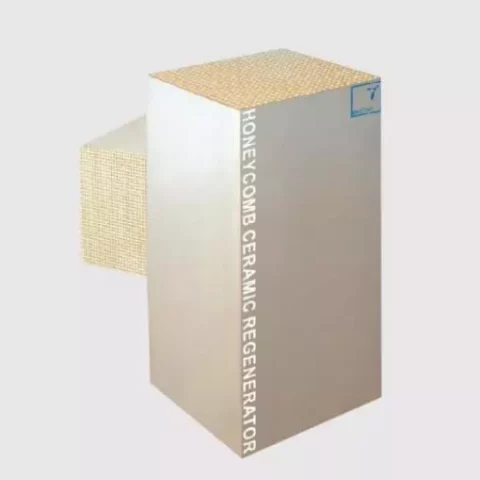
Cordierite Porous
Cordierite porous honeycomb ceramic

Alumina Porcelain
Alumina porcelain dense honeycomb
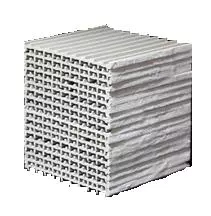
Mullite Ceramics
Mullite ceramics honeycomb

Saponite Ceramics
Saponite ceramics
Physical & Chemical Performance Comparison
| Property | IF Cordierite Porous | NT Alumina Porcelain | HT Mullite Ceramics | MK20 Saponite Ceramics |
|---|---|---|---|---|
| Composition (%) | ||||
| Al₂O₃ | 36 | 45 - 55 | 62 - 72 | 28 - 38 |
| SiO₂ | 50 | 37 - 47 | 24 - 34 | 45 - 55 |
| Others | — | — | — | total < 15 |
| Fe₂O₃ | 0.5 | 0 - 1 | 0 - 1 | — |
| TiO₂ | 1.0 | 0 - 1 | 0 - 1 | — |
| CaO | 0.5 | 0 - 1 | 0 - 1 | — |
| MgO | 14 | 0 - 1 | 0 - 1 | — |
| Na₂O | 0.5 | 0 - 4 | 0 - 2 | — |
| K₂O | 0.5 | 0 - 4 | 0 - 2 | — |
| Physical Properties | ||||
| Open Porosity | 35% | 0.00% | 20% | 11% |
| Solid Density (g/cm³) | 1.7 | 2.7 | 2.35 | 2.10 |
| C.T.E. (20-1000°C) (x10⁻⁶) | 0.7 | 6.5 | 6.5 | 2.2 |
| Specific Heat (100°C) (J/kgK) | 750 - 800 | 877 | 927 | 810 |
| Thermal Shock Resistance (°C) | 500 | 200 | 190 | 350 |
| Thermal Conductivity (W/mK) | 1.25 - 1.50 | 2.1 | 2.2 | 1.9 |
| Start of Softening (°C) | 1300 | 1200 | 1540 | 1300 |
Chemical Resistance Guidelines
- Materials are resistant to acids, alkali gases, vapors and slags.
- If the flue gas contains silica, cordierite (IF) is the better choice.
- If the flue gas contains acid, NT и HT perform well.
- If the flue gas contains alkaline, HT is recommended.
- Cordierite melts more easily, which can cause plugged cells.
- Cracking resistance: cordierite (IF) и MK20 show good performance.
RTO Simulation Analysis
CFD simulation results showing temperature and pressure distribution across the RTO system during operation
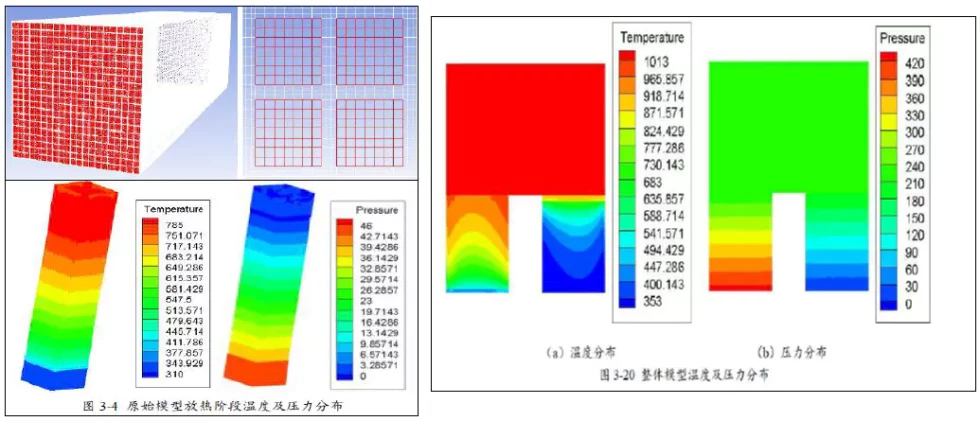
Heat Release Phase: Temperature & Pressure Distribution
CFD simulation of the original RTO model during the heat release phase, displaying the overall temperature field and pressure distribution patterns across the combustion chamber and ceramic media beds.
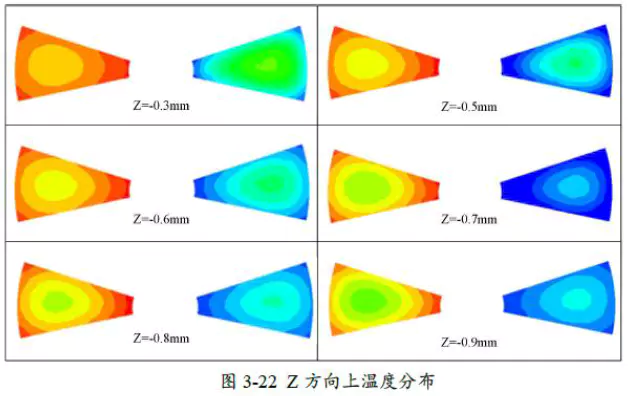
Z-Direction Temperature Distribution
Cross-sectional temperature distribution along the Z-axis direction, illustrating the vertical thermal gradient and heat transfer efficiency through the ceramic honeycomb structure.
Simulation Insights: The CFD analysis demonstrates uniform temperature distribution and optimized pressure profiles within the rotary RTO system. The Z-direction thermal gradient confirms efficient heat recovery across the ceramic media layers, validating the ultra-high heat storage rate design.
Insulation Cotton Установка & Thermal Imaging
Professional installation process and thermal performance verification of high-temperature insulation materials

Key Installation Features
Multi-layer insulation design ensures maximum thermal retention and minimizes heat loss through the RTO chamber walls.
High-temperature resistant ceramic fiber insulation cotton withstands continuous operation at extreme temperatures above 1,000°C.
Precision installation with uniform thickness distribution guarantees consistent thermal performance across all surfaces.
Thermal imaging verification after installation confirms optimal heat containment and identifies any potential thermal bridges.
Thermal imaging analysis reveals uniform heat distribution with no abnormal hot spots, confirming excellent insulation integrity.
Quality assurance through infrared thermography ensures the insulation system meets all thermal performance specifications.
Vacuum Insulation Shell Technology
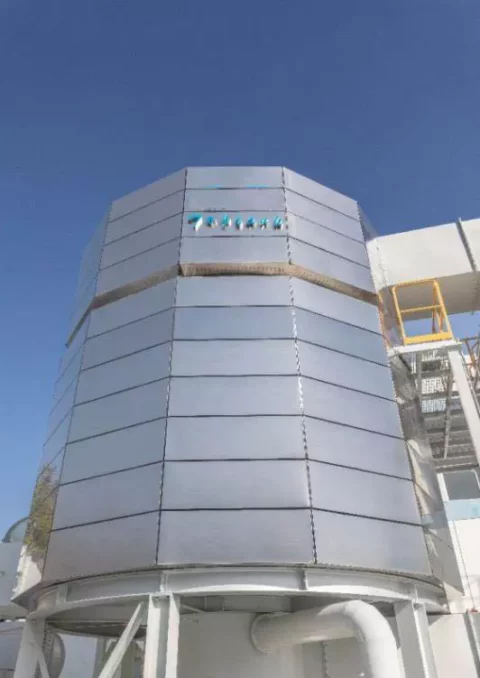
The "Toptank" RTO body features a vacuum-insulated shell design that dramatically reduces convective heat loss, delivering superior thermal efficiency and energy savings compared to conventional systems.
Thermal Performance Analysis
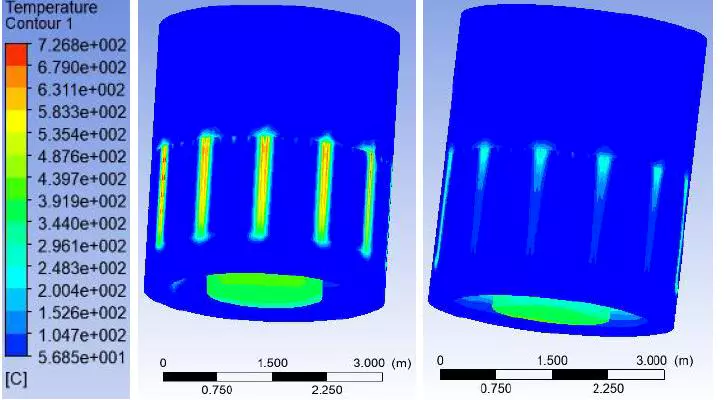
ANSYS-simulated heat loss comparison between conventional RTO and Toptank vacuum-insulated RTO under identical operating conditions.
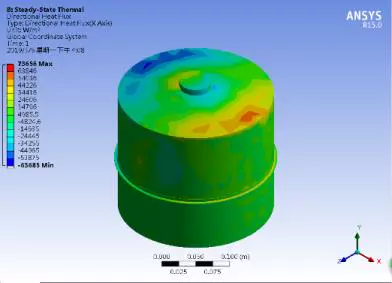
Heat loss simulation of standard RTO exterior windward surface temperature field
Heat Loss: 1.4×10⁴ W/m²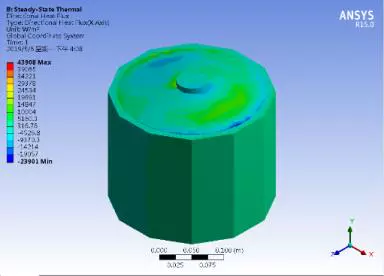
Vacuum-insulated shell significantly reduces surface thermal radiation
Heat Loss: 0.5×10⁴ W/m²? Thermal Efficiency Improvement
The Toptank vacuum insulation shell reduces convective heat loss by approximately 64% compared to conventional RTO designs, translating directly into lower fuel consumption and operating costs.
RTO Rotary Distribution Valve — Core Structure Explained
Complete technical breakdown of the rotary valve assembly, optimization structures, and performance validation
Overall Structure
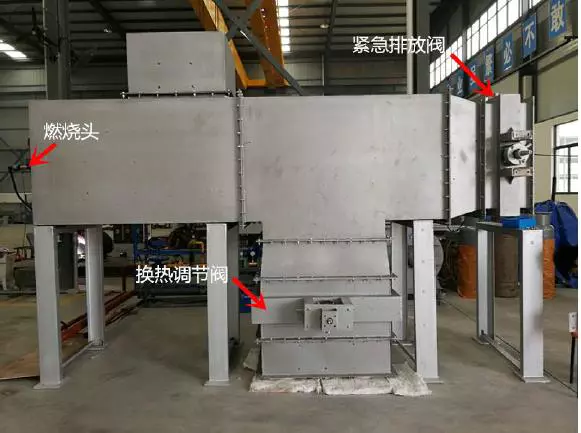
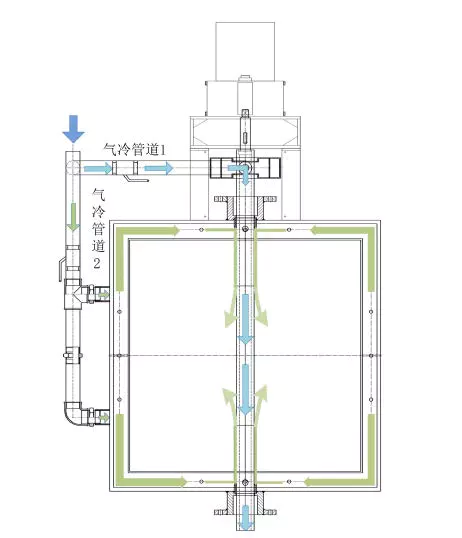
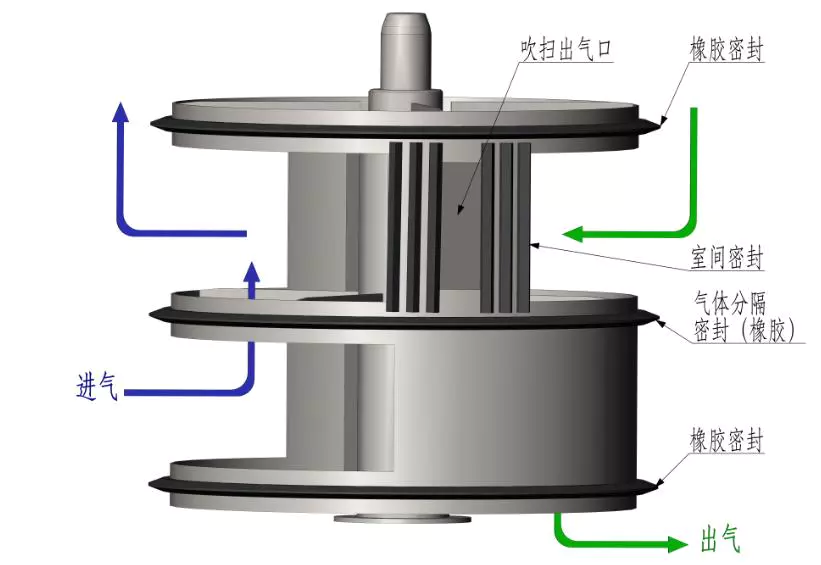
The rotary distribution valve consists of six major components: valve body, central rotating shaft, partitioned valve disc, drive actuator mechanism, multi-layer sealing assembly, and cooling system. The motor drives the valve core to rotate, periodically switching the intake, exhaust, and purge chambers to achieve the RTO regenerative heat exchange cycle.
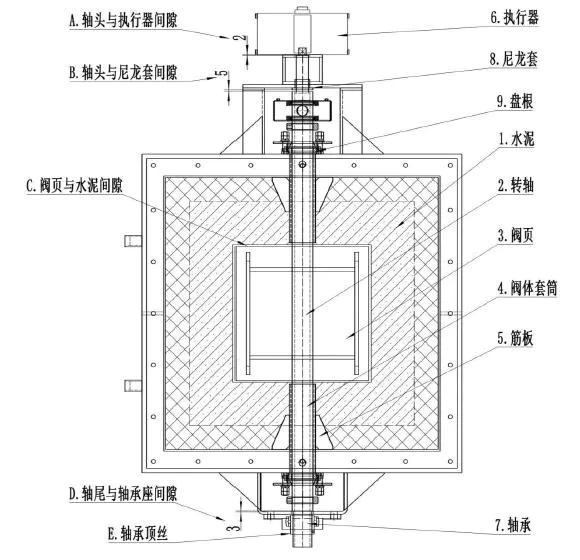
Three Key Optimization Structures
The rotary valve incorporates three critical design innovations that significantly extend service life and improve operational stability under extreme thermal cycling conditions.
Precision Clearance Structure
Shaft sleeves, valve plates, and bearings are designed with graded assembly clearances to offset metal thermal expansion at high temperatures, preventing shaft seizure and valve plate jamming.
Forced Air Cooling System
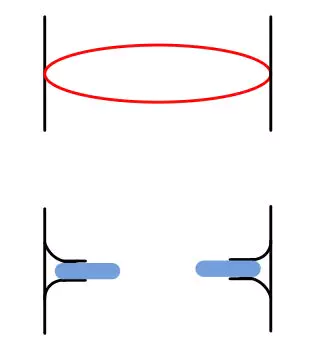
The valve body features a circumferential air-cooling flow channel. Ambient air circulates to cool the rotating shaft and sealing positions, isolating high-temperature chamber heat transfer, protecting bearings and seals, and delaying seal aging failure.
Multi-Stage Lip Seal System
Abandoning traditional flat hard seals, the design adopts elastic lip seals with end-face sealing and inter-chamber partition sealing. It self-adapts to micro-deformation of the shaft, isolating intake / exhaust / purge chamber gases, reducing exhaust gas leakage and heat loss.
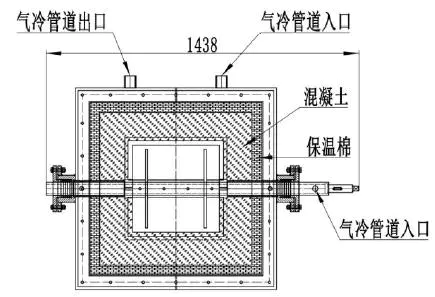
Design Validation
Through mechanical simulation, multi-condition torque & deformation testing: after optimization, the valve shaft bending deformation is minimal, driving torque is stable, overall air leakage is low, operation is stable, and service life is superior to traditional valves.
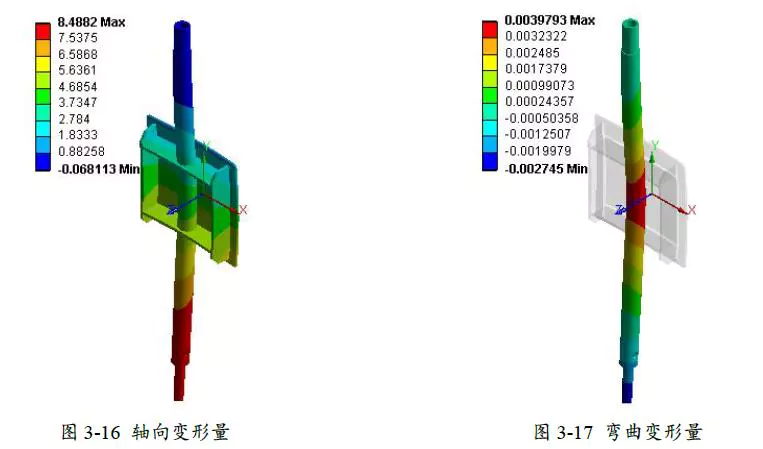
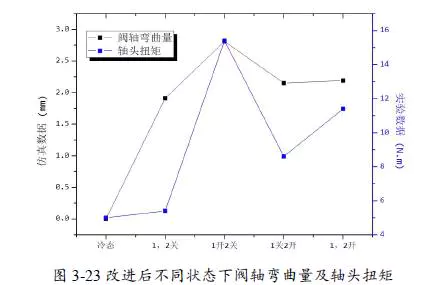
Core Function
Precisely distributes airflow to ensure stable RTO regenerative heat storage and release, improves exhaust gas purification efficiency, reduces equipment energy consumption and failure rates. It is the core and critical component of the rotary RTO system.
Waste Heat Recovery Systems
Ever-Power RTO systems recover up to 97% of thermal energy from exhaust gases, converting waste heat into valuable resources through four proven recovery methods — reducing your operating costs while maximizing environmental benefits.
Waste Heat Recovery Through Steam
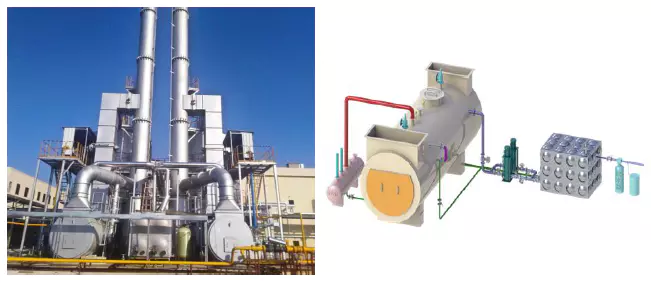
High-temperature exhaust gases pass through a waste heat boiler to generate saturated or superheated steam. Ideal for facilities with existing steam networks, process heating, or power generation via steam turbines.
- ✓ Steam pressure adjustable: 0.3–2.5 MPa
- ✓ Direct integration with plant steam system
- ✓ Suitable for chemical & pharmaceutical industries
Waste Heat Recovery Through Hot Water
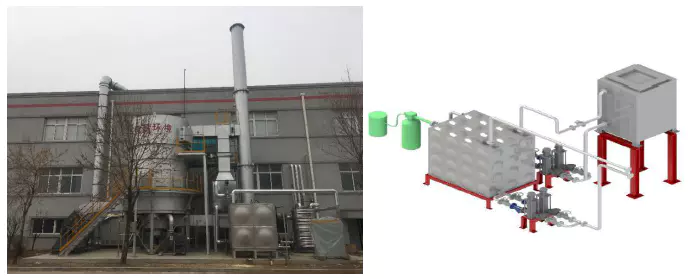
Exhaust heat is transferred to a closed-loop hot water system via shell-and-tube or plate heat exchangers. The recovered hot water serves space heating, domestic hot water, preheating processes, or absorption chillers.
- ✓ Water temperature: 60–95°C adjustable
- ✓ Low-pressure operation, high safety
- ✓ Ideal for HVAC and food processing
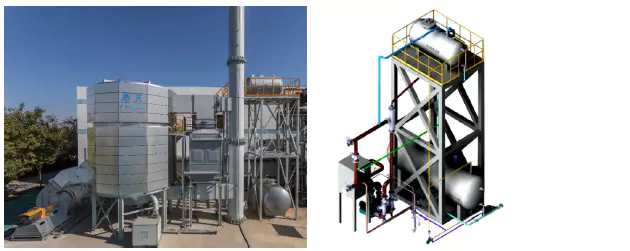
Waste Heat Recovery Through Thermal Oil
Thermal conduction oil (heat transfer fluid) absorbs high-grade waste heat at temperatures up to 300°C. The heated oil circulates to remote process equipment, providing precise temperature control for drying, curing, and chemical reactions.
- ✓ Oil temperature: 150–300°C range
- ✓ Closed-loop circulation, no contamination
- ✓ Perfect for coating, textile, and composite curing
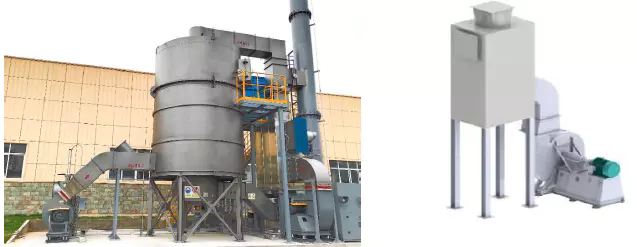
Waste Heat Recovery Through Hot Air
Clean hot air is extracted directly from the RTO exhaust stream via air-to-air heat exchangers. This recovered hot air can be ducted back to drying ovens, baking chambers, or combustion air preheaters — closing the thermal loop.
- ✓ Air temperature: 80–250°C range
- ✓ Direct recirculation, minimal heat loss
- ✓ Excellent for automotive painting and printing
Smart RTO Cloud Service System
Real-time remote monitoring, predictive maintenance alerts, and intelligent data analytics — all accessible from your desktop or mobile device, anywhere in the world.
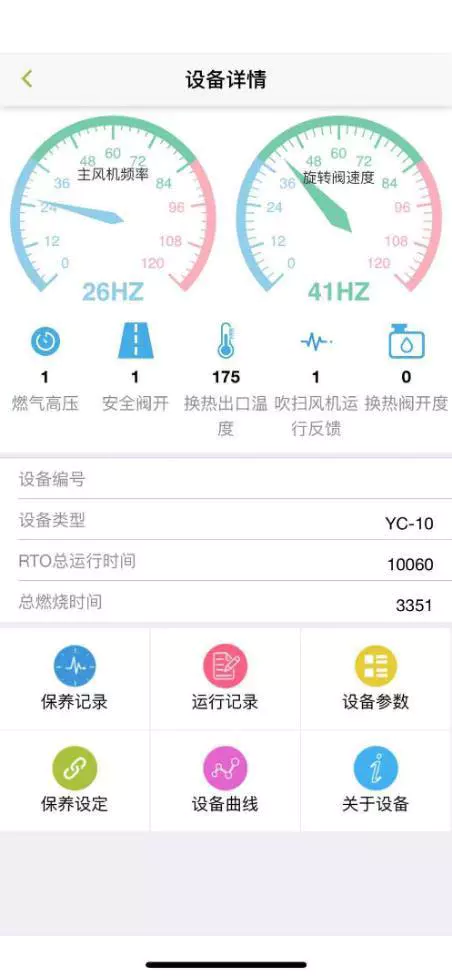
? Mobile App Features
- Real-time parameter monitoring
- Instant fault alerts & push notifications
- Historical data trends & reports
- Remote parameter adjustment
- Multi-level access control
?️ VOCs Treatment System Overview
System Online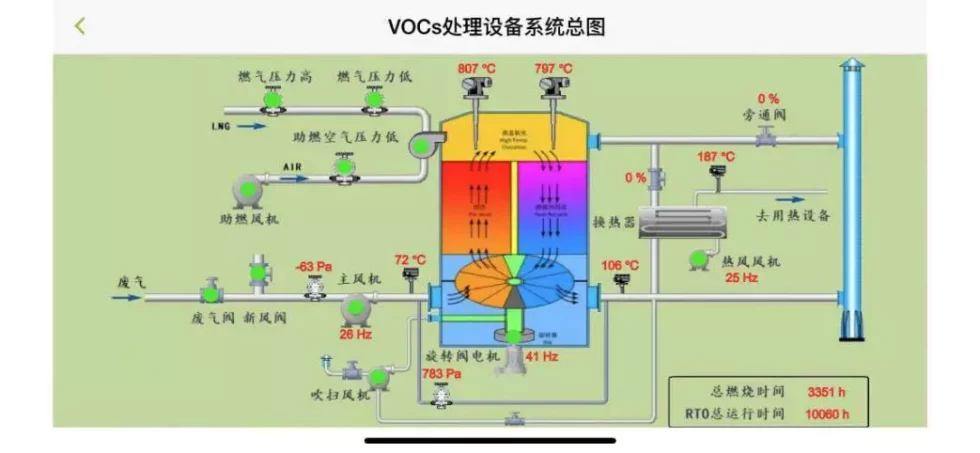
?️ Real-Time Outlet Temperature Curve
Last 24 Hours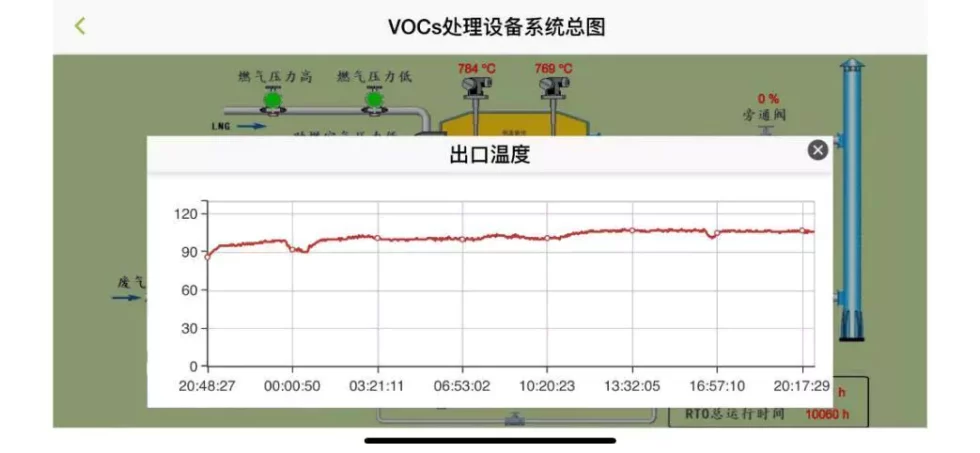
Cloud Data Storage
All operational data securely stored in the cloud with automatic backup and unlimited historical access.
AI Predictive Maintenance
Machine learning algorithms analyze patterns to predict failures before they occur, minimizing downtime.
Multi-Device Access
Monitor and control your RTO from PC, tablet, or smartphone with responsive web and native apps.
Auto Reporting
Generate compliance reports, emission logs, and efficiency summaries automatically on schedule.
RTO Project Signing Обзор
General situation of regenerative thermal oxidizer project signing (as of 2025)
Промышленность Distribution
Packaging & Printing
Including cigarette packs
Пленочное покрытие
Including PVC resin
Industrial Coating
Including mirror industry
Химическая промышленность
Various chemical processes
Asphalt Smoke
Road & construction
Other Industries
Diverse applications
Equipment Running Hours
8,000 hours
3,000 hours
online monitoring and operation
Returning Customer Data
RTO Application Cases
Ever-Power has delivered customized VOC treatment solutions across diverse industrial scenarios. Explore our proven case studies spanning whole-plant integration, high/low concentration streams, complex chemical waste, and specialized applications.
Whole Plant Solution
Integrated multi-unit RTO system for large-scale industrial facilities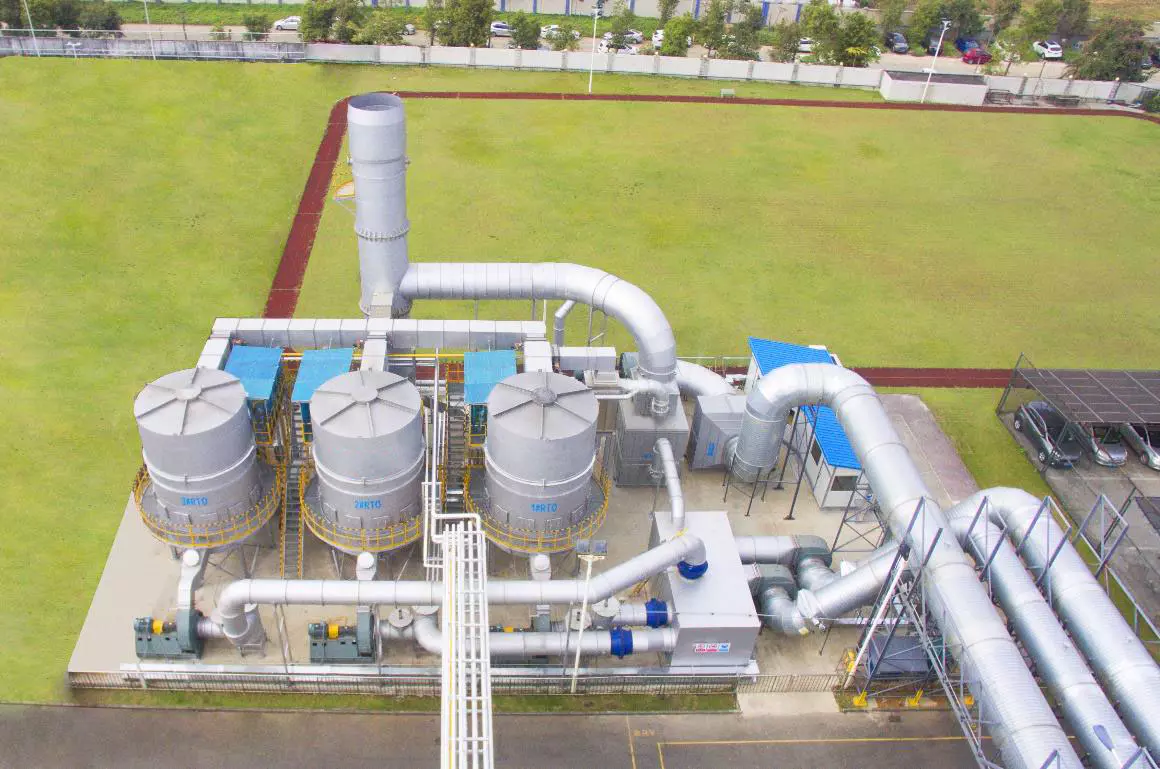
Equipment Configuration
- 3× 40,000 Nm³/h RTO units
- 100,000 Nm³/h Zeolite concentrator rotor
- 3× 6 t/h — 2.0 MPa steam boiler (waste heat recovery)
Solution Highlights
- Centralized treatment for entire plant emissions
- Zeolite rotor pre-concentration reduces RTO sizing
- Steam generation from waste heat offsets plant energy costs
- Modular design allows phased capacity expansion
Высококонцентрированный раствор отходящих газов
Engineered for VOC streams exceeding 5,000 mg/m³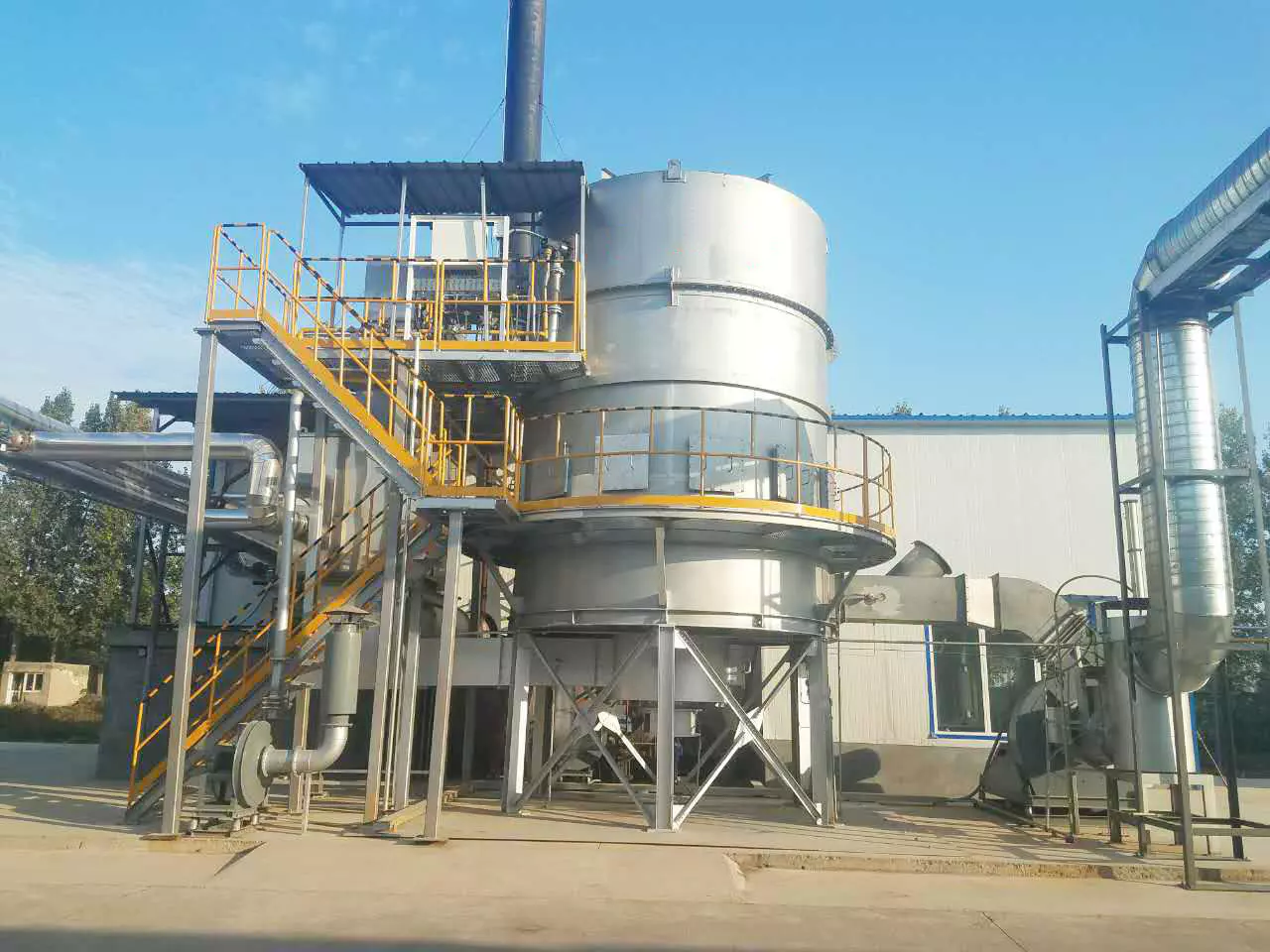
Equipment Configuration
- 30,000 Nm³/h RTO unit
- 6 t/h heat-conducting oil boiler (waste heat recovery)
| Project Parameter | Индекс |
|---|---|
| Inlet Concentration | 8,600 mg/m³ |
| Gas Volume | 30,000 Nm³/h |
| VOC Composition | Ethyl ester, Toluene |
| Purification Efficiency | 99.62% |
| Emission Limit | 28.8 mg/m³ |
Ключевые особенности
- High-concentration bypass valve for safety control
- Heat-conducting oil recovery at 150–300°C
- LEL monitoring with automatic dilution air injection
- 99.5%+ destruction efficiency maintained
Раствор низкой концентрации
Zeolite rotor concentration + RTO for dilute VOC streams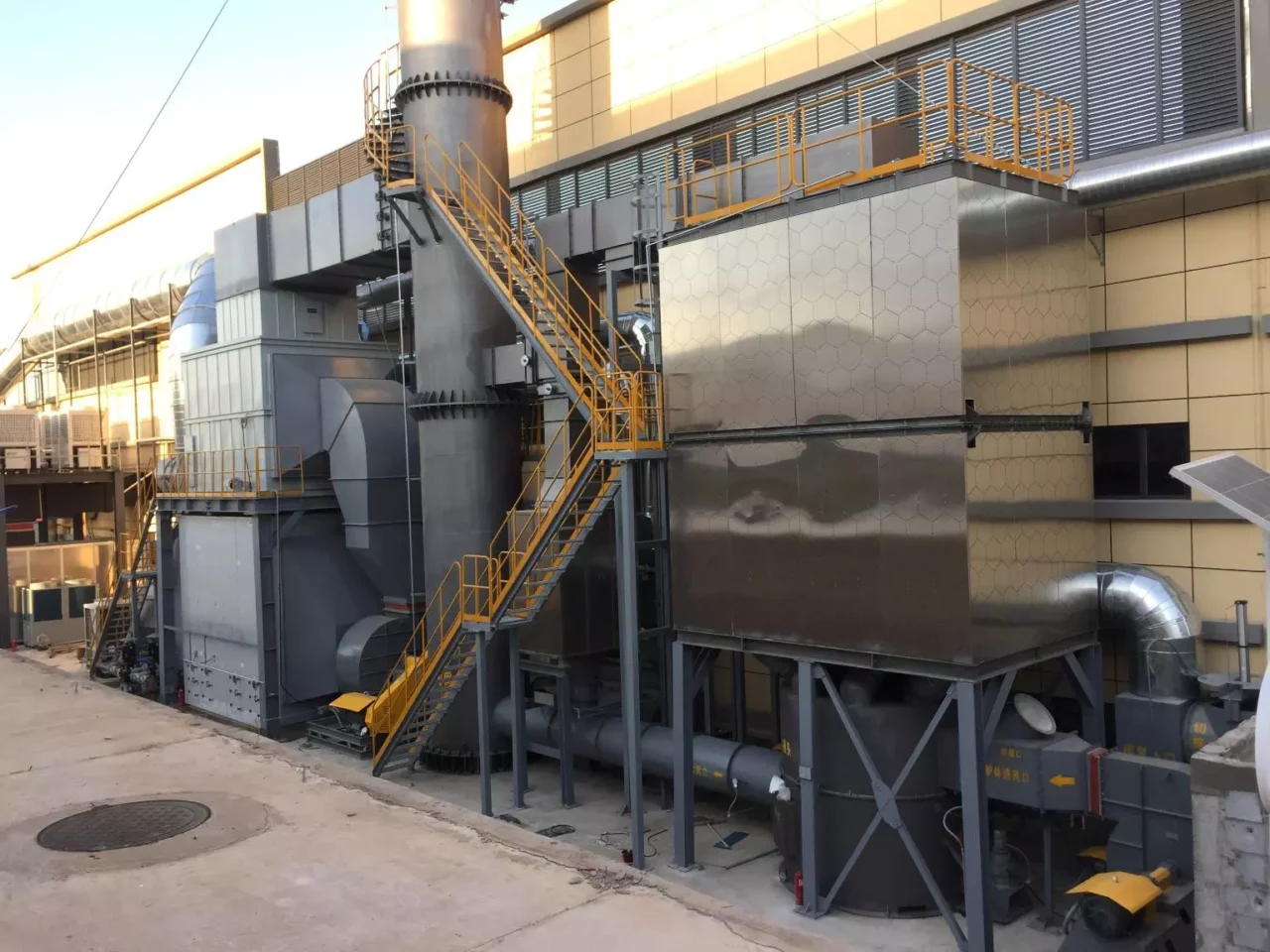
Equipment Configuration
- 10,000 Nm³/h RTO unit
- 80,000 Nm³/h Zeolite concentrator rotor
| Project Parameter | Индекс |
|---|---|
| Inlet Concentration | 620 mg/m³ |
| Gas Volume | 80,000 Nm³/h |
| VOC Composition | Xylene, Butyl acetate |
| Purification Efficiency | 96.1% |
| Emission Limit | 24.18 mg/m³ |
Ключевые особенности
- Zeolite rotor achieves 8:1 to 20:1 concentration ratio
- Reduced RTO fuel consumption by 60–80%
- Desorption air at 180–220°C for safe VOC release
- Compact footprint for space-limited facilities
Solutions for Complex Chemical Waste Gas
Multi-stage pretreatment for corrosive, toxic, and mixed VOC streams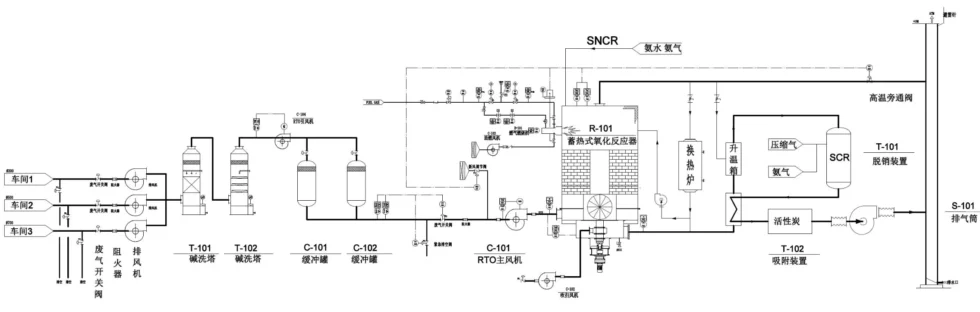
Waste Gas Characteristics
Газ из органических отходов: Алканы, олефины, алкины, ароматические альдегиды, кетоны, эфиры, сера/хлор/азотоорганические соединения
Сопутствующие компоненты: H₂S, SO₂/HCl, CO, NH₃
Challenge & Solution Matrix
| Трудности | Меры |
|---|---|
| Коррозионный газ | Alkaline washing, pickling, dehumidification; corrosion-resistant materials; anticorrosive coating |
| Концентрационный всплеск | Buffer tank, FTA concentration peak remote warning |
| Dioxin risk | Activated carbon adsorption pre-treatment |
| NOx formation | SNCR/SCR denitration system |
| Viscous polymer | Plate-type heat storage ceramic; 12 manholes for maintenance |
| Waste heat recovery | Hot air recovery system |
Process Composition
- Alkaline spray tower for acid gas neutralization
- Demister for moisture removal
- Buffer tank for surge protection
- RTO main oxidation chamber
- SNCR/SCR for NOx control
- Activated carbon guard bed
- Exhaust stack with online monitoring
Waste Gas Solution of the Sewage Tank
Specialized treatment for ammonia, HCl, and xylene from sewage treatment
Компоненты отходящих газов
- Ammonia, hydrogen chloride, xylene
- Ammonia content: 20%
- Lower explosion limit (LEL) of ammonia composite: 15%
Process Composition
- Spray tower + RTO + SCR
- 10,000 Nm³/h RTO unit
- 50,000 Nm³/h RTO unit
Ключевые особенности
- Chlorine and corrosion-resistant materials throughout
- NOx emission control via SCR catalyst
- Ammonia-compatible burner design
- Explosion-proof electrical systems
- Acid-resistant ceramic heat storage media
Thermal Energy Utilization Solutions
Maximizing waste heat recovery through multi-path energy conversion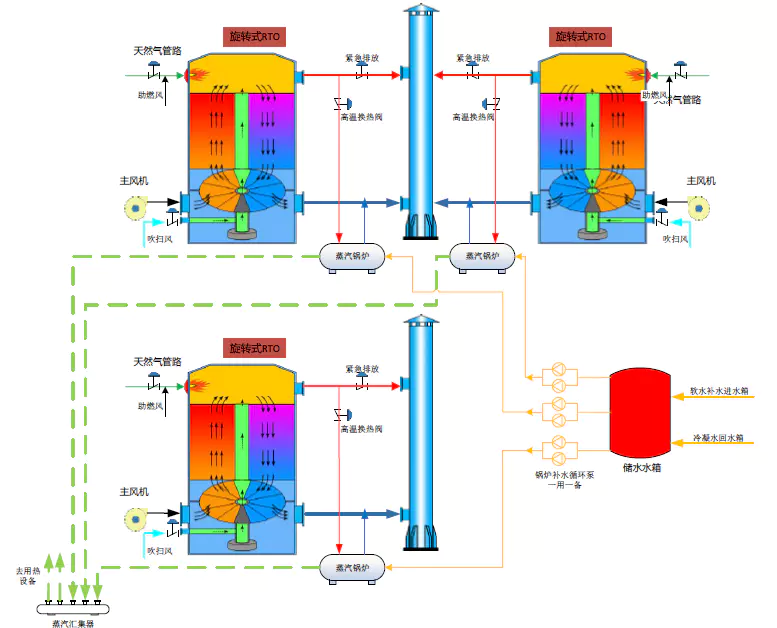
Equipment Configuration
- 3× 40,000 Nm³/h RTO units
- 3× 5 t/h — 2.0 MPa steam boiler
- 3,000 kW steam-type lithium bromide absorption chiller
Energy Recovery Paths
- Steam generation for process heating
- Hot water loop for facility HVAC
- Absorption chiller for summer cooling
- Overall thermal efficiency > 85%
- ROI payback within 2.5 years
Системная интеграция
Three parallel RTO units feed a centralized energy recovery station. Exhaust heat is cascaded through steam generation (high grade), hot water production (medium grade), and absorption cooling (low grade), achieving near-zero thermal waste.
Concentration Surge Solutions
Buffer and control systems for highly variable VOC loading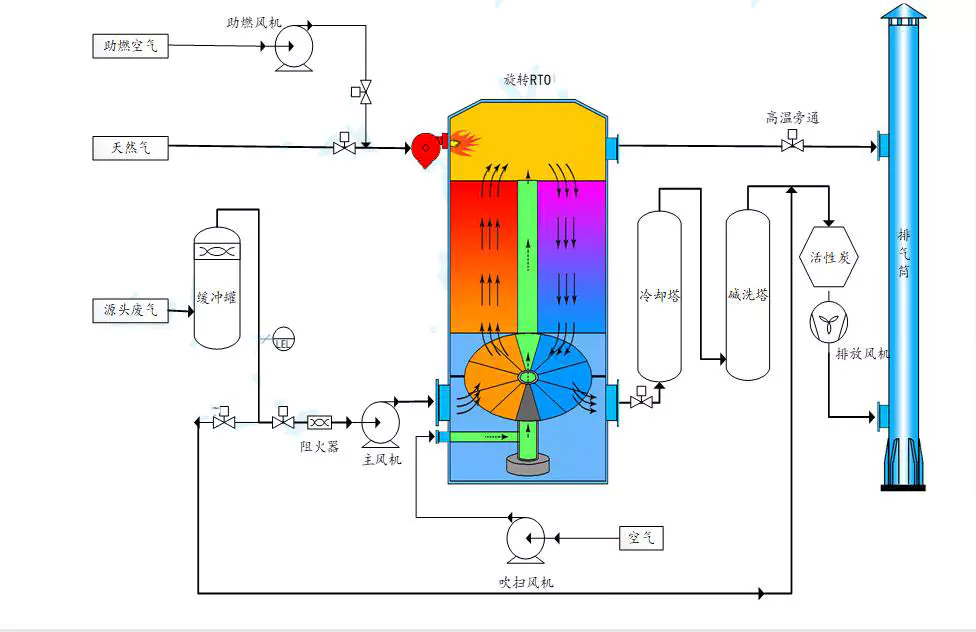
Challenge Characteristics
- Concentration surge events (10× normal peaks)
- Chlorine-containing corrosive compounds
- Amine-containing sticky residues
- VOC components: 3-methylpyridine, 3-cyanopyridine, methanol, toluene, ethanol, triethylamine, chloroform, short-chain fatty acids, aliphatic hydrocarbons, ammonia, trichloroethylene
Process Composition
- Concentration fluctuation pretreatment system
- RTO corrosion prevention coating
- Post-treatment for HCl and dioxin removal
- Buffer tank with 15-minute retention
- FTA (Flame Temperature Analyzer) peak remote warning
- Variable-frequency main blower
Surge Control Strategy
- Real-time LEL monitoring with 3-level alarm
- Automatic dilution air injection at 25% LEL
- Buffer tank dampens concentration spikes
- Variable blower speed matches inlet flow
- Corrosion-resistant ceramic media (12 manholes for cleaning)
- Post-SCR for NOx and activated carbon for dioxin
Решение для удаления асфальтового дыма
High-boiling point lipid aerosol and dust treatment for asphalt plants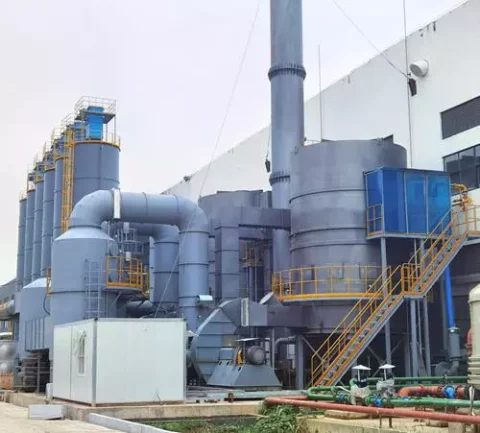
Equipment Configuration
- 2× 40,000 Nm³/h RTO units
- Waste gas pipeline with heat tracing
- Pretreatment system (cyclone + screen filter)
Waste Gas Characteristics
- High boiling point lipid aerosols
- Fine dust particles (PM10/PM2.5)
- Sticky tar residues
- High moisture content
Specialized Features
- Pipe heat tracing prevents tar condensation
- Oil drain system for tar collection
- Fire fighting system with CO₂ suppression
- Cyclone filter for coarse dust removal
- Screen filter for fine particulate
- Quick-replacement bottom heat storage ceramic (tar-resistant design)
RTO Часто задаваемые вопросы
Common questions from potential customers about regenerative thermal oxidizer systems
What is a regenerative thermal oxidizer (RTO) and how does it work?
A regenerative thermal oxidizer (RTO) is an industrial air pollution control device that destroys volatile organic compounds (VOCs), hazardous air pollutants (HAPs), and odors through high-temperature combustion. The system uses ceramic heat exchange media to preheat incoming polluted air before it enters the combustion chamber.
The process works by passing exhaust gases through heated ceramic beds, raising the temperature to 760°C - 820°C (1,400°F - 1,510°F), where VOCs are oxidized into harmless CO₂ and H₂O. The regenerative design recovers up to 95% of thermal energy, making it one of the most efficient oxidation technologies available.
What is the difference between 3-bed RTO and rotary RTO?
3-Bed RTO uses three separate ceramic chambers with switching valves that alternate airflow direction. While effective, it suffers from high exhaust temperatures, higher energy consumption, and the switching valve operates approximately 520,000 times per year, leading to shorter service life.
Роторный RTO uses a continuous rotating distribution valve with multiple sectors (typically 12 chambers). It maintains exhaust temperatures below 80°C, offers lower energy consumption, reduced operating costs, and the rotary valve operates continuously without switching — resulting in significantly longer service life and superior reliability.
What is the typical operating temperature range for an RTO system?
The standard operating temperature for RTO systems ranges from 760°C to 820°C (1,400°F to 1,510°F). This temperature range ensures complete oxidation of most VOCs and HAPs while maintaining optimal thermal efficiency.
For applications requiring maximum destruction efficiency or handling particularly resistant compounds, the temperature can be increased up to 1,100°C (2,010°F). The residence time is typically maintained at > 5 seconds to ensure complete combustion.
What types of exhaust gases can an RTO treat effectively?
RTO systems are highly versatile and can treat a wide range of exhaust gases containing volatile organic compounds (VOCs), hazardous air pollutants (HAPs), and odorous compounds. Common applications include:
Packaging & printing (solvents, inks), film coating (adhesives, resins), industrial coating (paints, varnishes), chemical processing (organic vapors), asphalt production (hydrocarbon emissions), and petrochemical operations.
RTO is ideal for VOC concentrations ranging from low to high levels up to 10 g/m³. The system can handle air flow rates from 2.4 to 240 standard cubic meters per second, making it suitable for both small and large-scale industrial operations.
How do I choose the right RTO size and configuration for my facility?
Selecting the right RTO requires analysis of several key parameters: exhaust gas flow rate, VOC concentration and composition, required destruction efficiency, available space, and operational requirements.
Our engineering team evaluates your specific application including gas volume (CFM or m³/h), contaminant types, temperature requirements, and regulatory compliance needs. We provide customized solutions ranging from compact units for small operations to large multi-chamber systems for heavy industrial applications.
What is the thermal efficiency of your RTO systems?
Our rotary RTO systems achieve up to 95% thermal efficiency through advanced regenerative heat exchange technology. The ceramic heat exchanger media can be designed for thermal efficiency of up to 97+%, minimizing fuel consumption and operating costs.
VOC destruction efficiency reaches 99.5% or higher, ensuring full compliance with environmental regulations. The combination of high thermal efficiency and destruction efficiency delivers the lowest life-cycle cost compared to other thermal oxidizer technologies.
What is the expected service life of an RTO system and its core components?
Our rotary RTO systems are designed for long-term reliable operation. With over 483 sets successfully running in the field, we have documented performance data showing exceptional durability.
268 sets have accumulated more than 8,000 operating hours, and 358 sets have exceeded 3,000 hours. The rotary distribution valve — the core component — features advanced sealing technology and forced air cooling that extends service life far beyond traditional switching valve designs.
Regular maintenance includes ceramic media inspection, seal replacement, and burner calibration. With proper maintenance, the overall system lifespan exceeds 20 years.
Do you provide installation, commissioning, and after-sales support?
Yes, we provide comprehensive turnkey solutions including system design, manufacturing, installation supervision, commissioning, operator training, and long-term after-sales support. Our technical team has extensive experience with 600+ contracted projects across diverse industries.
We offer online monitoring systems for real-time performance tracking, preventive maintenance programs, and rapid response technical support. 107 sets are currently under our online monitoring and operation service, ensuring optimal performance and minimal downtime.
Our customer return rate demonstrates our service quality: 24 customers have purchased 3+ sets, 62 customers have purchased 2 sets, and 68 customers have entrusted us with their entire plant's environmental solution.
What is the typical payback period for an RTO investment?
The payback period for an RTO system typically ranges from 2 to 5 years, depending on factors such as VOC concentration, operating hours, energy costs, and regulatory compliance requirements.
High VOC concentrations can actually generate excess heat that can be recovered for process heating or other facility uses, further improving the return on investment. Our rotary RTO's superior thermal efficiency (up to 97%) significantly reduces fuel costs compared to conventional thermal oxidizers.
Additionally, avoiding regulatory penalties and maintaining continuous production without shutdowns for compliance issues provides substantial indirect cost savings.
Still Have Questions?
Our RTO engineering team is ready to answer your specific technical questions and provide a customized solution for your facility.
Contact Our Engineers →Одной из наиболее широко распространенных технологий контроля загрязнения воздуха в промышленности сегодня является система регенеративного термического окислителя, широко известная как RTO. В RTO используется керамический слой, нагретый после предыдущего цикла окисления, для предварительного нагрева входящих газов с целью их частичного окисления. Предварительно нагретый газ поступает в камеру сгорания, которая нагревается внешним источником топлива для достижения целевой температуры окисления между 760°C (1 400 °F) и 820°C (1 510 °F). В случаях, когда требуется максимальное повреждение, конечная температура может достигать 1100 °C (2 010 °F). Поток воздуха варьируется от 2,4 до 240 стандартных кубических метров в секунду.
RTO (регенеративный термический окислитель) является универсальным и высокоэффективным - до 95% термической эффективности. Они часто используются для снижения концентрации растворителей, паров, запахов и т.д. во всех сферах жизни. Регенеративные термические окислители RTO идеально подходят для диапазона низких и высоких концентраций ЛОС - до 10 г/м3 растворителей. Сегодня на рынке представлено множество типов регенеративных термических окислителей, эффективность окисления или уничтожения летучих органических соединений (ЛОС) которых составляет 99,5+%. Керамический теплообменник в башне может быть рассчитан на тепловую эффективность до 97+%.
Роторный RTO Регенеративный термический окислитель
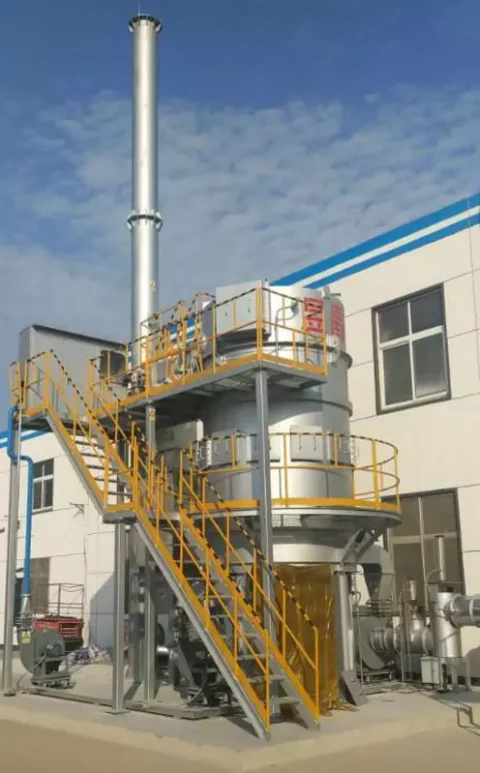
Toptank роторный RTO высокого класса продукты достигли передового мирового уровня технологии продукта, с высоким качеством для пользователей рынка более высокого класса выбор, чтобы помочь больше предприятий, чтобы успешно встать на путь зеленого развития, для достижения экономического развития и охраны окружающей среды беспроигрышная ситуация.
Роторный регенеративный термический окислитель Характеристики
- Стабильность высшего качества: комплектация из лучших покупных деталей, выбор супер износостойких антивозрастных фторсиликоновых уплотнительных материалов;
- Отличная изоляция и энергосбережение: вакуумная структура изоляции оболочки, уменьшение конвективной теплоотдачи, эффект энергосбережения увеличился на 3%;
- Супербезопасность работы: лучшие компоненты безопасности, программное обеспечение управления безопасностью с искусственным интеллектом, способным к обучению и прогнозированию отказов;
- Удобное взаимодействие с сетью: мобильное приложение APP в режиме реального времени осуществляет онлайн-мониторинг облака, дружественная функция взаимодействия с данными сети;
- Эстетический дизайн The Times: будущий промышленный облик, передовой процесс антикоррозийной и антикоррозийной обработки поверхности.
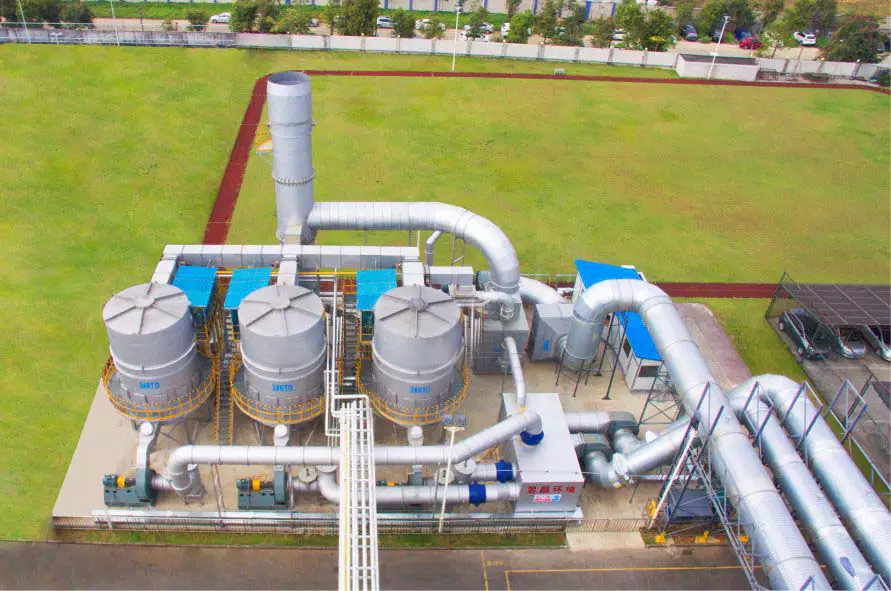
Системы RTO уничтожают летучие органические соединения в промышленных отходах, чтобы уменьшить загрязнение воздуха.
Что такое регенеративный термический окислитель?
Регенеративный термооксид (РТО) - это устройство для сжигания, которое контролирует летучие органические соединения (ЛОС), опасные загрязнители воздуха (ОЗВ) и запахи путем преобразования выбросов в (деструктивные) выбросы и использования тепла для преобразования выбросов в CO2 и H2O с последующим их выбросом в атмосферу. RTO может достигать тепловой эффективности до 97% и эффективности разрушения более 99%.
Окислитель RTO считается одной из самых передовых систем термического окисления в мире. По сравнению с другими термическими окислителями, регенеративные термические окислители (RTOS) имеют термическую эффективность до 97%, а эффективность разрушения может превышать 99%, что обеспечит вам самую высокую степень удаления при самой низкой стоимости жизненного цикла. - В сочетании с лучшими в отрасли конструкциями и особенностями дизайна все это обеспечивает превосходную производительность, значительное снижение эксплуатационных расходов и лучшую в отрасли надежность.
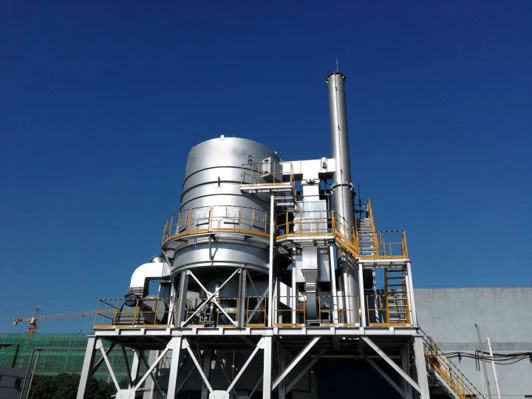
Как работает регенеративный термический окислитель?
- Регенеративные термические окислители (RTOS) работают, прогоняя воздух с загрязняющими веществами через пероксид, обычно с помощью системного вентилятора.
- Поток воздуха через RTO регулируется клапаном, который направляет воздушный поток в один из двух теплообменников (камера, содержащая керамический диэлектрический слой).
- В качестве теплообменников в RTO должно быть не менее двух керамических диэлектрических слоев (седла и/или структурированные диэлектрические блоки). Когда загрязненный воздух проходит через первый слой среды, он поглощает тепло от горячей керамической среды и затем поступает в камеру сгорания.
- В камере сгорания загрязненный воздух поддерживается при определенной температуре (> 1500°F) и определенном времени пребывания (> 5 секунд). В результате ЛОС и ЛВП окисляются в углекислый газ и водяной пар.
- Горячий и чистый воздух выходит из камеры сгорания и попадает во второй слой керамической среды, где поглощает тепло для повторного использования.
- Охлажденный чистый воздух затем выбрасывается в атмосферу.
Каждые несколько минут клапан меняет направление потока, тем самым меняя его на противоположное, так что теплообмен происходит попеременно между двумя слоями керамической среды. Именно поэтому регенеративные термические окислители (RTO) отличаются высокой эффективностью использования топлива и низкими эксплуатационными расходами, что делает их идеальной системой снижения содержания летучих органических соединений.
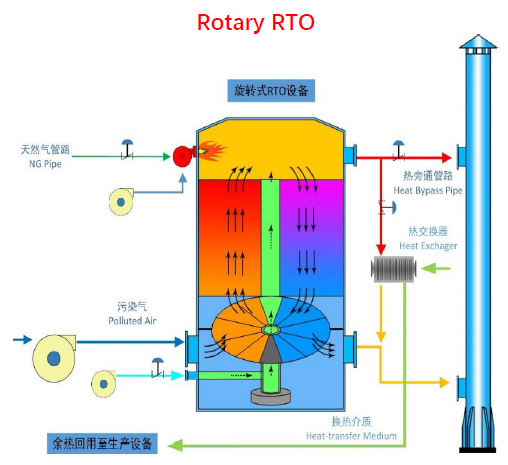
Принцип работы регенеративного термического окислителя RTO
Технологическая схема регенеративного термического окислителя
Конструкция роторных регенеративных термических окислителей RTO
12 теплоаккумулирующих упакованных кроватей распределены по кругу и работают попеременно, 5 впускают и 5 выпускают, 1 продувка и 1 изоляция
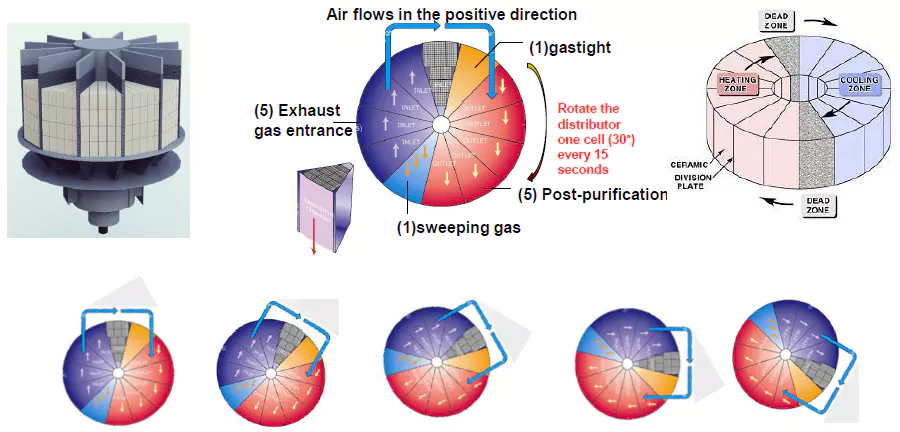
Схема регенеративного термического окислителя
Типы RTO
Таблица сравнения производительности различных типов RTO | ||||
| Тип | 2-Beds RTO | 3-Beds RTO | Роторный RTO | Ремарка |
| Технология итераций | Первое поколение | Второе поколение | Третье поколение | |
| Количество регенераторов | 2 | 3 | 12 | |
| Эффективность очистки | 95% | 99% | 99.5% | |
| Тепловая эффективность | 90% | 95% | 97.0% | Разница температур между входом и выходом≤30℃ |
| Оккупация земли | 100% | 130% | 65% | Возьмите за эталон 2-местный RTO |
Технические итерации RTO
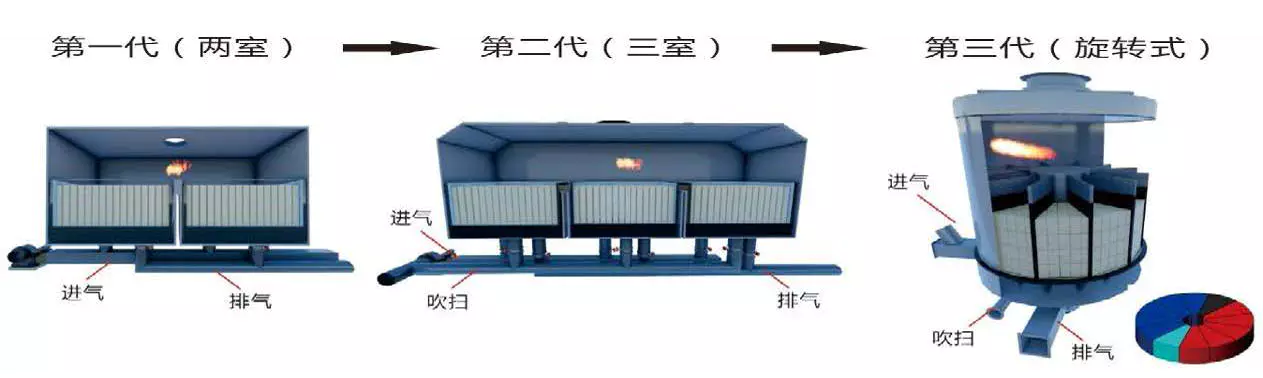
Первое поколение2-спальная кровать)
Температура 120℃
Среднее потребление энергии
Эффективность очистки 95%
Охрана окружающей среды не соответствует стандарту, поэтому устраняется
Второе поколение (3-спальные кровати)
Температура 100℃
Среднее потребление энергии
Эффективность очистки 99%
Соответствует стандарту защиты окружающей среды
Третье поколение (роторный RTO)
Температура 60℃
Низкое потребление энергии
Эффективность очистки 99,5%
Соответствует стандарту защиты окружающей среды
Структура Rotary RTO
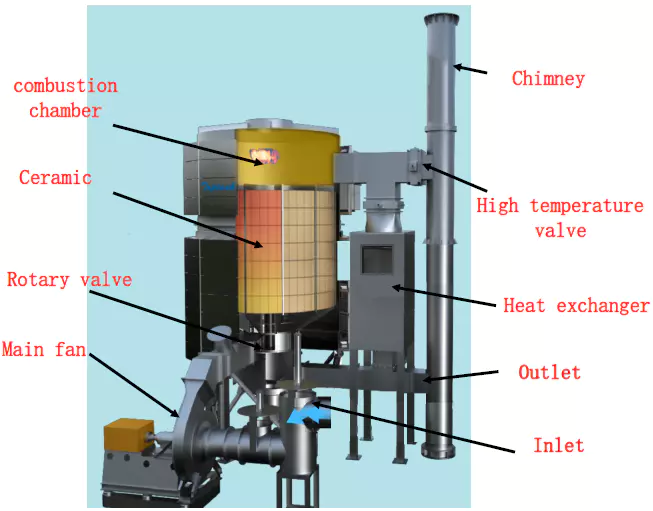
Роторный ДТО состоит из камеры сгорания, регенеративной камеры и поворотного клапана.
Корпус печи разделен на 12 камер: 5 входных камер, 5 выходных камер, 1 камера очистки и одна изоляционная камера.
Поворотный клапан приводится в движение двигателем для непрерывного и равномерного вращения. Под вращающимся клапаном выхлопные газы медленно и непрерывно переключаются между 12 камерами. Его основная структура показана на рисунке справа.
Как правило, чем больше регенеративных камер, тем выше эффективность очистки и тепловая эффективность. С развитием технологий появилось третье поколение RTO, а именно роторные RTO.
Он имеет 12 кольцевых регенераторов и обладает такими преимуществами, как компактная структура, малая площадь теплоотдачи, низкое энергопотребление, высокая тепловая эффективность, эффективность очистки может достигать 99,5%.
 RU
RU  EN
EN  ZH
ZH  ES
ES  AR
AR  ID
ID  PT
PT  FR
FR  JA
JA  DE
DE  MS
MS  CS
CS  BG
BG  NL
NL  KO
KO  RO
RO  SK
SK  TH
TH  VI
VI  ZH_TW
ZH_TW  UK
UK