by rtoadmin | Oct 20, 2026 | Regenerative Thermal Oxidizer Blog
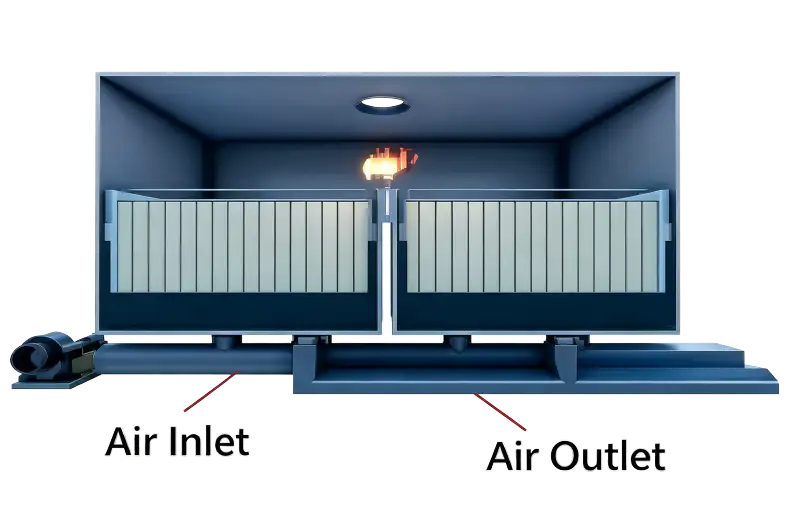
Quick answer: Compare 2-bed and 3-bed RTO systems by how they manage switching transients, purge flow, leakage, pressure drop, controls, maintenance, and the required emission limit. Chamber count is a design choice, not a stand-alone performance guarantee. The phrase... 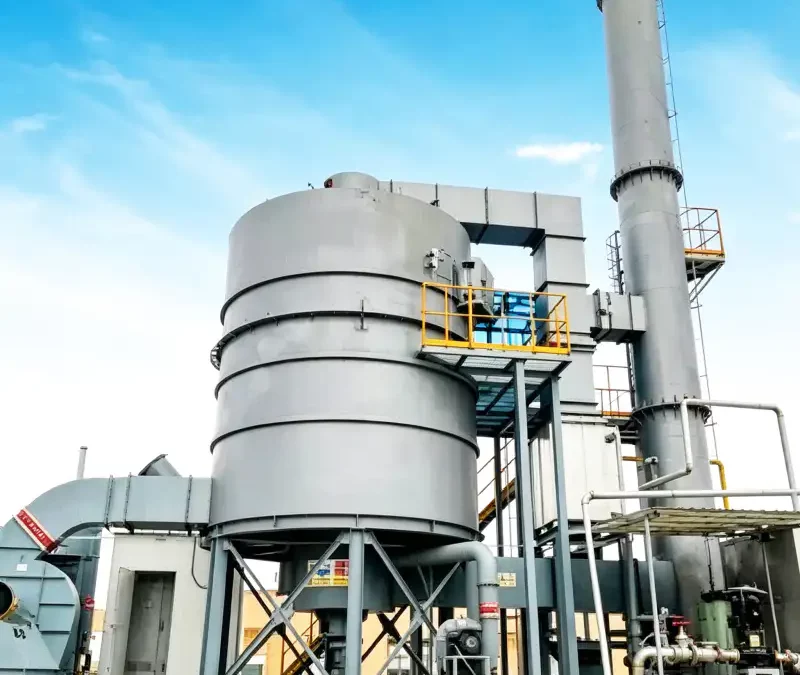
by rtoadmin | Oct 20, 2026 | Regenerative Thermal Oxidizer Blog
Quick answer: Choose between rotary and bed RTO configurations by matching the switching method and regenerative-media arrangement to the actual exhaust envelope, maintenance access, footprint, pressure drop, and emission-control requirements. Neither architecture is... 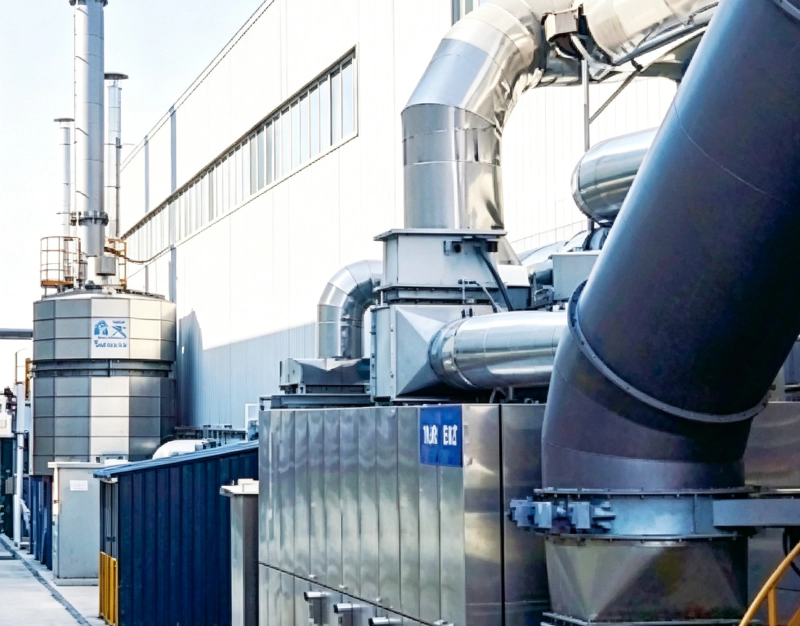
by rtoadmin | Oct 20, 2026 | RTO with Heat Recovery Blog
Quick answer: An RTO recovers heat by alternately heating and cooling regenerative media, usually ceramic, as exhaust flow is switched through the beds. Buyers should evaluate the operating envelope, media condition, airflow, switching arrangement, and monitoring plan... by rtoadmin | Nov 25, 2024 | RTO for waterproof coil industry Blog
RTO for Waterproof Coil Industry Material Selection RTO for Waterproof Coil Industry Material Selection Introduction In the waterproof coil industry, the selection of materials for Regenerative Thermal Oxidizers (RTO) is crucial for ensuring optimal performance and... by rtoadmin | Nov 25, 2024 | RTO for waterproof coil industry Blog
RTO for Waterproof Coil Industry Airflow Management Introduction In this blog post, we will discuss the importance of Regenerative Thermal Oxidizers (RTO) in airflow management for the waterproof coil industry. RTO plays a crucial role in maintaining a clean and...
 EN
 ZH
 ES
 AR
 ID
 PT
 FR
 JA
 RU
 DE
 MS
 CS
 BG
 NL
 KO
 RO
 SK
 TH
 VI
 ZH_TW
 UK