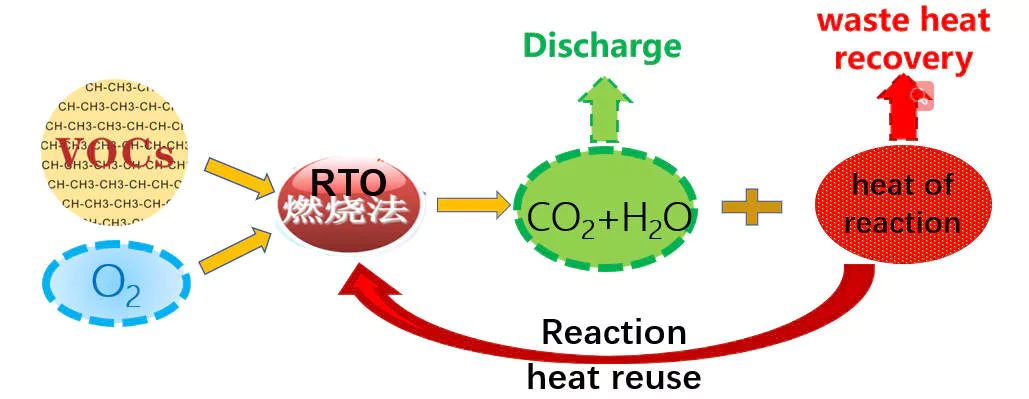
by rtoadmin | Oct 20, 2026 | RTO with Heat Recovery Blog
Quick answer: Rising RTO fuel consumption is usually a heat-balance symptom, not proof of a burner fault. Compare airflow, VOC load, inlet temperature, startup frequency, leakage or dilution, media pressure drop, switching condition, sensor accuracy, and production... 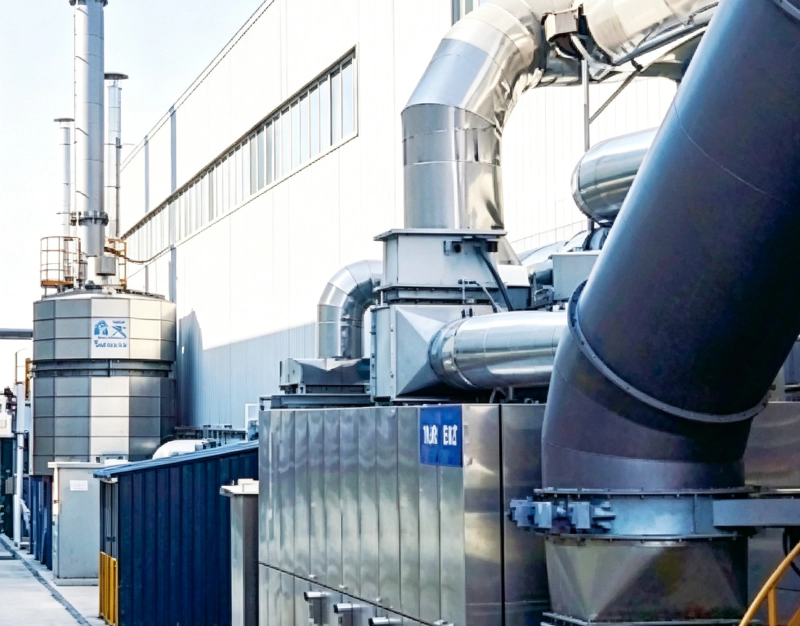
by rtoadmin | Oct 20, 2026 | RTO with Heat Recovery Blog
Quick answer: An RTO recovers heat by alternately heating and cooling regenerative media, usually ceramic, as exhaust flow is switched through the beds. Buyers should evaluate the operating envelope, media condition, airflow, switching arrangement, and monitoring plan... by rtoadmin | Nov 22, 2024 | RTO with Heat Recovery Blog
RTO with Heat Recovery Feasibility Study In this blog post, we will explore the feasibility study of implementing a Regenerative Thermal Oxidizer (RTO) with heat recovery. This study aims to assess the viability and potential benefits of using RTO technology with heat... by rtoadmin | Nov 22, 2024 | RTO with Heat Recovery Blog
RTO with Heat Recovery Monitoring Introduction Regenerative Thermal Oxidizers (RTOs) with heat recovery monitoring are an essential component in industrial air pollution control systems. They efficiently remove volatile organic compounds (VOCs) and hazardous air... by rtoadmin | Nov 22, 2024 | RTO with Heat Recovery Blog
RTO with Heat Recovery Material Selection Regenerative Thermal Oxidizer (RTO) with heat recovery is a popular solution for air pollution control. With the increasing demand for energy efficiency, the selection of the appropriate heat recovery material plays a crucial... by rtoadmin | Nov 22, 2024 | RTO with Heat Recovery Blog
RTO with heat recovery supplier selection RTO with heat recovery supplier selection Introduction In the field of industrial air pollution control, the selection of a suitable RTO (Regenerative Thermal Oxidizer) with heat recovery supplier is crucial. This article aims...
 EN
 ZH
 ES
 AR
 ID
 PT
 FR
 JA
 RU
 DE
 MS
 CS
 BG
 NL
 KO
 RO
 SK
 TH
 VI
 ZH_TW
 UK