執筆者 ルート管理者 | 10月 20, 2026 | 再生熱酸化装置ブログ
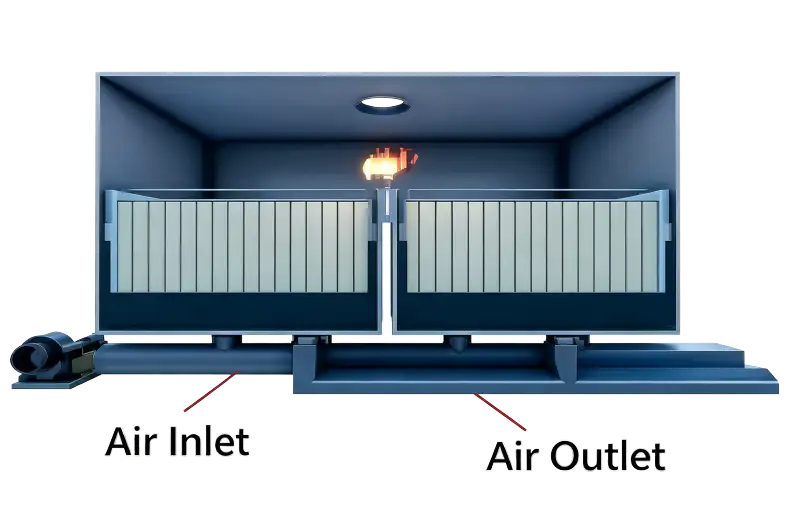
Quick answer: Compare 2-bed and 3-bed RTO systems by how they manage switching transients, purge flow, leakage, pressure drop, controls, maintenance, and the required emission limit. Chamber count is a design choice, not a stand-alone performance guarantee. The phrase... 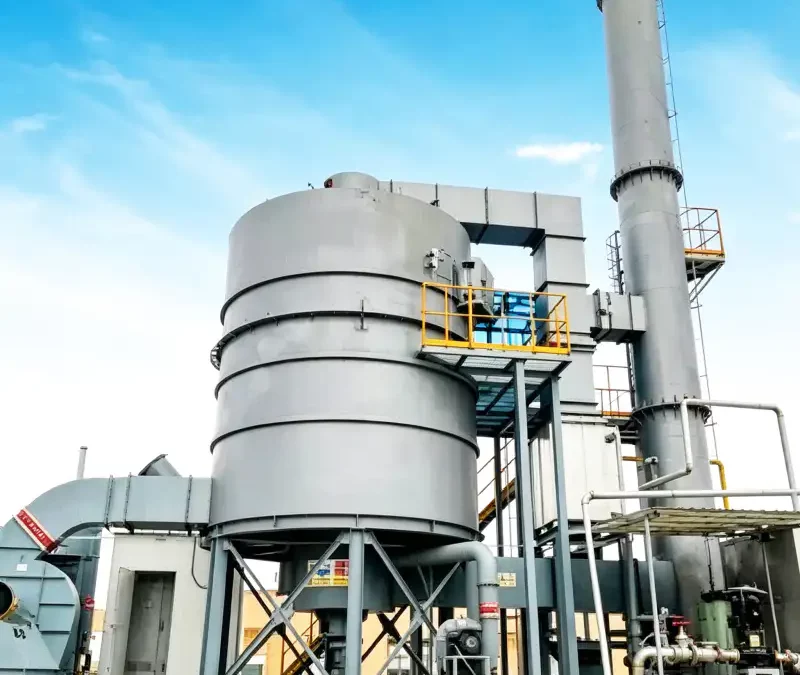
執筆者 ルート管理者 | 10月 20, 2026 | 再生熱酸化装置ブログ
Quick answer: Choose between rotary and bed RTO configurations by matching the switching method and regenerative-media arrangement to the actual exhaust envelope, maintenance access, footprint, pressure drop, and emission-control requirements. Neither architecture is... 
執筆者 ルート管理者 | 10月 20, 2026 | 熱回収機能付き RTO ブログ
Quick answer: An RTO recovers heat by alternately heating and cooling regenerative media, usually ceramic, as exhaust flow is switched through the beds. Buyers should evaluate the operating envelope, media condition, airflow, switching arrangement, and monitoring plan... 執筆者 ルート管理者 | 2024年11月25日 | 防水コイル業界向けRTO ブログ
防水コイル業界向け RTO 材料選択 防水コイル業界向け RTO 材料選択 概要 防水コイル業界では、再生熱酸化装置 (RTO) の材料選択は、最適なパフォーマンスと安全性を確保するために重要です。 執筆者 ルート管理者 | 2024年11月25日 | 防水コイル業界向けRTO ブログ
防水コイル業界の気流管理におけるRTO(蓄熱式酸化装置) はじめに このブログ記事では、防水コイル業界における気流管理における蓄熱式酸化装置(RTO)の重要性について説明します。RTOは、クリーンで安全な環境を維持する上で重要な役割を果たします。
 JA
 EN
 ZH
 ES
 AR
 ID
 PT
 FR
 RU
 DE
 MS
 CS
 BG
 NL
 KO
 RO
 SK
 TH
 VI
 ZH_TW
 UK