
NOx Gas Treatment Solutions
Nitric Oxide (NO)
Nitrogen Dioxide (NO₂)
N₂O, N₂O₃
Other Nitrogen Oxides
Advanced DeNOx Systems
Ensure strict environmental compliance and significantly reduce Nitrogen Oxides (NOx) emissions with our industry-leading SCR and SNCR denitrification technologies.
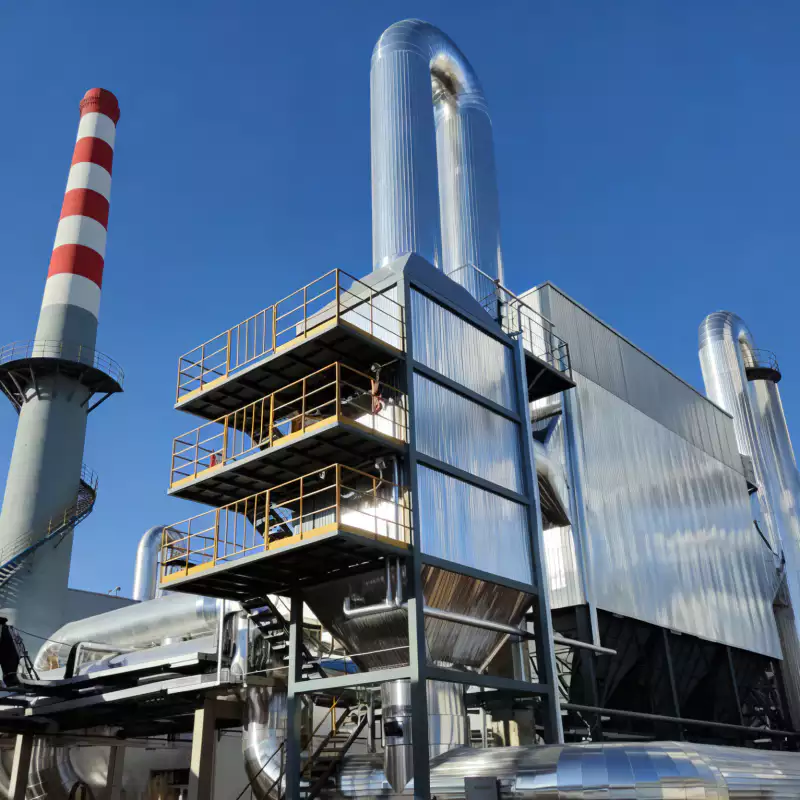
SCR Denitrification System
Selective Catalytic Reduction (SCR) technology uses an advanced catalyst to achieve ultra-high NOx removal efficiency at lower operating temperatures. Ideal for strict emission limits and complex industrial exhaust environments.
Explore SCR Technology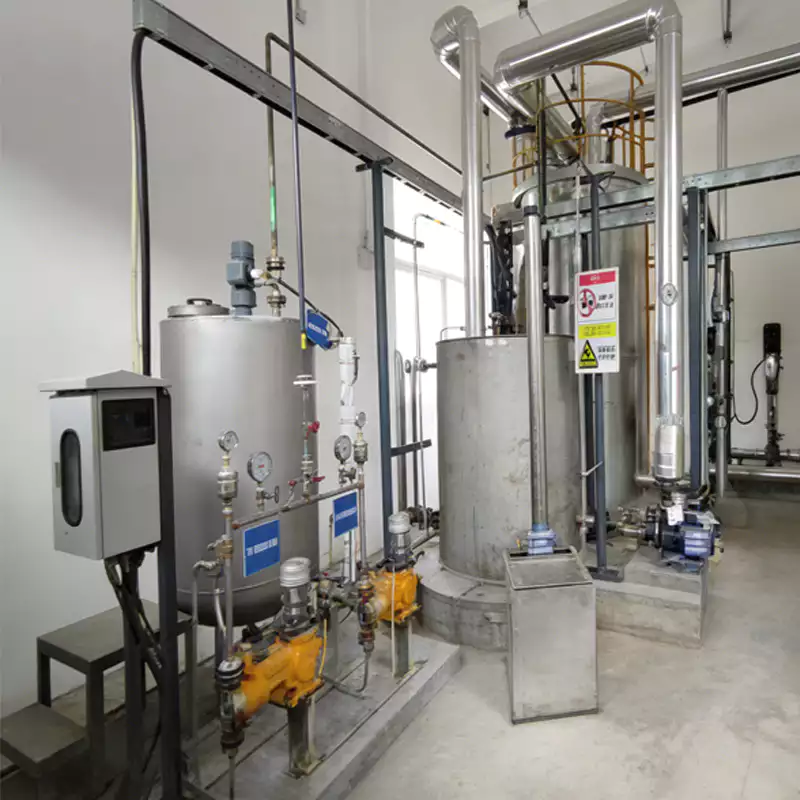
SNCR Denitrification System
Selective Non-Catalytic Reduction (SNCR) operates at higher temperatures without requiring a catalyst bed. It offers a highly cost-effective and low-maintenance NOx reduction solution, perfect for boilers and incinerators.
Explore SNCR Technology
Efficient NOₓ Reduction for Cleaner Air
Nitrogen oxides (NOₓ) are major air pollutants that contribute to smog, acid rain, and respiratory illnesses—posing serious risks to both the environment and public health. As global emissions regulations tighten—from China’s GB standards to the EU’s Industrial Emissions Directive and U.S. EPA requirements—industries face growing pressure to implement effective NOₓ control.
Ever-power’s NOx Gas Treatment Solution delivers unmatched value by combining high destruction efficiency (99%) with economic viability, priced at 35% of Western competitors like Dürr or Eisenmann, while offering superior performance in NOx reduction through advanced rotary RTO design. This system not only meets stringent regulations (e.g., US EPA 40 CFR Part 60, China GB 16297-1996) but also reduces operating costs by 70% via 95% heat recovery, making it ideal for high-VOC industries. Clients benefit from custom engineering, ensuring seamless integration with existing exhaust systems, and long-term reliability with minimal downtime (less than 1% annually).
What is NOx?
NOₓ (nitrogen oxides) is a collective term primarily referring to **nitric oxide **(NO) and **nitrogen dioxide **(NO₂)—two harmful gases formed during high-temperature combustion. Trace amounts of other nitrogen oxides (e.g., N₂O, N₂O₃) may also be present.
Sources
- High-temperature combustion processes: power plant boilers, industrial furnaces, internal combustion engines
- Chemical manufacturing: nitric acid production, explosives synthesis
- DeNOx System
- Selective Non-Catalytic Reduction
- Small and medium-sized coal-fired, gas-fired and oil-fired boilers
- Small units in thermal power plants and industrial boilers
- Projects with low denitrification efficiency requirements
- Selective Catalytic Reduction
- Large utility boilers
- Cement kilns, glass furnaces, coking
- Projects with ultra-low emission and strict compliance requirements
Environmental Impact
NOₓ is a key precursor to **ground-level ozone **(smog) and **fine particulate matter **(PM2.5), both major contributors to urban air pollution. It also reacts with moisture in the atmosphere to form nitric acid, a primary component of acid rain that damages forests, soils, and aquatic ecosystems.
Health Risks
Exposure to NOₓ can cause immediate irritation of the eyes, nose, and throat. Long-term exposure is linked to reduced lung function, aggravated asthma, bronchitis, and other chronic respiratory diseases—especially in children and the elderly.
Regulatory Pressure
Governments worldwide enforce strict NOₓ limits:
- China: GB 13223 (Emission Standard for Air Pollutants from Thermal Power Plants)
- EU: Industrial Emissions Directive (IED) requiring Best Available Techniques (BAT)
- USA: EPA regulations under the Clean Air Act, including NSPS and NESHAP
Non-compliance risks fines, operational restrictions, or shutdowns
Major Sources of NOₓ Emissions
Note: Over 90% of anthropogenic NOₓ emissions come from high-temperature combustion, where nitrogen and oxygen in the air react to form thermal NOₓ. In processes involving nitrogen-rich fuels or feedstocks, fuel NOₓ also contributes significantly.
Gas-fired power plant
Metal smelting
Explosives manufacturing
Waste incineration
Glass manufacturing plant
Our Core Technologies for NOx Treatment (DeNOx)
Selective Catalytic Reduction (SCR)
- By utilizing a catalyst (such as a vanadium-titanium system) within a temperature window of 300–400°C, NOₓ reacts with a reducing agent (ammonia or urea) to efficiently convert it into harmless nitrogen (N₂) and water (H₂O).
- Advantages: Denitrification efficiency up to 80–95%, stable operation, suitable for high-requirement scenarios such as power plants, chemical plants, and waste incineration.
Selective Non-Catalytic Reduction (SNCR)
- Ammonia or urea solution is directly injected into the high-temperature zone of the furnace (850–1100°C) to achieve the thermal decomposition and reduction of NOₓ without a catalyst.
- Advantages: Low investment cost, simple system, suitable for small and medium-sized boilers or as a supplement to SCR.
| Technical Parameter | SNCR System | SCR System |
|---|---|---|
| Gas Volume (m³/h) | 10,000 - 1,000,000 | 10,000 - 2,300,000 |
| Allowable Gas Temperature (°C) | 850 - 1050 | 180 - 400 |
| Denitrification Efficiency | 40% - 50% | > 95% |
| Lance Flow Rate (L/h) | 20 ~ 100 | 20 ~ 100 |
| Ammonia Water Pressure (MPa) | 0.3 ~ 0.6 | 0.3 ~ 0.6 |
| Compressed Air Pressure (MPa) | 0.3 ~ 0.6 | 0.3 ~ 0.6 |
Sodium Hypochlorite Denitrification (DeNOx)
- A strong oxidizing sodium hypochlorite (NaClO) solution is used to oxidize NO to NO₂ or higher oxidation states of nitrogen oxides in a scrubbing tower, which are then removed by alkaline absorption.
- Advantages: Suitable for low-temperature flue gas and small to medium air volume applications; can be integrated with desulfurization and dust removal systems.
Comparison of Four DeNOx Technologie
- Need ultra-low emissions (<50 mg/m³)? → Choose SCR
- Already have a boiler but no space for a catalyst reactor? → Consider SNCR
- Treating low-temperature, high-humidity, or small-flow exhaust? → O₃ or Sodium Hypochlorite are better suited
- Require rapid deployment without high-temperature modifications? → Ozone DeNOx is an ideal solution
All technologies can be combined (e.g., SNCR + O₃ as a cost-effective alternative to SCR). we engineers will design the optimal, customized solution for your specific application.
SCR Working Principle
The SCR Process
SCR refers to a process in which, in the presence of O2 and a catalyst, NOx in flue gas is reduced to harmless N2 and H2O using reducing agents (mainly NH3, CO, or hydrocarbons).
Why is it "Selective"?
Under catalytic conditions, the reducing agent reacts preferentially with NOx in the flue gas rather than being oxidized by O2. The presence of O2 promotes the denitrification reaction and is indispensable.
Reducing Agent Injection
The main reducing agent is ammonia water. Urea is pyrolyzed to produce ammonia, which is atomized and injected. Under the catalyst's action, ammonia reduces NOx to N2 and H2O.
Main Reaction Equations
- 4NO + 4NH3 + O2 → 4N2 + 6H2O
- 6NO + 4NH3 → 5N2 + 6H2O
- 2NO2 + 4NH3 + O2 → 3N2 + 6H2O
- 6NO2 + 8NH3 → 7N2 + 12H2O
- NO + NO2 + 2NH3 → 2N2 + 3H2O
Side Reactions (Under Changed Conditions)
- 4NH3 + 3O2 → 2N2 + 6H2O
- 4NH3 + 5O2 → 4NO + 6H2O
- 2NH3 → N2 + 3H2
- SO3 + 2NH3 + H2O → (NH4)2SO4
- SO3 + NH3 + H2O → NH4HSO4
System Architecture
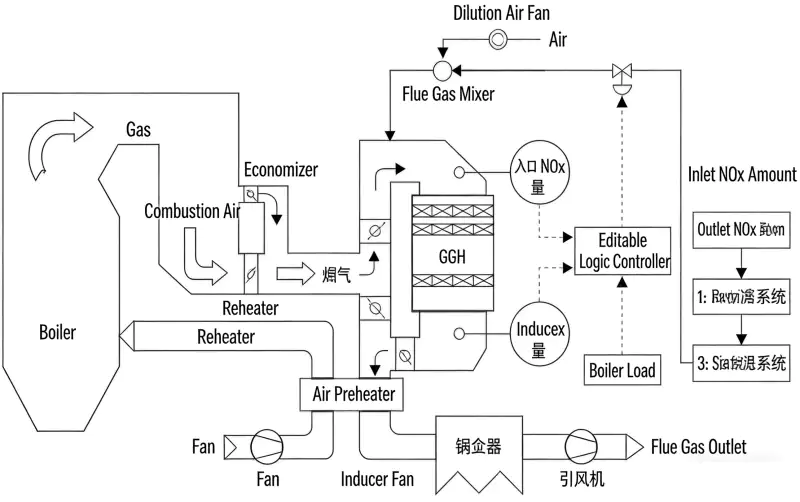
Core Internal Structure: SCR Reactor
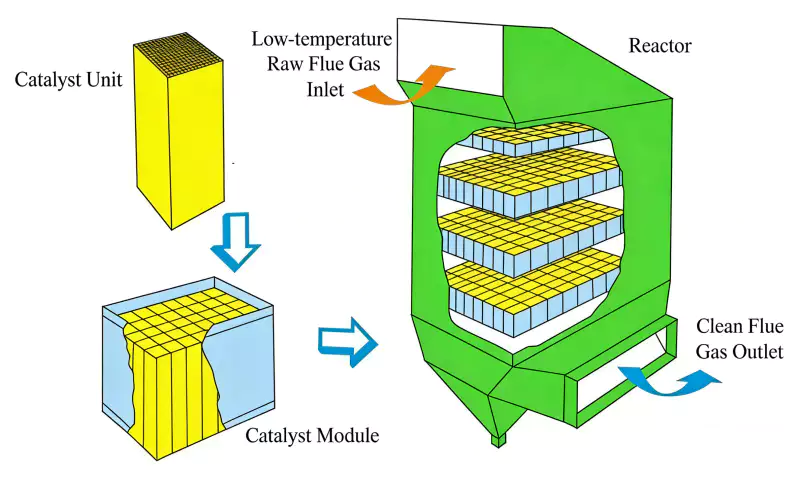
The SCR reactor is the absolute core equipment of the flue gas denitrification system.
Its main functions are to support the catalytic layers, provide ample reaction space for denitrification, ensure smooth flue gas flow, and maintain uniform gas distribution. These factors create the optimal physical conditions for the chemical reaction to occur.
Apart from the chemical properties of the catalyst itself, the engineering quality and fluid dynamics of the reactor design are the decisive factors determining whether the SCR system can successfully achieve ultra-low emission targets.
Catalyst Selection Guide
Honeycomb Catalyst
Features a large specific surface area. Under the same parameters, it boasts a small volume and light weight with a wide application range. Both interior and exterior media are active substances, holding the highest market share.
Plate-type Catalyst
Consists of an internal metal frame coated with active substances. It has strong anti-clogging performance. Disadvantages include gaps prone to hard-to-remove dust accumulation, and exposed metal mesh susceptible to corrosion.
Corrugated-plate Catalyst
Extremely light in weight with a medium surface area, but possesses relatively poor wear resistance. Also suffers from dust accumulation in gaps. Holds a very low market share (<5%), mostly used in clean gas-fired units.
| Item Specification | Honeycomb Type | Plate Type | Corrugated Type |
|---|---|---|---|
| Manufacturing Process | Uniform extrusion type | Coating type | Coating type |
| Specific Surface Area | Large | Low | Intermediate |
| Required Volume (Same Conditions) | 100% (Baseline) | 153% ~ 176% | 130% |
| Pressure Drop | 1.24 | 1.0 | 1.48 |
| Poisoning Resistance | High | Medium | Medium |
| Safety | Non-combustion-supporting | Combustion-supporting | Non-combustion-supporting |
| Global SCR Performance Share | > 65% | < 33% | Very few |
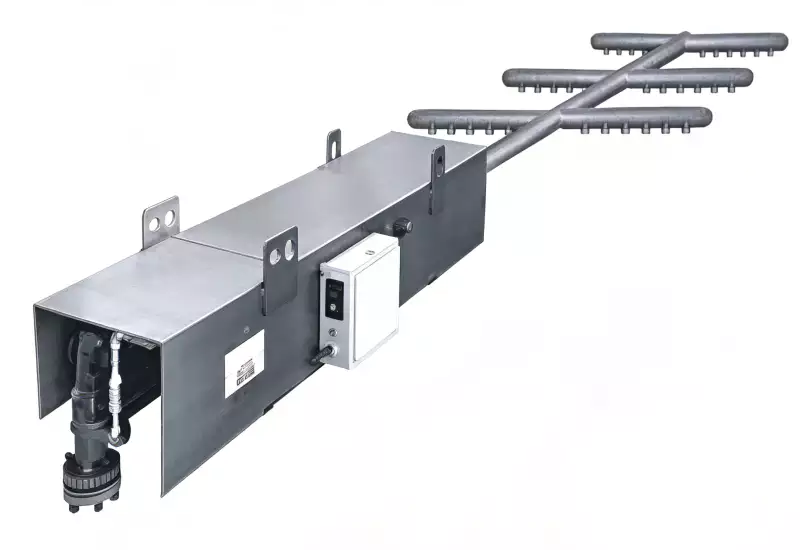
Soot Blower System
Remove Ash Deposits
Effectively blow off fly ash, dust, and ammonium salts on the surface and deep within the pores of the catalyst to prevent clogging.
Ensure Efficiency
Ensure flue gas passes uniformly through the catalyst channels, preventing denitrification efficiency drops caused by ash blockages.
Reduce Resistance
Avoid excessive pressure differential buildup in the flue duct and reactor, thereby reducing the energy consumption of the draft fan.
Protect Catalyst
Fundamentally prevent severe ash blockage, physical abrasion, and chemical poisoning, significantly extending catalyst service life.
Our Customized Solutions for NOx Treatment
Analyze Gas Composition & Pollutant Profile
The composition of exhaust gases varies significantly across different industries, directly impacting technology selection:
- Chemical/Pharmaceutical: Nitrogen-containing organic compounds (amines, nitro compounds) → Easily generate fuel-type NOₓ after incineration → SCR is essential;
- Waste Incineration: Contains chlorine, sulfur, and heavy metals → Requires pre-treatment with acid removal and dust removal before introducing an anti-poisoning SCR catalyst;
- Food Processing Plants: High humidity, ammonia content, low NOₓ concentration → O₃ oxidation or sodium hypochlorite scrubbing should be prioritized to prevent catalyst deactivation.
✅ Our Approach: We provide free flue gas composition testing advice to accurately identify NOₓ types (thermal/fuel/rapid).
Match Operating Conditions
Temperature, airflow, and fluctuations determine system stability:
This format is clear, professional, and suitable for technical documentation, websites, or client proposals. Let me know if you’d like to add more industries or include efficiency/compliance notes!
Integrate with Existing Infrastructure
Avoid starting from scratch and reduce customer investment costs:
Add a compact SCR module to the back end of the existing RTO system;
Install an SNCR injection grille in the space behind the boiler economizer;
Integrate the O₃ DeNOx system with the existing wet desulfurization tower to save space.
✅ Our approach: Provide 3D plant layout scanning to achieve a “zero-conflict” installation design.
Align with Local Emission Standards
Significant regional regulatory differences exist:
- Key regions in China (e.g., Beijing-Tianjin-Hebei): NOₓ ≤ 50 mg/m³ → SCR is mandatory;
- EU IED: Requires BAT technology + Continuous Emission Monitoring System (CEMS) → SCR + online ammonia slip analyzer is recommended;
- Emerging markets in Southeast Asia: Limited budgets → Offers economical solutions with SNCR + ozone-assisted emission control.
✅ Our approach: Built-in global emissions standards database, automatically matching compliance pathways.
Balance CAPEX vs. OPEX for Long-Term Value
- For plants with high operating hours (such as continuous chemical production) → choose SCRs with high initial investment and low energy consumption;
- For small plants with intermittent operation (such as seasonal food processing) → recommend low-maintenance O₃ or sodium hypochlorite systems;
- For regions with high energy costs → prioritize RTO waste heat driven SCRs to reduce natural gas consumption.
✅ Our approach: Provide a 5-year life cycle cost analysis report (LCC) to help clients calculate their “total costs”.
Our Customization Workflow
- Needs Diagnosis: Industry Type + Exhaust Gas Parameters + Emission Standards + Budget Range
- Technology Comparison: 3 Option Options (High-Efficiency / Economical / Integrated)
- Simulation Verification: CFD Flow Field + Reaction Efficiency Simulation
- Modular Delivery: Factory Pre-assembly, Rapid On-Site Integration
- Intelligent Operation and Maintenance: Remote Monitoring + Early Warning Maintenance, Ensuring Long-Term Compliance
Case Study: Customized SCR DeNOx System for a 300 MW Coal-Fired Power Plant in Indonesia
- Client: PT Jaya Energi
- Location: East Java, Indonesia
- Industry: Power Generation
Background
PT Jaya Energi operates a 300 MW coal-fired power plant that supplies electricity to over 500,000 households. In 2023, Indonesia’s Ministry of Environment and Forestry (KLHK) tightened air emission standards under Regulation No. PM-14/2023, requiring all coal plants to reduce NOₓ emissions to ≤100 mg/Nm³ (from the previous 400 mg/Nm³). The plant’s existing combustion controls could only achieve ~250 mg/Nm³—far from compliance.
Facing potential fines and operational restrictions, the plant began searching for a reliable DeNOx solution. After reviewing international suppliers, they discovered Ever-power through an industry webinar on “High-Efficiency SCR Systems for Southeast Asian Coal Plants” and were impressed by Ever-power’s reference projects in Vietnam and the Philippines.
Key Challenges
- High Ash & Alkali Content: Indonesian coal has high calcium and potassium levels, which can poison conventional vanadium-based catalysts.
- Limited Space: The boiler rear flue area was congested with existing ESP and ID fan—no room for large reactors.
- High Humidity Flue Gas: Monsoon climate leads to frequent condensation, risking ammonium bisulfate (ABS) deposition below 300°C.
- Local Support Needs: Required on-site commissioning and training for local operators unfamiliar with SCR systems.
Ever-power’s Customized Solution
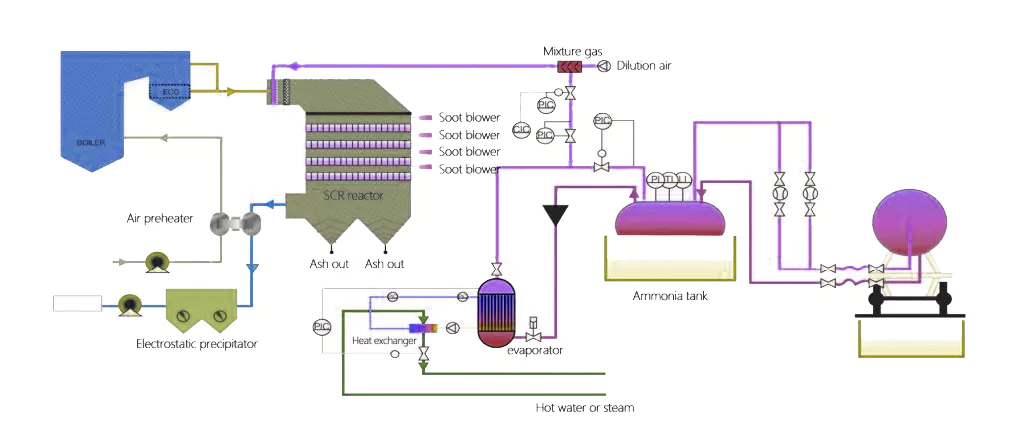
To meet these challenges while ensuring long-term compliance, Ever-power designed a high-efficiency, compact SCR system based on the fundamental principles of Selective Catalytic Reduction (SCR)—a technology proven effective in thousands of global installations.
How SCR Works: Chemistry Meets Engineering
The core of the SCR process lies in the selective oxidation of nitrogen oxides (NOₓ) using ammonia (NH₃) as a reducing agent. Under controlled conditions, NH₃ reacts preferentially with NOₓ rather than oxygen in the flue gas, producing harmless nitrogen (N₂) and water (H₂O)—with no secondary pollutants or harmful by-products.
The key chemical reactions are:
(1) 4NO + 4NH₃ + O₂ → 4N₂ + 6H₂O
(2) 2NO₂ + 4NH₃ + O₂ → 3N₂ + 6H₂O
These reactions occur efficiently only within a narrow temperature window—approximately 980°C without a catalyst. However, when a catalyst is introduced, the reaction becomes viable at much lower temperatures: 300–400°C, which aligns perfectly with the flue gas temperature between the economizer and air preheater in coal-fired boilers. This makes SCR ideal for retrofitting into existing plants without major thermal modifications.
Moreover, since NOₓ concentrations in flue gas are relatively low, the heat released during the reaction is negligible—meaning no additional heating is required, and the system remains thermally stable under normal operation.
This scientific foundation enabled Ever-power to design a solution that not only meets performance targets but also integrates seamlessly into the plant’s operating environment.
Engineered for Real-World Conditions
Based on this chemistry-driven approach, Ever-power implemented the following tailored solutions:
✅ 1. High-Resistance Catalyst Design
- Selected V₂O₅-WO₃/TiO₂ catalyst with enhanced resistance to alkali poisoning (Ca, K), common in Indonesian coal
- Optimized pore structure and cell pitch (6.5 mm) to minimize ash accumulation and pressure drop
✅ 2. Compact Vertical Reactor Layout
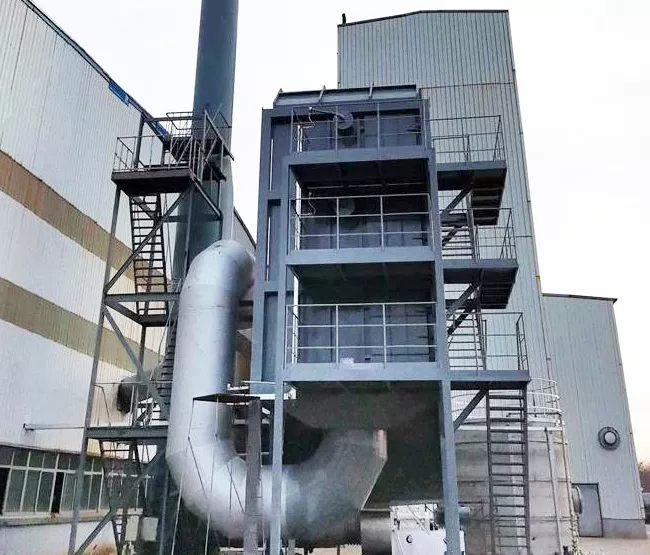
- Installed downflow SCR reactor directly between boiler and ESP to save space
- Designed with modular construction for easy transport and installation during outage
✅ 3. Temperature & Ammonia Control Strategy
- Maintained flue gas temperature at 320–350°C—above ABS dew point—to prevent ammonium sulfate formation
- Used 3-zone ammonia injection grid (AIG) with real-time feedback control to ensure optimal NH₃/NOₓ ratio and minimize slip
✅ 4. Localized Operation & Support
- Provided bilingual HMI interface (English/Indonesian) for intuitive operation
- Conducted comprehensive training for plant engineers
- Established regional spare parts depot in Surabaya for rapid response
The entire system was delivered in prefabricated modules, installed within 8 weeks, and commissioned successfully during a scheduled maintenance shutdown.
Results & Performance
- NOₓ Removal Efficiency: 92% (inlet: 280 mg/Nm³ → outlet: 22 mg/Nm³)
- Ammonia Slip: <2 ppm (well below 3 ppm limit)
- Pressure Drop: <800 Pa — no impact on boiler draft
- Compliance: Successfully passed KLHK inspection in Q1 2024
- Operational Simplicity: Fully automated control; local team now operates independently
“Ever-power didn’t just sell us a reactor—they delivered a compliance guarantee. Their understanding of Southeast Asian coal made all the difference.”
— Mr. Budi Santoso, Plant Manager, PT Jaya Energi
Editor: Miya
 EN
EN  ZH
ZH  ES
ES  AR
AR  ID
ID  PT
PT  FR
FR  JA
JA  RU
RU  DE
DE  MS
MS  CS
CS  BG
BG  NL
NL  KO
KO  RO
RO  SK
SK  TH
TH  VI
VI  ZH_TW
ZH_TW  UK
UK