
RTO Application Case in Singapore: Driving Green Manufacturing
Overview of SGP’s Environmental Regulations
Air Quality Guidelines (2025 Update)
NEA has aligned VOC control more closely with EU Industrial Emissions Directive (IED) benchmarks, especially for high-risk sectors like:
- Semiconductor & electronics manufacturing
- Chemical & pharmaceutical production
- Printing, coating, and surface treatment
Environmental Protection and Management Act (EPMA)
The cornerstone of Singapore’s environmental law. Under EPMA, any facility emitting regulated air pollutants must obtain an Environmental Pollution Control License. The license specifies:
Permissible emission concentrations (e.g., VOCs often capped at 20–50 mg/Nm³, depending on sector).
Monitoring and reporting obligations (including real-time data submission for large emitters from 2025 onward).
Carbon Tax Expansion (Effective 2024–2025)
While not directly an air emission rule, the carbon tax (now SGD 25/tonne CO₂e, rising to SGD 50–80 by 2030) incentivizes energy-efficient abatement technologies—making high-efficiency RTOs economically attractive due to their >95% thermal recovery.
Takeaway for Industry
To operate legally—and sustainably—in Singapore’s tightly regulated environment, adopting a certified, high-efficiency RTO isn’t just smart engineering—it’s a regulatory necessity.

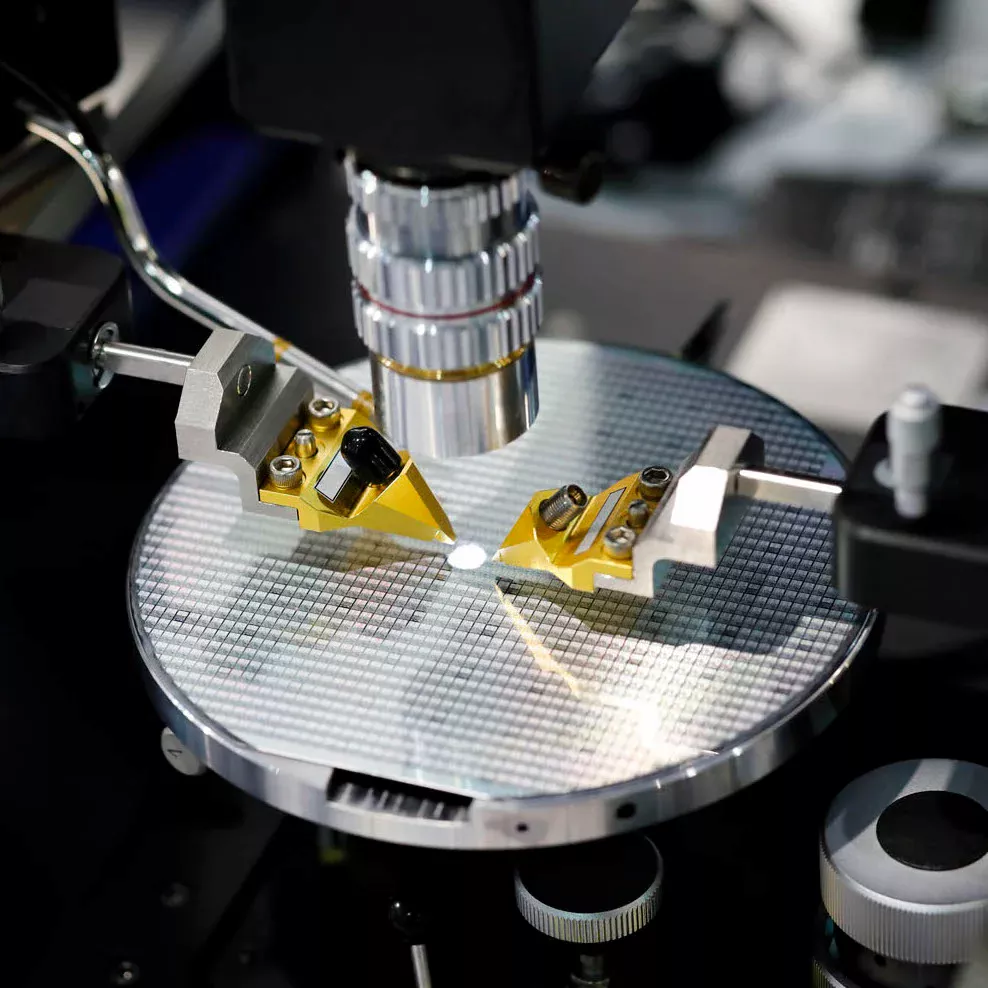
Singapore Client Case — Semiconductor Industry
Note: The following content has been communicated with the client who is willing to share it publicly and does not involve disclosing client privacy.
A****m Advanced Packaging Pte Ltd
It is a mid-sized manufacturing company specializing in outsourced semiconductor assembly and test (OSAT), providing advanced packaging services (such as Fan-Out Wafer Level Packaging) to chip design companies worldwide.
Why is the Industry in Urgent Need of RTO Equipment?
In semiconductor packaging processes, the following steps generate VOCs waste gas with high concentrations and complex compositions.

Die Attach
Epoxy resin adhesives are used, releasing benzene compounds, alcohols, and ketones during high-temperature curing.

Molding
Epoxy molding compounds (EMC) release harmful organic compounds such as formaldehyde and phenol during heating.

Underfill & Encapsulation
UV/thermosetting adhesives volatilize, producing acrylates and isocyanates.

Cleaning
Some production lines still use alcohol- or ketone-containing solvents for precision cleaning.
These exhaust gases have a low explosive limit (LEL), complex composition, pungent odor, and some substances are listed as Toxic Air Pollutants (TACs) by the NEA. According to the 2025 updated EPMA Permitting Guidelines, such emission sources must:
✅ Total VOCs concentration ≤ 20 mg/Nm³ (or removal efficiency ≥ 95%)
✅ Install a Continuous Emissions Monitoring System (CEMS) and connect it to the NEA network
✅ Use NEA-approved BAT (Best Available Technique) – RTO or RCO is explicitly recommended.
Enterprise Pain Points
The company originally used a combined process of “activated carbon adsorption + catalytic combustion,” but during a surprise inspection by the NEA in 2024, it was found that:
- the activated carbon had a short saturation cycle, requiring frequent replacement and resulting in high maintenance costs;
- the catalyst was prone to poisoning and deactivation, leading to large fluctuations in VOCs removal rates (actually only 85-90%);
- it could not meet the new requirements for a stable removal efficiency of 95%+ and real-time data upload;
- it faced the risk of a fine of SGD 50,000+ and the rejection of its license renewal.
Why Choose Our RTO?
After consulting with multiple suppliers, A***m learned about our three-chamber high-efficiency RTO system through an SSIA technical seminar. Its features are perfectly suited to Singapore’s demanding working conditions:
- >98% VOCs removal rate, far exceeding NEA standards;
- 95% heat recovery efficiency, significantly reducing natural gas consumption (meeting carbon tax pressures);
- Explosion-proof design + LEL online monitoring ensures semiconductor plant safety;
- Modbus TCP interface allows direct connection to NEA-required emissions data platforms;
- Compact design adapts to the space-constrained reality of the Singapore plant.
Successfully passed the NEA final inspection and obtained a 5-year emissions permit;
Annual energy costs will decrease by approximately 35%
Becoming one of SSIA's "Green Manufacturing Demonstration Projects"
Clearing environmental obstacles for subsequent capacity expansion
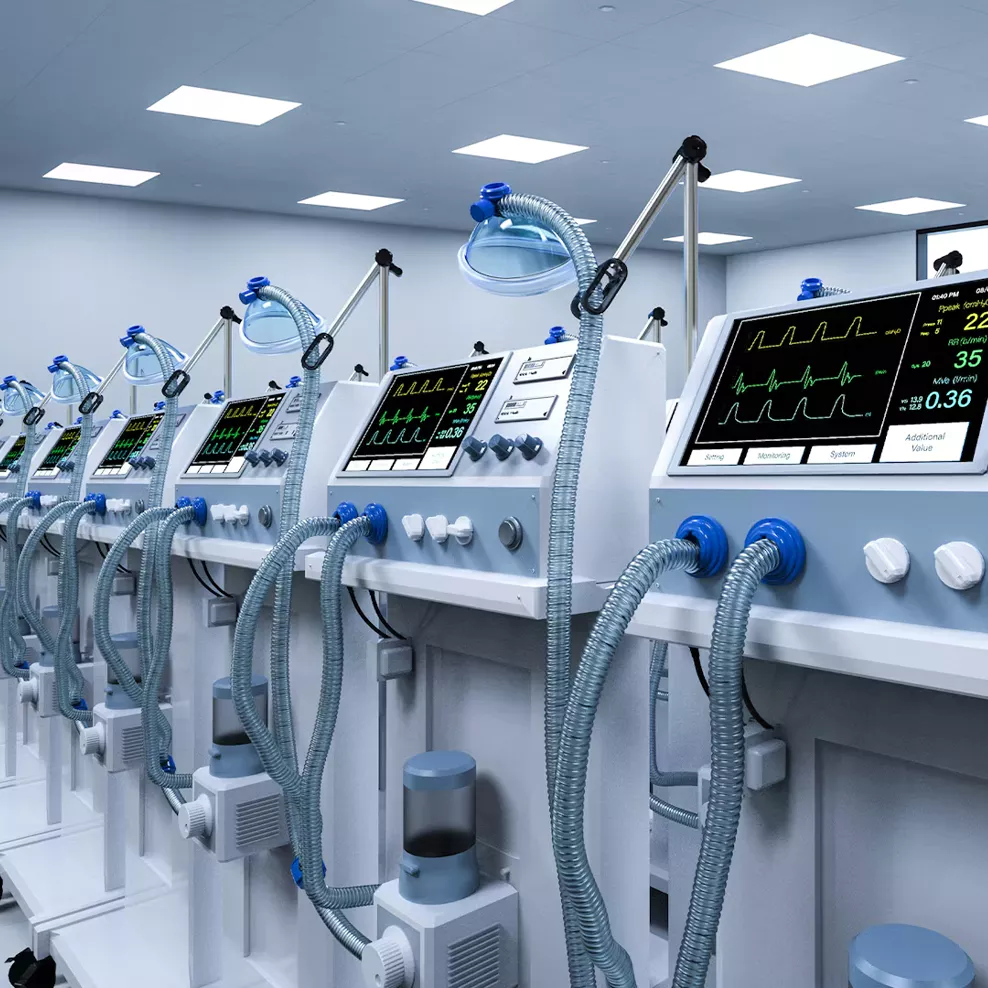
Singapore Client Case — Medical Device Manufacturing
Note: The following content has been communicated with the client who is willing to share it publicly and does not involve disclosing client privacy.
V*****d Devices Pte Ltd
The client is a manufacturer of high-end disposable medical devices (such as catheters, infusion connectors, and respirators), with over 200 employees and an annual production capacity of over 500 million medical consumables. Their products are exported to Europe, America, and the Asia-Pacific market.
Why is the Industry in Urgent Need of RTO Equipment?
The following stages of the production process continuously generate organic waste gas:
Medical adhesive bonding process
using cyanoacrylate (fast-drying adhesive) and UV-curing adhesive, volatiles include acrylates and aldehydes;
Injection molding release agent spraying
containing silicone oil and alcohol solvents;
Component cleaning
some production lines still use isopropanol (IPA) for final cleaning.
Although the concentration of these waste gases is not high (approximately 800–1,500 ppm), their composition is complex, they have an irritating odor, and because the factory is located near a residential area in the north, it has received numerous complaints from residents.
At the end of 2024, the NEA issued an “Emissions Improvement Notice” during a routine inspection, requiring:
“Reducing VOCs emission concentration to ≤25 mg/Nm³ within 6 months and submitting a BAT (Best Available Technology) implementation plan.”
The existing “activated carbon adsorption” system could no longer meet the requirements—adsorption efficiency decayed rapidly, and spent activated carbon was classified as hazardous waste, resulting in high treatment costs.
How Did They Find Us?
Ms. Lim, Engineering Director of V***, saw our compact two-chamber RTO case study at the “Industrial Zero Pollution” sub-forum during **2025 Singapore International Water Week** (SIWW). She particularly noted the equipment’s:
- Small footprint (only 3m × 4m), suitable for retrofitting existing plants;
- Low NOx secondary pollution design, aligning with the “clean production” concept in the medical industry;
- Successfully applied in another local medical packaging plant.
After the event, she submitted her initial requirements through the form on our website, “regenerative-thermal-oxidizers.com”.
Customized Solutions
We dispatched a local technical team in Singapore to conduct an on-site survey and tailor-designed a low-concentration RTO system for them. Key features include:
Project Solution Details
- Airflow handling capacity: 3,000 Nm³/h (matching 3 production lines)
- Heat recovery efficiency: ≥92% (reducing natural gas consumption and addressing carbon tax pressure)
- Safety design: Equipped with LEL online monitoring + dilution fan to prevent the risk of explosion due to glue mist accumulation
- Compliance interface: Built-in data logger, supporting automatic generation of quarterly emissions reports required by the NEA
- Installation cycle: Only 6 weeks (utilizing weekend shutdown windows, without affecting delivery)
VOC emissions are stable at ≤12 mg/Nm³
Annual hazardous waste treatment costs reduced by SGD 42,000
Energy costs decreased by 28%.
Environmental Protection License successfully renewed
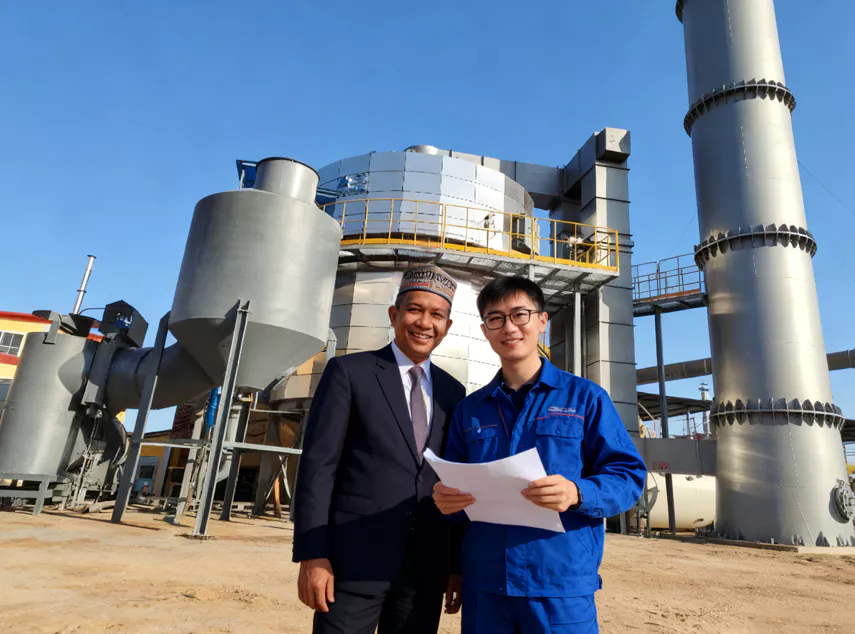
“As a company with ‘life and health’ as its core mission, we cannot tolerate the environmental burden our production processes place on us. Your RTO not only solved our compliance challenges but also demonstrated Singapore Manufacturing’s commitment to sustainable development. The entire project, from consultation to acceptance, took only three months. Your team was professional and responsive, and I highly recommend you to our local peers.”
— Ms. Lim Wei Ling, Engineering Director, V**** Devices Pte Ltd
 EN
EN  ZH
ZH  ES
ES  AR
AR  ID
ID  PT
PT  FR
FR  JA
JA  RU
RU  DE
DE  MS
MS  CS
CS  BG
BG  NL
NL  KO
KO  RO
RO  SK
SK  TH
TH  VI
VI  ZH_TW
ZH_TW  UK
UK