
Rotary RTO System for Industrial VOCs Treatment | RTO Manufacturer
Rotary RTO system for industrial VOCs treatment, featuring rotary valve airflow distribution, ceramic heat recovery, high VOC destruction efficiency and low operating cost.
What Is a Rotary RTO?
The rotary regenerative thermal oxidizer (RTO), commonly referred to as rotary RTO, oxidizes combustible waste gases into corresponding oxides and water at high temperatures. This process not only purifies exhaust gas but also recovers heat generated during decomposition. The system achieves a waste gas decomposition efficiency of up to 99.5% and a heat recovery efficiency exceeding 95%.
The rotary RTO mainly consists of a combustion chamber, ceramic packing bed, and rotary valve. The furnace body is divided into an intake chamber, exhaust chamber, purification chamber, and isolation chamber. The motor-driven exhaust distribution valve rotates continuously and uniformly, enabling smooth switching of exhaust gas between the various chambers.
When exhaust gas concentration is high, additional heat exchangers can be installed to convert waste gas into fuel. Other heat recovery methods include hot air, hot water, steam, and oil.
The rotary RTO is the most widely applied RTO equipment in our product line. With its compact structure, stable operation, and high treatment efficiency, it is suitable for waste gas treatment across multiple industries including printing, film coating, and chemicals. This rotary regenerative thermal oxidizer has gained broad market recognition.
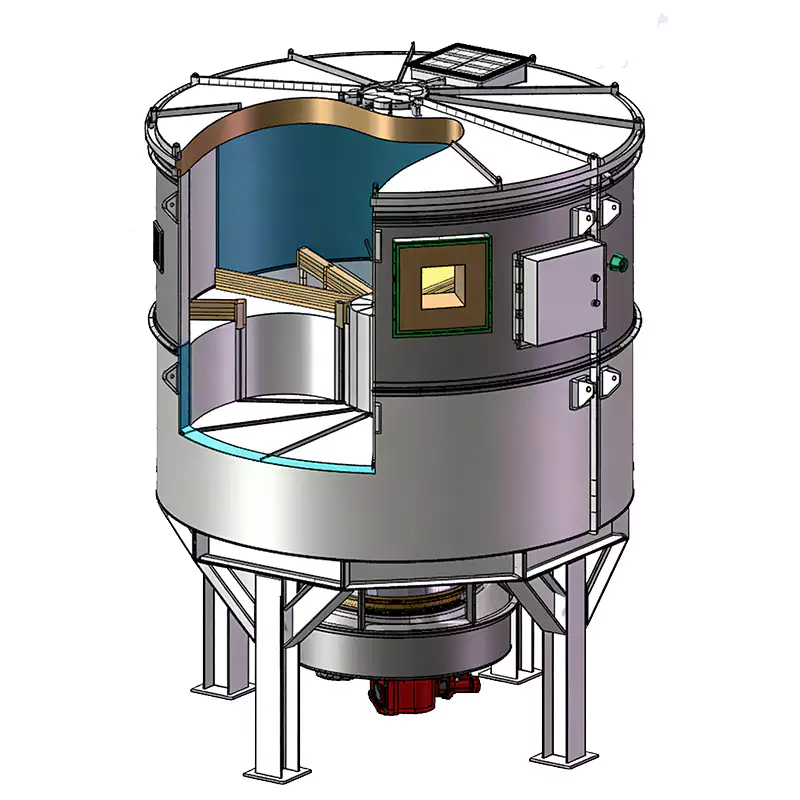
Rotary RTO Key Features
Advanced engineering delivers superior performance, efficiency, and reliability for industrial VOC treatment
Compact Design With Minimal Footprint
This equipment boasts a compact design that minimizes its physical footprint, making it an excellent choice for installations where space is at a premium. Its streamlined structure not only saves valuable floor space but also facilitates easier installation and maintenance. For instance, in urban environments or facilities with limited available area, this feature ensures that the equipment can be seamlessly integrated without compromising operational efficiency.
Steady And Impact-Free Operation
The system operates with remarkable smoothness, free from any disruptive vibrations or impacts. This steady operation is achieved through advanced engineering techniques that ensure consistent performance over time. The absence of jarring movements reduces wear and tear on components, leading to prolonged equipment lifespan and enhanced reliability. In industries such as manufacturing or healthcare, where uninterrupted operation is critical, this characteristic significantly improves overall productivity and safety.
Durable Key Components
The critical components of the equipment are meticulously designed to withstand rigorous use and environmental challenges. Constructed from high-quality materials, these parts exhibit exceptional durability, resulting in extended service life and reduced maintenance requirements. For example, in harsh industrial settings or outdoor applications, the robust construction ensures reliable performance even under adverse conditions. This durability translates into lower long-term costs and minimized downtime for repairs or replacements.
Low Power Demand & Exceptional Efficiency
The system's minimal reactive power demands contribute to highly efficient energy utilization. By optimizing power consumption, the equipment helps reduce overall energy costs while promoting sustainable practices. Additionally, it excels in both purification and thermal efficiency, delivering optimal performance in environmental management and energy utilization. Advanced technologies ensure high purification rates while comprehensive thermal management systems maximize heat transfer efficiency, reducing energy waste and enhancing operational effectiveness.
Rotary RTO Design & Principle
Ever-Power's third-generation Rotary RTO eliminates valve-switching emission spikes through continuous rotary distribution, achieving the industry's highest purification efficiency and thermal recovery rates.
Rotary RTO Working Principle
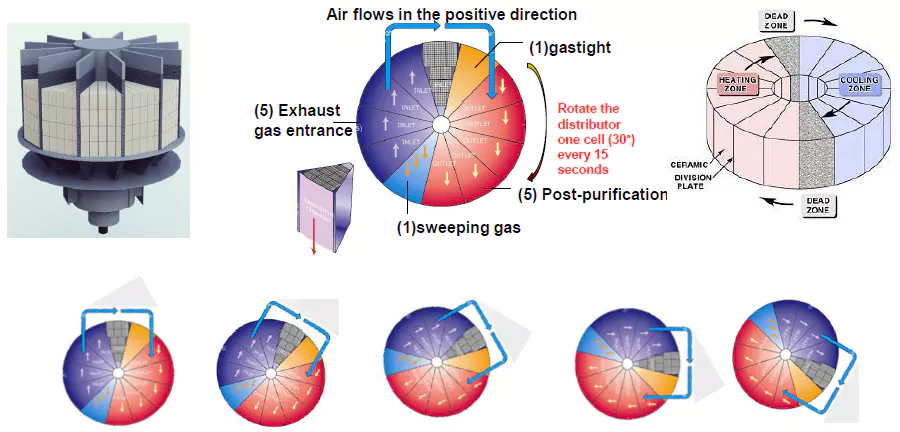
Rotary RTO Design: 12 regenerative packing beds are arranged in a circular ring, operating in alternating cycles - 5 beds for inlet (feed), 5 beds for outlet (exhaust), 1 bed for purge (blow), and 1 bed for isolation (seal). This continuous rotary distribution eliminates the emission spikes inherent in valve-switching fixed-bed RTOs, ensuring stable purification efficiency and zero puff emissions.
Continuous Rotary Distribution
A single rotary distributor replaces all pneumatic switching valves, eliminating mechanical wear points and ensuring seamless, uninterrupted gas flow through the regenerative matrix.
12-Bed Circular Matrix
Twelve ceramic-packed regenerative beds arranged in a 360 degree ring provide massive heat exchange surface area. Beds transition smoothly between inlet, outlet, purge, and isolation zones via precision rotary valve.
5-5-1-1 Zone Allocation
Optimized bed allocation: 5 beds preheat incoming VOC-laden air, 5 beds recover heat from cleaned exhaust, 1 bed purges residual VOCs back to inlet, and 1 bed acts as a dynamic seal zone.
Interested in learning more about our Rotary RTO technology? Contact our engineering team for a customized solution tailored to your facility's VOC profile.
Request Rotary RTO ConsultationStructure of Rotary RTO
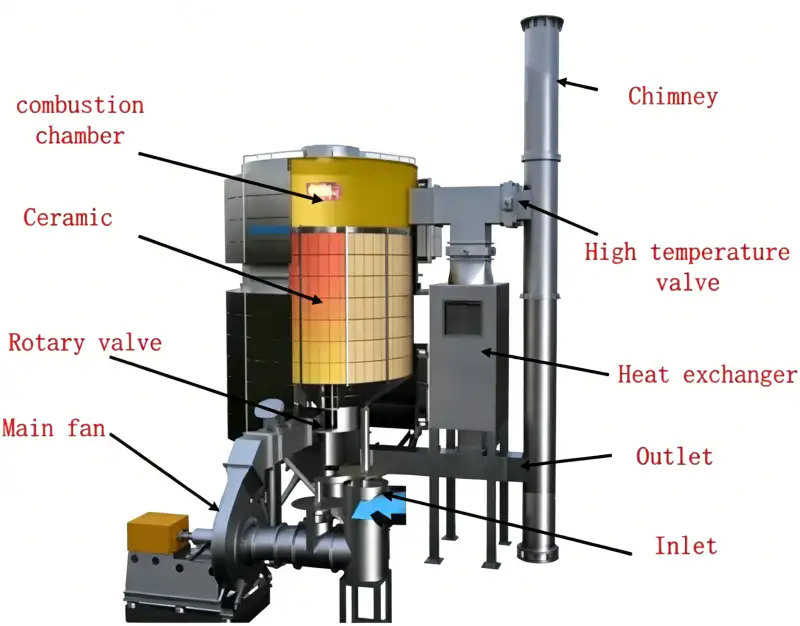
Exhaust Gas Purification Path
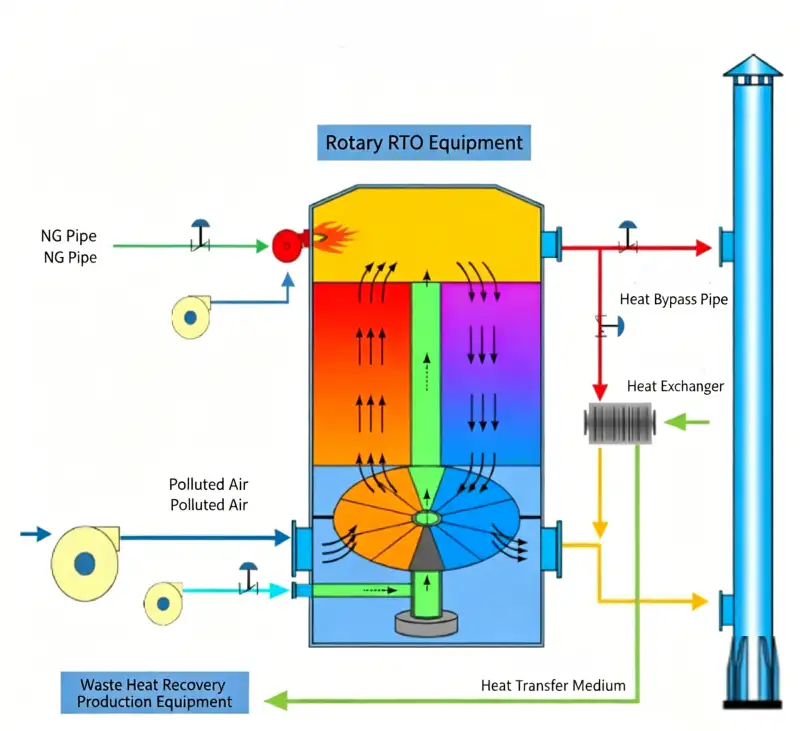
Rotary RTO Exhaust Gas Flow Path — From Inlet to Clean Gas Discharge
Rotary RTO Composition & Working Principle
The Rotary RTO consists of a combustion chamber, regenerative heat storage chamber, and rotary valve. The furnace body is divided into 12 chambers: 5 intake chambers, 5 exhaust chambers, 1 purge chamber, and 1 isolation chamber.
The rotary valve is driven by a motor to achieve continuous uniform rotation. Under the action of the rotary valve, exhaust gas is slowly and continuously switched between the 12 chambers. The more heat storage chambers, the higher the purification efficiency and thermal efficiency. With technological development, the third-generation RTO — the Rotary RTO — was born.
It features 12 annular regenerative heat exchangers, offering advantages of compact structure, small heat dissipation area, low energy consumption, and high thermal efficiency. The purification efficiency can reach 99.5%.Performance Comparison of RTO Types
From first-generation 2-Bed systems to our flagship third-generation Rotary RTO, each iteration delivers measurable improvements in purification efficiency, thermal recovery, and operational reliability.
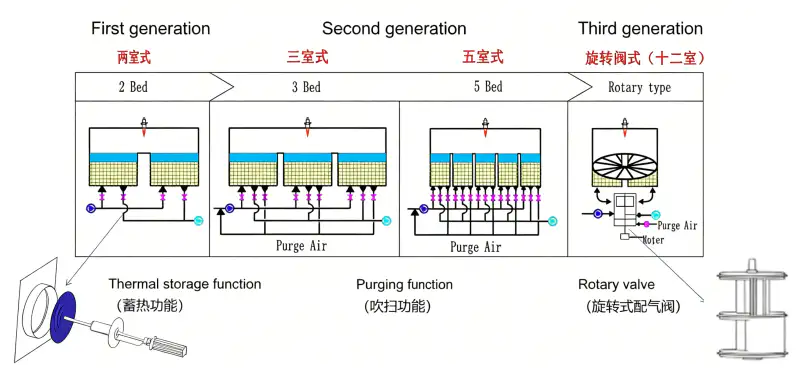
| Parameter | 2-Chamber RTO | 3-Chamber RTO | Rotary RTO | Remark |
|---|---|---|---|---|
| Technology of Iteration | First generation | Second generation | ★ Third generation | Continuous rotary valve replaces pneumatic switching |
| Number of Regenerators | 2 | 3 | ★ 12 | 12-bed circular matrix for seamless heat exchange |
| Purification Efficiency | 95% | 99% | 99.5% | Highest VOC destruction efficiency in class |
| Thermal Efficiency | 90% | 95% | 97% | Temperature difference between inlet and outlet: 30°C |
| Occupation of Land | 100% (Benchmark) | 130% | ★ 65% | Take 2-Chamber RTO as the benchmark; Rotary saves 35% footprint |
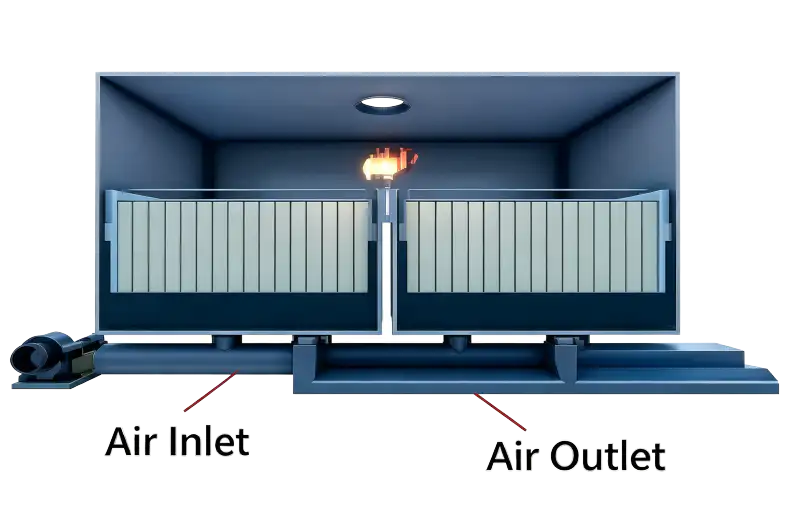
First Generation (2-Chamber)
- Operating Temperature 120°C
- Energy Consumption Medium
- Purification Efficiency 95%
- Environmental Standard Does NOT meet standard
- Status Eliminated
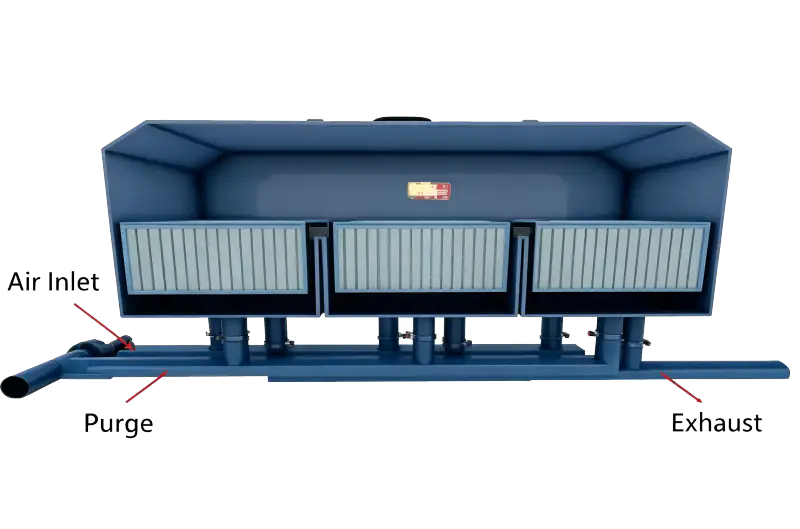
Second Generation (3-Chamber )
- Operating Temperature 100°C
- Energy Consumption Medium
- Purification Efficiency 99%
- Environmental Standard Meets standard
- Status In service
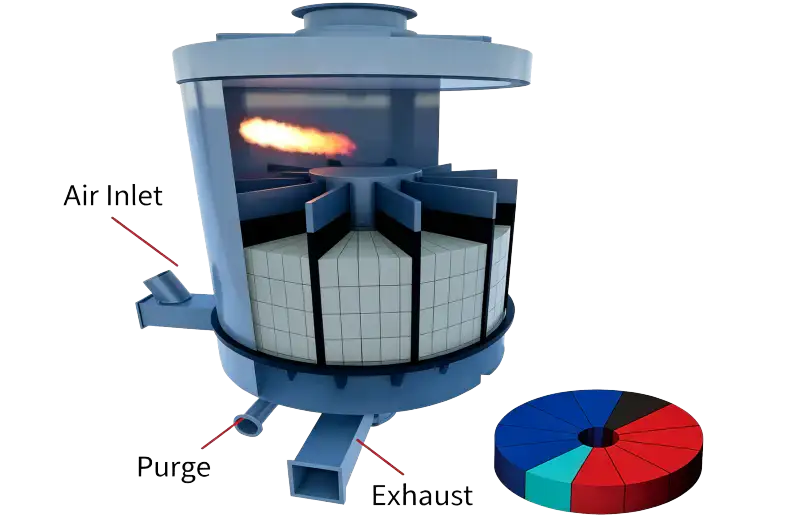
Third Generation (Rotary RTO)
- Operating Temperature 60°C
- Energy Consumption Low
- Purification Efficiency 99.5%
- Environmental Standard Exceeds standard
- Status Flagship Product
Waste Gas Types Treated by Rotary RTO
Rotary RTO systems effectively treat a wide range of industrial exhaust gases containing volatile organic compounds and hazardous air pollutants
| Waste Gas Type | Typical Industries / Applications |
|---|---|
| Organic Solvents & VOCs | |
| Toluene, Xylene, Benzene | Painting & Coating Printing Chemical Manufacturing Pharmaceutical |
| Ethyl Acetate, Butyl Acetate | Adhesive Production Film Coating Packaging Flexible Packaging |
| Acetone, MEK, MIBK | Plastic Processing Rubber Manufacturing Synthetic Fiber Leather Tanning |
| Ethanol, Isopropanol | Food & Beverage Pharmaceutical Cosmetics Brewery |
| Styrene, Acrylates | Fiberglass Reinforced Plastic Composite Materials Resin Production Coating |
| Halogenated Compounds | |
| Dichloromethane (DCM) | Pharmaceutical Chemical Synthesis Metal Degreasing Foam Blowing |
| Trichloroethylene (TCE) | Metal Cleaning Dry Cleaning Electronics Aerospace |
| Perchloroethylene (PCE) | Textile Dry Cleaning Metal Degreasing Chemical Processing |
| Aromatic & Petroleum Derivatives | |
| Naphtha, Gasoline Vapors | Oil & Gas Refining Tank Farm Storage Loading Terminals Petrochemical |
| Asphalt Fumes / Bitumen | Road Construction Roofing Materials Waterproofing Paving |
| Formaldehyde, Phenol | Wood Processing Resin Manufacturing Particle Board MDF Production |
| Nitrogen & Sulfur Compounds | |
| Ammonia, Amines | Fertilizer Production Food Processing Wastewater Treatment Animal Feed |
| Hydrogen Sulfide (H₂S), Mercaptans | Wastewater Treatment Oil & Gas Pulp & Paper Landfill Gas |
| Other Industrial Emissions | |
| Siloxanes, Silicones | Semiconductor Solar Panel LCD Manufacturing Silicone Production |
| Odorous Compounds | Waste Treatment Food Processing Rendering Composting |
| Ethylene Oxide, Propylene Oxide | Medical Sterilization Chemical Intermediate Surfactant Production |
Note: Rotary RTO systems are designed to handle a wide spectrum of VOC concentrations from low to high levels (up to 10 g/m³). For applications involving halogenated or sulfur-containing compounds, additional downstream treatment (such as acid gas scrubbers) may be required to ensure full compliance with emission regulations. Our engineering team can provide customized solutions based on your specific exhaust gas composition and flow rate.
Customize Your RTO System
Every industrial facility has unique VOC profiles, space constraints, and regulatory requirements. Share your specific needs with our engineering team and we will design a tailor-made RTO solution optimized for your operation.
Information We Need From You
To provide an accurate quotation and technical proposal, please prepare the following data
Waste Gas Parameters
- + Flow rate (Nm3/h)
- + VOC concentration (mg/m3)
- + VOC composition / species
- + Temperature and humidity
- + Oxygen content
- + Presence of corrosive/toxic components
Site & Installation
- + Available footprint dimensions
- + Indoor or outdoor installation
- + Local climate conditions
- + Existing ductwork layout
- + Power supply specifications
- + Foundation/load-bearing capacity
Regulatory & Operational
- + Local emission standards
- + Required purification efficiency
- + Operating hours per day
- + Waste heat recovery needs
- + Preferred RTO type (if known)
- + Budget range / timeline
Our Customization Process
From initial inquiry to commissioning, we guide you through every step
Requirement Analysis
Submit your waste gas data and site information. Our engineers review and clarify technical details within 24 hours.
Technical Proposal
We deliver a customized solution including process flow diagram, equipment configuration, and performance guarantee.
Quotation & Contract
Detailed commercial quotation with delivery schedule, payment terms, and warranty conditions provided for your review.
Engineering & Fabrication
Custom design, material procurement, manufacturing, and quality inspection at our ISO-certified production facility.
Delivery & Commissioning
On-site installation supervision, operator training, performance testing, and handover with full documentation.
Ready to Customize Your RTO?
Send us your requirements and our engineering team will respond with a preliminary technical proposal within 1-2 business days.
Request Custom RTO QuoteRotary RTO Case Studies
Explore how Ever-Power Rotary RTO systems deliver exceptional VOC treatment results across diverse industrial applications worldwide.
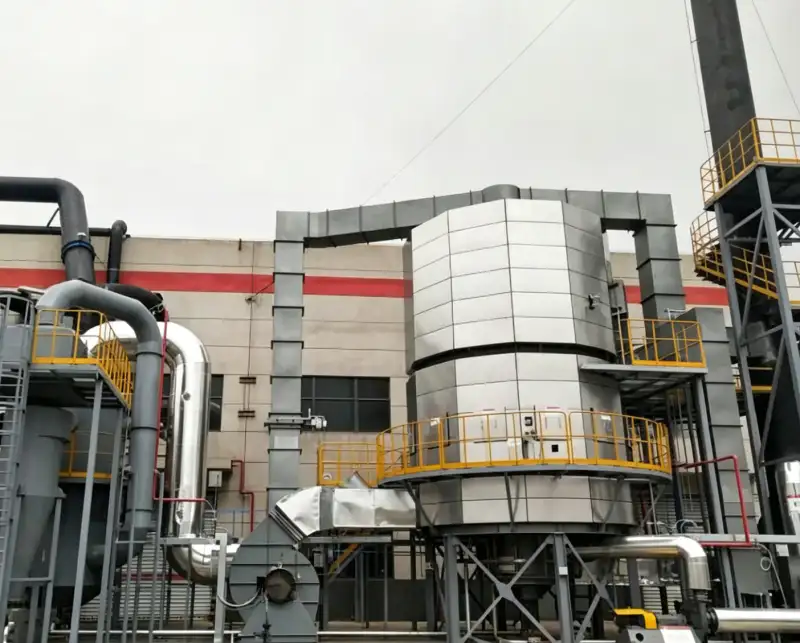
SBS Modified Bitumen
High-temperature asphalt fume treatment
SBS Modified Bitumen Plant
Rotary RTO SolutionGas Source
8 gravure printing ovens + 3 flexographic printers + ink room venting
Flow Rate
Organized: 9,200 m3/h | Unorganized: 192,000 m3/h
Concentration
Organized: 3,000-5,000 mg/m3 | Unorganized: 300-600 mg/m3
Configuration
- 100,000 m3/h zeolite rotor
- 2x 70,000 m3/h Rotary RTO
- 1.5 t/h steam heat recovery
NMHC emission <= 50 mg/m3
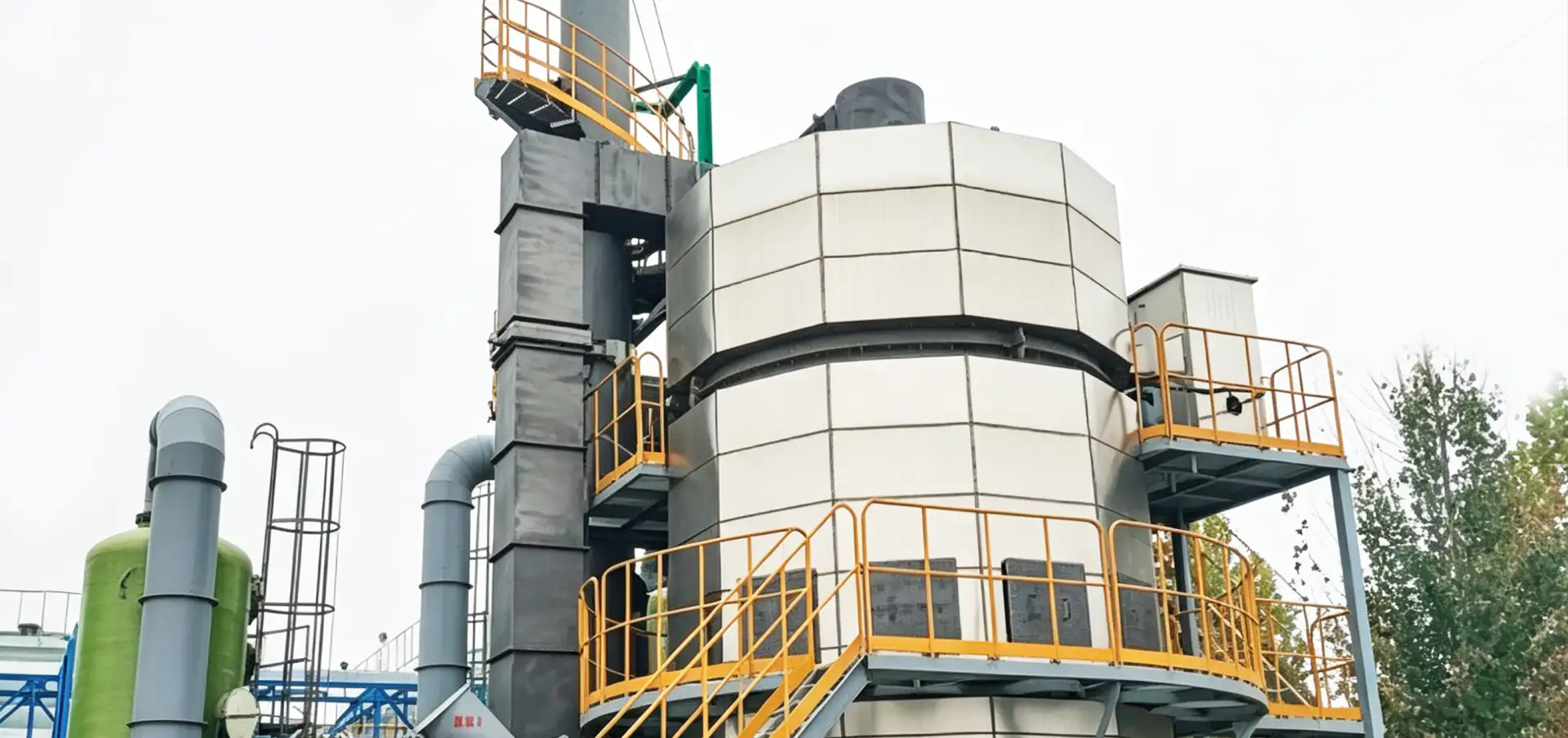
Chemical Manufacturing
Butanone solvent recovery system
Chemical Plant
Rotary RTO + Heat RecoveryGas Source
Coating machine drying section + mixing tanks
Flow Rate
Total: 60,000 m3/h
Concentration
3,000-4,000 mg/m3 (butanone dominant)
Configuration
- 2x Rotary RTO (40,000 + 20,000 m3/h)
- Integrated thermal oil boiler
NMHC emission <= 50 mg/m3
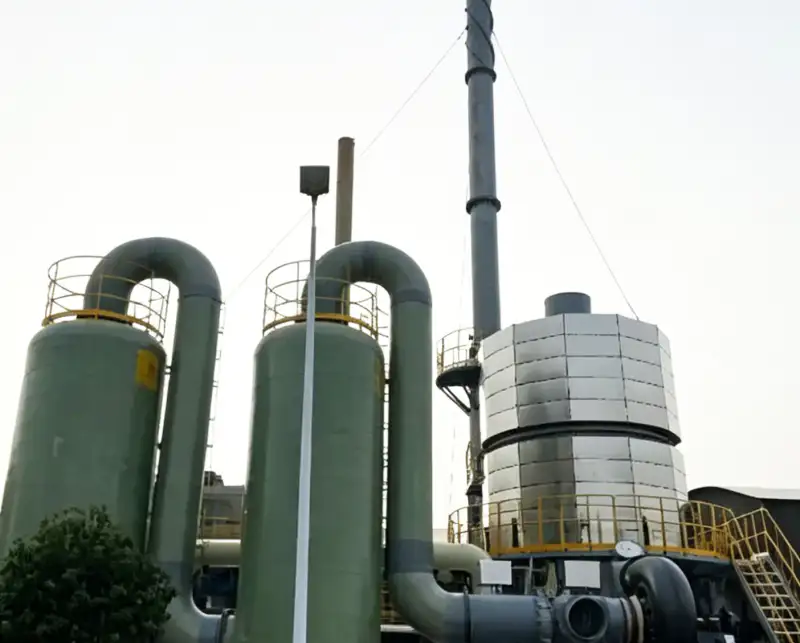
Building Materials Coating
Silicate board production line
Building Materials Plant
Rotary RTO SolutionGas Source
Reactor, production line, storage tanks
Flow Rate
35,000 m3/h design capacity
Concentration
Approx. 500 mg/m3
Components
NMHC, asphalt fumes, particulates, benzene
Configuration
- Cyclone separator + tower filter
- 35,000 Nm3/h Rotary RTO
NMHC emission <= 10 mg/m3
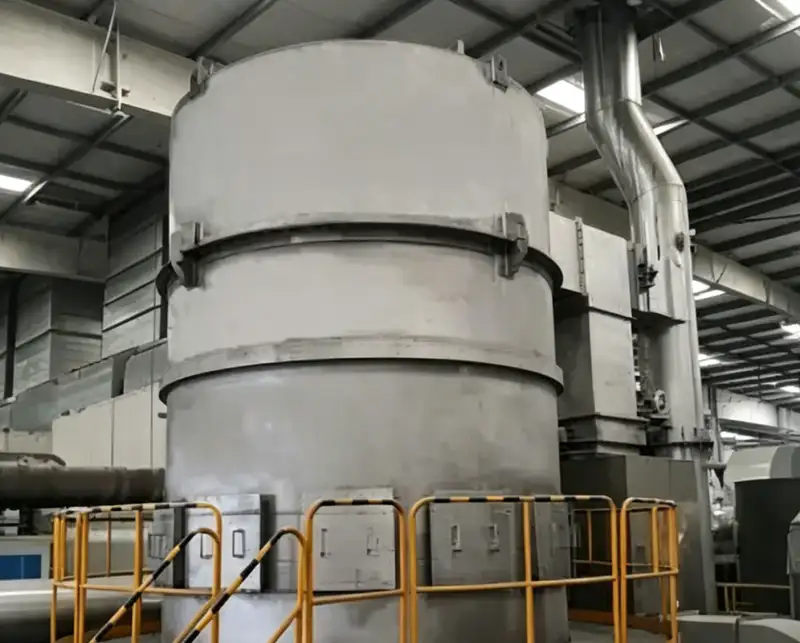
Automotive Painting
4-stage spray booth VOC treatment
Auto Manufacturer
Rotary RTO + Zeolite RotorGas Source
Primer, topcoat, clearcoat, flash-off zones
Flow Rate
Primer: 65,000 | Topcoat: 65,000 | Flash-off: 3,200 m3/h each
Concentration
Primer: 280 | Topcoat: 500 | Flash-off: 1,000-2,000 mg/m3
Components
Xylene, ethylene glycol ether, butyl acetate
Configuration
- Zeolite rotor (65,000 m3/h each)
- 15,000 m3/h Rotary RTO
NMHC emission <= 25 mg/m3
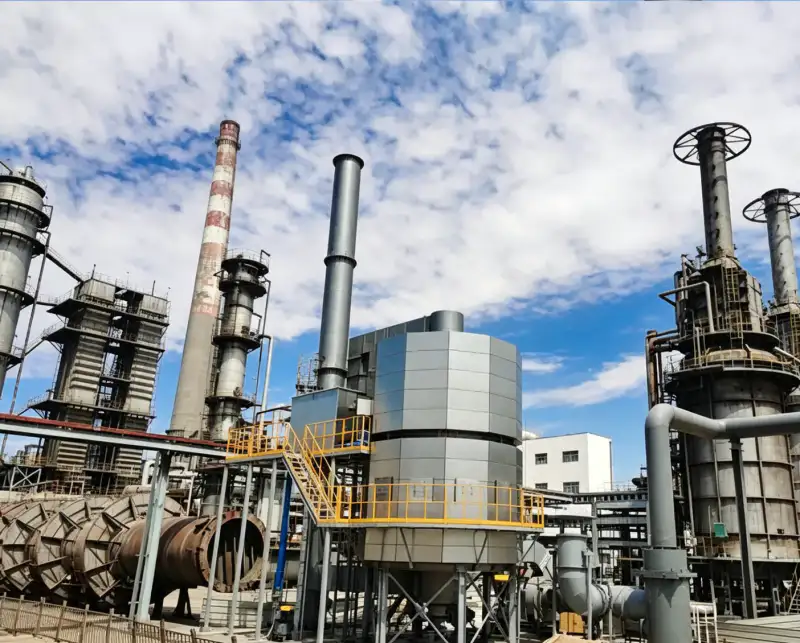
Coal Coking Plant
High-concentration coke oven gas
Coking & Chemical Complex
Rotary Valve RTOGas Source
Coking units, chemical production, salt extraction reactor
Flow Rate
35,000 Nm3/h
Components
Benzene, methane, CO, tar, naphthalene
Challenges
- Ammonium salt blockage prevention
- Stable coke oven gas combustion
- Secondary pollutant control
Configuration
Pretreatment + Rotary Valve RTO
NMHC: 2,791 to 30.6 mg/m3 (99% removal)
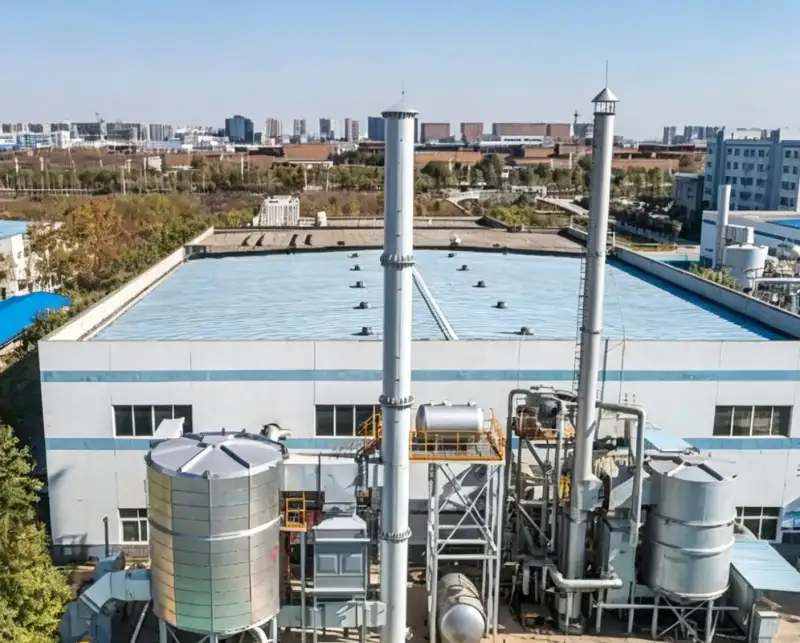
Optical Film Coating
Precision coating line VOC recovery
Film Manufacturer
Rotary RTO SystemApplication
Optical film, protective film, adhesive coating lines
Key Features
- High-purity solvent recovery
- Continuous stable operation
- Low energy consumption design
Result
Meeting stringent semiconductor-grade emission standards
VOC removal efficiency > 99.5%
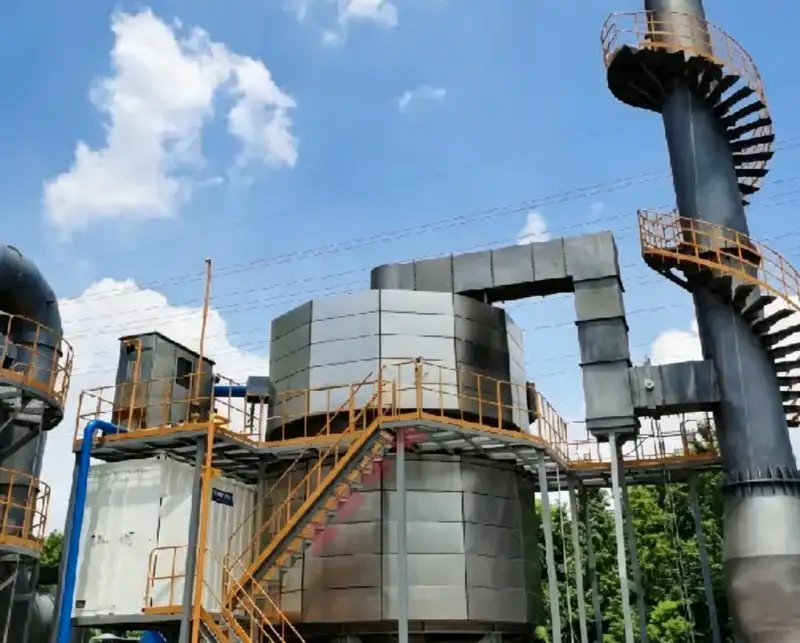
Ceramic & Brick Kiln
High-temperature kiln exhaust treatment
Kiln Operation
Rotary RTO + Heat RecoveryApplication
Ceramic tiles, refractory bricks, sanitary ware firing
Challenges
- High-temperature exhaust (300-500 C)
- Dust and particulate loading
- Variable VOC concentration
Solution
Pre-cooling + filtration + Rotary RTO with waste heat boiler
Thermal efficiency > 95%, VOC < 30 mg/m3
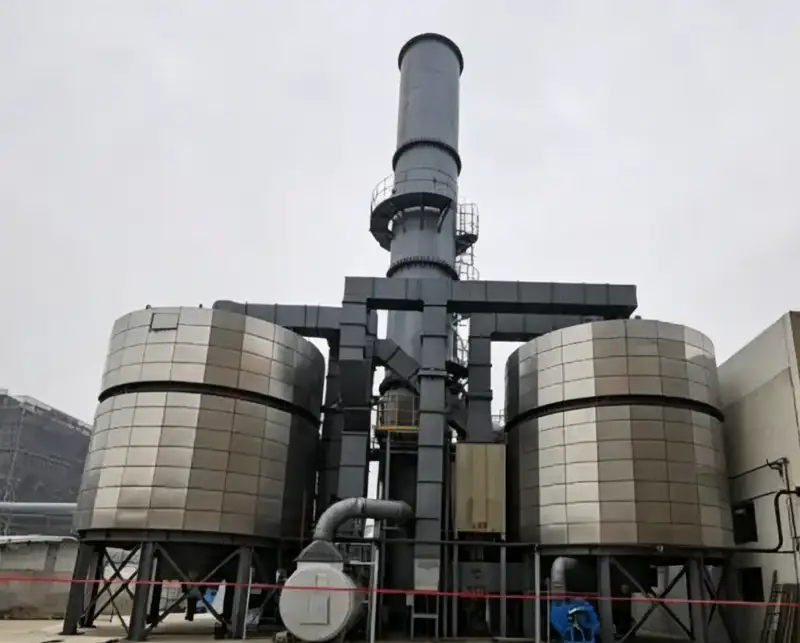
Packaging Printing
Gravure & flexographic print VOC control
Printing Facility
Rotary RTO SystemApplication
Food packaging, label, decorative printing lines
Gas Characteristics
- High air volume, low concentration
- Ethyl acetate, alcohol solvents
- Intermittent operation pattern
Solution
Zeolite concentration rotor + compact Rotary RTO
Energy saving 40%, emission < 50 mg/m3
 EN
EN  ZH
ZH  ES
ES  AR
AR  ID
ID  PT
PT  FR
FR  JA
JA  RU
RU  DE
DE  MS
MS  CS
CS  BG
BG  NL
NL  KO
KO  RO
RO  SK
SK  TH
TH  VI
VI  ZH_TW
ZH_TW  UK
UK