Start RCO catalyst selection with the waste-gas stream
Regenerative Catalytic Oxidation, or RCO, combines catalytic oxidation with a regenerative heat-management arrangement. In suitable service, a catalyst promotes oxidation under conditions different from those needed for uncatalyzed thermal oxidation. Suitability is the key word: results depend on the organic compounds, oxygen availability, contaminant profile, catalyst formulation, and the equipment configuration proposed for the plant.
A purchasing decision should begin with process evidence, not a generic claim that catalytic oxidation operates at a lower temperature. A reviewer needs to understand where exhaust originates, how it changes between production modes, what enters the duct during startup or cleaning, and which constituents may affect catalyst performance. This evidence establishes whether RCO merits further design and what pretreatment or limits may be needed.
Compare RCO and RTO design trade-offs →
Characterize the chemistry
Protect catalyst activity
Design for serviceability
Build a representative exhaust profile
Total VOC concentration is useful, but it does not describe the whole catalyst environment. Two streams with similar totals may behave differently because of solvent families, moisture, aerosols, or trace constituents. Record known compounds and their ranges, identify unresolved peaks, and state whether samples represent a normal shift, peak production, cleaning, or an upset. The goal is a defensible stream profile rather than a convenient average.
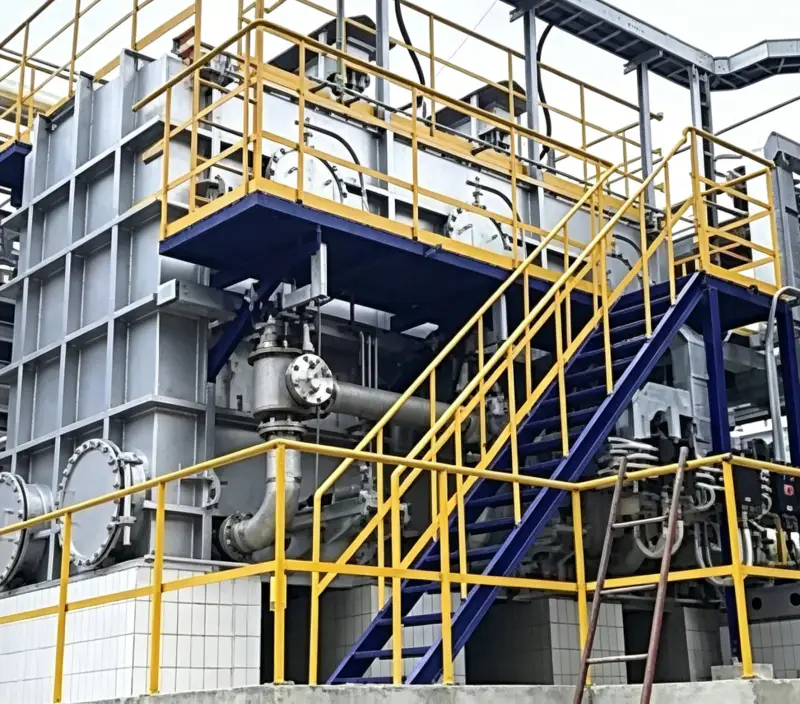
Sampling should reflect the actual process instead of only the easiest sampling point. A composite sample can hide short solvent peaks, while a grab sample may miss changeover or cleaning emissions. Coordinate with operations, cover different products and recipes, and document the production state at each measurement. These records show the envelope the oxidizer must handle and help avoid designing around an unrepresentative operating condition.
Temperature and moisture need their own records. A cold or humid exhaust can affect condensation risk and the behavior of compounds before they reach the catalyst. Hot process gas can change the available operating window or heat-management requirements. Where gas cools along long ducts, assess condensation and deposit risks instead of assuming the conditions at the process outlet remain unchanged at the oxidizer inlet.
Particulate and aerosol loading matter even when particles are not the principal pollutant. Fine solids, sticky mist, resin droplets, and high-boiling organics can deposit on upstream surfaces or catalyst channels. Ask whether filtration, mist removal, or other pretreatment is required, and define how pressure trends or inspections will show that the upstream system is functioning. The correct solution follows the stream data and equipment design.
Chemical compatibility should be evaluated against the actual catalyst formulation. Silicon-bearing species, sulfur compounds, halogens, certain metals, and unusual process additives may warrant review, but effects depend on chemical form, concentration, temperature, and catalyst chemistry. Do not treat a generic list as proof that a specific stream is safe. Ask the supplier to identify evaluated compounds, exclusions, and the evidence supporting the compatibility conclusion.
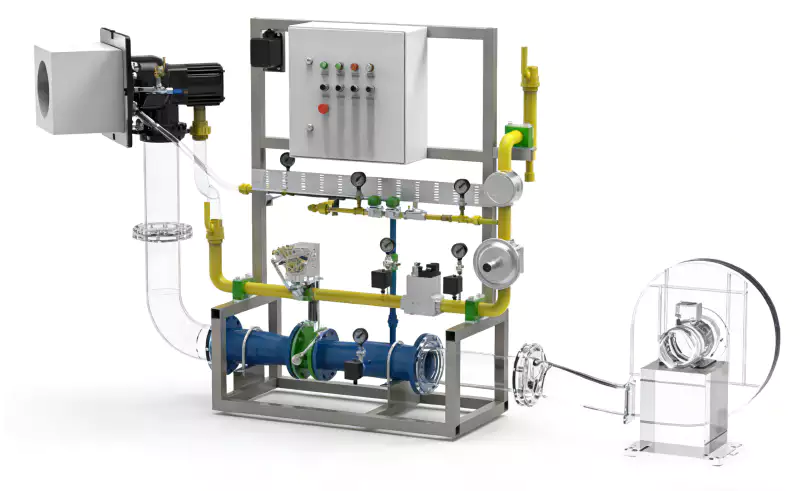
Record the plant’s production rhythm as well. Continuous operation differs from short campaigns with frequent stops. The catalyst may see repeated heat-up and cool-down, extended idle periods, or cleaning emissions unlike normal production. Include these modes in the design discussion and ask how controls prevent an unreviewed mode from becoming an uncontrolled condition. A stable average is not a substitute for understanding transitions.
The required emissions objective belongs in the same data package. Identify the permit limit or project target, the measurement basis, and the operating conditions under which performance will be demonstrated. Do not compare proposals if one assumes a stable feed while another covers a wider operating range. Test method and acceptance conditions should be clear before a technology preference becomes a purchase specification.
Record the limits of available information. If a recipe is confidential, a plant can still provide compound families, safety data, ranges, and an agreed sampling plan to qualified reviewers. If a compound is unidentified, list it as unresolved rather than assuming it is harmless. A transparent uncertainty register lets the team decide whether additional sampling is needed before the catalyst specification is finalized.
Turn catalyst selection into a documented engineering decision
After characterizing the stream, compare catalyst arrangements against actual service conditions. Relevant questions include operating envelope, available catalyst data, contaminant resistance, mechanical format, allowable pressure drop, thermal constraints, and practical inspection methods. A selection matrix makes these items visible and prevents one attractive feature from dominating. It also gives procurement a consistent basis for comparing technically different proposals.
| Selection factor | Evidence to collect | Decision supported |
|---|---|---|
| VOC chemistry | Compound list, concentration range, unknown peaks | Catalyst compatibility and need for sampling |
| Physical contaminants | Dust, aerosol, mist, condensable deposits | Pretreatment and inspection requirements |
| Operating envelope | Normal, peak, startup, shutdown, cleaning modes | Control limits and design coverage |
| Mechanical access | Clearances, lifting, isolation, module handling | Safe inspection and replacement planning |
| Performance basis | Project target and test method | Acceptance criteria and operating records |
An RCO proposal should explain the catalyst’s role in the whole process, not simply name a material family. Ask which compounds it is intended to oxidize, which compounds have not been evaluated, and what operating conditions are assumed. The supplier should distinguish supported design assumptions from matters that still require sampling, testing, or further engineering. That distinction is essential when the stream profile contains uncertainty.
Pressure drop and flow distribution should be considered together. The catalyst bed needs a flow path that promotes contact with active surfaces without unacceptable resistance or bypassing. Vessel geometry, transitions, distribution hardware, catalyst supports, and upstream filters influence the complete pressure profile. Ask for the system-level basis and how a future pressure increase will be distinguished from changes in fan operation or process flow.
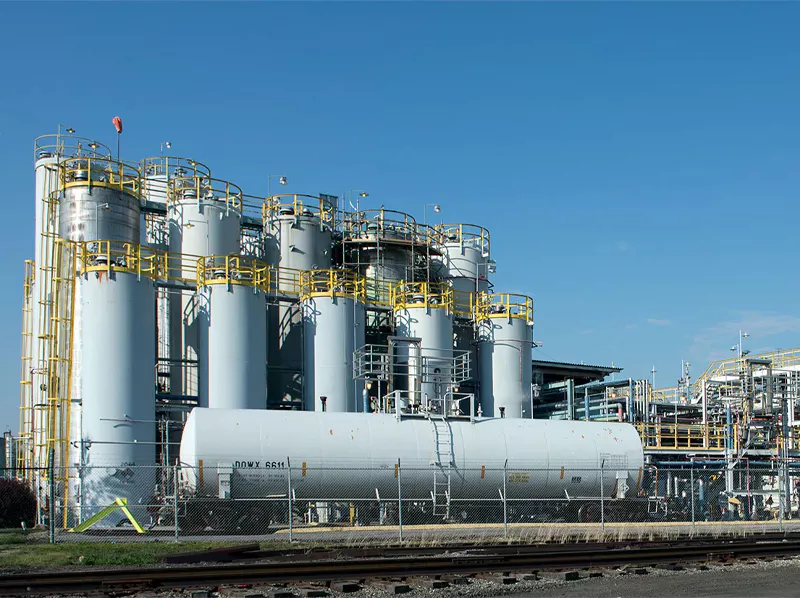
Mechanical format affects inspection and replacement. Modular elements may simplify handling in some designs, while other layouts need more involved access or lifting provisions. Review clearances, isolation points, lifting arrangements, storage for replacement elements, and records linking each installed module to its service history. A technically suitable catalyst can still become a maintenance problem if the plant cannot inspect or remove it safely.
A five-step catalyst-selection workflow
Heat recovery belongs in the same decision. Regenerative equipment transfers heat between outgoing treated gas and incoming exhaust, but the usable benefit depends on process duty, heat losses, operating cycle, and control strategy. Ask for assumptions behind any energy estimate and clarify whether it includes startup, shutdown, low-load periods, and planned maintenance. A single headline figure cannot explain every condition the plant will experience.
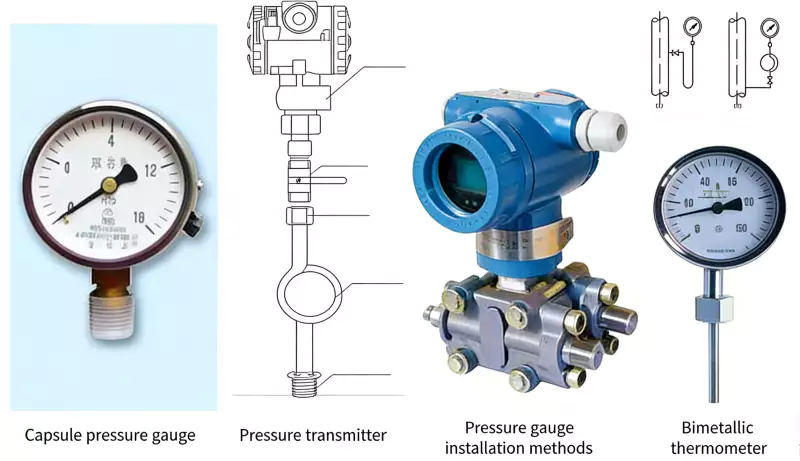
Maintenance planning should start before commissioning. Establish a baseline for inlet conditions, pressure drop, temperatures, control settings, and any catalyst activity checks recommended by the supplier. Preserve commissioning records and define who can change operating limits. Later drift is easier to investigate when current readings can be compared with a documented baseline rather than a generic service interval or operator recollection.
Prepare process data for an RCO RFQ →
At the commercial stage, evaluate lifecycle cost rather than purchase price alone. Include pretreatment, fan energy, supplemental heat, sampling, planned downtime, catalyst replacement assumptions, labor, spares, and disposal requirements where applicable. A low initial quote may omit equipment needed to protect the catalyst or safely maintain the system. Ask every bidder to use the same scope boundary and operating assumptions before comparing totals.

An effective catalyst specification is not a list of isolated numbers. It connects feed composition, expected operating modes, emissions objective, compatibility, pressure drop, heat management, access provisions, and inspection plan. When these relationships are explicit, procurement can compare proposals fairly and operators can understand the conditions under which the selected system is expected to perform.
Before approval, review the specification with process engineering, environmental compliance, maintenance, operations, and safety representatives. Each group sees a different risk: production knows recipe changes, environmental staff know the permit basis, maintenance knows access constraints, and operators know abnormal sequences. A short cross-functional review can reveal missing data before they become a change order or a commissioning delay.
Keep the final design record tied to the assumptions used for selection. If the plant changes solvents, coatings, additives, production speed, airflow, or cleaning chemistry, compare the change with the original exhaust envelope before assuming the catalyst remains appropriate. The same applies after a major upset or long shutdown. Change control protects the equipment investment and the credibility of the performance basis.
 SK
 EN
 ZH
 ES
 AR
 ID
 PT
 FR
 JA
 RU
 DE
 MS
 CS
 BG
 NL
 KO
 RO
 TH
 VI
 ZH_TW
 UK