Evaluate paint-shop exhaust by process stage, not by the factory label
An automotive paint shop is not one steady VOC source. Exhaust conditions may differ between application booths, flash-off zones, drying ovens, curing ovens, color changes, and equipment cleaning. Those stages can run at different temperatures and schedules, and may release different solvent mixtures. Before considering regenerative catalytic oxidation, map each source and record when it operates. The map should show where branches meet, which fans serve them, and which operating modes overlap.
The label paint exhaust is too broad to establish catalyst compatibility. A coating formulation may contain several organic compounds, while cleaners, additives, and process changes can introduce additional constituents. Total VOC concentration is useful, but it does not identify every compound that matters. Collect current material information and representative samples, then compare known chemistry with the proposed catalyst’s documented limits. Unknowns should remain visible until an appropriate review resolves them. RCO catalyst compatibility review provides a related technical reference for this decision.
Build the paint-line exhaust map
Start with a production timeline. Mark normal painting, color change, line cleaning, oven warm-up, curing, idle periods, and shutdown. A short solvent peak during changeover can be hidden by a shift-average sample. Likewise, a sample taken while one line is idle may not represent the combined header at full production. Tie each measurement to the exact process state so an engineer can distinguish a real operating range from an average that smooths away important variation.
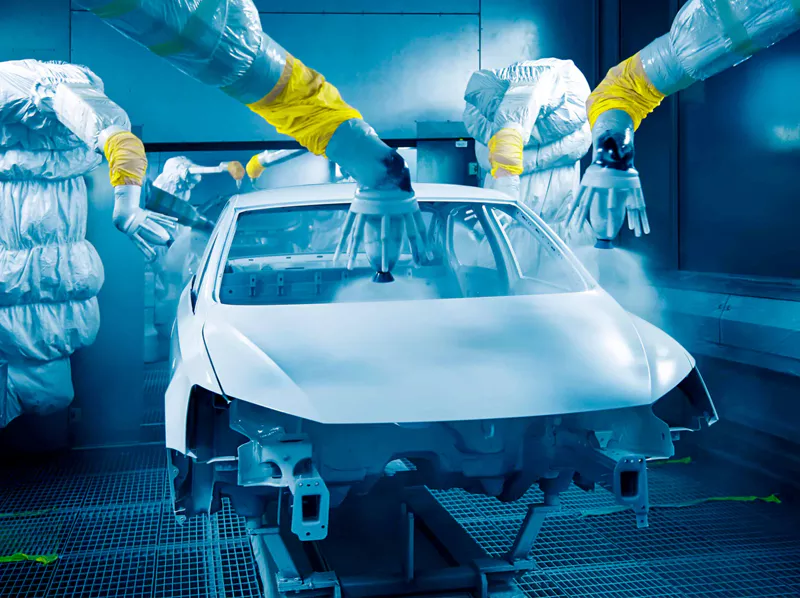
Booth exhaust and oven exhaust may have different temperature, moisture, aerosol, and solvent characteristics. A source that carries paint mist needs a different review from a heated stream dominated by vapor. Do not assume one pretreatment arrangement solves every issue. Identify physical droplets, particles, condensables, and possible deposits separately from gas-phase chemistry. This prevents a particle-removal step from being credited with removing a dissolved or gaseous constituent without supporting evidence.
Oven operation deserves its own heat and emissions assessment. Inlet temperature, airflow, curing schedule, and solvent loading may vary as products and line speeds change. Those changes affect the energy balance and the conditions presented to the catalyst. Record minimum, typical, and peak operating cases that the system must support. If a new coating or curing profile is planned, include it in the design basis rather than assuming the current recipe represents future production.
Capture efficiency is part of the treatment system’s job, even though it sits upstream of the oxidizer. Booth doors, enclosures, exhaust branches, balancing dampers, and operator practices affect what reaches the RCO. Uncontrolled air leakage may increase volume and fan demand; poor capture can also leave emissions outside the ducted system. Any proposed airflow reduction must be evaluated against process quality, worker protection, and ventilation requirements, not treated as a simple energy-saving adjustment.
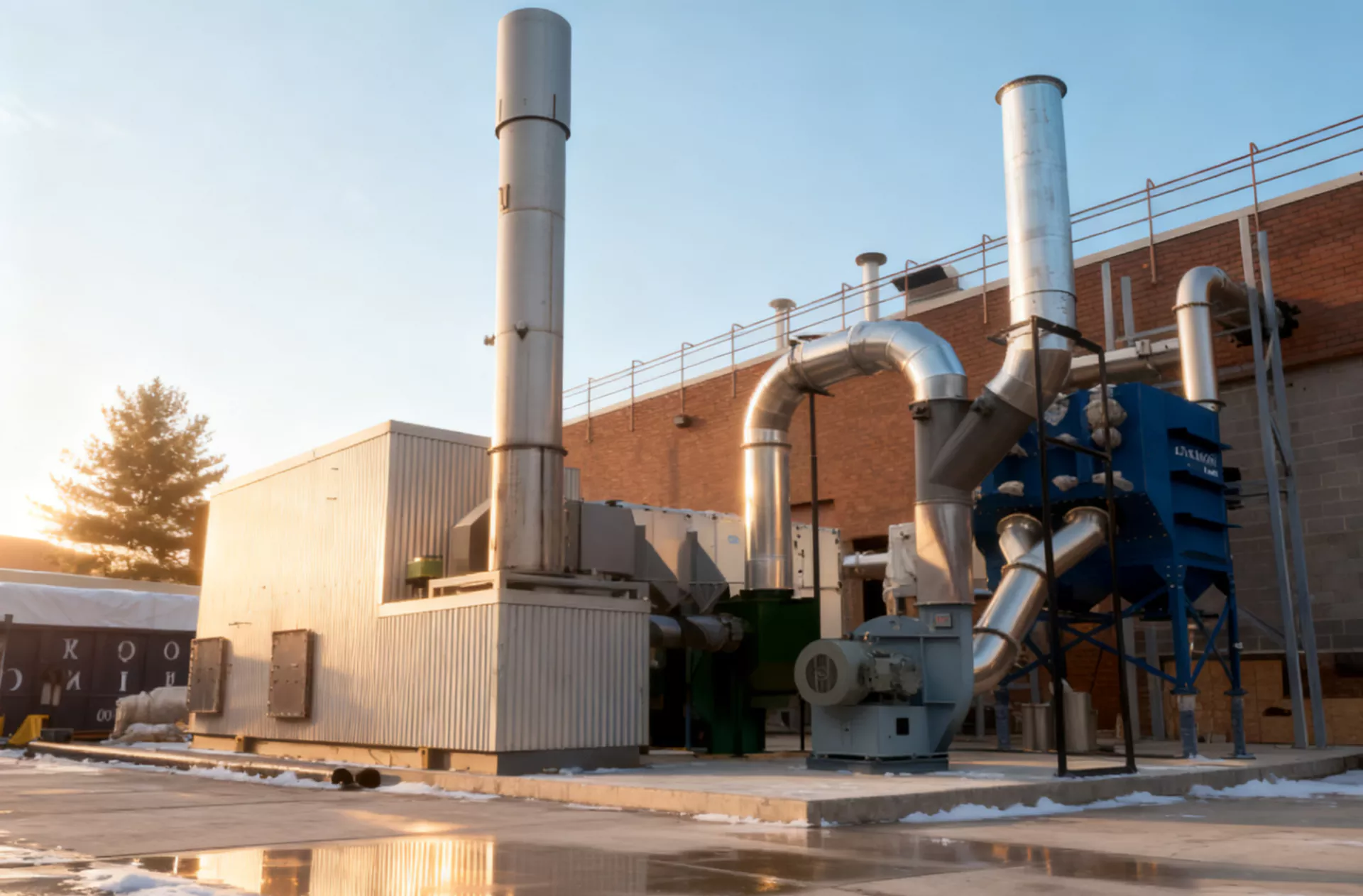
A credible RCO review should define flow at relevant operating modes. Include branch-level flow where practical, combined header flow, fan operating point, and changes caused by dampers or line scheduling. Record whether values are measured or estimated and the conditions under which they were collected. If several lines can run simultaneously, assess the combination rather than sizing from each line’s isolated average. The result is a usable flow envelope, not a single number with hidden assumptions.
Catalyst compatibility must be checked against the actual coating and cleaning chemistry. Some constituents may affect catalytic activity depending on chemical form, concentration, temperature, and exposure. A generic list of possible contaminants is a screening aid, not proof that a particular paint formulation is unsuitable or safe. Ask the supplier to identify the compounds reviewed, the conditions assumed, and any additional sampling required. This is especially important when recipes change frequently or proprietary formulations are used.
Convert coating variability into a testable design basis
Pretreatment should have a defined purpose. Mist separation, particulate filtration, condensation management, or other conditioning may be appropriate for some streams, but each component should be matched to measured contaminants. Specify what it is intended to remove, how its condition will be monitored, and what maintenance is required. A filter that loads unnoticed can alter pressure drop and airflow; a separator that handles droplets does not automatically resolve chemical compatibility.
The control narrative should cover changes between production states. Depending on the approved design, relevant signals may include fan status, flow, temperature, equipment position, heat input, and other process permissives. The exact interlocks must follow the plant’s hazard review and installed architecture. Operators need a clear response for loss of flow, an out-of-envelope feed condition, a failed sensor, or a trip. Do not copy a sequence from another plant without confirming that it fits this line. For related design context, see VOC safety and interlock considerations.

| Paint-line area | Evidence to collect | Why it changes the decision |
|---|---|---|
| Application booth | Flow, coating family, aerosol or mist observations | Defines capture and pretreatment needs |
| Flash-off zone | Solvent profile and time-based concentration range | May reveal short peaks hidden by averages |
| Drying or curing oven | Temperature, airflow, schedule and recipe changes | Supports heat balance and operating envelope |
| Cleaning and changeover | Agents used, timing and branch routing | Can introduce a different chemistry |
| Combined exhaust header | Simultaneous source flows and fan data | Shows the actual system duty |
Paint shops also need to consider what happens when the production line stops but exhaust or oven heat remains. Shutdown may create a different temperature and concentration profile from steady production. Define the approved sequence for ending a coating run, handling residual vapors, and returning the system to service. Do not improvise a bypass or weaken a protective function to keep production moving. The proper response depends on the site’s documented safety and environmental requirements.
When comparing proposals, use the same scope boundary. One vendor may include booth exhaust modifications, pretreatment, fans, controls, stack sampling ports, and service access, while another quote may cover only the RCO package. A price comparison without an interface list can make an incomplete scope appear less expensive. Ask each bidder to list what the plant supplies, which flow cases are covered, which compounds were reviewed, and which assumptions require confirmation before design release.
Heat recovery should be compared using the same production schedule. A paint line with repeated color changes, planned pauses, or several shifts may have a different annual energy profile from a continuous process. Ask for separate estimates for startup, normal production, low-load operation, and planned idle periods when these cases materially differ. Keep any proposed external heat reuse separate from the oxidizer’s own energy balance until the receiving process and schedule are confirmed.
A practical review sequence
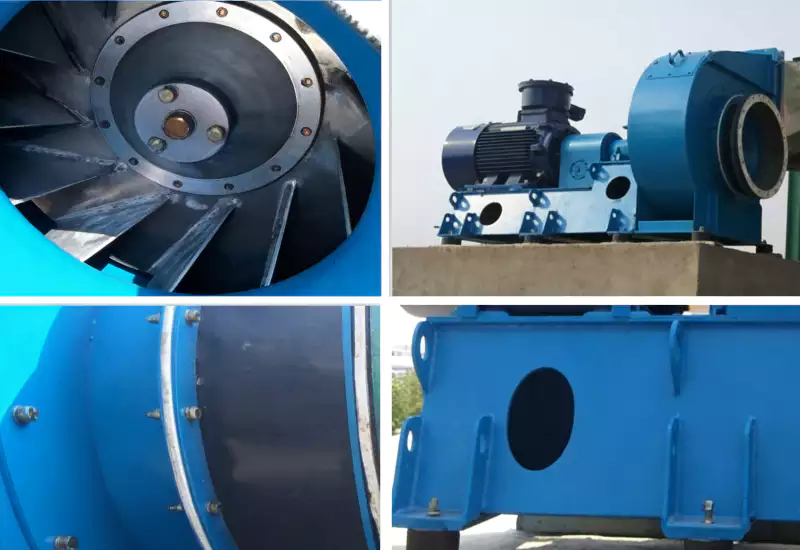
Pressure drop needs a complete-system review. Booth ductwork, filters, dampers, regenerative media, catalyst, and stack components all contribute resistance. If an existing fan is being reused, compare its verified capability with the proposed operating point and capture requirements. A higher pressure reading alone does not prove catalyst plugging; flow, fan state, instrument condition, and pretreatment loading must also be checked. The same measurements will later help operations identify where an unexpected restriction begins.
Commissioning should verify both treatment performance and plant interfaces. Confirm instrument calibration, fan response, approved valve or rotor sequence where fitted, alarm and trip behavior, and operating conditions required for the performance test. Record the coating recipe, line speed, exhaust flow, and other agreed process variables during testing. If the planned paint-line condition cannot be reproduced, document the limitation and agree whether another test is needed rather than claiming that every mode has been demonstrated.
Build an operating record that follows production changes. Log the coating family or approved recipe identifier, line state, relevant flow and temperature readings, pressure trends, alarms, and maintenance events. The log should help distinguish a process-driven shift from equipment deterioration. It does not need to collect every available signal; it needs to preserve the context necessary to interpret measurements that matter to the design and acceptance basis.
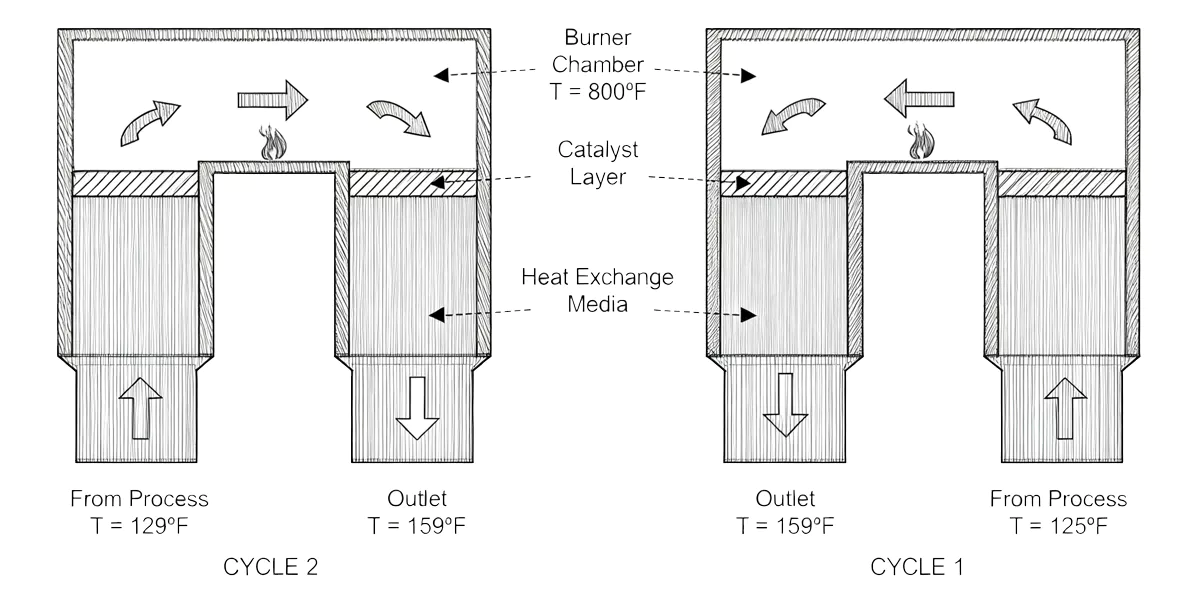
A change-control review should be triggered by new paint formulations, solvents, cleaning agents, line additions, exhaust balancing changes, or a major shift in curing conditions. Compare the proposed change with the original chemistry and flow envelope before treating it as routine. If the change falls outside the reviewed basis, determine whether additional sampling, supplier review, safety assessment, or updated acceptance testing is needed. This is less disruptive than discovering incompatibility after a new product has entered production.
Maintenance planning should include safe access to catalyst modules, upstream separators, instruments, fans, and pressure taps. Confirm lifting routes and isolation points before the layout is frozen. Keep module identity and service history available, and follow supplier instructions for inspection and replacement. The calendar alone does not determine catalyst life; actual exposure, observed condition, and required performance all matter. Planned access reduces the temptation to postpone checks because they are difficult to perform. Before freezing the scope, review RCO process-data checklist with the team responsible for the operating envelope.
Pertanyaan yang Sering Diajukan
Can all paint-shop exhaust be combined before RCO?
Is a total VOC reading enough for catalyst selection?
Does paint mist filtration prove the gas is catalyst-compatible?
Should color changes be included in the design basis?
What belongs in the acceptance test?
Prepare source-by-source flow and chemistry records, include changeover and cleaning modes, and define the acceptance basis before requesting a final proposal.
 ID
 EN
 ZH
 ES
 AR
 PT
 FR
 JA
 RU
 DE
 MS
 CS
 BG
 NL
 KO
 RO
 SK
 TH
 VI
 ZH_TW
 UK