
RTO Gas Treatment Harsh Environments
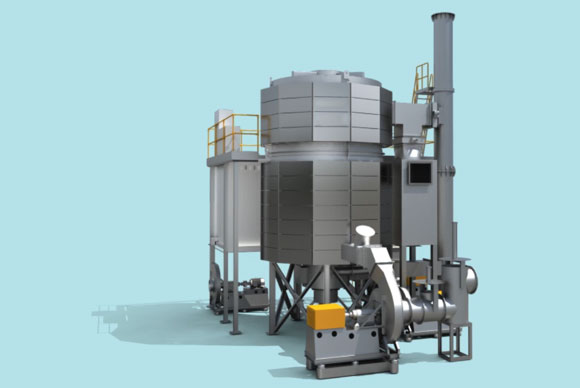
Regenerative Thermal Oxidizers (RTOs) are widely used to control hazardous air pollutants, volatile organic compounds (VOCs), and other air pollutants. However, RTO gas treatment in harsh environments can pose significant challenges, requiring careful consideration and planning to ensure effective operation and compliance with environmental regulations. This blog post will explore the key challenges and solutions to RTO氣體處理 in harsh environments.
1. High Humidity and Moisture Content
High humidity and moisture content in the gas stream can cause problems for RTO systems, such as corrosion, erosion, and fouling of the heat transfer media. To mitigate these issues, it is essential to ensure proper design and sizing of the RTO, including the use of corrosion-resistant materials and the installation of moisture removal equipment, such as a pre-cooler or a condenser.
2. High Particulate and Dust Content
High particulate and dust content in the gas stream can cause plugging of the media beds and reduce the RTO’s heat transfer efficiency. To address this issue, it is crucial to use effective particulate removal equipment, such as cyclones or bag filters, before the gas enters the RTO系統. Additionally, frequent cleaning of the media beds can help to remove accumulated particulates and maintain proper airflow.
3. High Temperature and Thermal Shock
High temperature and thermal shock can cause damage to the RTO’s media beds, resulting in reduced efficiency and shortened lifespan. It is therefore necessary to select high-temperature resistant materials for the media beds, insulation, and other components, as well as to design and operate the RTO within safe temperature ranges. In addition, preheating the incoming gas stream and controlling the flow rate can help to reduce thermal shock.
4. Corrosive Gases and Materials
Corrosive gases and materials in the gas stream can cause damage to the RTO’s components, such as the media beds, valves, and flue gas ductwork. To prevent corrosion, it is important to use corrosion-resistant materials, such as stainless steel or ceramic, for the affected components. Additionally, regular inspection, maintenance, and cleaning can help to identify and prevent corrosion issues before they become severe.
5. High Viscosity and Fouling
High viscosity and fouling of the gas stream can impair the RTO’s operation by reducing the flow rate and heat transfer efficiency. To overcome this problem, it is critical to use proper gas conditioning equipment, such as a preheater or a viscosity reducer, to adjust the gas stream’s properties before it enters the RTO. Additionally, routine cleaning and maintenance of the RTO’s media beds and other components can help to prevent fouling and maintain optimal performance.
6. High Pressure and Flow Rate
High pressure and flow rate of the gas stream can cause damage to the RTO’s components and reduce its operating efficiency. To address this issue, it is essential to use proper equipment, such as pressure relief valves and flow control devices, to regulate the gas stream’s pressure and flow rate. Additionally, proper sizing and design of the RTO and its components can help to withstand high-pressure and high-flow conditions.
7. Variable Gas Stream Composition
Variable gas stream composition can affect the RTO’s performance and require adjustments to the operating parameters. To address this issue, it is crucial to monitor and analyze the gas stream’s composition, such as its VOC content and concentration, and adjust the RTO’s settings accordingly. Additionally, proper design and sizing of the RTO can help to accommodate variations in the gas stream composition.
8. EMissions Compliance
Finally, it is critical to ensure that the RTO system meets all emissions regulations and compliance requirements. This includes regular testing and monitoring of the gas stream, as well as proper record-keeping and reporting. Additionally, proper maintenance and inspection of the RTO system can help to prevent compliance issues and maintain optimal performance.
In conclusion, RTO gas treatment in harsh environments requires careful planning, design, and operation to ensure optimal performance and compliance with environmental regulations. By addressing the key challenges outlined above, including humidity, particulate content, temperature, corrosion, viscosity, pressure, gas stream composition, and emissions compliance, companies can achieve safe, effective, and sustainable RTO gas treatment in any environment.
我們是一家專注於高端裝備製造中揮發性有機化合物(VOCs)廢氣綜合處理、碳減排及節能技術的高科技企業。我們的核心技術團隊源自航太液體火箭發動機研究所(航太第六研究所),擁有60多名研發技術人員,其中包括3名資深研究員和16名資深工程師。我們擁有四大核心技術:熱能、燃燒、密封和自動控制。此外,我們也具備溫度場和氣流場模擬建模計算能力;陶瓷儲熱材料、分子篩吸附材料的性能測試能力;以及VOCs有機物高溫焚燒氧化特性的實驗測試能力。我們在古城西安建立了RTO技術研發中心和廢氣碳減排工程技術中心,並在楊凌建立了佔地3萬平方公尺的生產基地。我們的RTO設備產量和銷售量遠超世界平均水準。
我們的研發平台由多個高科技實驗站組成,其中包括:
高效率燃燒控制技術試驗站
分子篩吸附效率實驗站
高效能陶瓷儲熱技術實驗站
– 超高溫餘熱回收實驗站
– 氣體流體密封技術實驗站
我們的高效能燃燒控制技術實驗站是基於我們的核心技術,可減少951噸/千噸以上的廢氣排放,同時有效控制氮氧化物排放至50毫克/立方米以下。我們的分子篩吸附效率實驗站配備了先進的吸附劑篩選設備和綜合評估系統,可對分子篩材料的性能進行評估和改進。我們的高效能陶瓷儲熱技術實驗站配備了高溫高壓試驗平台,可測試陶瓷材料在不同條件下的熱穩定性,為新材料的研發提供全面支援。我們的超高溫廢熱回收實驗站配備了高溫高壓反應系統,可測試廢熱回收在不同條件下的性能。最後,我們的氣液密封技術實驗站可模擬不同壓力和溫度下的氣液密封過程,並對產品性能進行全面評估。
我們擁有68項專利(21項發明專利、41項實用新型專利、6項設計專利及7項軟體著作權),涵蓋我們技術的關鍵組成部分。我們致力於為客戶提供高品質的產品和服務,並已獲得多項認證,包括ISO9001品質管理系統認證、環境管理系統認證和職業健康安全管理系統認證。
我們的生產能力包括:
鋼板型材自動噴丸塗裝生產線
– 手動拋丸生產線
– 除塵環保設備
– 自動噴漆室
– 烘乾室
我們有能力按時生產出滿足客戶要求的高品質設備。我們是值得信賴的合作夥伴,能夠為客戶提供交鑰匙解決方案。
我們的優勢包括:
– 經驗豐富的技術團隊
先進技術
– 產品系列齊全
良好的服務態度
嚴格的品質管制
價格極具競爭力
我們期待與客戶攜手共創美好未來。請立即聯絡我們以取得報價或諮詢。
作者:宮ああ。
 ZH_TW
ZH_TW  EN
EN  ZH
ZH  ES
ES  AR
AR  ID
ID  PT
PT  FR
FR  JA
JA  RU
RU  DE
DE  MS
MS  CS
CS  BG
BG  NL
NL  KO
KO  RO
RO  SK
SK  TH
TH  VI
VI  UK
UK