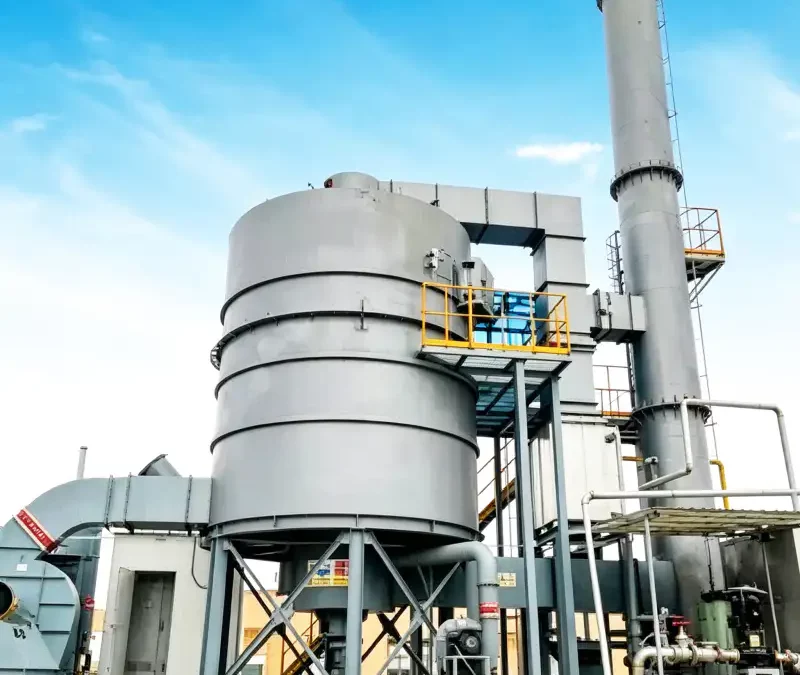
經過 管理員 | 10 月 20, 2026 | 蓄熱式熱氧化器博客
Quick answer: A useful RTO RFQ describes the complete exhaust envelope, not only a nominal airflow. Include minimum, normal, maximum, and upset flow; inlet temperature; VOC species and concentration range; oxygen and moisture; particulate, aerosol, and condensables;... 經過 管理員 | 10 月 20, 2026 | RTO熱氧化器博客
Quick answer: RTO, RCO, and thermal oxidizer options should be compared against the same exhaust data. RTO emphasizes regenerative ceramic heat recovery; RCO adds catalyst behavior and catalyst-contaminant compatibility; non-regenerative or recuperative thermal... 
經過 管理員 | 10 月 20, 2026 | RTO VOC 控制博客
Quick answer: RTO safety starts with accurate process data and a site-specific hazard review. Document VOC species and variability, concentration measurement basis, oxygen, airflow, temperature, startup and shutdown states, credible upset cases, dilution sources,... 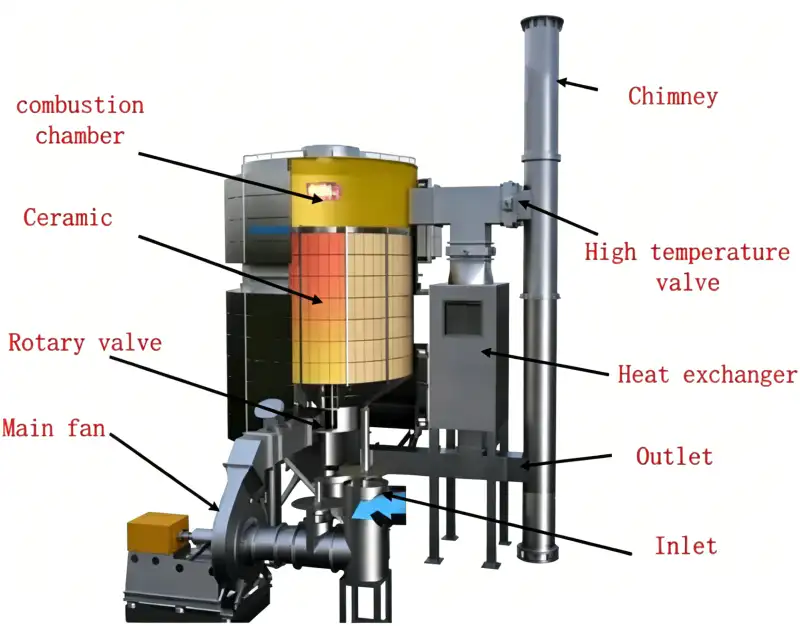
經過 管理員 | 10 月 20, 2026 | 蓄熱式熱氧化器博客
Quick answer: Plan RTO maintenance around both scheduled inspection and condition trends. Track regenerative-bed pressure, fan behavior, fuel use, temperatures, switching hardware, instruments, alarms, and process changes, then use the installed system documentation... 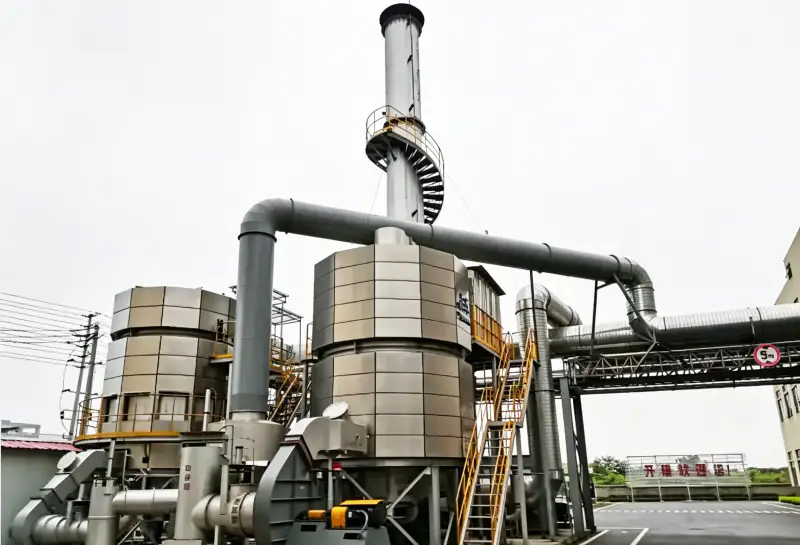
經過 管理員 | 10 月 20, 2026 | 蓄熱式熱氧化器博客
Quick answer: For printing and coating applications, an RTO should be specified from the production schedule and exhaust profile: connected machines, dryer airflow, solvent species and concentration range, temperature, aerosols or particulates, line changes, capture...
 ZH_TW
 EN
 ZH
 ES
 AR
 ID
 PT
 FR
 JA
 RU
 DE
 MS
 CS
 BG
 NL
 KO
 RO
 SK
 TH
 VI
 UK