經過 管理員 | 10 月 20, 2026 | 蓄熱式熱氧化器博客
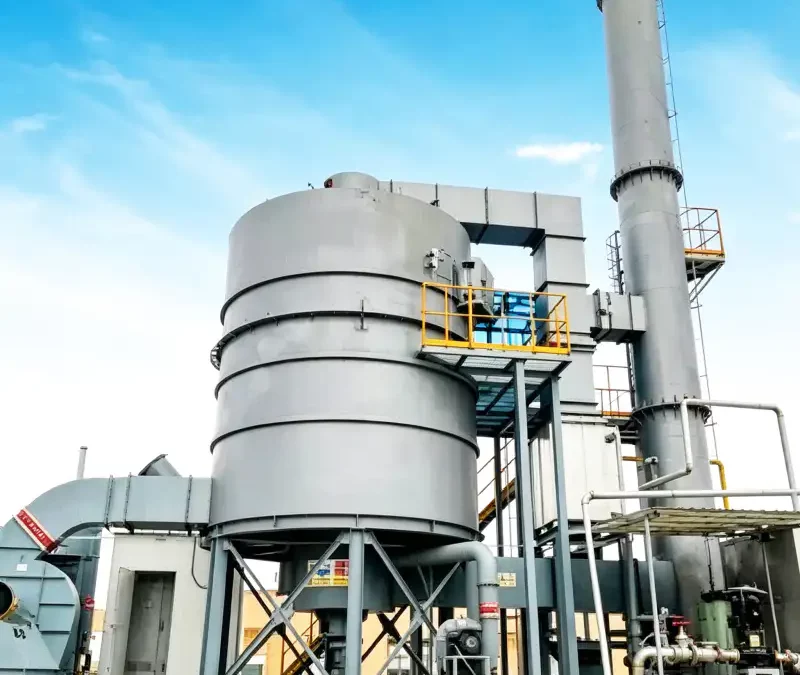
Quick answer: A useful RTO RFQ describes the complete exhaust envelope, not only a nominal airflow. Include minimum, normal, maximum, and upset flow; inlet temperature; VOC species and concentration range; oxygen and moisture; particulate, aerosol, and condensables;... 經過 管理員 | 10 月 20, 2026 | RTO熱氧化器博客
Quick answer: RTO, RCO, and thermal oxidizer options should be compared against the same exhaust data. RTO emphasizes regenerative ceramic heat recovery; RCO adds catalyst behavior and catalyst-contaminant compatibility; non-regenerative or recuperative thermal... 
經過 管理員 | 10 月 20, 2026 | RTO VOC 控制博客
Quick answer: RTO safety starts with accurate process data and a site-specific hazard review. Document VOC species and variability, concentration measurement basis, oxygen, airflow, temperature, startup and shutdown states, credible upset cases, dilution sources,... 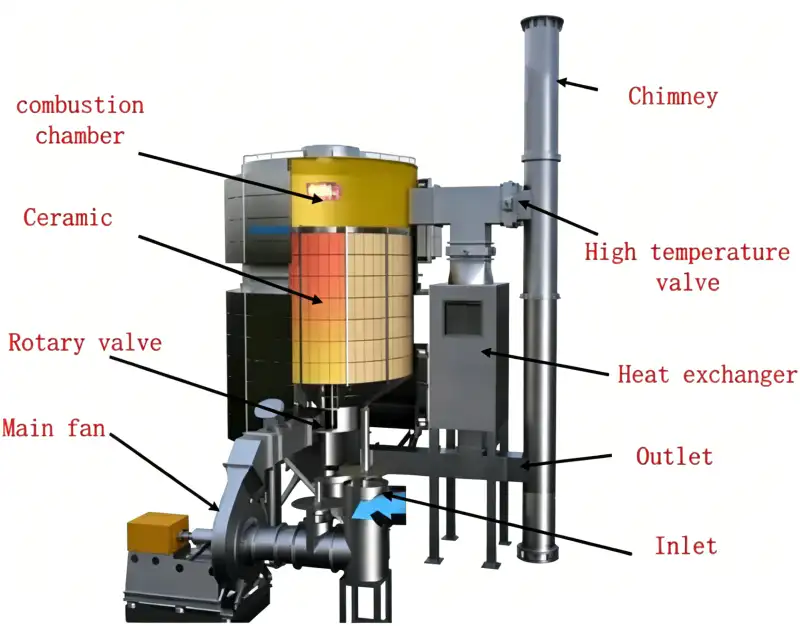
經過 管理員 | 10 月 20, 2026 | 蓄熱式熱氧化器博客
Quick answer: Plan RTO maintenance around both scheduled inspection and condition trends. Track regenerative-bed pressure, fan behavior, fuel use, temperatures, switching hardware, instruments, alarms, and process changes, then use the installed system documentation... 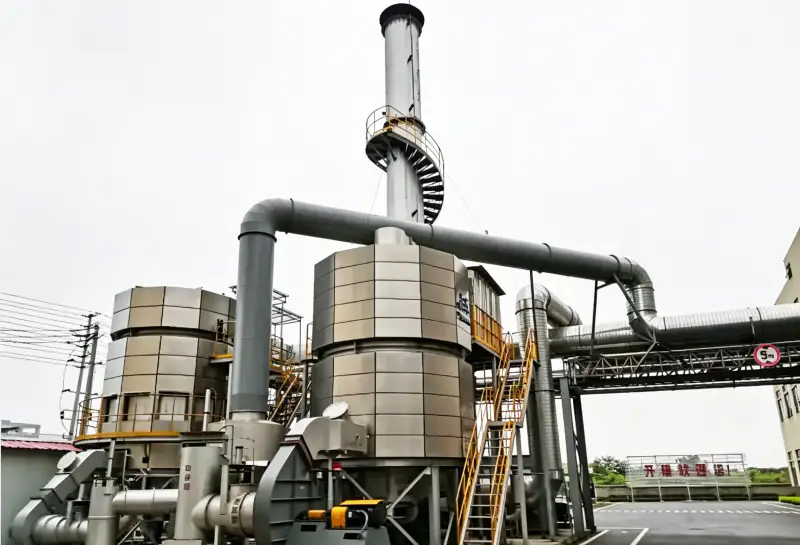
經過 管理員 | 10 月 20, 2026 | 蓄熱式熱氧化器博客
Quick answer: For printing and coating applications, an RTO should be specified from the production schedule and exhaust profile: connected machines, dryer airflow, solvent species and concentration range, temperature, aerosols or particulates, line changes, capture... 經過 管理員 | 10 月 20, 2026 | RTO 與熱回收博客
Quick answer: Rising RTO fuel consumption is usually a heat-balance symptom, not proof of a burner fault. Compare airflow, VOC load, inlet temperature, startup frequency, leakage or dilution, media pressure drop, switching condition, sensor accuracy, and production... 
經過 管理員 | 10 月 20, 2026 | 蓄熱式熱氧化器博客
Quick answer: RTO ceramic media should be evaluated through combined evidence: differential pressure at a known airflow, heat-recovery behavior, fuel trend, physical inspection, contaminant history, and instrument condition. A rising pressure reading is a reason to... 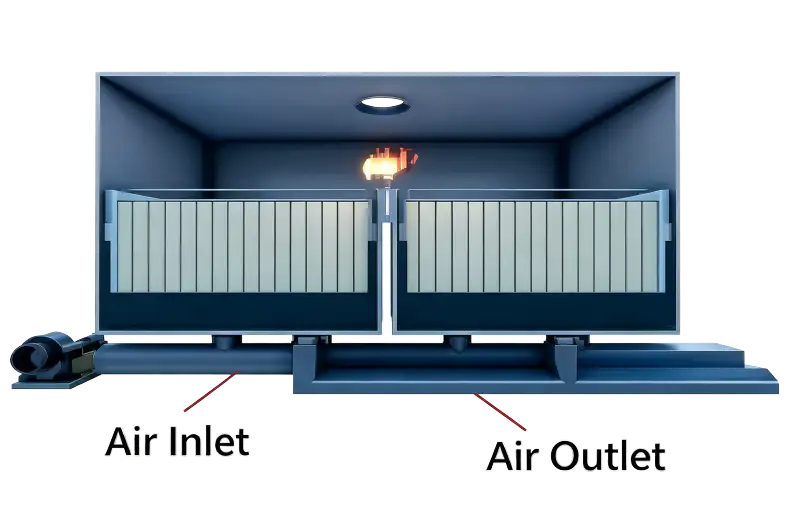
經過 管理員 | 10 月 20, 2026 | 蓄熱式熱氧化器博客
Quick answer: Compare 2-bed and 3-bed RTO systems by how they manage switching transients, purge flow, leakage, pressure drop, controls, maintenance, and the required emission limit. Chamber count is a design choice, not a stand-alone performance guarantee. The phrase... 經過 管理員 | 10 月 20, 2026 | 蓄熱式熱氧化器博客
Quick answer: Choose between rotary and bed RTO configurations by matching the switching method and regenerative-media arrangement to the actual exhaust envelope, maintenance access, footprint, pressure drop, and emission-control requirements. Neither architecture is... 經過 管理員 | 10 月 20, 2026 | RTO 與熱回收博客
Quick answer: An RTO recovers heat by alternately heating and cooling regenerative media, usually ceramic, as exhaust flow is switched through the beds. Buyers should evaluate the operating envelope, media condition, airflow, switching arrangement, and monitoring plan...
 ZH_TW
 EN
 ZH
 ES
 AR
 ID
 PT
 FR
 JA
 RU
 DE
 MS
 CS
 BG
 NL
 KO
 RO
 SK
 TH
 VI
 UK