
What are the environmental benefits of using an RTO for air pollution control?
导言
The use of Regenerative Thermal Oxidizers (RTOs) for air pollution control has gained significant attention in recent years. RTOs are highly efficient systems that help industries reduce harmful emissions and mitigate the environmental impact of their operations. This article explores the various environmental benefits of using an RTO用于空气污染控制.
1. 减少挥发性有机化合物(VOC)
– RTOs play a crucial role in reducing the emission of volatile organic compounds (VOCs), which are harmful pollutants that can contribute to the formation of smog and have adverse effects on human health.
– By utilizing high temperatures and thermal oxidation, RTOs effectively convert VOCs into carbon dioxide and water vapor, preventing their release into the atmosphere.
2. Destruction of Hazardous Air Pollutants (HAPs)
– Another significant environmental benefit of RTOs is their ability to destroy hazardous air pollutants (HAPs). These pollutants, such as benzene and formaldehyde, can have severe health implications and contribute to air pollution.
– RTOs provide a reliable and efficient method for breaking down HAPs into less harmful byproducts, ensuring cleaner air for surrounding communities.
3. 能量回收
– RTOs have the added advantage of energy recovery, making them an environmentally friendly solution. The regenerative process within RTOs allows for the capture and reuse of heat generated during the oxidation process.
– By recovering and reusing this heat, industries can reduce their overall energy consumption and contribute to energy conservation initiatives, leading to a more sustainable operation.
4. Cost-Effectiveness
– Implementing an RTO for air pollution control can also have economic benefits for industries. While the initial investment may be significant, the long-term cost savings can outweigh the expenses.
– RTOs’ energy recovery capabilities reduce the reliance on external energy sources, resulting in lower operating costs and increased efficiency. Additionally, the reduced emission of pollutants can help companies avoid potential fines or penalties associated with non-compliance.
5. Improved Air Quality and Community Health
– Perhaps the most crucial environmental benefit of using an RTO for air pollution control is the improvement of air quality and community health. By efficiently removing pollutants from industrial emissions, RTOs contribute to cleaner air for surrounding areas.
– The reduction in VOCs, HAPs, and other harmful substances ensures that the air we breathe is less polluted, leading to a healthier environment and improved quality of life for local communities.
结论
Using an RTO for air pollution control offers numerous environmental benefits, including the reduction of VOCs and HAPs, energy recovery, cost-effectiveness, and improved air quality. As industries strive to minimize their impact on the environment, implementing RTOs has become a crucial step towards sustainable operations.


公司介绍
We are a high-tech manufacturing enterprise specializing in comprehensive treatment of volatile organic compounds (VOCs) waste gas and carbon reduction and energy-saving technologies. Our core technologies include thermal energy, combustion, sealing, and self-control. We have capabilities in temperature field simulation, air flow simulation modeling, ceramic heat storage material performance, zeolite molecular sieve adsorbent material selection, and VOCs high-temperature incineration oxidation experimental testing.
团队优势
We have an RTO technology research and development center and waste gas carbon reduction engineering technology center in Xi’an, as well as a 30,000 square meter production base in Yangling. We are a leading manufacturer of RTO equipment and zeolite molecular sieve rotary equipment globally. Our core technical team comes from the Aerospace Liquid Rocket Engine Research Institute (Aerospace Institute Six). We currently have more than 360 employees, including over 60 research and development technical backbones, including 3 senior engineers at the research professor level, 6 senior engineers, and 47 thermodynamics doctors.
核心产品
Our core products include the Rotary Valve Heat Storage Oxidation Incinerator (RTO) and zeolite molecular sieve adsorption-concentration rotary wheel. Combining our expertise in environmental protection and thermal energy system engineering, we can provide customers with comprehensive solutions for industrial waste gas treatment and carbon reduction with thermal energy utilization under various operating conditions.

认证、专利和荣誉
- 知识产权管理体系认证
- 质量管理体系认证
- 环境管理体系认证
- 建筑业企业资质
- 高新技术企业
- 旋转阀蓄热氧化炉专利
- 转轮蓄热焚烧设备专利
- 圆盘沸石转轮专利
如何选择合适的RTO设备
在选择合适的RTO设备时,重要的是:
- 确定废气的特性
- 了解当地法规和排放标准
- 评估能源效率
- 考虑操作和维护
- 分析预算和成本
- 选择适当类型的RTO
- 考虑环境和安全因素
- 执行性能测试和验证
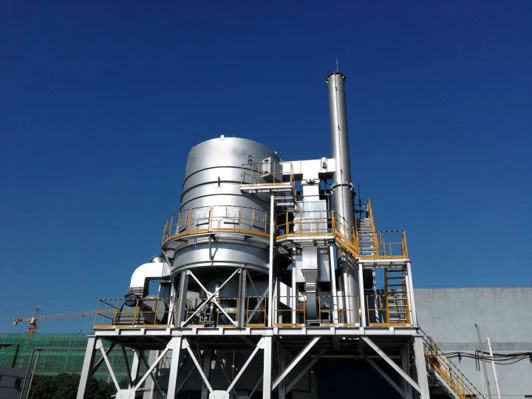
RTO空气污染控制服务流程
我们的RTO空气污染控制服务流程包括:
- 初步咨询、现场调查和需求分析
- 解决方案设计、模拟建模和解决方案审查
- 定制生产、质量控制和工厂测试
- 现场安装、调试和培训服务
- 定期维护、技术支持及备件供应
我们以能够提供一站式解决方案而自豪 RTO空气污染控制. Our professional team customizes RTO solutions tailored to our customers’ needs.
作者:Miya米娅
 ZH
ZH  EN
EN  ES
ES  AR
AR  ID
ID  PT
PT  FR
FR  JA
JA  RU
RU  DE
DE  MS
MS  CS
CS  BG
BG  NL
NL  KO
KO  RO
RO  SK
SK  TH
TH  VI
VI  ZH_TW
ZH_TW  UK
UK