
Plan RCO maintenance around failure mechanisms and operating evidence
Preventive maintenance for a regenerative catalytic oxidizer should reflect the installed architecture, exhaust chemistry, operating schedule, and supplier instructions. A generic calendar alone cannot describe every task or service interval. Some checks may be routine operator observations, while other work requires qualified maintenance staff, specialist support, or a planned shutdown. The maintenance plan should identify each task, its purpose, required condition, responsible role, record, and escalation criterion.
Begin with the commissioning baseline and as-built documentation. Record the equipment boundary, catalyst identification, regenerative arrangement, fan and damper details, instrumentation, controls, access points, and approved operating envelope. If these records are incomplete, list the gap and assign a verification task. Maintenance decisions become harder when staff do not know which modules are installed or which readings were considered normal at acceptance.
Review catalyst deactivation diagnostics →
Preserve the baseline
Match tasks to components
Use approved procedures
Create a maintenance register that reflects the installed design
Catalyst condition deserves a distinct maintenance line. The appropriate inspection or activity assessment depends on the catalyst design and service conditions. Track gas composition, process changes, temperatures, pressure behavior, and supplier-recommended sampling. Do not infer a universal catalyst life from calendar age alone. A catalyst may face different exposure in different plants, and a process change can be more important than elapsed time.
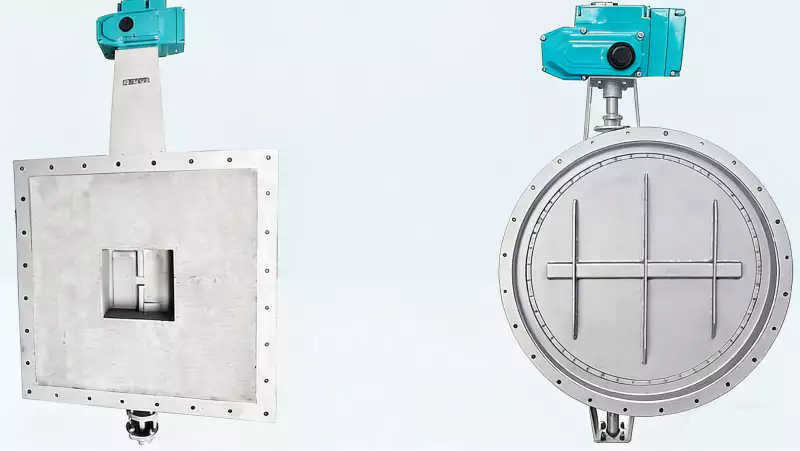
Regenerative media and associated flow-switching hardware require attention appropriate to the system design. Depending on the architecture, relevant components may include media supports, valves, seals, actuators, purge features, or rotating elements. The exact list should come from the equipment documents. A maintenance schedule should explain what is inspected, what evidence indicates wear or deposits, and which observations require specialist evaluation.
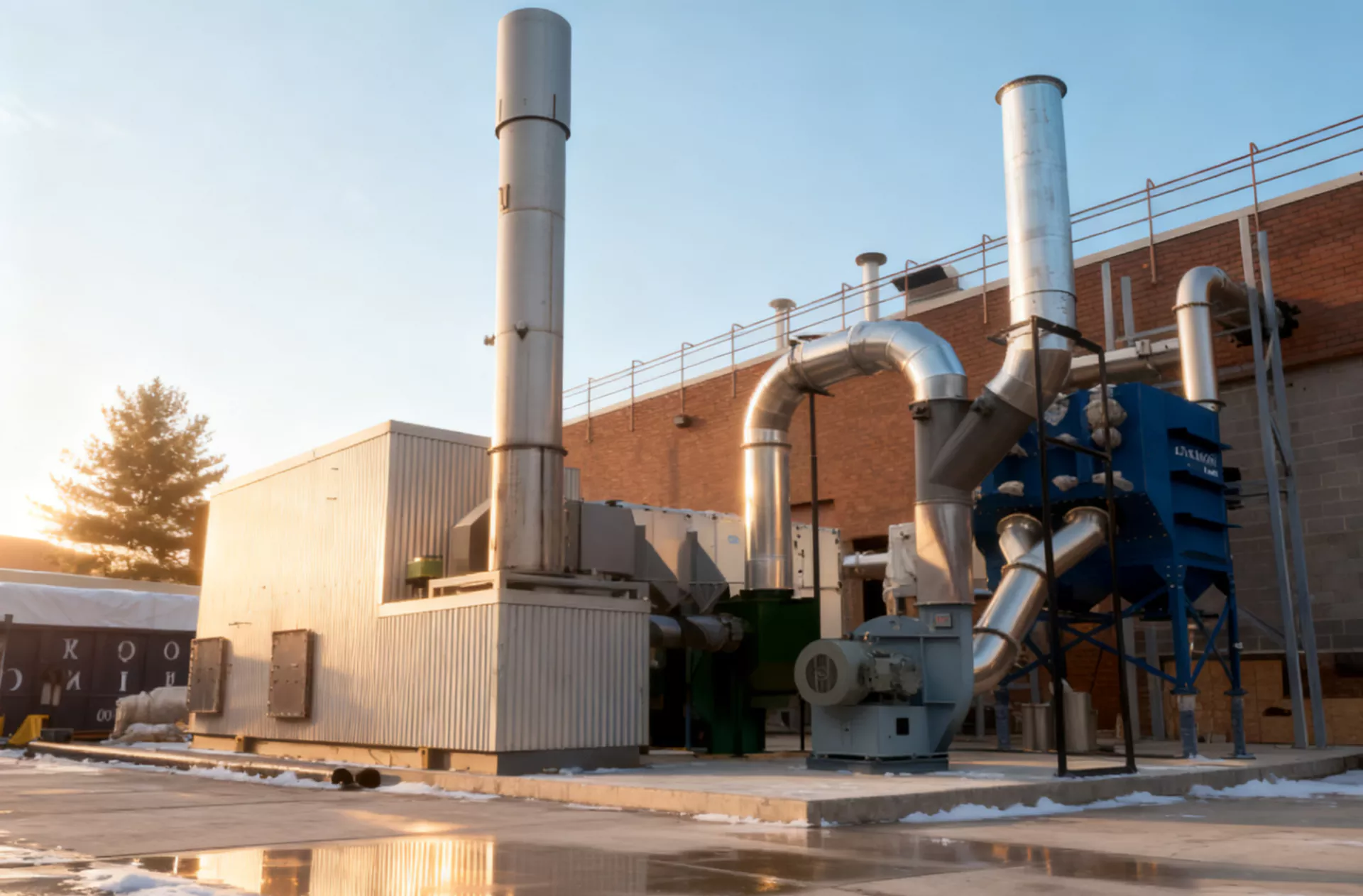
Fans and drives affect the whole gas path. Record relevant vibration, noise, motor condition, drive alarms, and operating point under the approved plant procedure. Changes can reflect wear, imbalance, changed system resistance, or a process condition rather than a fan fault alone. Maintenance staff should review fan readings alongside airflow and pressure trends before choosing an adjustment or component replacement.
Instrumentation needs a planned verification regime. Flow indicators, pressure transmitters, temperature sensors, valve feedback, and emissions-related instruments each support different decisions. Confirm calibration and functional-check requirements in the instrument list and site procedures. Keep records of range, calibration date, result, and corrective work. A plausible display is not proof of accuracy, particularly when several control decisions depend on the same measurement.
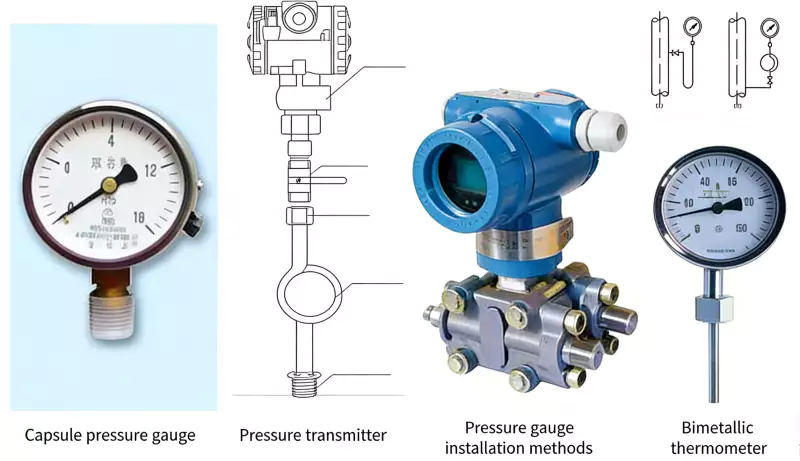
Pretreatment equipment should not disappear from the RCO maintenance schedule. Filters, separators, drains, mist-control devices, and upstream duct sections can influence catalyst exposure and system resistance. Define inspection points, safe cleaning methods, waste handling, and how performance is verified after service. If contamination is recurring, maintenance should feed a root-cause review of process chemistry, temperature, capture, and equipment selection.
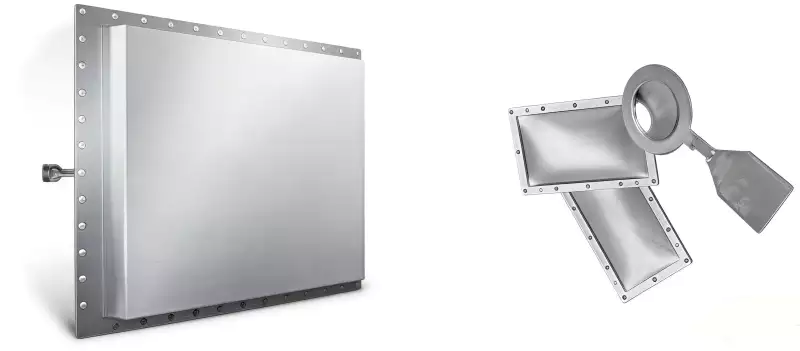
Pressure trends are most useful when operating context is preserved. Record flow or the approved flow indicator, fan state, process mode, and relevant temperatures with differential pressure. Compare readings at equivalent conditions where practical. If pressure changes, determine where the change appears and check instruments before opening equipment. A pressure increase can indicate deposits, but it is not a diagnosis by itself.
Temperature trends can reveal process drift, heat-transfer changes, sensor problems, or altered feed conditions. The meaning depends on sensor location and the approved control narrative. Record expected readings during startup, stable production, and other modes. Avoid treating a reading outside a generic range as a fault without consulting the design basis and qualified engineering guidance.
Maintenance should be scheduled around production realities without weakening required safety controls. Identify routine service windows, expected outage duration, lifting needs, spare availability, and who can authorize return to service. If the plant operates in campaigns, coordinate service with the process calendar and expected feed conditions. Do not postpone a required safety-related action solely because a production window is inconvenient; escalate it through the site’s risk and planning process.
Use condition evidence to prioritize work
Each task needs a clear acceptance condition. A sensor calibration task should record method and result; a filter service should record condition and post-service pressure baseline; a catalyst inspection should preserve module identity and supplier guidance. A task marked complete without evidence does not help the next technician understand what was checked. Use concise records that can be compared over time.
| Maintenance area | Record or inspect | Reason for review |
|---|---|---|
| 催化剂 | Identity, feed changes, inspection or activity evidence | Compatibility and condition may change |
| Regenerative components | Valve, seal, actuator, rotor or media checks as fitted | Architecture-specific wear and flow behavior |
| Fans and ducts | Operating point, vibration, leakage, visible deposits | Affects flow, pressure and capture |
| Instrumentation | Calibration, signal checks, alarms and trends | Decisions depend on reliable measurements |
| Pretreatment | Filter condition, drains, deposits, post-service pressure | Protects downstream equipment |
| Change control | Recipes, cleaning agents, airflow and process modes | Can change the original design envelope |
Spare-parts strategy should follow actual equipment identification and supplier recommendations. Confirm part numbers, revision compatibility, storage requirements, and whether replacement requires a specialist. For catalyst modules, preserve material identity and storage conditions. Do not substitute an apparently similar part without confirming compatibility with the installed system and operating envelope.
Safety preparation is central to intrusive maintenance. Isolation, cooling, gas testing, access control, lifting, and personal protective requirements depend on the specific task and site hazards. Follow approved procedures and qualified-person requirements. Never open hot or potentially contaminated equipment because a dashboard reading appears normal, and do not bypass protective logic to keep production running during a repair.
Management of change should feed the maintenance plan. New solvents, coatings, additives, cleaning agents, exhaust branches, flow settings, or production schedules may alter catalyst exposure and component loading. Define which changes trigger sampling, supplier review, revised inspections, or formal engineering review. This helps maintenance remain aligned with the real process instead of the process that existed at original commissioning.
Practical review workflow
Trend review should result in a decision, not just a chart. When a signal moves, identify the operating context, compare related measurements, check instrument reliability, and document whether the condition needs observation, planned service, or immediate escalation under approved procedures. The rationale should be recorded so another shift does not repeat the same investigation without understanding earlier findings.
Supplier service recommendations should be integrated with site evidence. If the supplier specifies an inspection or replacement interval, record the condition or assumption behind it and review whether the actual exhaust matches that basis. If the process is outside the reviewed envelope, ask for a revised recommendation rather than silently stretching an interval. A maintenance program should be evidence-led while respecting manufacturer instructions and site requirements.
Maintenance cost should include access and downtime, not just consumables. Catalyst handling may need lifting equipment or specialist labor; filter service may require disposal arrangements; inspections may need a planned shutdown and sampling. These items should be visible in the annual plan. Do not invent costs or frequencies; use supplier quotations, site records, and clearly labeled assumptions.
Review commissioning baseline requirements →
An audit of the maintenance program should ask whether every critical component has an owner, a defined task, a safe method, a record, and an escalation path. It should also identify tasks that are listed but not feasible because access, tools, or shutdown time are missing. Closing these gaps before a fault occurs is more useful than adding calendar reminders to an impractical schedule.
After a repair, return the system to service under the approved sequence and document verification. Record relevant flow, pressure, temperature, alarm, and operating-mode observations. If a performance or emissions test is required, follow the agreed method. Update the baseline only when the new condition is understood and accepted; do not overwrite historical records that explain how the system reached its current state.
A strong maintenance plan helps the plant see how process changes, component condition, and operating performance interact. It combines routine inspections with condition-based investigation and explicit safety boundaries. When the maintenance register is linked to commissioning records and management of change, the plant can prioritize work using evidence and explain why each task is necessary.
 ZH
 EN
 ES
 AR
 ID
 PT
 FR
 JA
 RU
 DE
 MS
 CS
 BG
 NL
 KO
 RO
 SK
 TH
 VI
 ZH_TW
 UK