
Turn RCO operating signals into a useful daily record
A useful operating logbook preserves the context around each reading. Flow, temperature, pressure, feed profile, process mode, alarms, and maintenance events should be reviewed together so operators can separate normal production variation from a change that needs investigation.
An RCO logbook should do more than collect a column of temperatures or record whether the equipment was running. It should help a later reviewer understand what the process was doing when each value was recorded. A reading taken during startup is not directly comparable with one from stable production unless the operating state is preserved. The logbook is therefore a record of conditions, not just numbers.
Begin with the installed instrument list and approved operating procedures. Select the signals that the design actually provides, such as inlet and outlet temperatures, relevant bed temperatures, flow indication, differential pressure, fan state, energy input, alarm history, and process mode. Do not invent measurements that are unavailable or treat a calculated estimate as a direct instrument reading. Record the source of each field.
Use a consistent performance-test record structure when deciding what context belongs beside the data. Even during routine operation, note the product or process campaign, approximate production rate, cleaning state, and any unusual event. These details allow the team to interpret a trend instead of assuming every variation originates inside the oxidizer.
Flow is an important companion to pressure and temperature. A change in airflow can shift readings even if the equipment itself has not deteriorated. Record the approved flow signal or its documented proxy, plus fan speed or control state where available. If the plant has multiple branches, note whether their configuration changed. The logbook should make clear when operating conditions differ from the normal comparison basis.
Context before comparison
Record production mode and feed identity beside each trend, not in a separate note that can be lost.
Consistent measurements
Use the same instrument tags, units, timestamps, and approved methods across shifts.
Actionable exceptions
Document what changed, who reviewed it, and whether a follow-up measurement is required.
Temperature records need tag names and physical locations. An inlet measurement, a catalyst-zone sensor, and an outlet reading answer different questions. Store the sensor identifier and units with the reading, and follow the site’s approved sampling interval. Avoid creating generic pass/fail limits from another installation; alarm thresholds and expected ranges should come from the actual design and control documents.
Differential pressure is most informative when measurement points are defined. A single pressure reading cannot identify which component is responsible for a change. If separate taps exist across pretreatment, regenerative sections, or catalyst modules, preserve them separately. If only one measurement is available, state that limitation and do not imply that it isolates a particular restriction.
Feed composition and production mode belong in the logbook because they can explain otherwise puzzling changes. A new recipe, cleaning agent, solvent, or product campaign may alter the incoming stream. The operator does not need to perform a laboratory analysis every shift, but the record should identify the process state and any change that may require a compatibility review or additional sampling.
Energy readings should be paired with production information. A month with fewer production hours may still include many startups, standby periods, or cleaning cycles. Record the available fuel or heat input and electrical consumption with operating hours and mode. Use the resulting data to ask better questions, not to make a saving claim before the scope and measurement basis have been checked.
Alarm history should include more than a count. Record the timestamp, alarm identifier, operating state, related readings, action taken, and disposition under the approved procedure. Repeated resets without a cause review can conceal a developing issue. The logbook should show whether an event was investigated, whether a fault was confirmed, and who authorized return to normal operation.

Never replace missing measurements with guessed values. Use a clear unavailable marker and note the reason, instrument state, and follow-up owner.
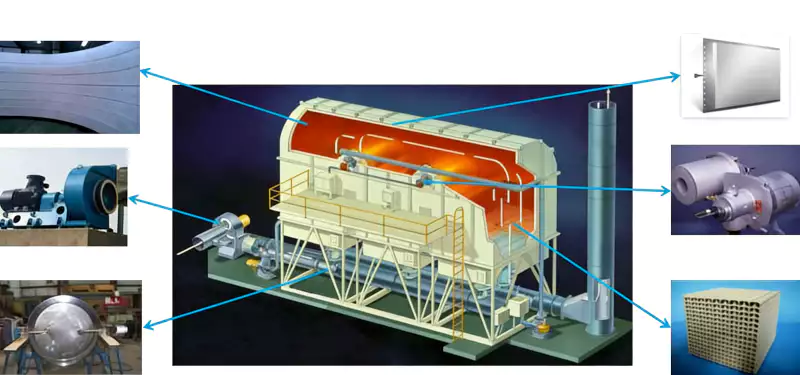
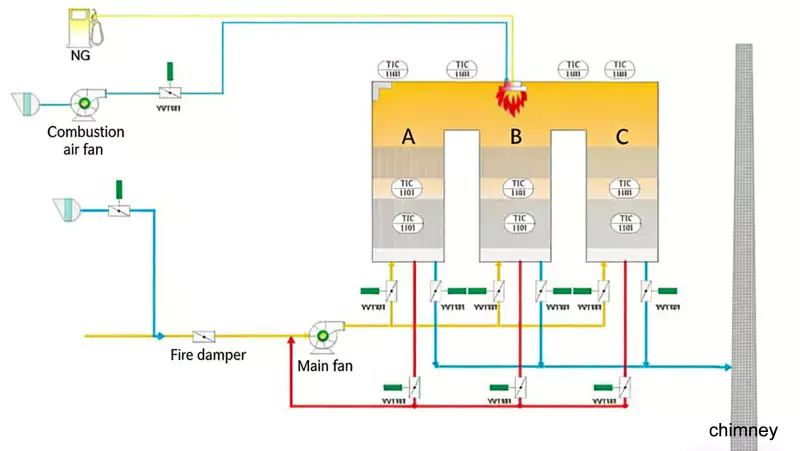
For an overview of the equipment sequence, link the logbook to the site guide explaining how regenerative catalytic oxidation moves gas through the treatment cycle. Operators should use the approved site procedure for actions; the explanatory guide is background, not a substitute for the control narrative or a local safety instruction.
Choose a small number of review indicators that have a clear purpose. These may include stability of flow, trend of differential pressure at defined points, temperature response by operating mode, number of trips, and energy per documented production period. The right indicators depend on the instrumentation and process. More columns do not automatically create better oversight if nobody knows how to interpret them.
Use a shift handover format that separates observation from conclusion. “Pressure increased at the inlet tap while fan speed also changed” is an observation. “The catalyst is blocked” is a diagnosis that needs evidence. This distinction keeps the record useful and reduces the chance that an unverified assumption becomes accepted as fact in later maintenance discussions.
Trend comparisons should use comparable periods or explicitly explain the difference. Compare stable production with stable production, or label the fact that one interval included cleaning and another did not. A simple graph can be useful, but the logbook should preserve the underlying data and context. Avoid relying only on monthly averages that may conceal short peaks, trips, or transition-related effects.
Build a review routine that produces decisions
When a trend changes, use a repeatable review sequence. Confirm the instrument and units, check whether flow or production mode changed, compare related measurements, inspect the event history, and consult the approved operating envelope. If the cause remains uncertain, record the next diagnostic action and responsible person. Do not alter a protective setpoint or bypass a trip to make the trend appear normal.
Maintenance events should be tied to the trend record. Note filter changes, instrument calibration, fan work, catalyst inspection, cleaning, and control-system modifications with dates and affected components. A sudden pressure shift after maintenance may have a different explanation from a gradual rise over several weeks. Traceability helps the team distinguish a process change from a maintenance-induced difference.
A trend is a prompt for investigation, not proof of catalyst failure or a reason to change a protective setting without authorization.
The logbook also supports catalyst stewardship. Track known process changes, abnormal exposure events, inspection findings, and any supplier-recommended sample or activity check. Pressure and temperature alone do not prove catalyst activity, so do not infer a remaining service life from those signals without an approved assessment. Keep catalyst observations separate from conclusions about emissions performance.
Assign an owner to the routine review. Operations may record readings each shift, while engineering or maintenance reviews trends weekly or after an exception. Define what qualifies as an exception and how the issue is escalated. Without a named owner, a logbook can become a data warehouse that grows steadily while nobody acts on what it contains.
| Logbook field | Context to capture | Review use |
|---|---|---|
| Flow and fan state | Tag, unit, process mode, branch configuration | Explains shifts in pressure and temperature |
| 温度 | Sensor tag, location, timestamp, production state | Separates startup behavior from stable operation |
| 压力 | Defined taps, flow basis, maintenance state | Helps localize changes in resistance |
| Alarms and trips | Event time, response, disposition, authorization | Preserves the diagnostic sequence |
| Process changes | Recipe, cleaning, solvent, schedule, exhaust changes | Triggers compatibility and change-control review |
Practical review workflow
Agree the instrument tags, units, timestamps, and fields to record.
Capture process mode and feed identity with each relevant measurement.
Separate direct readings, calculated values, estimates, and missing data.
Review exceptions against related flow, pressure, temperature, and alarm history.
Assign an owner and due date to each unresolved issue.
Summarize actions and retain the original readings for later comparison.
Periodically audit the quality of the record. Check for missing timestamps, changing units, undocumented sensor substitutions, repeated copied values, and events with no disposition. A brief audit can reveal that two shifts use different conventions or that an important signal has been unavailable for weeks. Correct the recording process before drawing conclusions from an unreliable history.
Use the logbook as input to change management. When the production team plans a new solvent, altered cleaning cycle, additional exhaust branch, or different operating schedule, compare the proposal with the approved RCO envelope. Record the review decision and any new measurement requirement. This links everyday records to the formal engineering process instead of treating process changes as isolated production decisions. The plant can also compare its trend fields with the RCO operating-cost measurement framework when reviewing energy records.
At the end of each review period, summarize exceptions, confirmed causes, unresolved questions, maintenance actions, and changes to the operating basis. Keep the summary short enough for managers and detailed enough for the next reviewer to find the evidence. The value is not a perfect dashboard; it is a traceable sequence from observation to action and verification.
A disciplined RCO logbook helps people notice changes early without overinterpreting normal variation. Preserve the measurement context, use approved limits, separate observation from diagnosis, and close the loop on every exception. These habits make later troubleshooting and performance review more reliable than a spreadsheet containing isolated values with no story attached.
常见问题
Should every available signal be added to the logbook?
No. Prioritize signals with a clear purpose and retain the source tag, unit, and interpretation basis.
Does a rising pressure trend prove the catalyst is blocked?
No. Flow changes, upstream restrictions, dampers, and instrument faults can also change pressure readings.
How should missing readings be handled?
Mark them as unavailable, explain the cause if known, and record who will restore or verify the measurement.
Can operators change an alarm limit after repeated nuisance alarms?
Not informally. Use the approved review and authorization process, with any required testing and documentation.
What makes a logbook useful for maintenance?
A clear timeline linking operating mode, instrument readings, alarms, actions, maintenance work, and follow-up results.
Make the operating history explain the readings
Keep the raw measurements, production context, event history, and corrective actions together. A good record makes the next engineering decision easier to justify.
 ZH
 EN
 ES
 AR
 ID
 PT
 FR
 JA
 RU
 DE
 MS
 CS
 BG
 NL
 KO
 RO
 SK
 TH
 VI
 ZH_TW
 UK