
描述
BLESP1W/100W Series Electrostatic
Precipitators (ESP)
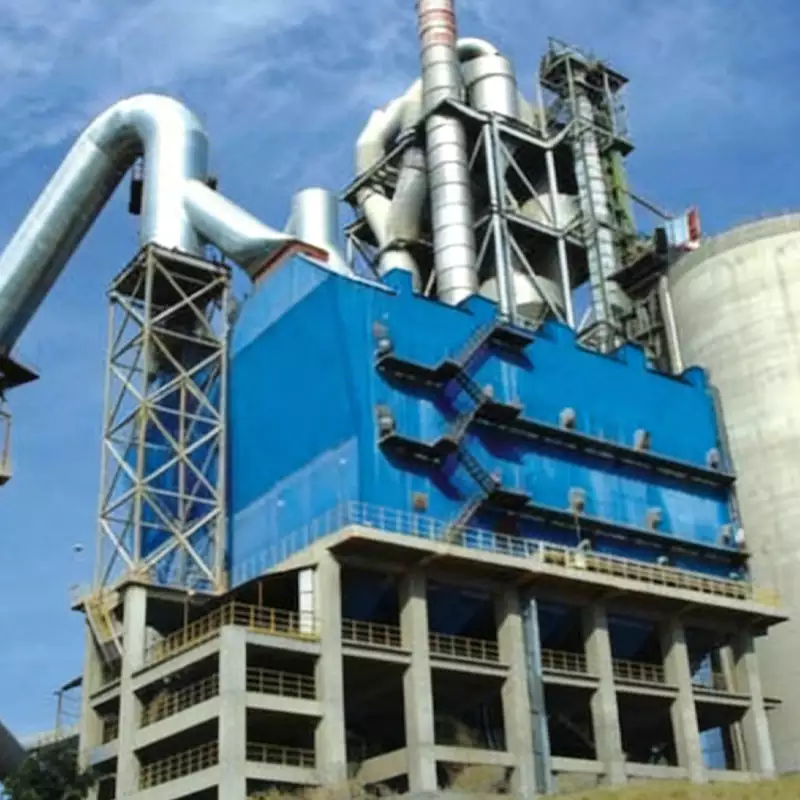
Engineered by Ever-power for extreme environments. Achieve ultra-low emissions (< 30mg/Nm3), handle massive gas volumes up to 2,300,000 m3/h, and conquer high-temperature operations up to 400°C. Eliminate compliance risks and downtime with our benchmark dust collection technology.
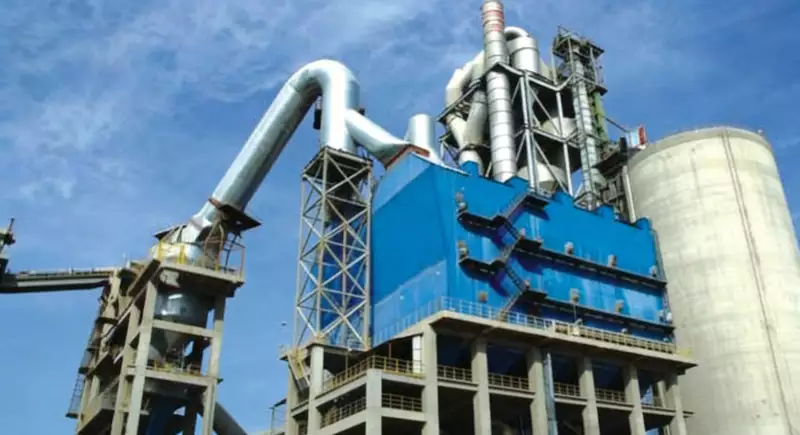
Executive Engineering Brief
📊 Core Capacity
- Gas Volume: 20,000 to 2,300,000 m³/h
- Temperature Limit: 70°C to 400°C
- Max Inlet Dust Density: up to 1,300 g/Nm³
- Cross Sectional Area: 10 to 494 m²
⚡ Performance Metrics
- Outlet Emission: < 50 mg/Nm³ (Ultra-low < 30 mg/Nm³ available)
- Operating Resistance: 200 – 350 Pa (Ultra-low pressure drop)
- Casing Pressure Bearing: 2,000 to 20,000 Pa
- Efficiency: Up to 99.9% particulate removal
🏭 Industry Compatibility
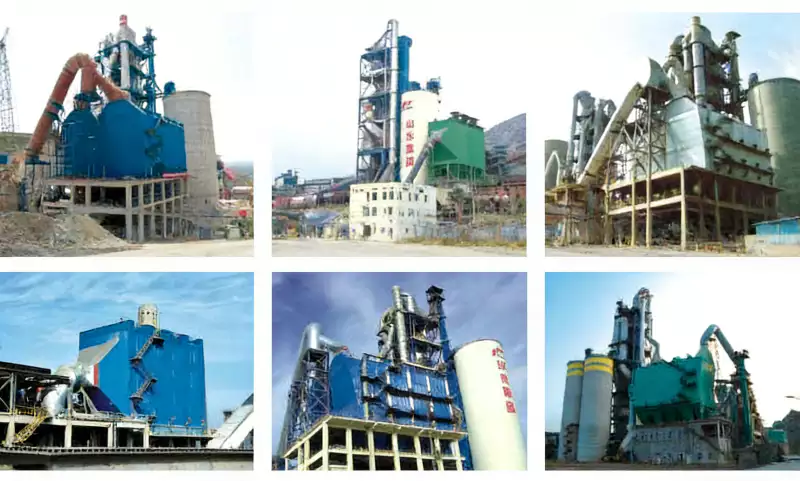
- Cement: Kilns, Coolers, Coal Mills (300-10000 t/d)
- Power: Plant Boilers (50-1000MW), FGD integration
- Metallurgy: Sinter plants, Dry Type Converter Gas
- Chemical: Process exhaust purification
Deep Technical Analysis & Specifications
The BLESP1W/100W Series represents the pinnacle of dry electrostatic precipitation. Below is the comprehensive structural and performance matrix engineered to handle the most demanding heavy-industry applications.
| Parameter Category | Specification / Range | Engineering Implication |
|---|---|---|
| Number of Chambers | 1 to 2 (pcs) | Allows for isolated maintenance and high-volume parallel processing without total system shutdown. |
| Passages Per Chamber | 9 to 40 (pcs) | Scalable cross-sectional volume to ensure optimal gas velocity (typically 0.8 – 1.2 m/s) across diverse volumetric flows. |
| Height of Field | 5 to 15 (m) | Tall collecting plates maximize specific collection area (SCA) within a compact terrestrial footprint. |
| Number of Fields | 1 to 6 (pcs) | Sequential charging and collection stages. 4+ fields guarantee ultra-low emissions (<30mg/Nm3) even with high resistivity dust. |
| Passage Space | 300, 400, 450 (mm) | Wide plate spacing reduces spark-over potential, improves high-voltage stability, and accommodates heavy dust loads without bridging. |
Process Mechanics & Internal Architecture
How the ESP Operates
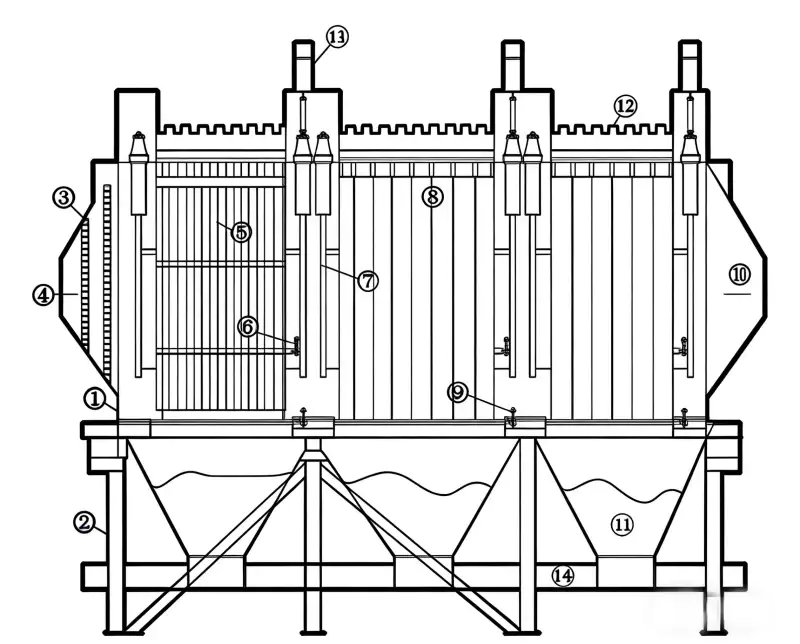
An Electrostatic Precipitator (ESP) separates particulate matter from an industrial gas stream utilizing the fundamental principles of electrostatic force (Coulomb force). Unlike mechanical filters (baghouses) that rely on physical barriers, the ESP uses electrical energy to actively target and remove dust, making it one of the most efficient, low-resistance purification methods available.
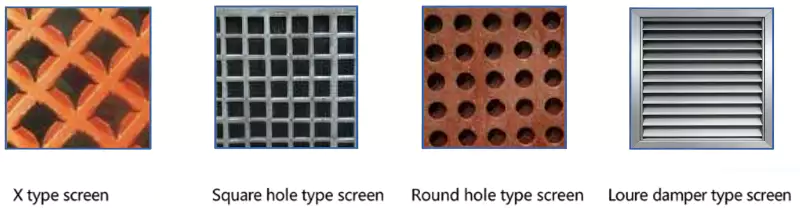
- Gas Distribution: Raw gas enters through an intricately designed distribution screen (X-type, square hole, or louvre damper) to ensure absolute laminar flow across the entire cross-section.
- Ionization (Corona Discharge): Tens of thousands of volts of direct current (DC) are applied to the Discharge Electrodes (Cathodes). This generates a powerful electric field, ionizing the surrounding gas and creating an electron avalanche.
- Particle Charging: As dust-laden gas flows through this ionized zone, gas ions collide with suspended particulate matter, imparting a strong negative charge to the dust particles.
- Migration & Collection: Driven by the electric field strength, the charged particles migrate toward the grounded Collecting Electrodes (Anodes/Plates) and adhere firmly to the surface.
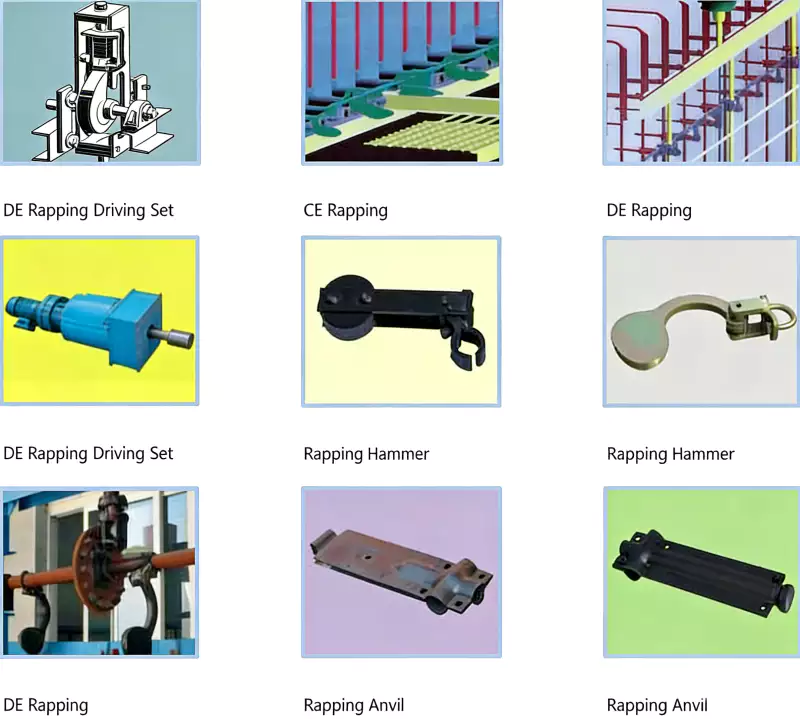
- Rapping & Disposal: Periodic, mechanically precise rapping applied to the collecting plates creates shear forces that dislodge the accumulated dust layer, allowing it to fall directly into the pyramidal ash hoppers below for safe disposal.
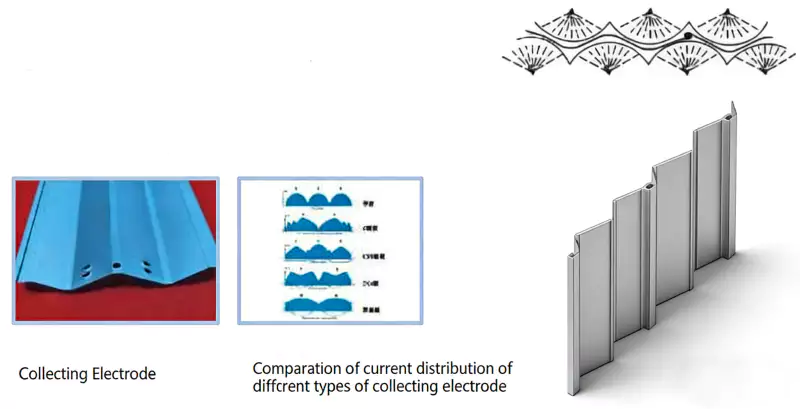
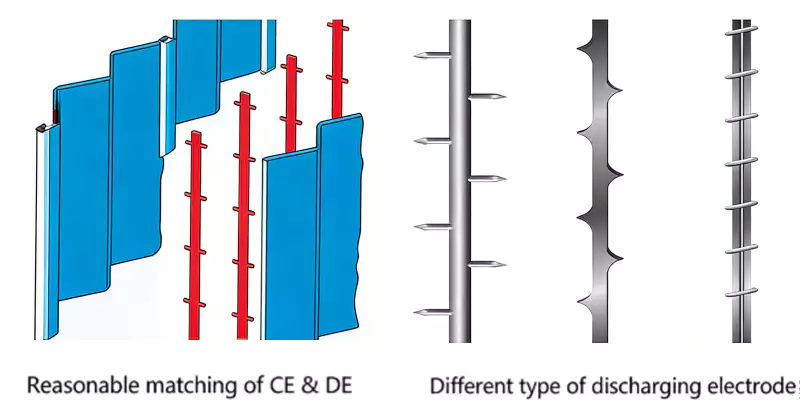
Internal Component Architecture
- Discharge Electrodes (DE): Tailored to specific gas conditions. Options include B-type, V-type, and highly efficient Fishbone wires. These provide exceptional corona generation, uniformity, and are virtually unbreakable under mechanical stress.
- Collecting Electrodes (CE): Utilizing our proprietary ZT24 Profile Plates. These plates exhibit superior current density distribution and offer a 10% higher effective dust collection area compared to standard C-profile plates within the same spatial footprint.
- Advanced Rapping Systems: Discharge electrodes utilize Top Cam Lifting Mechanisms or Internal Vertical Driving devices for continuous, stable impact. Collecting electrodes rely on heavy-duty side-driving revolving-arm hammers to ensure zero dust bridging.
- Casing & Support: Heavy-duty carbon steel structural design capable of handling extreme negative suction pressures (up to -22,000 Pa for sinter applications) without structural deformation.
Strategic Engineering Advantages
✅ Ultra-Low Pressure Drop
Operating resistance is maintained between a mere 200 to 350 Pa. Compared to baghouse systems (which can exceed 1800 Pa), this translates directly to massive electrical savings on your Induced Draft (ID) fans over the system’s lifespan.
✅ High-Temperature Resilience
While fabric filters degrade rapidly above 250°C, the BLESP1W/100W series handles continuous flue gas temperatures up to 400°C without catastrophic failure, making it essential for coolers, kilns, and metallurgical exhaust.
✅ Heavy Dust Load Mastery
Engineered to process massive inlet dust densities up to 1,300 g/Nm³ without choking. Our wide plate spacing (up to 450mm) prevents sparking and dust buildup, ensuring continuous, uninterrupted production.
Why Upgrade Now? Overcoming Industry Bottlenecks
The landscape of heavy industry is shifting. Procurement and plant managers can no longer afford to view environmental control as a mere “accessory.” It is a core operational risk factor.
1. Ruthless Policy Drivers
Global environmental bodies are enforcing near-zero emission standards. Exceeding 50mg/Nm³ (or 30mg/Nm³ in special zones) results in catastrophic operational stoppages, exorbitant daily fines, and revocation of operating licenses. Non-compliance is simply too expensive.
2. The Hidden Cost of Inefficient Filtration
Legacy systems or undersized dust collectors cause massive pressure drops. This forces ID fans to work at maximum load, consuming excessive megawatts of power daily. Furthermore, poor dust capture leads to rapid erosion of downstream equipment, particularly fan blades.
Typical Application Scenarios & Industry Fit
🏗️ Cement Industry
The BLESP780/930/2000 sub-series are perfectly calibrated for cement plants ranging from 300 t/d to 10,000 t/d.
- Kiln Tail: Handles 1,800,000 m³/h, Temp 130-150°C, Inlet 1200 g/Nm³, Suction -12000 Pa.
- Kiln Head (Cooler): Handles extreme temps up to 400°C.
- Coal Mill: Specialized anti-explosive considerations for fine coal dust.
⚡ Power Generation
Designed for coal-fired boilers ranging from 50 MW to 1000 MW units, adapting to various coal characteristics.
- Plant Boilers: Processes up to 1,800,000 m³/h, dealing with highly abrasive fly ash.
- FGD Precipitators: Installed before Flue Gas Desulfurization units, treating 2,500,000 m³/h at 130-200°C, bringing emissions below 50mg/Nm³.
🔥 Metallurgical Industry
Essential for iron, steel, and non-ferrous plants.
- Sinter Plant (Head/Tail): Massive flow rates (2,500,000 m³/h) and extreme suction pressures (-22,000 Pa).
- Dry Type Converter Gas: A highly complex cylindrical ESP designed for explosive, intermittent CO gas mixtures. Features 100% sealing, relief valves, and 0.2MPa pressure bearing.
The Engineering Edge: ESP vs. Traditional Baghouses
| Feature | Ever-power BL Series ESP | Traditional Fabric Filter (Baghouse) |
|---|---|---|
| Pressure Drop (ΔP) | 200 – 350 Pa. Exceptional fan energy savings. | 1200 – 1800 Pa. Constant high energy consumption. |
| Max Temperature | Up to 400°C. Resilient to thermal spikes. | Max ~250°C (requires very expensive PTFE bags). High risk of bag burn. |
| Maintenance Frequency | Very Low. Only routine rapping mechanism checks. No consumables. | High. Thousands of bags require periodic, expensive replacement. |
| Moisture Tolerance | Excellent. Does not blind or clog easily. | Poor. Moisture combined with dust forms a “cake” that blinds the bags. |
Why Partner with EVER-POWER?
We don’t just sell equipment; we deliver regulatory peace of mind. Our proprietary BL series is the result of decades of continuous iteration, making it the technical benchmark in the environmental protection industry.
- Full Chain Capability: We integrate R&D design, precise lean manufacturing, complex engineering installation, and final intelligent commissioning.
- Proven Track Record: Trusted by the largest industrial conglomerates including Shanshui Group, Huarun Power, and Conch Group.
- Advanced Manufacturing: Components are produced on CNC laser cutting machines and automated assembly lines to ensure zero-defect tolerances (e.g., tube sheet positional accuracy <±1mm).
Engineering Sizing Guide: What We Need From You
To architect the perfect BLESP model for your facility, our engineers require precise operational data. Please gather the following parameters before requesting a quote:
1. Flue Gas Parameters
We need your Actual Gas Volume (Am³/h) and Standard Gas Volume (Nm³/h). Additionally, the continuous operating temperature and absolute maximum temperature spikes (°C) are critical to designing the casing thermal expansion joints and selecting the appropriate rapping mechanisms.
2. Dust Characteristics
Provide the Inlet Dust Concentration (g/Nm³). For ESPs, the Dust Specific Resistivity (Ohm·cm) is the most critical factor. Dust with too low or too high resistivity requires special gas conditioning or specific electrode configurations to prevent back-corona.
3. Target Emission & Site Limitations
What is your local regulatory requirement? (<50mg/Nm³, <30mg/Nm³, or <10mg/Nm³). Finally, provide layout drawings. ESPs have a larger footprint than baghouses, and we need to calculate the number of fields that can physically fit within your plant’s spatial constraints.
Value Quantified: The True ROI of the BL Series
Purchasing an industrial ESP is a CapEx decision, but the true financial victory is won in OpEx.
The Cost of Traditional/Failing Systems
- Energy Waste: Overcoming a 1500 Pa pressure drop on a 1,000,000 m³/h gas flow requires approximately ~500 kW of extra fan power constantly.
- Consumables: Replacing thousands of high-temp filter bags every 2-3 years costs tens of thousands of dollars in materials alone, ignoring labor.
- Downtime: Bag replacement forces total system offline.
The Ever-power ESP ROI
- Energy Savings: Running at a mere 300 Pa pressure drop saves hundreds of kilowatts per hour. This alone often pays for the ESP in 3 to 5 years.
- Zero Consumables: Steel plates and heavy-duty electrodes do not need replacing like fabric bags do.
- Uninterrupted Production: Multiple isolated chambers allow for routine inspection while the rest of the unit handles the plant load.
Global Installations & Engineering Triumphs
🇨🇳 Tongchuan Shengwei Cement (China)
Application: 5000 TPD Cement Kiln
Challenge: Extremely high inlet dust density combined with massive negative suction pressures.
Solution: Ever-power delivered a Hi-Density & Hi-Suction Pressure ESP customized for extreme dust loads. Output emissions consistently maintained well below the stringent 30mg/Nm³ national mandate.
🇮🇳 Jindal Power Grid (India)
Application: 300MW Coal-Fired Boiler
Challenge: Processing high-ash local coal that caused severe spark-over and electrode failure in their legacy system.
Solution: Installed the BLESP2000 Series with wide 400mm plate spacing and robust Fishbone discharge electrodes. Resulted in a 99.8% collection efficiency and zero wire breakages over a 4-year continuous run.
“The structural integrity of the Ever-power internal rapping system drastically reduced our maintenance man-hours.” – Lead Engineer
🇧🇷 Votorantim Metallurgy (Brazil)
Application: Sinter Plant Waste Gas Dedusting
Challenge: Handling 2,500,000 m³/h gas volumes while combatting abrasive sinter dust that eroded ID fan blades quarterly.
Solution: A multi-field ESP setup dropping particulate matter below 40mg/Nm³, effectively saving the ID fans and extending plant uptime by 18% annually.
🇻🇳 Hoa Phat Steel (Vietnam)
Application: Dry Type Converter Gas ESP
Challenge: Combustible, intermittent CO gas mixtures required absolute explosion-proof purification.
Solution: Supplied our specialized Cylindrical Casing ESP featuring 0.2MPa pressure bearing, relief valves, and zero-leakage sealing. Provided safe, continuous recovery of converter gas.
Engineering & Operations FAQ
Can the ESP handle dust with very high electrical resistivity?
High resistivity dust can cause “back corona,” severely dropping efficiency. We mitigate this through advanced high-frequency power supplies, precise temperature control, or, if the condition is extreme, we may recommend transitioning to a Wet Electrostatic Precipitator (WESP) for guaranteed capture.
How much footprint does the BLESP series require?
Because gas velocity inside an ESP must be slow (0.8 – 1.2 m/s), they generally require a larger footprint than a baghouse for the same gas volume. However, our ZT24 plates increase effective collection area by 10%, allowing us to design a slightly more compact unit than traditional models. We provide detailed 3D layouts during the engineering phase.
What happens if a discharge wire breaks?
We utilize highly durable rigid electrodes (like Fishbone or V-type) rather than simple weighted wires, making breakage exceedingly rare. However, if an electrical short occurs in one field, our multi-field design and advanced controls isolate the fault, allowing the remaining fields to continue operating and preventing a total plant shutdown.
How does this system affect our ID Fan?
Positively. Because the operating resistance is incredibly low (200-350 Pa) compared to mechanical filters, the load on your Induced Draft fan decreases significantly. This extends the fan’s mechanical life and slashes its electrical consumption.
What is your commissioning support like?
Ever-power provides full-chain service. From civil engineering guidance to the final intelligent commissioning of the high-voltage transformers and rapping sequencers, our technical engineers are on-site to ensure optimal aerodynamic flow and electrical performance.
Stop Losing Money on High Pressure Drops & Fines
Send us your gas volume, temperature, and inlet dust concentration. Our senior engineers will calculate your exact sizing requirements, specific collection area, and expected ROI compared to your current system.
Or visit our About Us page to learn more about our 20+ years of manufacturing excellence.
 ZH
ZH  EN
EN  ES
ES  AR
AR  ID
ID  PT
PT  FR
FR  JA
JA  RU
RU  DE
DE  MS
MS  CS
CS  BG
BG  NL
NL  KO
KO  RO
RO  SK
SK  TH
TH  VI
VI  ZH_TW
ZH_TW  UK
UK