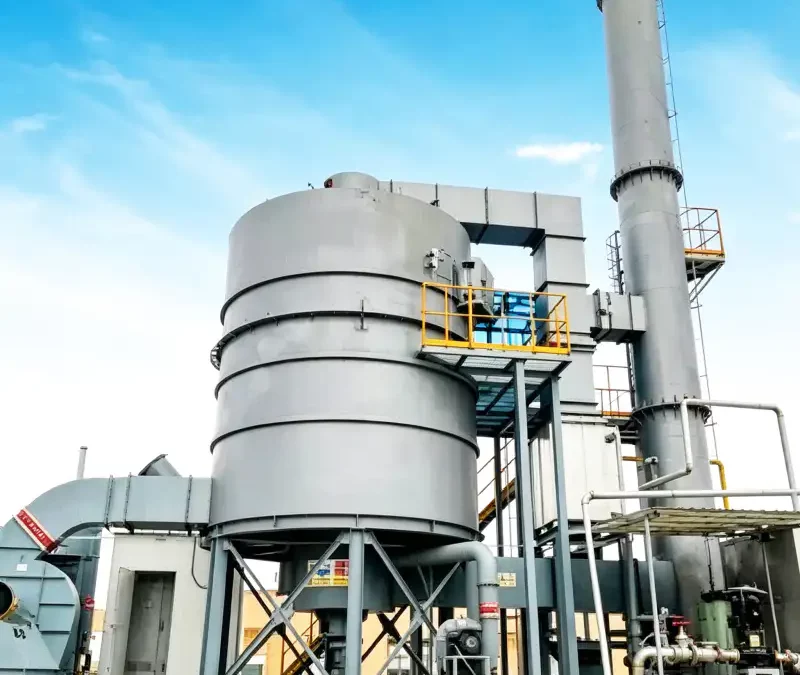
에 의해서 rtoadmin | 10월 20, 2026 | 재생 열 산화기 블로그
Quick answer: A useful RTO RFQ describes the complete exhaust envelope, not only a nominal airflow. Include minimum, normal, maximum, and upset flow; inlet temperature; VOC species and concentration range; oxygen and moisture; particulate, aerosol, and condensables;... 에 의해서 rtoadmin | 10월 20, 2026 | RTO 열 산화제 블로그
Quick answer: RTO, RCO, and thermal oxidizer options should be compared against the same exhaust data. RTO emphasizes regenerative ceramic heat recovery; RCO adds catalyst behavior and catalyst-contaminant compatibility; non-regenerative or recuperative thermal... 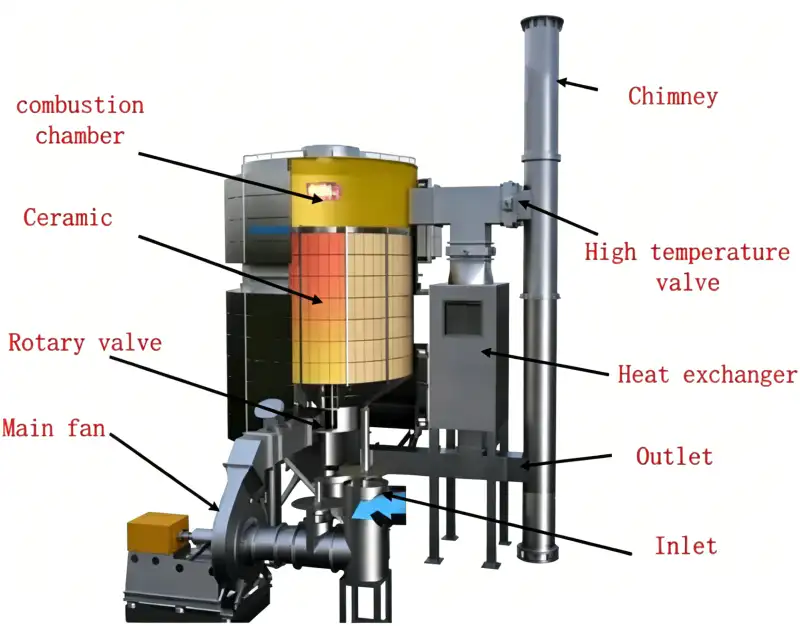
에 의해서 rtoadmin | 10월 20, 2026 | 재생 열 산화기 블로그
Quick answer: Plan RTO maintenance around both scheduled inspection and condition trends. Track regenerative-bed pressure, fan behavior, fuel use, temperatures, switching hardware, instruments, alarms, and process changes, then use the installed system documentation... 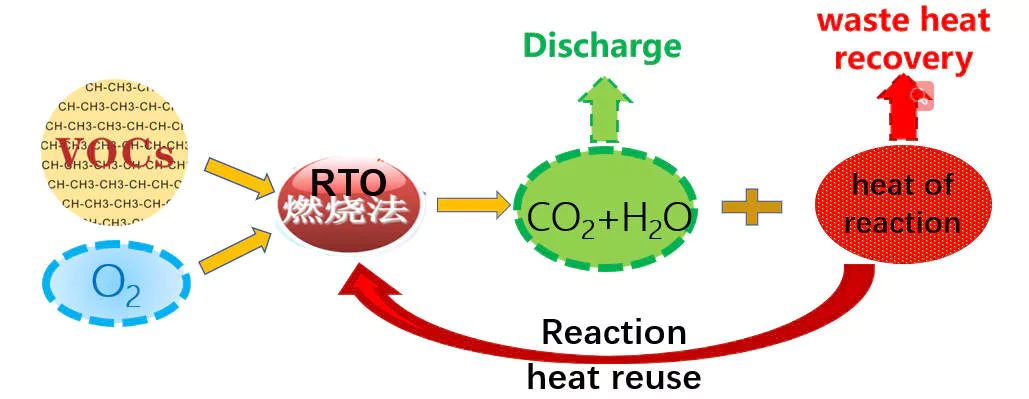
에 의해서 rtoadmin | 10월 20, 2026 | 열 회수 블로그를 통한 RTO
Quick answer: Rising RTO fuel consumption is usually a heat-balance symptom, not proof of a burner fault. Compare airflow, VOC load, inlet temperature, startup frequency, leakage or dilution, media pressure drop, switching condition, sensor accuracy, and production... 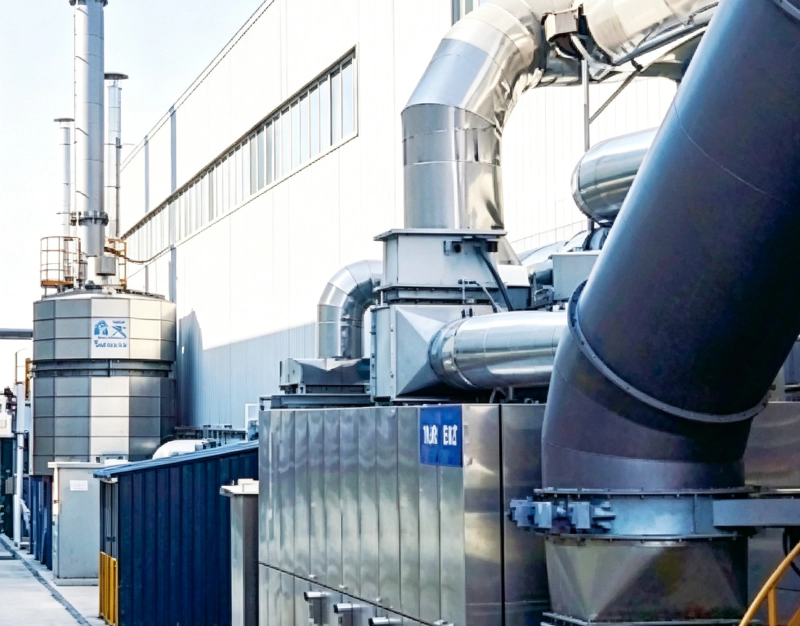
에 의해서 rtoadmin | 10월 20, 2026 | 재생 열 산화기 블로그
Quick answer: RTO ceramic media should be evaluated through combined evidence: differential pressure at a known airflow, heat-recovery behavior, fuel trend, physical inspection, contaminant history, and instrument condition. A rising pressure reading is a reason to...
 KO
 EN
 ZH
 ES
 AR
 ID
 PT
 FR
 JA
 RU
 DE
 MS
 CS
 BG
 NL
 RO
 SK
 TH
 VI
 ZH_TW
 UK