Quick answer: For printing and coating applications, an RTO should be specified from the production schedule and exhaust profile: connected machines, dryer airflow, solvent species and concentration range, temperature, aerosols or particulates, line changes, capture requirements, and upset cases. A single average VOC number is not enough for a reliable design.
Printing and coating lines can be difficult RTO applications for one simple reason: the exhaust changes when production changes. A press may run different inks, colors, coatings, adhesives, line speeds, dryer settings, or job lengths in the same week. A coating line may alternate formulations and web widths. Those changes affect VOC concentration, exhaust temperature, airflow, aerosol carryover, and the amount of oxidation heat available to the RTO.
Good project definition therefore starts at the process machine, not at the oxidizer nameplate. The buyer should map which dryers, hoods, ovens, coaters, laminators, or presses connect to the treatment system in each production mode. That map helps the RTO supplier understand minimum and maximum flow, solvent peaks, startup conditions, idle branches, and the contaminants that might foul regenerative media or upstream ductwork.
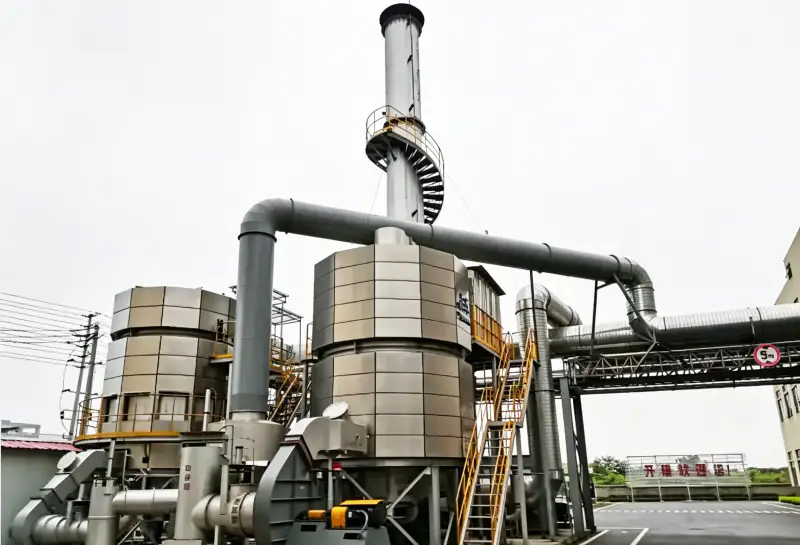
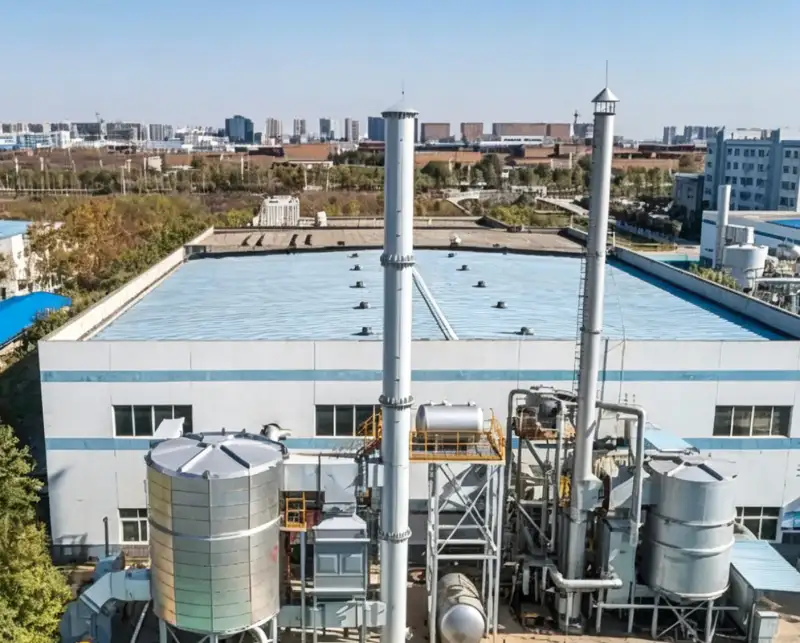
Printing-industry RTO imagery keeps the application discussion tied to real production exhaust.
Press and dryer operating modes and the wider decision
Press and dryer operating modes matters because printing and coating exhaust is tied to production, not to a laboratory steady state. The exhaust from a printing line follows which decks, dryers, coaters, laminators, or curing sections are active. Idle equipment may still move air, while a high-speed job may increase both solvent release and exhaust temperature. The RTO sees the combined result, not the label on one press. During project definition, list each operating combination and the approximate duration of that mode.
Solvent and formulation changes matters because printing and coating exhaust is tied to production, not to a laboratory steady state. Different inks, coatings, adhesives, and cleaning materials can change the organic mixture and heating value. They can also introduce higher-boiling or sticky constituents that behave differently in ducts and media. During project definition, provide representative safety data and process-use information for the main formulations without assuming one solvent represents every job.
Dryer exhaust temperature matters because printing and coating exhaust is tied to production, not to a laboratory steady state. Dryer settings affect both solvent evaporation and the temperature of gas entering the treatment system. A hotter stream changes the heat balance, while a cooler stream may increase supplemental fuel demand. During project definition, record inlet temperature by line and production mode instead of using one catalog value.
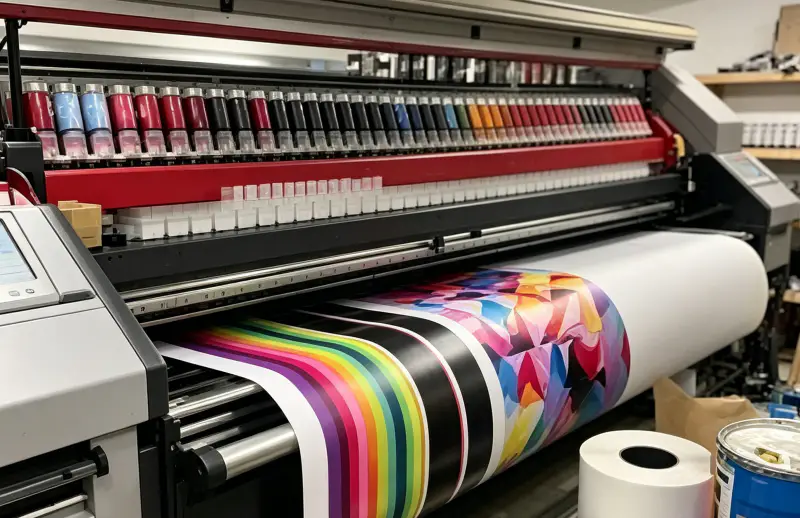
A printing application image helps connect presses and dryers with the treatment system.
Variable airflow matters because printing and coating exhaust is tied to production, not to a laboratory steady state. Capture hoods, make-up air, dryer balance, branch dampers, and fan controls can change total flow substantially. Excess air increases the mass that must be heated and can reduce VOC concentration. Too little capture can create a process or compliance problem upstream of the RTO. During project definition, verify the collection-system basis together with the RTO airflow range.
Ink mist and aerosol carryover matters because printing and coating exhaust is tied to production, not to a laboratory steady state. Fine droplets or solids can reach ducts when capture and separation are not suited to the process. Sticky material can collect additional dust or foul regenerative media. This risk depends on the actual process and should be investigated rather than assumed. During project definition, identify visible mist, particulate, high-boiling additives, and any upstream separation equipment.
Job-change transients matters because printing and coating exhaust is tied to production, not to a laboratory steady state. Startups, wash cycles, solvent changes, dryer transitions, and line stops can create short operating conditions that are hidden by daily averages. Those periods may be important for heat balance, safety logic, and capture control. During project definition, describe the sequence of a normal job change and any known short solvent peaks.
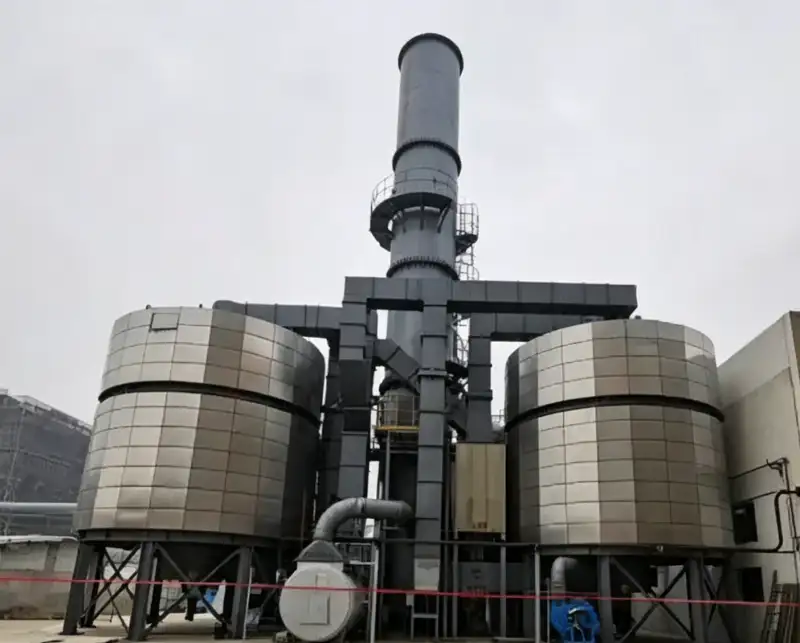
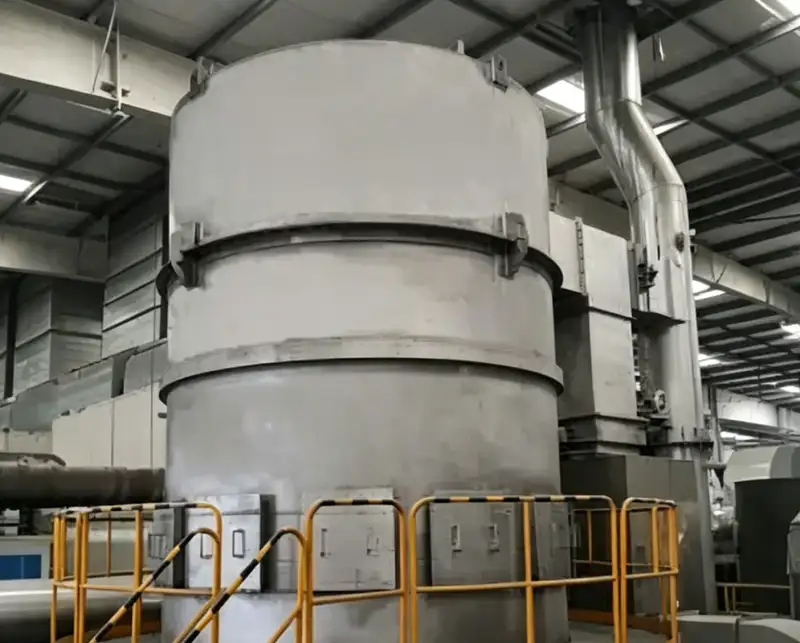
A rotary RTO printing case illustrates one possible architecture for solvent exhaust.
Multiple line integration matters because printing and coating exhaust is tied to production, not to a laboratory steady state. Centralized treatment can combine several presses or coaters, but simultaneous and non-simultaneous operation must be defined. Future lines, spare branches, and expansion capacity should be identified separately from current duty. During project definition, build a line-by-line matrix showing which sources can run together.
Pretreatment needs matters because printing and coating exhaust is tied to production, not to a laboratory steady state. The correct upstream arrangement depends on dust, mist, condensables, corrosive compounds, and other non-ideal constituents. A dust collector, mist control, temperature management, or other device may be necessary in some projects. During project definition, ask the supplier what contaminant limits are assumed at the RTO inlet and what evidence supports the selected pretreatment.
Heat-reuse opportunity matters because printing and coating exhaust is tied to production, not to a laboratory steady state. Printing and coating plants often have dryers or other thermal loads, so recovered heat can look attractive. The opportunity should be reviewed with real temperature levels, simultaneous demand, controls, contamination boundaries, and production schedule. During project definition, separate the RTO heat balance from any secondary heat-reuse calculation so the benefit is not double counted.
Maintenance and cleaning access matters because printing and coating exhaust is tied to production, not to a laboratory steady state. Ducts and media exposed to process carryover need realistic inspection access. A system that can be opened only after major disassembly will be harder to maintain if production chemistry changes later. During project definition, review doors, platforms, drains where applicable, media access, and upstream-cleaning provisions on the general arrangement.
From production schedule to RTO design basis
1. Map the connected sources
Draw a simple exhaust map for every press, dryer, coater, laminator, cleaning station, and branch that may connect to the RTO. Identify which sources operate together.
2. Build operating cases
Define low production, typical production, peak production, startup, job change, cleaning, and shutdown conditions. For each case, estimate or measure flow, temperature, and solvent loading using available plant data.
Film coating is a useful reference for variable coating and dryer exhaust.
3. Describe contaminants beyond VOC
Add mist, particulate, condensables, silicon-containing materials, corrosive species, or other constituents that could affect ducts, media, fans, or instruments.
4. Review controls with production staff
The RTO and process lines should have a clear interface for permissives, alarms, line starts, fan status, and defined upset response. The final logic belongs in the site safety and control review.
Printing and coating RTO RFQ checklist
List every press, coating head, laminator, oven, or dryer that can connect to the system.
Provide minimum, normal, and maximum exhaust flow by operating combination.
Record exhaust temperature ranges at the proposed tie-in points.
Identify solvent species, coatings, inks, adhesives, and cleaning materials used in meaningful quantity.
Describe concentration ranges or available monitoring data, including short production peaks.
Note visible mist, pigment, dust, condensables, silicone, salts, or corrosive constituents where relevant.
Explain job-change, wash-up, startup, and shutdown sequences.
Describe current capture hoods, branch dampers, fans, and any upstream filtration or separation.
State the plant expansion plan separately from current duty.
Identify available utilities, site space, stack constraints, maintenance access, and any heat-reuse objective.
Coating-industry equipment provides context for source capture and centralized treatment.
Questions buyers commonly ask
Is an RTO suitable for every printing process?
No single control technology is automatically correct for every process. Suitability depends on exhaust flow, VOC species and concentration, oxygen, temperature, particulate or aerosol content, operating schedule, safety basis, and regulatory requirements. The process data should drive the technology review.
Why is average solvent use not enough for sizing?
Average consumption can hide short high-load jobs, line combinations, wash cycles, or long low-load periods. The RTO must be evaluated against the operating envelope and the collection-system airflow, not only a monthly solvent total.
Can several presses share one RTO?
They can in appropriate designs, but simultaneous operation, branch balancing, future expansion, control interlocks, minimum flow, and upset cases need to be engineered. A centralized system should be sized from a source matrix, not by adding nameplate numbers without context.
Which site pages are most relevant for printing and coating buyers?
Use the dedicated printing-industry RTO page and coating-industry RTO page for application context, then compare bed and rotary RTO configurations if you are evaluating equipment architecture.
A practical next step
Printing and coating projects become much easier to compare when the RFQ describes production behavior instead of only naming the industry. Map the sources, show which lines run together, document solvent and airflow ranges, and identify mist or particulate that could reach the treatment system. That gives the supplier enough context to discuss configuration, pretreatment, heat balance, controls, and maintenance without filling gaps with assumptions.
Prepare the process facts before asking for a final configuration.
Use the site resources above to compare equipment concepts, then send the operating envelope and project constraints through the verified contact page.
 KO
 EN
 ZH
 ES
 AR
 ID
 PT
 FR
 JA
 RU
 DE
 MS
 CS
 BG
 NL
 RO
 SK
 TH
 VI
 ZH_TW
 UK