
How to monitor and control emissions from an RTO thermal oxidizer?
How to monitor and control emissions from an Oxidador térmico RTO
?
Introducción
An RTO (Regenerative Thermal Oxidizer) thermal oxidizer is a crucial component in industrial processes for controlling air pollution. It is designed to eliminate harmful emissions by oxidizing volatile organic compounds (VOCs) and hazardous air pollutants (HAPs). Monitoring and controlling emissions from an RTO thermal oxidizer is essential to ensure compliance with environmental regulations and maintain air quality standards.
1. Continuous Emission Monitoring System (CEMS)
– The implementation of a CEMS enables real-time monitoring of emissions from the RTO thermal oxidizer.
– CEMS measures parameters such as carbon monoxide (CO), nitrogen oxides (NOx), sulfur dioxide (SO2), and volatile organic compounds (VOCs).
– This system provides accurate and reliable data for assessing the efficiency of the oxidizer and detecting any potential issues or malfunctions.
2. Stack Testing
– Stack testing involves conducting periodic emissions testing to evaluate the RTO thermal oxidizer’s performance.
– It measures the concentration of pollutants emitted from the stack and compares them against regulatory standards.
– Stack testing helps identify any deviations from compliance and provides valuable insights for optimizing the oxidizer’s operation.
3. Operating Parameters Monitoring
– Monitoring the operating parameters of the RTO thermal oxidizer allows for better control over emissions.
– Parameters such as temperature, pressure, and flow rate need to be regularly monitored and adjusted to maintain optimal combustion efficiency.
– By ensuring the proper functioning of these parameters, emissions can be effectively controlled and minimized.
4. Mantenimiento e inspección
– Regular maintenance and inspection of the RTO thermal oxidizer are crucial for controlling emissions.
– Scheduled inspections help identify and address any potential leaks, mechanical failures, or damaged components that could contribute to increased pollutant emissions.
– Proper maintenance ensures the oxidizer operates at its highest efficiency, reducing emissions and preventing environmental harm.
5. Sistemas de control avanzados
– The use of advanced control systems, such as predictive modeling and machine learning algorithms, can enhance emission control in RTO thermal oxidizers.
– These systems can analyze data collected from various sensors and make real-time adjustments to optimize combustion efficiency and minimize emissions.
– By leveraging advanced control systems, industries can achieve higher emission reduction while maintaining cost-effective operations.
Conclusión
Monitoring and controlling emissions from an RTO thermal oxidizer is a critical aspect of maintaining environmental compliance and ensuring air quality standards. Through continuous monitoring, stack testing, parameter optimization, regular maintenance, and the implementation of advanced control systems, industries can effectively minimize emissions and contribute to a cleaner and healthier environment.

Presentación de la empresa
We are a high-end equipment manufacturing enterprise specializing in the comprehensive treatment of volatile organic compound (VOC) emissions and carbon reduction energy-saving technology. Our core technologies include thermal energy, combustion, sealing, and self-control. We have capabilities in temperature field simulation, air flow field simulation modeling, ceramic heat storage material performance, comparison of zeolite molecular sieve adsorbents, and VOC high-temperature incineration oxidation experimental testing.
Ventaja del equipo
We have established an RTO technology research and development center and an exhaust gas carbon reduction engineering technology center in Xi’an, as well as a 30,000 square meter production base in Yangling. We are a leading manufacturer of RTO equipment and zeolite molecular sieve rotary wheel equipment worldwide. Our core technology team is composed of experts from the Sixth Academy of Aerospace Liquid Rocket Engine Research Institute. We have more than 360 employees, including over 60 research and development technical backbones, including 3 senior engineers at the research level, 6 senior engineers, and 117 thermodynamics doctors.
Productos principales
Our core products include the Rotary Valve Thermal Oxidizer (RTO) and zeolite molecular sieve adsorption concentration rotary wheel. Combined with our expertise in environmental protection and thermal energy system engineering, we can provide customers with comprehensive solutions for industrial waste gas treatment, carbon reduction, and energy utilization under various operating conditions.

Certificaciones, Patentes y Honores
- Certificación del Sistema de Gestión de la Propiedad Intelectual
- Certificación del Sistema de Gestión de Calidad
- Certificación del Sistema de Gestión Ambiental
- Calificación de empresas de la industria de la construcción
- Empresa de alta tecnología
- Patente de oxidante térmico con válvula rotatoria
- Patente para equipo de incineración con almacenamiento de calor de rueda giratoria
- Patente de rueda giratoria de disco de zeolita
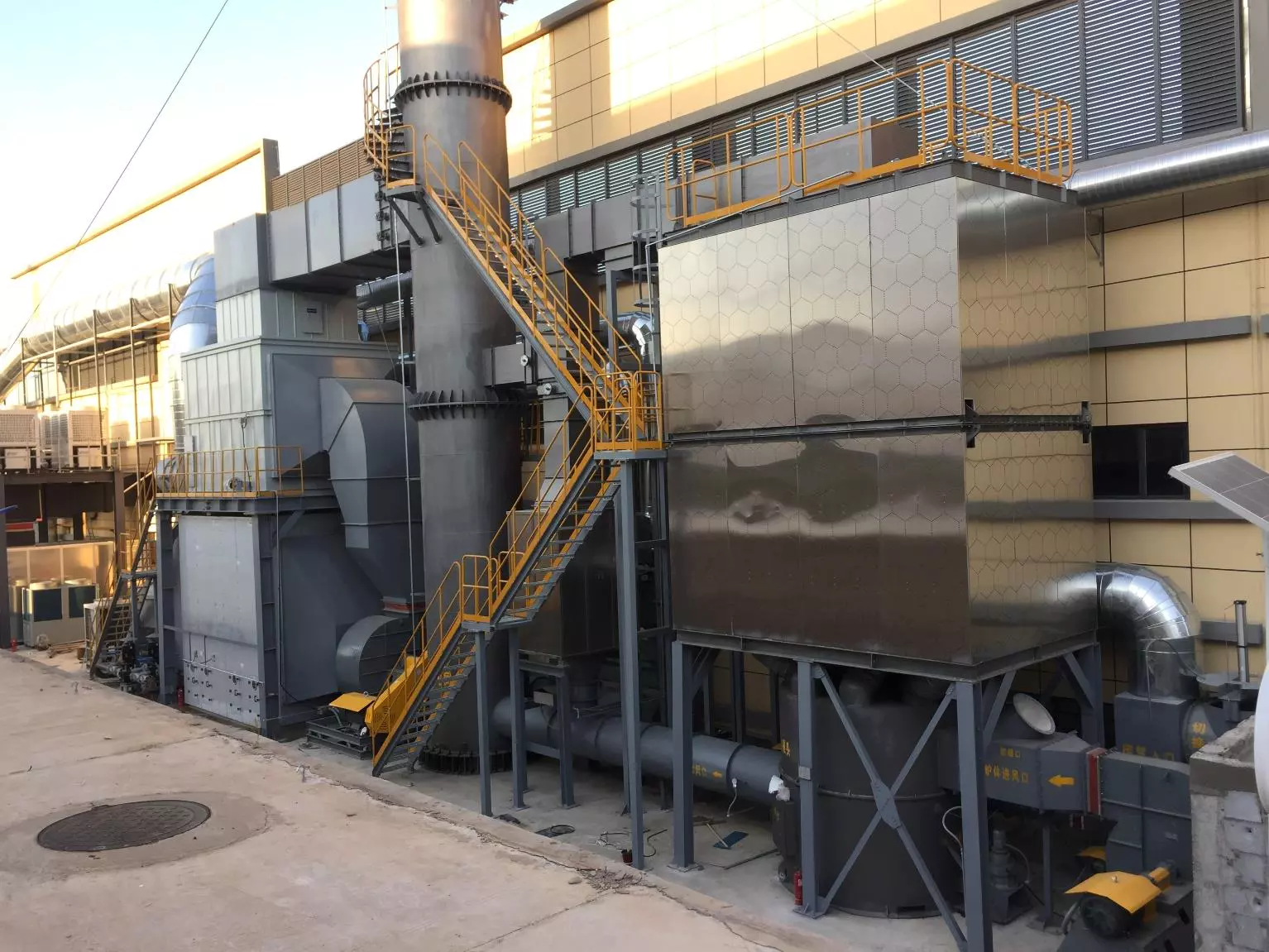
Cómo elegir el equipo RTO adecuado
- Determinar las características del gas residual
- Comprenda las regulaciones locales y los estándares de emisiones.
- Evaluar la eficiencia energética
- Considere la operación y el mantenimiento
- Análisis de presupuestos y costos
- Seleccione el tipo de RTO apropiado
- Considere factores ambientales y de seguridad
- Pruebas de rendimiento y validación
Understanding the composition, temperature, and flow rate of the waste gas is crucial in selecting appropriate RTO equipment.
Being aware of local regulations and emission standards ensures compliance and helps in choosing the right RTO equipment that meets the requirements.
Assessing the energy efficiency of different RTO equipment options is important in achieving optimal performance and cost savings.
Considering the ease of operation and maintenance of the RTO equipment helps in ensuring its long-term reliability and performance.
Analyzing the budget and cost implications of different RTO equipment options assists in making an informed decision that aligns with financial considerations.
Choosing the right RTO type based on the waste gas characteristics and operational requirements is essential for effective emissions control.
Taking into account environmental and safety considerations ensures that the selected RTO equipment is safe, reliable, and meets environmental standards.
Conducting performance testing and validation verifies the effectiveness and efficiency of the chosen RTO equipment.
Proceso de servicio
- Consulta y evaluación
- Diseño y desarrollo de soluciones
- Producción y fabricación
- Instalación y puesta en marcha
- Soporte posventa
Initial consultation, on-site inspection, and needs analysis are carried out to understand the specific requirements.
Designing customized solutions and conducting simulation and evaluation to develop the most suitable RTO system.
Customized production, quality control, and factory testing ensure the highest standards of manufacturing.
On-site installation, commissioning, and operational training services to ensure proper setup and smooth operation of the RTO system.
Regular maintenance, technical support, and spare parts supply to provide comprehensive after-sales support and maximize system performance.
Somos un proveedor de soluciones integrales con un equipo profesional dedicado a soluciones RTO personalizadas para nuestros clientes.
Autor: Miya
 ES
ES  EN
EN  ZH
ZH  AR
AR  ID
ID  PT
PT  FR
FR  JA
JA  RU
RU  DE
DE  MS
MS  CS
CS  BG
BG  NL
NL  KO
KO  RO
RO  SK
SK  TH
TH  VI
VI  ZH_TW
ZH_TW  UK
UK