
Cold weather changes the operating context before it changes the equipment
Cold weather can change an RCO installation long before the catalyst or regenerative media becomes the focus. Outdoor ductwork, exposed drains, instruments, access platforms, and equipment rooms may experience different temperatures from the production source. If gas cools along the route, moisture or condensable compounds may collect at locations that remain unnoticed during warmer months. A useful winter review begins with the entire gas path rather than one temperature reading at the oxidizer inlet.
Build a site-specific map of exposed sections, low points, drains, insulation, weather protection, and sampling ports. Mark where gas temperature is measured and where ambient conditions can affect instruments or condensate behavior. Compare the drawing with the installed layout, including modifications made since commissioning. This map complements the site’s explanation of RCO process stages and heat recovery.
Map the winter exposure points
The presence of moisture does not automatically mean a design fault. The important questions are where condensation can occur, what the condensate contains, how it is managed, and whether materials and maintenance procedures are suitable. The answer depends on stream composition, temperature profile, and local conditions. Record observed evidence separately from suspected locations so the team can prioritize inspection rather than treating every cold surface as a confirmed problem.
Seasonal sampling should capture conditions that differ from the normal design case. A warm-day reading may not represent a cold morning startup, a line that has stood idle overnight, or a period after a long shutdown. Record source state, airflow, inlet temperature, moisture where measured, and relevant alarms with each sample. If a measurement is estimated rather than directly observed, label it clearly; false precision makes troubleshooting harder, not easier.
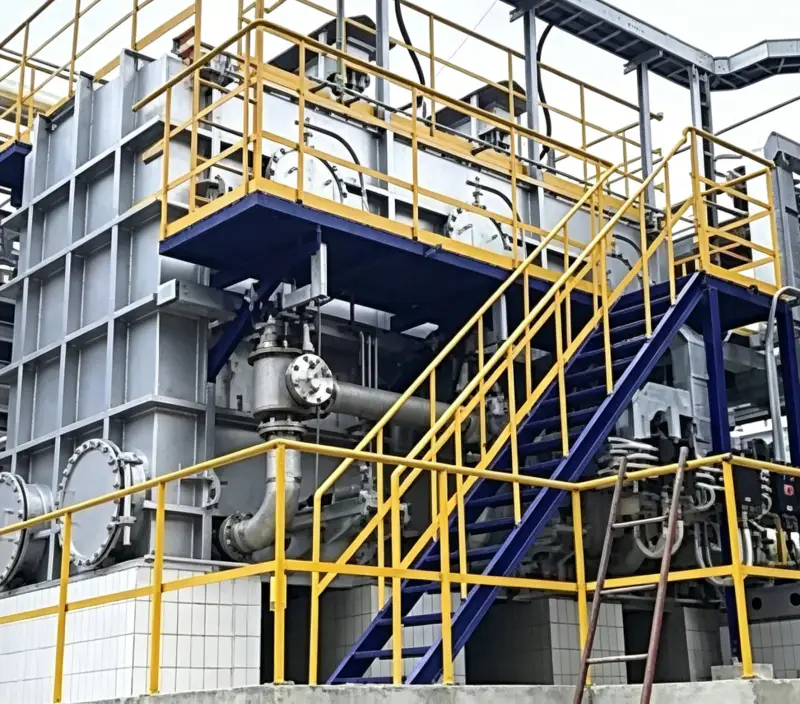
Duct routing deserves a deliberate review. Horizontal runs, low points, uninsulated branches, and transitions between indoor and outdoor areas can affect cooling and drainage. Where drains are fitted, confirm their purpose and maintenance method are documented. Do not open a drain or duct section while the system is hot, operating, or potentially contaminated. Inspection and isolation must follow the approved site procedure and the hazards associated with the actual exhaust.
Insulation and weather protection should be checked against the equipment and process design, not added as a universal cure. Extra insulation may change temperature behavior, access, or maintenance requirements, while a poorly protected instrument can still give unreliable readings. Ask the responsible engineer or supplier to confirm the intended arrangement for the relevant section. Record any repair or modification, including its date and the operating conditions that prompted it.
Cold ambient conditions can affect how quickly the system reaches its approved operating state. Startup timing depends on equipment design, thermal mass, flow, control sequence, and the manufacturer’s instructions. Avoid adopting a generic warm-up duration without a specific basis. The operating procedure should define required permissives, the signals that indicate readiness, and the response if the expected condition is not reached.
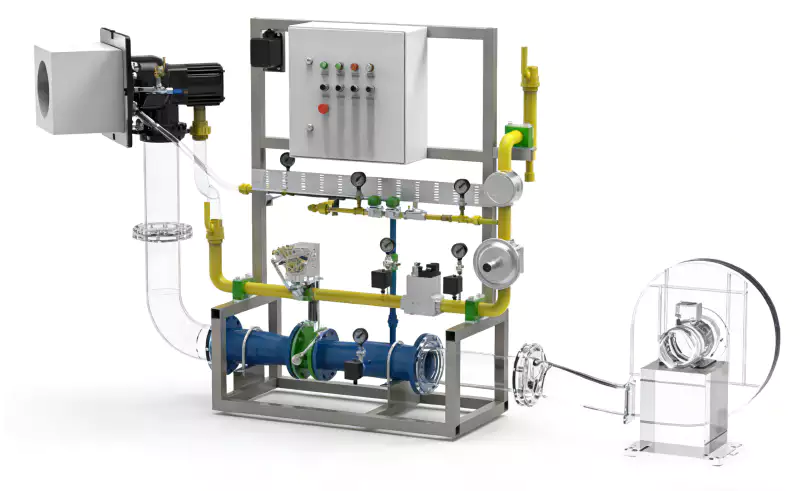
A cold start can coincide with changing process demand. Some production lines start immediately, while others bring exhaust sources online in stages. That timing can affect flow and VOC loading during the RCO’s transition. The plant should define which sources may operate during each startup stage and how the control system handles an unexpected change. Do not use an unapproved bypass to send exhaust around required treatment or safety functions.
Turn seasonal observations into a controlled operating plan
Instrument behavior should be reviewed separately from process behavior. Temperature sensors may respond differently depending on their location and installation, while pressure taps can be affected by deposits or moisture. Verify calibration status and inspect the measurement chain under the approved maintenance procedure. If readings disagree, compare the instrument, location, and operating state before assuming that the catalyst or regenerative media has changed.
Seasonal pressure trends need context. A change in differential pressure may reflect filter loading, condensation, a changed damper position, a different fan operating point, or a measurement problem. Compare readings at similar flow and source conditions. The site’s guide to For a related technical check, see interpreting RCO pressure-drop trends.
| Seasonal review point | Evidence to record | Decision supported |
|---|---|---|
| Exposed duct sections | Route, insulation, ambient exposure, condensate signs | Where inspection or engineering review is needed |
| Drains and low points | Location, service history, approved inspection method | Whether moisture management remains effective |
| Instruments | Sensor ID, calibration, location, signal condition | Whether a reading is reliable enough for diagnosis |
| Startup sequence | Permissives, readiness feedback, abnormal response | When the system may enter the next operating stage |
| Energy and flow | Source mode, flow, temperatures, pressure | Whether the seasonal case remains within the design envelope |
Heat balance should be reviewed for the operating cases that actually occur in winter. Inlet temperature, VOC loading, airflow, idle periods, and startup frequency affect supplemental energy and recovery. Ask the supplier which assumptions were used for the original estimate and whether the winter schedule falls within them. Keep external heat reuse separate from the RCO’s own energy calculation unless the receiving process and duty are confirmed.
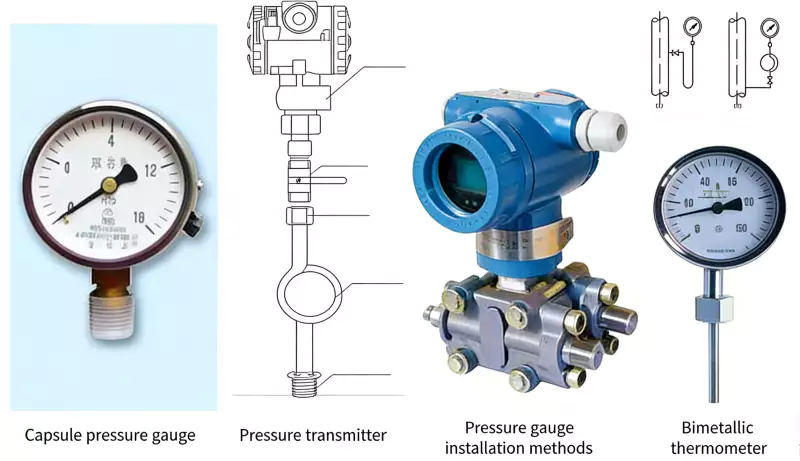
Maintenance planning should bring forward checks that are sensitive to seasonal exposure. These may include drain inspection, insulation condition, weather protection, instrument verification, fan and damper response, and access to sampling locations. The exact list depends on the installed configuration. A useful checklist names the component, inspection method, acceptable condition from approved documentation, and person responsible for recording the result.
Operators need clear instructions for conditions outside the expected startup sequence. The procedure should state when to pause, whom to notify, which readings to preserve, and who can authorize restart. A repeated alarm is a reason to investigate, not a reason to reset the system until it stays quiet. Safety limits and protective functions remain controlling even when production is under schedule pressure.
A practical review sequence
A useful winter baseline records comparable measurements rather than merely noting that the weather was cold. Capture ambient conditions, source mode, flow, temperatures at defined points, pressure readings, alarm events, and any maintenance performed. The baseline helps distinguish a recurring seasonal pattern from a new fault. Keep units, sensor identifiers, and measurement locations consistent so later shifts can compare like with like.
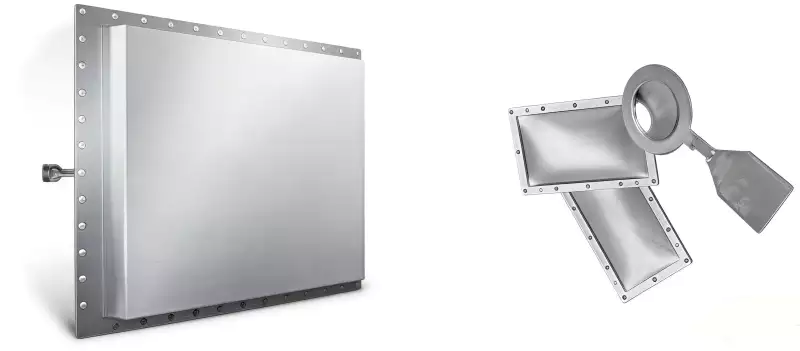
Procurement and service agreements should clarify who is responsible for seasonal inspections and site-specific winterization. Confirm whether insulation, drain arrangements, instrument protection, access, and operator training are included in the supplied scope or belong to the plant. If a service provider recommends a change, ask for the design basis and maintenance implications in writing. This avoids discovering during the first cold period that an important interface was assumed to be someone else’s job.
A seasonal operating plan should include normal startup, restart after a long idle period, temporary production stops, and response to abnormal readings. These cases are not interchangeable. The approved control narrative should define which signals confirm readiness and what happens if a fan, sensor, damper, or temperature condition is not as expected. Keep the plan aligned with the installed controls and the actual process hazards.
Do not treat cold-weather performance as a single pass-or-fail observation. A meaningful review compares process conditions with the design envelope and examines whether capture, flow, temperature, pressure, alarms, and emissions evidence remain consistent. If a relevant condition falls outside the approved range, involve responsible engineering and environmental personnel and decide whether further sampling or a formal review is required.
When a seasonal issue appears, preserve evidence before making adjustments. Record the time, weather conditions, process state, instrument readings, alarms, and recent maintenance or recipe changes. Avoid changing several settings at once, because that makes the cause harder to isolate. If the issue involves possible condensation, hot surfaces, contaminated liquid, or a safety interlock, use the approved isolation and response procedure. The site’s RCO preventive-maintenance planning is also relevant to this review.
The best cold-weather plan is specific to the site’s gas chemistry and equipment arrangement. It identifies likely exposure points, verified operating limits, inspection tasks, startup readiness signals, and escalation responsibilities. Generic advice can help build the checklist, but final limits and procedures must come from the approved design and supplier instructions.
Before the next cold period, review the duct and drain map, confirm instrument readiness, verify the startup procedure, and record a baseline under representative conditions. If those records already exist, use the seasonal review to identify gaps rather than rewriting the entire plan. The aim is predictable, safe operation—not an improvised winter workaround every time the temperature drops.
Häufig gestellte Fragen
Does cold weather automatically reduce RCO performance?
Should every outdoor duct be insulated?
Can operators extend warm-up time whenever startup is slow?
What if pressure drop rises during winter?
Does a winter baseline need emissions testing?
Keep the exposure map, approved startup sequence, instrument records, and seasonal baseline together. Use verified site limits for decisions and treat unresolved deviations as engineering questions, not reasons to bypass safeguards.
 DE
 EN
 ZH
 ES
 AR
 ID
 PT
 FR
 JA
 RU
 MS
 CS
 BG
 NL
 KO
 RO
 SK
 TH
 VI
 ZH_TW
 UK