Treat product changeovers as changes to the exhaust, not just the production schedule
A product or cleaning change can alter the exhaust chemistry and operating envelope even when the RCO hardware remains untouched. Screen the change before routine use, preserve the old and new process conditions, and involve the roles responsible for catalyst compatibility and safety.
Product changeovers are often managed as production-planning tasks, but a new recipe can also change the exhaust presented to an RCO. Solvents, additives, cleaning agents, cure conditions, production speed, and ventilation settings may affect concentration, temperature, moisture, or trace compounds. The equipment can remain mechanically unchanged while the stream moves outside the assumptions used during its original selection.
Begin with a written description of what is changing. Identify the current and proposed material, relevant chemical families, process temperature, quantity or usage pattern, and cleaning steps. The purpose is not to replace a formal chemical assessment with a checklist; it is to make the review trigger visible. Where the composition is unknown, record the gap and decide whether further supplier information or sampling is required.
Compare the proposed material with the existing RCO catalyst compatibility basis before approving routine operation. Total VOC concentration alone may not reveal a new constituent that matters to the catalyst. Ask the responsible technical reviewer to identify whether the new chemistry is covered, excluded, or still unresolved. Do not infer approval merely because a similar material was used in another line.
The sequence of a changeover can matter as much as the final recipe. Exhaust may contain residual material from the previous run, vapors from a cleaning step, or a short peak as a new process begins. Describe the sequence, duration, and any overlap between old and new materials. If the process has a purge or flush stage, record how that stage is controlled and where its exhaust is routed.
Identify the changed material
Compare solvents, additives, cleaning agents, and potential byproducts against the reviewed feed profile.
Check the operating transition
Describe when the new recipe runs, what is flushed or cleaned, and whether old and new exhaust overlap.

Document authorization
Record the technical review, restrictions, sampling needs, and approval before routine production.
Cleaning agents deserve explicit review because they are sometimes selected by a different team from the people responsible for the oxidizer. A substitute cleaner may have a different composition or volatility even if it performs the same production task. Include cleaning instructions, concentration if applicable, temperature, frequency, and the way vapors are captured. Do not assume a maintenance chemical is outside the RCO design basis simply because it is not part of the main recipe.
Consider the amount and timing of material use, not only the ingredient list. A larger batch, faster line, higher oven temperature, or more frequent cleaning can change the exhaust load. Record which operating variables change and whether the new case is expected to coincide with other active sources. This information helps determine whether the current envelope covers the change or a new measurement is needed.
Physical emissions may change too. A revised coating, resin, adhesive, or cleaning method can introduce mist, aerosols, particles, or condensable compounds. These can affect upstream equipment and the condition of the catalyst path. Ask the process team what visible residues or deposits have been observed and whether the new material changes the need for pretreatment or inspection.
Temperature and moisture should be compared for the old and new cases. A new curing temperature or exhaust dilution setting can alter the thermal profile, while cleaning may introduce water or vapor that was not present during normal production. Review the point at which measurements are taken and whether conditions change along the duct. A source reading may not fully represent the combined header at the treatment unit.
If several production lines share an exhaust header, the change review should identify the concurrent operating state. A new recipe on one line may overlap with a peak on another. The combined profile can differ from either line considered separately. Record the expected sequence and ask whether temporary segregation, additional monitoring, or an updated operating restriction is needed during the transition.
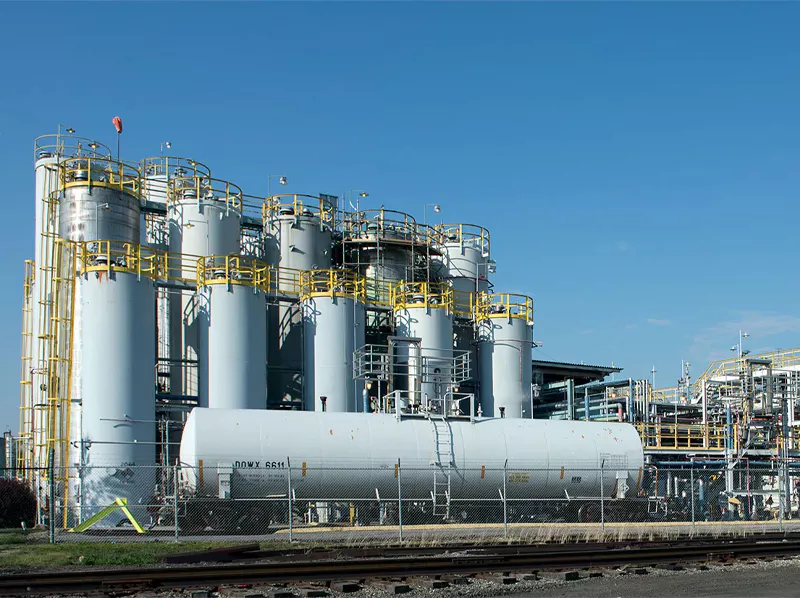
A material substitution should be screened against the approved feed envelope even if the total VOC reading is expected to stay similar.
Control and safety documents should be checked when the change affects concentration, flow, temperature, or startup behavior. The appropriate response depends on the approved hazard review and equipment design. Do not adjust a setpoint or disable a protective function to accommodate a new recipe without the authorized engineering process. Any required control revision should be tested and reflected in the controlled documents.
Use a change form that records the request, reason, material identity, process steps, affected exhaust sources, known chemistry, and anticipated operating conditions. Add a section for the RCO compatibility review and the evidence supporting the decision. If the review requires a sampling campaign or supplier consultation, mark the change as pending until that action has been completed and approved.
When sampling is required, plan it around the actual transition rather than collecting only a stable-production sample. Include the mode most likely to reveal a new compound or peak, while following the approved method and safety controls. Preserve the recipe, cleaning state, time, flow, and temperature for each sample. If the transition cannot be reproduced safely or consistently, document the limitation and determine the next evidence needed.
The existing RCO operating-boundary and safety-control review can help identify which process variables already have defined limits. Compare the proposed change with those limits and the actual approved cause-and-effect documents. A general technical article can help frame questions, but only the site’s authorized review can approve a change to the operating basis.
Decide whether the current RCO approval still covers the process
Production scheduling should not be used to hide an unresolved compatibility question. If the review has not established whether a new compound is suitable, record the restriction and assign the next action. The responsible manager should decide whether the change can proceed under an approved limited trial or must wait for additional evidence. Do not silently convert an engineering uncertainty into a routine operating assumption.
After approval, update the process data sheet and the operating instructions that depend on the changed conditions. Make sure the operators know what is different, which modes are permitted, and which abnormal signs should be reported. If the change requires new sampling or a revised inspection plan, assign an owner and due date rather than leaving the requirement buried in meeting notes.

Keep the old and proposed recipe, cleaning sequence, review evidence, restrictions, and approval together so the decision can be reconstructed later.
The first runs after a change should generate a traceable record. Record the actual recipe, exhaust conditions available from the instrument system, alarms, deviations, and any unusual odor or deposit observation reported through approved channels. These observations do not replace analytical testing, but they can identify a difference from the reviewed assumptions and trigger further investigation.
If the process returns to the previous recipe, do not automatically discard the change record. Keep the history of what was introduced, what was observed, and whether the old operating basis was restored. A later recurrence may benefit from the evidence, and a future formulation may share one of the changed constituents. Records help prevent the same unknown from being investigated from scratch.
| Change type | What to compare | Possible review action |
|---|---|---|
| Solvent or additive | Identity, known compounds, usage pattern, peak exposure | Compatibility review or targeted sampling |
| Cleaning agent | Composition, temperature, frequency, exhaust route | Separate changeover case and procedure update |
| Production rate | Flow, concurrent sources, duration, ventilation | Confirm combined operating envelope |
| Cure or process temperature | Source temperature and duct conditions | Review thermal basis and condensation risk |
| Control or duct change | Signals, branches, fan state, operating limits | Authorized engineering and safety review |
Practical review workflow
Describe the proposed recipe, material, cleaning step, and timing.
Compare known chemistry and physical contaminants with the approved RCO feed profile.
Check concurrent exhaust sources, flow, temperature, and transition behavior.

Identify whether supplier review, sampling, or control review is required.
Record the authorized decision, restrictions, and updated operator instructions.
Review actual operation after change and retain observations or follow-up actions.
Changeover reviews should be proportionate to risk. A minor schedule adjustment within a documented envelope may require only a recorded check, while a new solvent or an uncharacterized cleaning mixture may need supplier review or sampling. The criteria should be defined by the site’s management-of-change procedure and hazard assessment, not improvised by whichever person receives the request.
Where several departments are involved, name the decision owner and the people who provide evidence. Production identifies the material and process change; EHS or environmental staff review relevant obligations; engineering checks the operating envelope; maintenance identifies access and service implications; and the supplier may assess catalyst compatibility. The exact role allocation is site-specific, but the final decision should be traceable.
A well-run product changeover preserves both production flexibility and control of the exhaust system. It identifies the changed chemistry, checks whether the existing approval still applies, records the decision, and verifies the actual transition. This prevents a seemingly small material substitution from becoming an undocumented change to the RCO operating envelope.
Before a new recipe or cleaning agent becomes routine, close the review record: known compounds assessed, unresolved data assigned, controls and operating limits checked, sampling completed where required, and the authorized decision recorded. This creates a repeatable process that supports future changes without assuming that every new product behaves like the one before it. For batch solvent work, compare the new case with the campaign and cleaning-vapor compatibility review when those conditions are relevant.
الأسئلة الشائعة
Does an unchanged RCO automatically remain suitable for a new solvent?
No. The feed chemistry can change while the hardware remains the same. Compare the new material with the documented catalyst compatibility basis.
Should cleaning agents be included in the change review?
Yes, when their vapors can reach the treatment system. Record composition, use conditions, frequency, and exhaust route.
Is a total VOC reading enough to approve a new recipe?
Not always. A similar total can hide a different compound profile or a short peak during cleaning or transition.
Who should approve the change?
Use the site management-of-change procedure and named technical, safety, environmental, and operations reviewers appropriate to the risk.
What should be recorded after the first run?
Retain recipe identity, operating conditions, alarms, deviations, observations, and any follow-up sampling or supplier review.
Make process flexibility compatible with documented limits
Review the material, transition sequence, shared exhaust conditions, and required evidence before routine production. Keep the approved operating envelope and change decision linked.
 AR
 EN
 ZH
 ES
 ID
 PT
 FR
 JA
 RU
 DE
 MS
 CS
 BG
 NL
 KO
 RO
 SK
 TH
 VI
 ZH_TW
 UK