
Make RCO performance testing representative, traceable, and agreed in advance
RCO performance testing should be planned before equipment startup rather than improvised after the system is running. The project needs a defined target, measurement method, suitable sampling locations, representative operating conditions, and reporting basis. These details make results interpretable and allow the plant to compare the installed system with design requirements. Without a common plan, different parties may interpret the same data differently.
Begin by identifying the pollutant or performance parameter that must be measured. The required basis depends on the permit, contract, or project objective. Confirm whether the test concerns specified compounds, a broader emissions measure, operating stability, or another documented requirement. A general technology description is not a substitute for a defined acceptance criterion.
Review commissioning and acceptance checks →
Define the test basis
Record operating conditions
Preserve traceability
Design a sampling plan that matches the operating envelope
Sampling locations should be selected by qualified personnel using the requirements of the applicable method and installed duct arrangement. A convenient opening is not automatically a valid test point. Review access, flow profile, safety, utilities, and the need to sample before or after particular process interfaces. Record the final location and any limitations that affect interpretation.
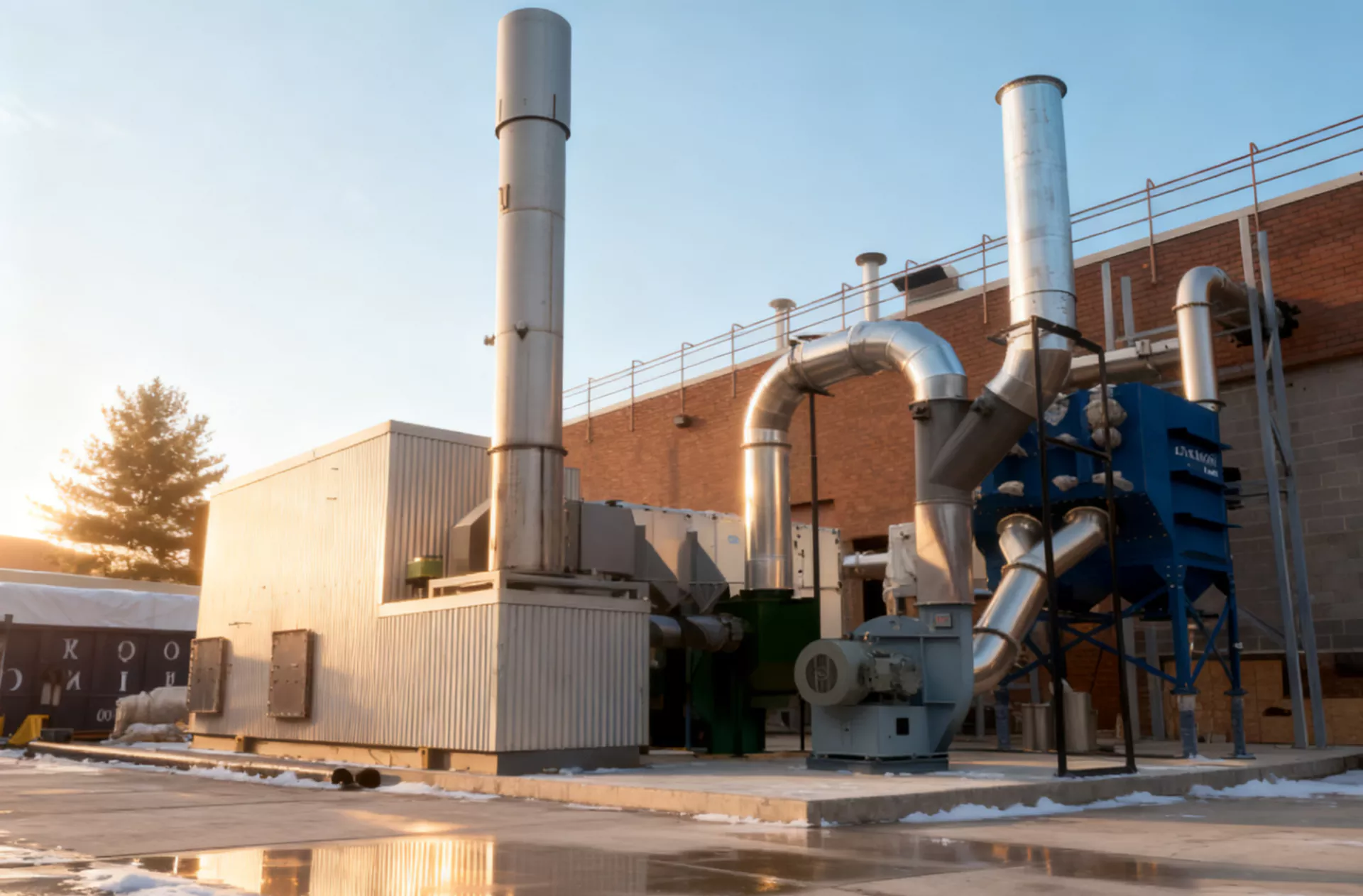
Representativeness is central to the test plan. If the plant has several recipes, production rates, or cleaning modes, decide which conditions the acceptance test must cover. A sample collected during low-load operation may not represent a peak solvent case. Conversely, a single short peak may not describe normal operation. The plan should state which operating envelope is being demonstrated and which cases remain outside the test.
Feed data should be collected alongside the emissions sample. Useful context may include airflow, inlet temperature, VOC composition where available, process mode, production rate, and relevant alarms. The exact list depends on the system and method. A result without process context may be difficult to compare with commissioning assumptions or a later retest.
Instrument readiness should be confirmed before the test. Verify calibration status, range, sample conditioning, data logging, and the identity of each measurement point. Where a laboratory or specialist team is used, agree responsibilities for sample collection, chain of custody, analysis, and reporting. A laboratory report does not automatically prove that operating conditions were representative.
The RCO should be stabilized under the approved startup procedure before the test begins if the agreed protocol requires stable operation. Define how stabilization is recognized and which readings must be recorded. Do not invent a universal waiting time; it depends on design, operating mode, and the agreed method. Any departure from the planned sequence should be documented and reviewed before data are accepted.
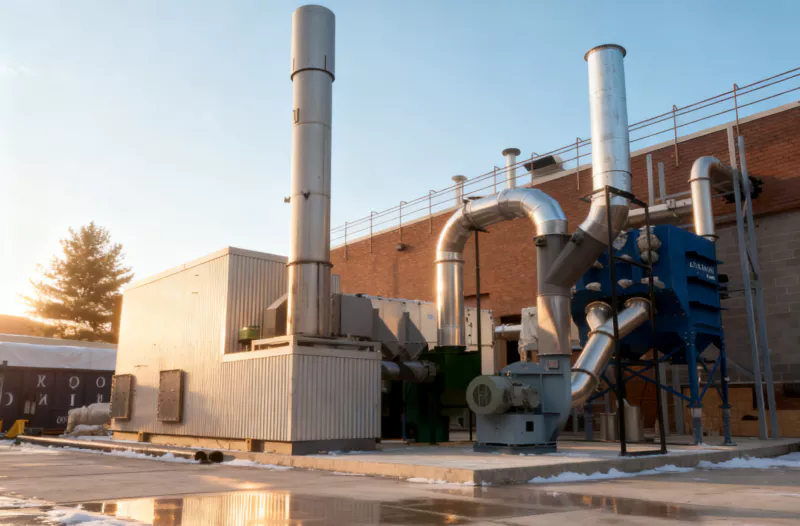
Safety and environmental requirements apply during sampling. Access platforms, isolation, hot surfaces, exhaust exposure, and working-at-height risks should be addressed in the approved test method and site procedures. Sampling staff should know the site communication and stop-work process. A test schedule does not override protective controls or authorize unsafe access.
Record both expected and actual process state. If the production line stops, a recipe changes, an alarm occurs, or feed falls outside the planned range during sampling, preserve the event in the report. The test lead should determine whether affected data remain valid under the agreed method or whether a repeat is required. Do not remove an inconvenient result without documenting the reason.
Acceptance criteria should specify how results are evaluated. Depending on contract or permit, this may include a defined average, operating window, measurement uncertainty, or method-specific requirement. Use approved documents rather than inventing a tolerance. If a term is ambiguous, resolve it before the test date so the report does not become a commercial dispute.
Turn measurements into an acceptance record
Performance testing should not be confused with a full safety review. An emissions test may show that the system achieved a target during sampled conditions, but it does not prove every interlock or upset response worked. Control-function tests and emissions tests should be separate commissioning items, with their own evidence and sign-off.
| Test item | Record or verify | Why it matters |
|---|---|---|
| Acceptance target | Permit or contract parameter and evaluation rule | Defines what constitutes an acceptable result |
| Sampling location | Approved port, access, method requirements | Supports valid and repeatable measurement |
| Operating mode | Flow, feed, recipe, temperature, alarms | Shows what the result represents |
| Measurement chain | Calibration, sample handling, analysis, reporting | Supports traceability and confidence |
| Deviations | Process changes, interruptions, missing signals | Defines limitations and need for retest |
Likewise, successful control tests do not replace emissions verification. A sequence can operate as designed while the treatment result still needs to be demonstrated under agreed process conditions. Keep each acceptance requirement tied to its own method and record. This separation makes it easier to identify whether a problem concerns chemistry, operating conditions, instrumentation, or protective logic.
Report deviations transparently. If flow was outside the target range, a required instrument was unavailable, or a production condition could not be achieved, state the limitation and potential impact. The parties can then decide whether the result supports acceptance, needs a repeat, or requires engineering review. A clear deviation record is stronger than an unsupported statement that the test passed.
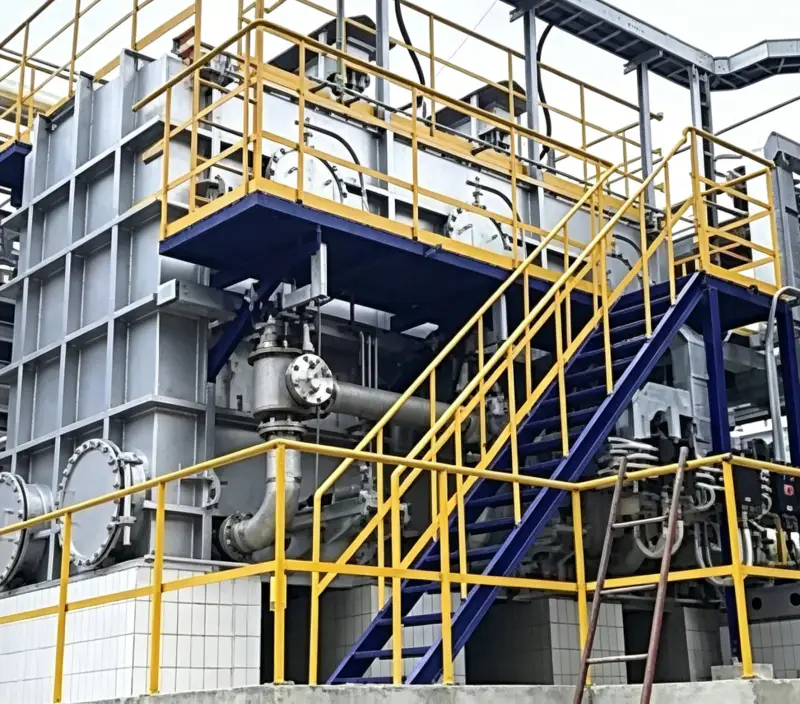
The final report should identify equipment configuration and process conditions during the test. Include sampling dates, method, locations, operating mode, feed data, results, uncertainty or limitations, instrument records, and responsible signatories. Preserve source files and calculations needed to reproduce the result. The report should be usable by future operators and reviewers, not only by the commissioning team.
Practical review workflow
Use the acceptance test to establish a baseline for routine monitoring. Where relevant, align variables recorded during the test with the plant historian or maintenance records. If the acceptance result cannot be connected to a routine operating signal, later drift may be difficult to interpret. Establish who reviews the baseline and what process changes require reassessment.
Repeat testing may be warranted after a material process change, equipment modification, or unexplained performance shift, depending on approved requirements. New solvents, altered airflow, additional exhaust sources, or catalyst replacement can change the conditions represented by the original test. Management of change should identify whether sampling, supplier review, or formal re-acceptance is needed.
Vendor comparisons also benefit from a consistent test basis. If two proposals assume different inlet concentrations, sampling methods, operating modes, or boundaries, reported performance cannot be compared directly. Include the same process data and acceptance criteria in the RFQ. Ask each supplier to identify which values are guaranteed, which are estimates, and which require field verification.
Prepare process and test data →
The plant should assign ownership for the test record. Environmental staff may own regulatory reporting, engineering may own the technical basis, operations may verify the production mode, and the supplier may provide equipment data. The responsibility matrix depends on the project. What matters is that missing data, deviations, and final acceptance are not left without a responsible reviewer.
A practical test-readiness review should happen before the sampling crew arrives. Confirm access, utilities, permits, production schedule, instruments, operating procedure, contact list, and conditions required to declare the test valid. Resolve known gaps early. If the required production mode cannot be run, revise the plan with appropriate approval rather than forcing an unrepresentative test.
Good performance testing creates a traceable link between design expectations and operating evidence. The report should state what was measured, under which conditions, with which method, and what conclusion the evidence supports. That discipline helps manage future changes and prevents a single number from being used beyond the conditions it actually represents.
 AR
 EN
 ZH
 ES
 ID
 PT
 FR
 JA
 RU
 DE
 MS
 CS
 BG
 NL
 KO
 RO
 SK
 TH
 VI
 ZH_TW
 UK