
Balance the exhaust network before treating the RCO as the problem
A multi-line plant may send exhaust from several production sources to one RCO. When airflow is uneven, operators may notice poor capture at one line, an unexpected fan operating point, changing pressure drop, or different treatment behavior between shifts. The visible symptom does not identify the cause. Begin with a network map that shows each branch, damper, fan, measurement point, and connection to the common header.
The operating schedule matters as much as the duct drawing. Some branches may run continuously, while others operate only during cleaning, changeover, or a particular production campaign. Record which sources are active when measurements are taken. A header flow measured with two branches closed cannot be compared directly with a full-production measurement. The log should make these operating differences explicit rather than treating every reading as the same duty. collecting RCO sizing data provides a related technical reference for this decision.
Create an airflow map tied to operating states
Branch flow should be measured using an appropriate method and safe access arrangement. Record the method, instrument, measurement location, operating state, and relevant conditions. If a branch cannot be measured directly, label the value as estimated and document the basis. Do not invent precise flow values from damper position alone; a damper setting does not uniquely determine airflow without system geometry and pressure conditions.
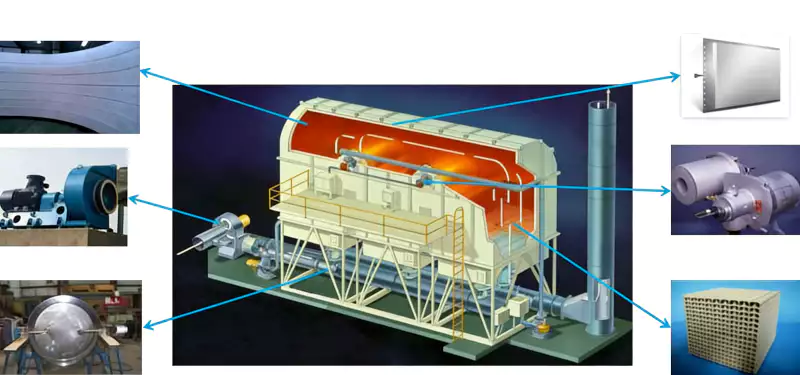
A useful airflow survey compares branch measurements with combined header and fan data. If branch totals do not align with the header reading, investigate timing, leakage, measurement uncertainty, and unmeasured connections before drawing conclusions. The discrepancy may be a measurement issue rather than a hidden physical leak. Preserve the original values and note the conditions under which each was collected.
Dampers are part of a network, not independent flow knobs. Adjusting one branch changes resistance and may redistribute air through others. A change that improves one booth can reduce capture at another source or move the fan to a different operating point. Before balancing, define the minimum capture and process requirements for each branch and follow the approved engineering procedure. The goal is a safe, stable network, not simply equal readings everywhere.
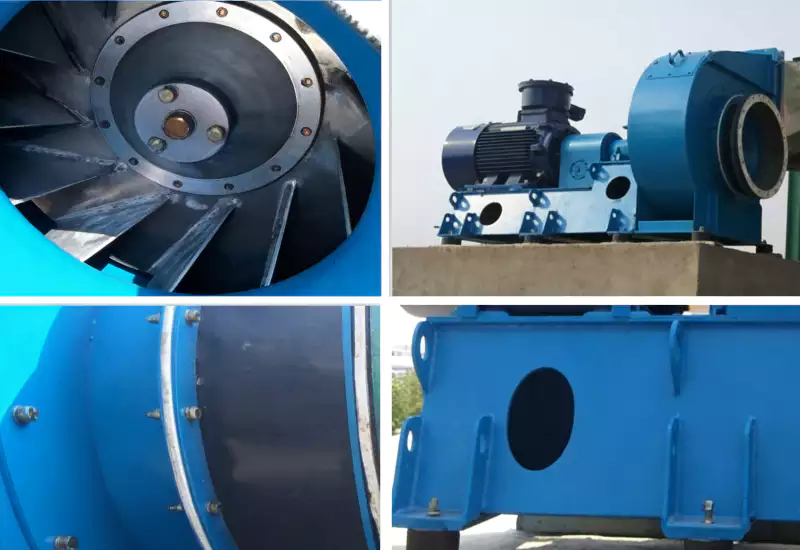
Fan capability should be reviewed using verified equipment information and actual system resistance. Changes to filters, duct routes, regenerative media, catalyst, stack, or branch configuration can alter the operating point. A fan that served an earlier layout may not provide the same flow after modifications. Compare current fan data with measured flow and pressure; avoid increasing speed as a substitute for identifying a restriction.
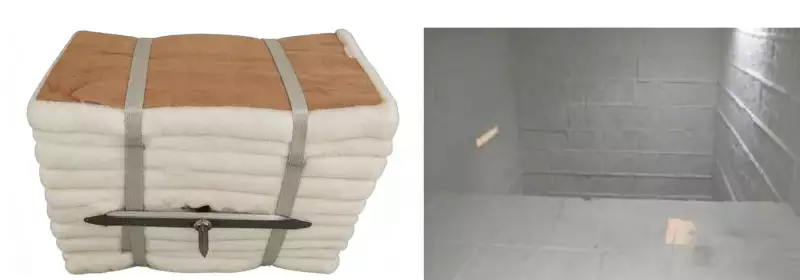
Leakage can distort the balance between source capture and treatment flow. Inward air leakage may increase volume without adding the intended process exhaust, while outward leakage can create an exposure or environmental concern. Inspect accessible joints and connections under approved procedures and compare the current layout with as-built drawings. Do not assume total header flow equals the sum of useful captured emissions without checking the network.
Pressure measurements should be taken at defined points. A single fan pressure reading cannot distinguish a loaded filter from a restrictive duct, a changed damper, or resistance within the RCO. Where practical, measure differential pressure across key sections and compare those values with flow and fan state. The same measurement locations should be used in future surveys so trends are comparable.
Use evidence to choose balancing or maintenance actions
Production changes can create temporary airflow imbalance. A new line, a different enclosure, a filter change, or a modified cleaning schedule may alter branch demand. Review the symptom timeline against maintenance and production records. If the issue began after a change, compare the new configuration with the original design basis before adjusting several dampers at once.
The treatment unit and capture network should be reviewed together. RCO operating conditions depend on the exhaust that actually arrives, while source capture depends on the network’s ability to draw from each process. A central treatment unit cannot correct poor hood placement or an unbalanced branch by itself. Identify whether the problem originates at the source, in the duct system, in pretreatment, or across the RCO package. For related design context, see interpreting pressure-drop changes.
| Observed symptom | Evidence to compare | Possible next review |
|---|---|---|
| One branch has low flow | Branch reading, damper position, filter differential pressure | Local restriction, control setting, or measurement issue |
| Header flow changes by shift | Active sources, production schedule, fan state | Different operating combination or undocumented branch |
| Fan speed rises over time | System pressure, filter condition, fan data | Restriction, changed system curve, or equipment condition |
| Capture worsens after a modification | As-built layout, hood and branch changes | Source capture and network review |
| Readings conflict | Instrument calibration, tap condition, timing | Measurement validation before mechanical intervention |
A balancing plan should state required conditions before adjustment. Record sources that must operate together, target or required flow criteria from approved documents, damper starting positions, fan control mode, and safety constraints. If no documented capture criterion exists, the engineering team should define one rather than inventing a universal airflow target. This keeps balancing work tied to process and site requirements.
Use a controlled sequence for adjustment. Change one approved variable at a time, then remeasure affected branches and the header. Record both improvements and side effects. If several dampers are changed simultaneously, it becomes difficult to determine which adjustment caused the result. Never disable an interlock or reduce required ventilation to make a pressure trend look better; control changes must follow the site’s authorization process.
Filter and separator condition can affect branch balance if different sources have different pretreatment equipment. A loaded filter adds resistance and can reduce flow through one branch while the fan continues operating. Review differential pressure and service records before assuming the duct geometry is wrong. A post-service measurement should be taken at comparable operating conditions so the team can confirm whether the intervention restored expected flow.
A practical review sequence
Instrument reliability is part of the survey. Verify calibration status, correct units, pressure-tap condition, and identity of the displayed signal. A blocked tap or incorrect scaling can mimic a restriction. Where two readings conflict, check the measurement chain before dismantling equipment. Preserve uncertainty in the report and identify the next measurement that would help distinguish likely causes.
After balancing, confirm that production sources retain adequate capture and the combined system operates within its approved envelope. Record branch flows, header flow, fan operating point, pressure readings, damper settings, production state, and alarms. If performance acceptance or safety review is required, follow the approved method. One favorable measurement at a single line should not be represented as proof that every production combination is balanced.
A stable baseline should cover representative combinations of active branches. If the plant has many possible line combinations, select the modes that matter most to production and treatment duty, then document which combinations were not tested. This makes the limitation explicit and helps operators recognize when a future schedule differs from measured cases. Keep the baseline with the network drawing and maintenance records.
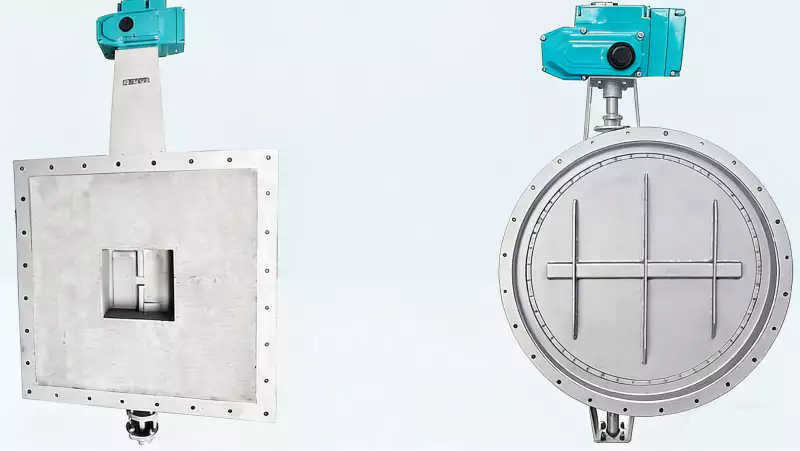
Changes to the network should trigger review. Adding a branch, changing a hood, modifying a damper, replacing a fan, or changing a filter can affect the balance. Update the as-built drawing and determine whether flow measurements or commissioning checks must be repeated. A small physical change can have a wider effect when several branches share a common header.
When a pressure or capture issue recurs, compare the current survey with the previous accepted baseline. Look for changes in branch flow, fan status, pressure distribution, filter condition, production mode, and instrument readings. This is more reliable than repeatedly adjusting dampers based on operator feel. If evidence does not isolate the cause, plan a targeted survey rather than making several uncontrolled changes. Before freezing the scope, review checking commissioning baselines with the team responsible for the operating envelope.
الأسئلة الشائعة
Should every branch have the same airflow?
Can damper position be used as a flow measurement?
Does high fan speed prove the RCO is restricted?
When should balancing be repeated?
What should be recorded during a balancing survey?
Prepare the branch map and production schedule, verify the fan operating point, and retain comparable before-and-after measurements for future troubleshooting.
 AR
 EN
 ZH
 ES
 ID
 PT
 FR
 JA
 RU
 DE
 MS
 CS
 BG
 NL
 KO
 RO
 SK
 TH
 VI
 ZH_TW
 UK