
説明
TO Thermal Oxidizer Direct-Fired Incineration
Destroy the most complex, highly concentrated, and toxic VOCs with absolute certainty. Engineered by Ever-power, our TO (Thermal Oxidizer) Direct-Fired Incineration system operates at extreme temperatures (680°C – 760°C) to achieve ≥ 99.9% destruction efficiency. Designed specifically for halogenated, sulfur-rich, or heavily particulate-laden exhaust streams that instantly poison catalytic systems, providing uncompromising environmental compliance and robust waste heat recovery.
⚙️ Executive Brief Card
🔥 Processing & Thermal Capacity
- 📉 Air Volume: Highly Scalable Design
- 🌡️ Reaction Temperature: 680 – 760 °C
- 🌫️ VOC Concentration: High to Extreme Levels
- ⛽ Auxiliary Fuels: Natural Gas, Diesel, LPG
🎯 Purification & Recovery
- ✅ Destruction Efficiency: > 99.9%
- ✅ Heat Recovery: Exchangers / Waste Heat Boilers
- ✅ Catalyst Poisoning Risk: Zero (Non-Catalytic)
- ✅ Residence Time: Engineered for complete burnout
🛡️ Structural Integrity
- ⚙️ Shell Material: Heavy-Duty Q345R Steel
- 🧱 Internal Design: Refractory Checker Walls
- 🌪️ Combustion Dynamics: Swirling Mixed Airflow
- 🚨 Burner Control: Two-Stage Ignition System
📊 Technical Parameters
The Ever-power TO Direct-Fired Incinerator is a heavy-industrial thermal destruction unit. It is engineered with premium metallurgy and advanced refractory linings to withstand relentless high-temperature continuous operation.
| System Component / Parameter | Engineering Specification | Operational Impact |
|---|---|---|
| Primary Reaction Temperature | 680 °C – 760 °C | Ensures complete thermal cleavage of complex hydrocarbon bonds without generating excessive thermal NOx. |
| Incinerator Shell Material | Q345R Pressure Vessel Steel | Provides extreme structural rigidity and safety against thermal expansion and internal pressure fluctuations. |
| Internal Flow Equalization | Flow-Straightening Rings & Checker Walls | Eliminates gas channeling, ensuring perfectly uniform residence time and 99.9% complete combustion. |
| Accessory Conduits | High-Temperature Stainless Steel | Safeguards critical telemetry (thermocouples, pressure taps) against melting or corrosive failure. |
| Observation Isolation | Sight Glass Ball Valves | Allows operators to safely inspect internal flame dynamics without risking high-temperature gas escape. |
🔬 TO Direct-Fired Incineration Technology Process
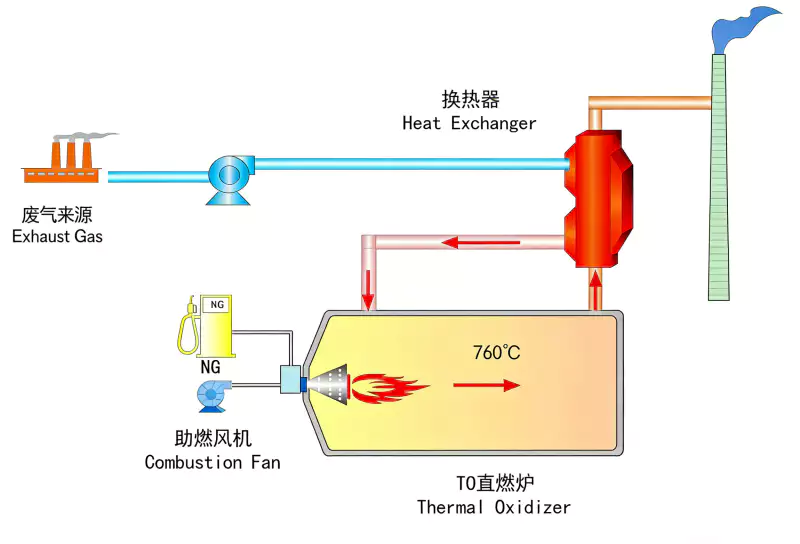
Direct-fired incineration technology (Thermal Oxidizer, abbreviated as TO) is the most robust and universal method for volatile organic compound (VOC) destruction. Unlike catalytic systems that are highly sensitive to masking or chemical poisoning, the TO process relies on pure, brute-force thermal thermodynamics.
The system utilizes the intense heat generated by the combustion of auxiliary fuels (such as natural gas, diesel, refinery gas, or liquefied gas) to rapidly raise the temperature of combustible organic waste gases to the critical reaction temperature threshold of 680°C – 760°C. At this extreme temperature, the organic molecular bonds instantly break apart, causing total oxidative decomposition. The hazardous waste gas is purified, transforming entirely into harmless carbon dioxide (CO2) and water vapor (H2O).
Because the thermal energy exiting the TO reactor is immense, the high-temperature gas is strategically routed through downstream recovery devices—such as shell-and-tube heat exchangers or waste heat boilers—to generate process steam or pre-heat incoming plant air, turning a waste treatment mandate into a lucrative energy recovery asset.
🏗️ Product Structure
The Ever-power TO Direct-Fired system is a heavy-duty, meticulously integrated equipment matrix comprising five primary macro-components:
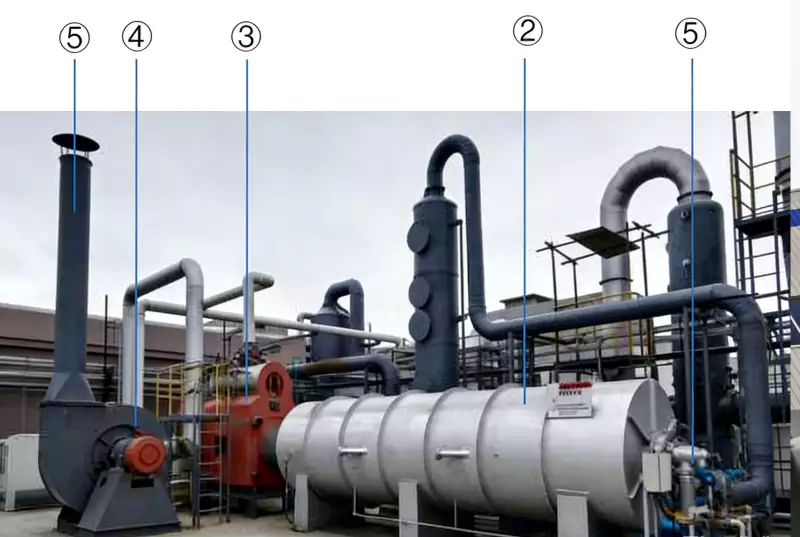
- 1. High-Efficiency Burner: The active thermal engine that injects auxiliary fuel and initiates the primary flame vortex.
- 2. TO Thermal Oxidizer Chamber: The massive, refractory-lined cylindrical pressure vessel where the requisite residence time and thermal oxidation occur.
- 3. Heat Exchanger / Waste Heat Boiler: The energy recovery module that captures exiting thermal energy to generate process steam or pre-heat incoming air.
- 4. Main Fan (ID Fan): The heavy-duty industrial draft fan that manages the aerodynamic flow and maintains negative pressure throughout the ducting network.
- 5. Exhaust Chimney: The final discharge point for the fully purified, compliant, and cooled exhaust gas.
🔄 Working Principle
The operational flow of the Ever-power TO system is designed for absolute reliability and maximum contaminant destruction.
Raw, toxic exhaust gas is drafted from the industrial source and propelled into the TO direct-fired incinerator. Upon entry, the high-efficiency burner aggressively heats the gas stream, raising the internal ambient temperature to the strict oxidation threshold (above 760°C). Within this intense thermal environment, the organic matter contained within the exhaust gas is violently oxidized and decomposed into elemental carbon dioxide and water, releasing its own latent heat in the process.
This purified, extremely high-temperature gas then exits the combustion chamber and immediately enters the backend heat exchanger or waste heat boiler. Here, the thermal energy is stripped from the gas and recovered for plant utility use. Finally, the cooled, 100% compliant gas is drawn by the main fan and safely discharged through the chimney into the atmosphere.
🛡️ TO Direct-Fired Incinerator Core Design
The design mandate of the waste incinerator is to ensure that the hazardous waste is completely burned within the furnace at the specified temperature and with sufficient residence time. To achieve this, Ever-power implements advanced internal aerodynamics.
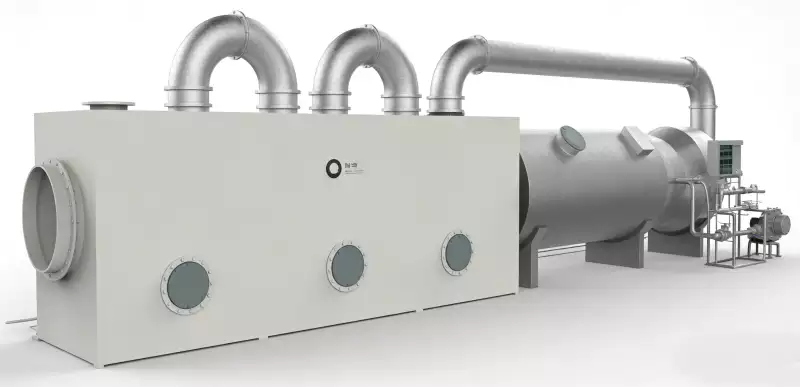
The cylindrical incinerator is fabricated from premium Q345R steel. To manage the high-temperature process gas flow, we deploy specialized internal structures. Flow-straightening rings are installed in the front section of the incinerator to rationally form a combustion dynamic field, forcing the thorough mixing of the gas flow and the burner flame.
Further down the chamber, massive Checker Walls act as the ultimate flow-equalizing measure.
- ✔️ Constructed with dry masonry square refractory bricks featuring central circular holes.
- ✔️ They ensure the gas flow enters the secondary furnace zone evenly, preventing “channeling” or fast-lane gas escape.
- ✔️ They serve a critical heat storage function, acting as a massive thermal flywheel that stabilizes furnace temperatures during sudden VOC load drops.
- ✔️ The bottom features an arched hole structure that functions as a secure maintenance manhole.
🔥 Burner Introduction
The burner is the beating heart of the incineration process. It comprises the main body, a flame stabilization device, an air distributor, an ignition gas gun, a main gas gun, an explosion-proof high-energy ignition device, and precision flame detection equipment.
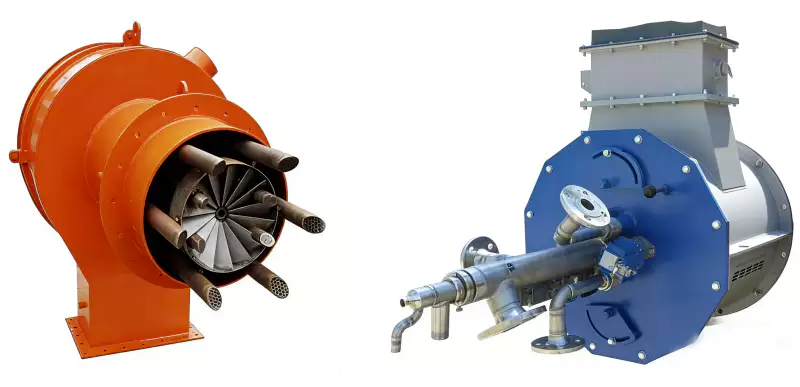
The most formidable feature of the Ever-power high-efficiency burner is its aerodynamic vortex generation. The swirling mixed airflow forms a low-pressure zone in the center of the combustion chamber. This low-pressure vacuum physically draws part of the unburned flue gas back into the root of the flame. This ingenious recirculation drastically prolongs the residence time of the fuel within the hottest part of the chamber, ensuring absolutely complete combustion.
This thorough, turbulent mixing of fuel and air accelerates the combustion reaction rate, thereby shortening the physical flame length and preventing flame impingement on the refractory walls. It ensures a highly stable flame root, entirely eliminating flame instability (flameouts) and incomplete combustion issues. The burner utilizes a highly reliable two-stage ignition method, where an initial ignition gun lights the pilot, which subsequently ignites the main gas gun.
🏭 Scope of Application
While RTO and Catalytic Oxidizers (CO) are highly efficient, there are severe industrial environments where they will catastrophically fail. The TO Direct-Fired system is the mandatory choice for:
1. Catalyst Poison Environments
If your exhaust contains Halogens (Fluorine, Chlorine, Bromine), heavy sulfur, phosphorus, arsenic, or heavy metals, a catalytic system will be permanently blinded (poisoned) within days. TO incinerators use pure thermal destruction, making them completely immune to chemical poisoning.
2. High Particulate & Tar Streams
RTO ceramic beds and catalyst honeycombs will physically plug and choke if exposed to sticky tars, resins, or heavy particulate dusts. The open-chamber architecture of a TO incinerator easily processes these heavy, dirty streams without clogging.
3. Extremely High VOC Concentrations
When VOC concentrations approach or exceed 25% of the Lower Explosive Limit (LEL), introducing them into an RTO ceramic bed poses a massive explosion risk. TO units are designed as heavy-duty pressure vessels specifically to safely combust these extremely rich, high-BTU gas streams.
4. Complex, Non-Recyclable Components
Ideal for complex chemical and pharmaceutical off-gases, coking byproducts, and hazardous waste vents where the chemical mixture is highly variable, holds no solvent recovery value, and must be absolutely destroyed to meet EPA standards.
🌍 Successful Case Display
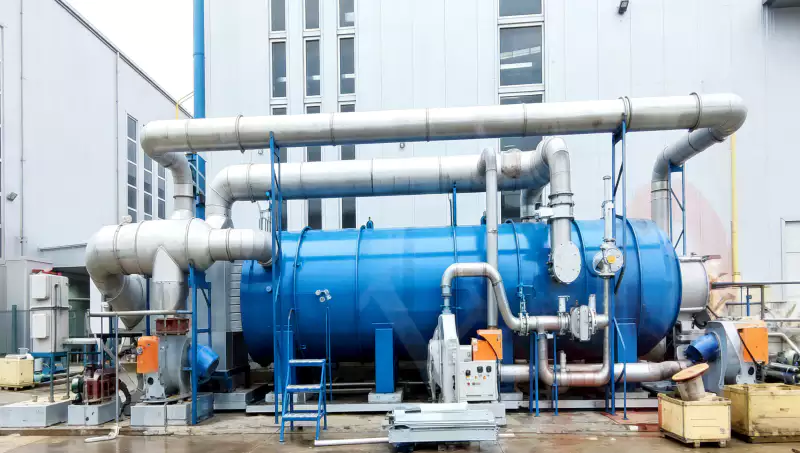
Sichuan Zichen
Industry: Carbon / Graphite
Air Volume: 6,000 m3/h
Pollutants: Heavy Tar, Benzene series, Naphthalene
Catalysts and RTO beds would instantly plug in this environment. The Ever-power TO incinerator effortlessly destroyed the heavy tars at 760°C, providing continuous uptime.
Hebei Weiyong
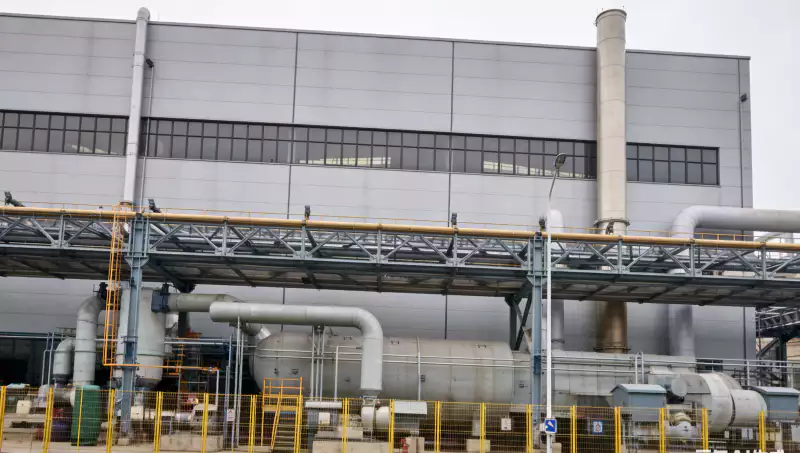
Industry: Chemical Processing
Air Volume: 15,000 m3/h
Pollutants: Alcohols, Halogens, High VOCs
The presence of Halogens strictly prohibited catalytic use. The TO system successfully cleaved the halogenated compounds, routing the exhaust to a downstream wet scrubber for acid neutralization.
Fujian Jiuce
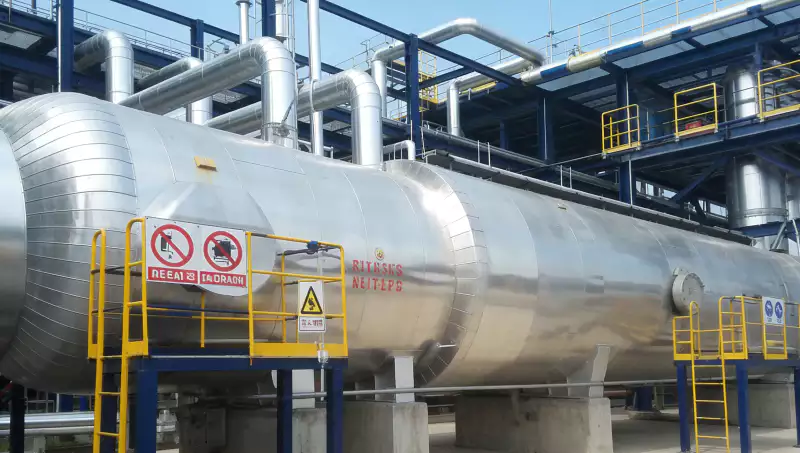
Industry: Specialty Chemicals
Air Volume: 10,000 m3/h
Pollutants: Fluorine- and Chlorine-containing organic compounds
Fluorine is highly destructive. Ever-power engineered a specialized refractory-lined TO chamber that safely incinerated the fluorinated compounds without destroying the reactor shell.
Hongtian Heavy Industry
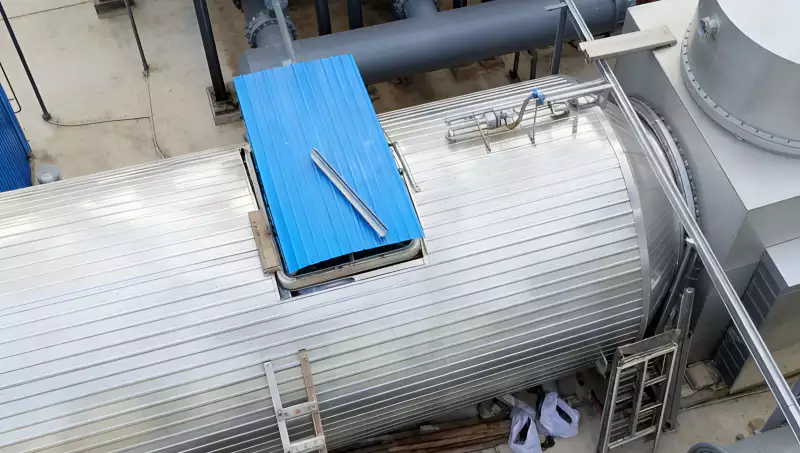
Industry: Heavy Industrial Coating
Air Volume: 60,000 m3/h
Pollutants: Extremely high concentration Benzene, VOCs
The extreme VOC concentration made RTO processing an explosion hazard. The TO system safely combusted the rich stream and utilized a waste heat boiler to generate free process steam for the factory.
🏆 Why Choose Us?
For over 20 years, Ever-power has been the premier engineering authority in heavy industrial air purification. Designing a Direct-Fired TO incinerator requires mastering extreme-temperature thermodynamics, refractory brick masonry, and combustion vortex fluid dynamics. It is a rigorous science we have perfected.
- ✔️ Full Value-Chain Integration: We are true EPC contractors. We deliver comprehensive Process Engineering ➔ Heavy Refractory Manufacturing ➔ Turnkey Site Installation ➔ Intelligent Commissioning.
- ✔️ Proven by Industry Giants: Our bespoke BL Series thermal systems successfully safeguard the continuous compliance of massive conglomerates globally, including heavy chemical refineries, carbon plants, and steelworks.
- ✔️ Uncompromised Quality Credentials: Fully ISO 9001/14001 certified, holding multiple structural pressure vessel patents, and fundamentally compliant with the strictest EPA/EU explosion-proof and emission regulations.
📐 Selection Guide: Architecting Your TO System
To engineer the precise Thermal Oxidizer for your hazardous exhaust, our technical team requires rigorous operational data to select the correct metallurgy and refractory lining. Prepare the following parameters:
1. Exact Chemical Composition (Crucial)
Provide a detailed breakdown of the VOC species. We must specifically identify the presence and concentration of Halogens (Chlorine, Fluorine, Bromine), Sulfur, and Silicon. Combusting halogens creates highly corrosive acid gases (HCl, HF) which dictates that we must engineer a downstream wet scrubber to neutralize the acids before chimney discharge.
2. Flue Gas Volumetrics & Total BTU Load
Provide the Maximum Gas Volume (Nm3/h) and the total Calorific Value (Heating Value) of the VOC stream. Extremely rich gas streams may provide enough energy to sustain the 760°C reaction natively, allowing the burner to act only as a pilot, saving massive fuel costs.
3. Plant Utility & Waste Heat Demand
Identify your available auxiliary fuel (Natural gas, Diesel, plant tail gas). Furthermore, let us know if your facility requires process steam, hot water, or thermal oil. We can integrate a Waste Heat Boiler (WHB) at the TO outlet to recover the 760°C heat, transforming a waste treatment unit into a utility generator.
💰 Value Quantified: Return on Investment (ROI)
Investing in an Ever-power TO system not only guarantees absolute environmental compliance in the harshest industrial settings but also unlocks massive secondary energy revenues.
The Cost of Inadequate Technology
- Catalyst Destruction: Installing a Catalytic Oxidizer (CO) on a halogenated or sulfur-rich exhaust stream will permanently poison the precious metals in days. You will lose hundreds of thousands of dollars replacing dead catalysts repeatedly.
- RTO Bed Blinding: Sending sticky tars or high-dust streams into an RTO will cement the ceramic heat exchange beds together, causing a total system blockage, severe pressure spikes, and a multi-week factory shutdown to chisel out the ruined ceramics.
The Ever-power Upgrade ROI
- Unstoppable Uptime: The open-chamber, refractory-lined TO incinerator simply burns whatever is sent into it. Tars, dust, and poisons are incinerated instantly, ensuring your production line never stops due to abatement equipment failure.
- Free Utility Generation: By routing the 760°C exiting exhaust through an integrated Waste Heat Boiler, the TO system generates free, high-pressure steam for your plant. For high-concentration VOC streams, this steam generation offsets the initial CapEx rapidly, turning waste into free utility fuel.
❓ Engineering & Operational FAQ
What is the difference between a TO and an RTO?
Both use pure thermal heat (760°C+) to destroy VOCs. However, an RTO (Regenerative Thermal Oxidizer) uses ceramic beds to recover 95% of the heat, making it great for clean, low-concentration, high-volume air. A TO (Thermal Oxidizer) uses a simple open chamber and metallic heat exchangers. It is less thermally efficient than an RTO, but it is absolutely mandatory if your gas is dirty, contains sticky tars, or has catalyst poisons that would destroy RTO ceramics or catalysts.
How does the TO handle Halogens like Fluorine or Chlorine?
When halogenated VOCs are burned, they create highly corrosive acid gases (HCl, HF). The TO incinerator destroys the VOCs successfully, but the exiting acid gas must be neutralized. We engineer the TO chamber with specialized acid-resistant refractory linings, and immediately route the exiting gas into a downstream Wet Scrubber (quencher and packed bed tower) where a caustic solution (NaOH) neutralizes the acids before chimney discharge.
What is the lifespan of the refractory lining?
Ever-power utilizes premium-grade, high-alumina castable refractory and dry-masonry checker bricks. Under stable continuous operation without severe, sudden thermal shock (rapid heating/cooling cycles), the refractory lining is designed to last 5 to 10 years before requiring significant patching or re-bricking.
How long does the system take to start up?
Unlike an RTO which has massive ceramic beds that take 12-24 hours to heat soak, a TO incinerator has very low thermal mass. The high-efficiency burner can bring the open combustion chamber up to the 760°C operating temperature very rapidly, typically within 30 to 60 minutes from a cold start, making it highly responsive for batch manufacturing processes.
Destroy Toxic VOCs & Recover Plant Energy Today
Stop risking catastrophic catalyst failure and RTO bed blockages on dirty, halogenated, or tar-heavy exhaust streams. Let Ever-power’s senior engineering team design a bespoke TO Direct-Fired Incinerator that guarantees 99.9% destruction, recovers massive thermal energy, and secures your plant’s absolute environmental compliance.
 JA
JA  EN
EN  ZH
ZH  ES
ES  AR
AR  ID
ID  PT
PT  FR
FR  RU
RU  DE
DE  MS
MS  CS
CS  BG
BG  NL
NL  KO
KO  RO
RO  SK
SK  TH
TH  VI
VI  ZH_TW
ZH_TW  UK
UK