
Compare the engineering basis before comparing the headline price
RCO proposals can look similar on the first page while relying on very different assumptions. One supplier may include inlet pretreatment, fan modifications, controls integration, and commissioning support; another may quote only the treatment package. Before comparing price or estimated energy, establish a common design basis and a clear boundary around what each proposal includes. Otherwise, a low headline figure may simply exclude work that the plant will still need to purchase.
Start with the process data package. Confirm that every bidder received the same flow range, compound inventory, concentration variability, temperature and moisture conditions, operating schedule, and required emissions outcome. Mark which values are measured, estimated, or still unknown. The site’s guide to RCO sizing data requirements.
Build a common comparison sheet
Check whether the proposal covers minimum, normal, peak, startup, shutdown, and other material operating cases. A single design point may not represent a plant with batch production or multiple exhaust branches. Ask each supplier to list the cases included in its calculations and identify any condition outside the offered envelope. If the bidder assumes constant VOC concentration or continuous operation, record that assumption explicitly instead of allowing it to disappear in a spreadsheet.
Review compound compatibility as a separate technical gate. Total VOC concentration does not identify every constituent that may matter to a catalyst. The proposal should state which known compounds and operating ranges were assessed, what information remains missing, and what further sampling is required. Do not interpret a general statement of suitability as proof that every future solvent, cleaning agent, or process change is covered.
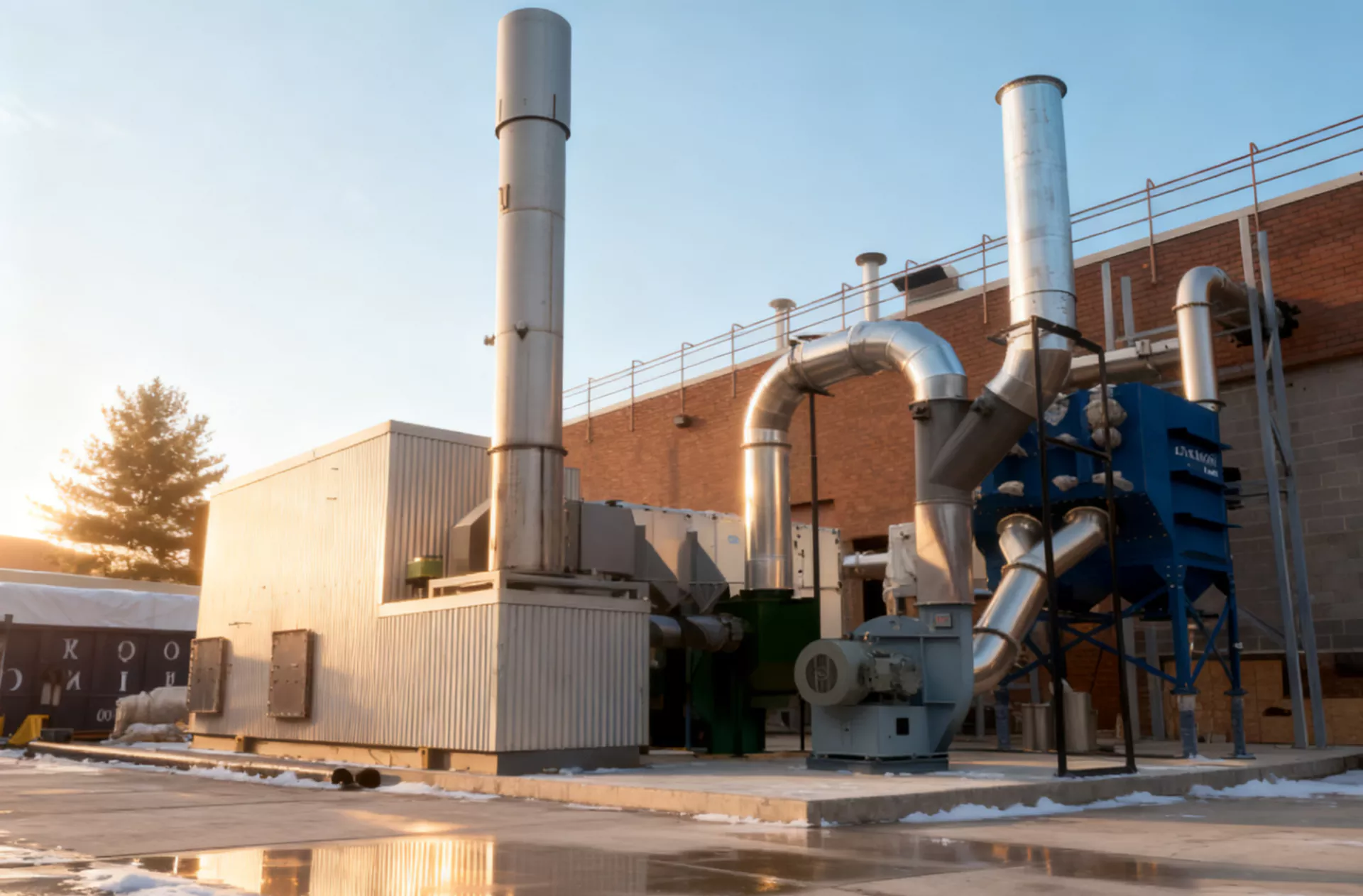
Guarantee language needs a clear measurement basis. Confirm the target parameter, sampling location, method, operating condition, reporting basis, and contractual conditions attached to the guarantee. If the plant expects performance to be demonstrated under more than one recipe or production mode, define how those modes will be represented. Avoid vague phrases such as high removal efficiency when the project requires a specific measurable acceptance criterion.
Energy estimates should be compared using the same system boundary and schedule. Ask whether the calculation includes supplemental fuel, fan electricity, pretreatment, concentrator auxiliaries if applicable, startup, idle periods, and maintenance-related operating modes. Require assumptions behind annual hours and feed composition. A model based on continuous steady operation cannot be compared fairly with one that includes frequent starts and stops unless the difference is reconciled.
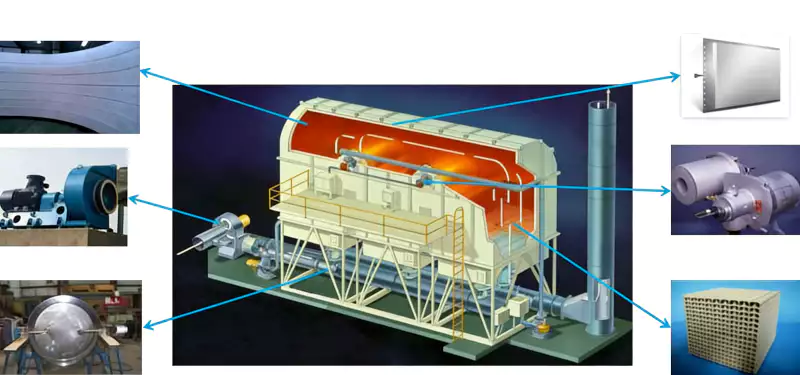
The equipment scope should be itemized. Review the RCO package, duct transitions, fans, dampers, pretreatment, stack, platforms, insulation, sampling ports, instruments, control cabinet, communication interfaces, utilities, and spare parts. For every item, mark included, excluded, by plant, or by third party. If a component is not required, record the reason; if required but excluded, assign a budget and owner before purchase approval.
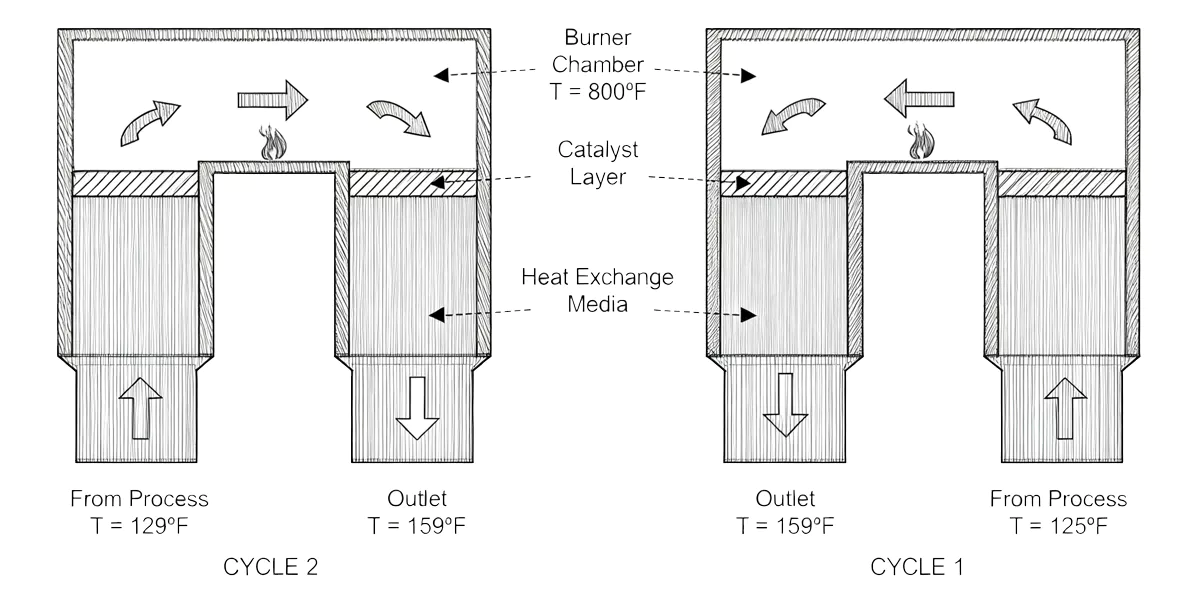
Controls integration often creates hidden scope gaps. Ask who writes and approves the cause-and-effect matrix, supplies signals, configures communication, tests interlocks, and updates as-built documentation. Clarify how the RCO responds when an upstream fan or process line is unavailable. The exact design depends on the plant’s approved hazard review, so the commercial proposal should not substitute generic control claims for the actual project interface.
Read guarantee wording as carefully as equipment scope
Installation responsibilities deserve the same attention as equipment supply. Confirm foundations, lifting, access, electrical power, instrument air if needed, duct supports, insulation, stack work, permits, and site supervision. If the plant will perform some work, define the drawings, tolerances, and inspection hold points it must meet. Clear boundaries reduce late changes and prevent the supplier and site contractor from assuming the other party owns a critical connection.
Acceptance testing should be priced and described before the contract is signed. Identify who provides the test method, sampling team, instruments, laboratory, production schedule, and safe access. State how deviations are handled if the process cannot reach the agreed condition. A test that cannot be performed because the required source mode or sampling access was never planned can delay acceptance even if the equipment is mechanically complete. Review the detailed For a related technical check, see emissions acceptance test planning.
| Proposal section | Questions to ask | Evidence to retain |
|---|---|---|
| Design basis | Which flow, chemistry, temperature, and operating cases are covered? | Approved process data and calculation assumptions |
| Guarantee | What parameter, method, location, and conditions define acceptance? | Written guarantee and agreed test protocol |
| Scope boundary | Which equipment, utilities, site work, and interfaces are included? | Responsibility matrix and exclusions register |
| Controls and safety | Who owns logic, signals, tests, and approved response? | Cause-and-effect matrix and interface drawings |
| Lifecycle support | What spares, training, maintenance, and warranty records are required? | Service plan, spare list, warranty terms |
Warranty terms should be read alongside operating limits and maintenance obligations. Ask what documentation is required to preserve the warranty, which consumables or wear items are excluded, how suspected defects are reported, and what response process applies. Do not assume a warranty automatically covers every process change or contaminant. The supplier should state the conditions that must remain true for the warranty to apply.
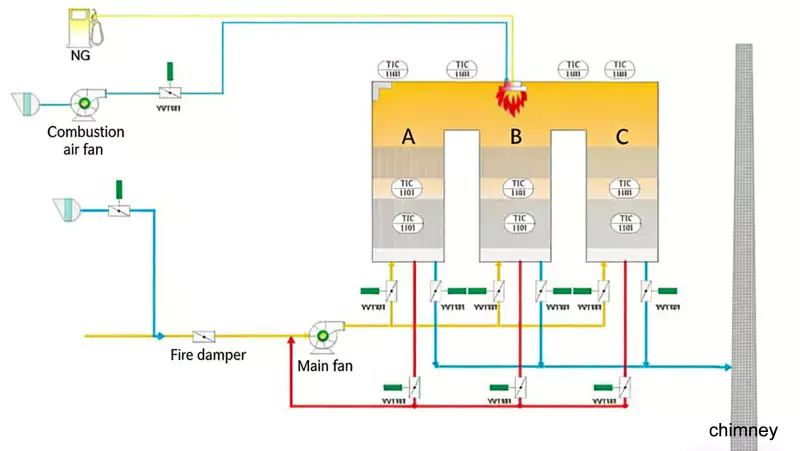
Spare parts and service should be evaluated in practical terms. Identify recommended commissioning spares, long-lead items, inspection tools, specialist service requirements, and records needed to order correct replacements. Ask which part numbers are tied to the installed configuration and how substitutions are approved. A spare list is more useful when it includes function, criticality, lead-time evidence where available, and storage requirements supplied by the manufacturer.
Look carefully at the exclusions section. Common gaps can involve upstream capture improvements, existing fan capacity, hazardous-area interfaces, civil work, electrical distribution, environmental testing, operator training, or disposal of removed material. These items are not necessarily unreasonable exclusions, but they should be visible. Build a total installed scope matrix so the project team can compare like with like rather than comparing one complete proposal with one partial proposal.
A practical review sequence
Commercial milestones should connect to verifiable deliverables. Examples include approval of process data, drawing release, factory inspection if specified, delivery, mechanical completion, commissioning, and performance acceptance. For each milestone, state the evidence required and who signs off. Avoid treating delivery alone as proof that the equipment has met its operating or environmental obligations.
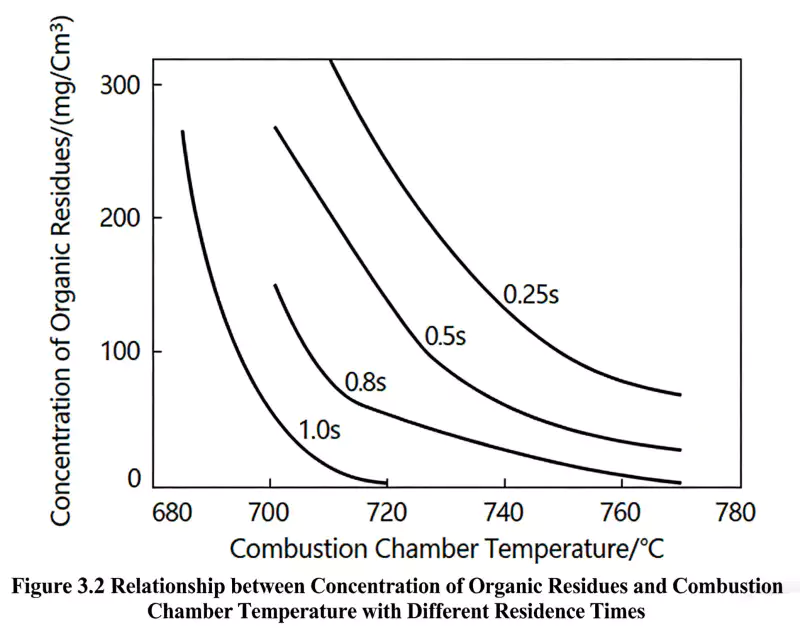
Technical deviations should be recorded in a single register. If a bidder proposes an alternative catalyst, different pretreatment, a modified flow arrangement, or a different measurement basis, document the deviation and its consequences. Do not let important differences remain buried in email correspondence. The register should identify who approved the deviation and which drawings, calculations, guarantees, or tests are affected.
The proposal review team should include operations, maintenance, engineering, environmental personnel, procurement, and safety representatives as appropriate. Each group sees a different part of the risk. Operations can identify production modes; maintenance can judge access; environmental staff can check the acceptance basis; procurement can compare scope; and safety personnel can review protective interfaces. A technically complete proposal should make these discussions easier, not force each group to reconstruct assumptions independently.
Before final award, ask every bidder to confirm the final design basis and open items in writing. This should include the compounds assessed, operating cases, flow and temperature ranges, exclusions, utility assumptions, interface responsibilities, acceptance test, documentation, training, and maintenance deliverables. Any unresolved issue should have an owner and a closure date or contractual condition. This is more reliable than a verbal statement that everything is standard.
A fair comparison does not mean choosing the longest document or the most confident promise. It means comparing the same technical duty, identifying unsupported assumptions, understanding what the guarantee covers, and assigning the full installation scope. If a critical compound or operating case is unknown, the next action may be sampling or clarification rather than forcing a premature commercial decision. The site’s catalyst compatibility review is also relevant to this review.
Keep the final comparison sheet with the contract and approved drawings. During commissioning, use it to check that the supplied configuration matches the accepted proposal and that the planned test covers the promised performance. During later maintenance or process changes, it provides a record of the original boundaries and helps the team identify when a new review is needed.
The best RCO proposal is the one whose technical assumptions, exclusions, responsibilities, and acceptance evidence are clear enough to be checked. Price matters, but price becomes meaningful only after the plant understands what it is buying and which obligations remain on its side of the fence.
よくある質問
Should the lowest RCO price usually win?
Can a general VOC removal statement be a complete guarantee?
Why compare energy estimates carefully?
Who should own control-system integration?
What if the process data are incomplete?
Use the same process basis, scope matrix, guarantee wording, and acceptance plan for every proposal. Close or assign every unresolved assumption before final approval.
 JA
 EN
 ZH
 ES
 AR
 ID
 PT
 FR
 RU
 DE
 MS
 CS
 BG
 NL
 KO
 RO
 SK
 TH
 VI
 ZH_TW
 UK