
Build an RCO sizing basis from measured process conditions
Preliminary sizing is only as reliable as the process envelope supplied to the engineer. Flow, compound identity, temperature, moisture, operating schedule, pressure constraints, and required emissions performance should be recorded together; a single average VOC value cannot define the complete duty.
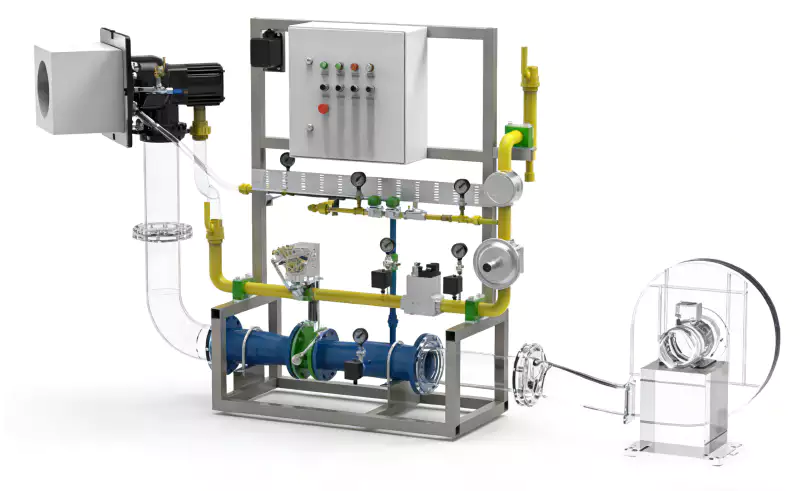
Preliminary RCO sizing is not a calculation based on one airflow number and one total VOC reading. The engineer needs a description of how the exhaust behaves throughout production, including the range of flow, temperature, chemical composition, moisture, and operating hours. A compact, well-labelled process data sheet is more valuable than a large spreadsheet whose numbers are detached from their source or production condition. The RCO process sequence overview can help teams identify which inlet and operating variables belong in that data sheet.
Begin with the physical sources that will connect to the treatment unit. Identify each dryer, oven, mixing station, cleaning process, transfer point, or enclosure included in the project boundary. Record which sources run simultaneously and which are mutually exclusive. This distinction prevents the preliminary design from adding every theoretical maximum together when the process never operates that way, or overlooking a real simultaneous peak.
For the initial data request, use a clear process-data checklist for an RCO quotation and mark each value as measured, calculated, estimated, or still unknown. The label matters: an estimated flow should not be presented as a calibrated field measurement. Include the measurement date, instrument, location, operating state, and any limitations that could affect how the result is interpreted.
Flow should be expressed on a consistent basis. State whether readings are actual or normalized, wet or dry where relevant, and identify the temperature and pressure assumptions used in conversion. Mixing figures collected under different conditions can create a false peak or an artificially small design point. If several branches feed a common header, document both branch values and the total header condition where reliable measurement is available.
Flow envelope
Record minimum, normal, and credible peak gas flow, with the production state attached to each measurement.
Feed composition
Distinguish total VOC from identified compounds, trace constituents, moisture, and physical contaminants.
Operating cases
Document startup, steady production, cleaning, idle periods, and the transitions that affect the exhaust.
A single average can hide a short high-flow period that controls duct or fan requirements. Capture minimum, normal, and credible peak cases, then explain what causes each case. The peak might occur during a cleaning step, an extra production line starting, or a damper configuration change. Do not invent an extreme value simply to add a safety margin; define the credible event and ask engineering to apply the appropriate design allowance.
VOC concentration needs context beyond a total number. Record known compounds, approximate concentration ranges, analytical method, and whether the sample represents ordinary production, a transition, or a special operating mode. Two exhaust streams with similar total readings may have different heat contributions or catalyst compatibility. Unknown peaks should be identified as unresolved rather than silently assigned to a familiar solvent family.
Temperature affects the gas-handling basis and the thermal balance. Record inlet temperature across different production modes, and note where the measurement occurs relative to duct length, dilution air, and cooling equipment. A sensor close to the process may not represent conditions at the RCO inlet. If temperature changes substantially during startup or cleaning, describe the transition rather than reporting only the stabilized value.
Moisture and condensable compounds deserve a separate field in the data sheet. A vapor may condense after the gas cools in a long duct, even when it is gaseous at the source. Deposits or liquids can affect upstream equipment and downstream flow passages. Include observations of mist, dust, sticky residues, or corrosion, and ask whether additional sampling is needed before pretreatment is specified.
For catalyst-based equipment, sizing also depends on the composition and condition of the feed, not simply the physical volume of gas. Use a documented catalyst compatibility review to identify compounds that need special attention. The supplier should state which components and operating cases were assessed, what assumptions remain, and whether additional testing is needed. A generic material description does not prove compatibility with every stream.
Do not combine incompatible maxima without stating whether they can occur together. Define credible concurrent cases and let the responsible engineer set the design allowance.
Production schedules can change the preliminary energy and equipment assumptions. Continuous operation, short campaigns, frequent shutdowns, and overnight standby do not create the same duty profile. State the expected operating hours by mode and how often transitions occur. This allows the engineering team to distinguish equipment capacity from annual utility estimates, which answer different questions and should not be collapsed into one number.
When a project has several exhaust branches, document the duct arrangement and the proposed treatment boundary. A shared header may simplify the installation but can also mix different temperatures, flow patterns, or contaminants. The design review should ask whether all streams can share a common operating envelope and whether any source needs separate isolation, monitoring, or additional pretreatment.
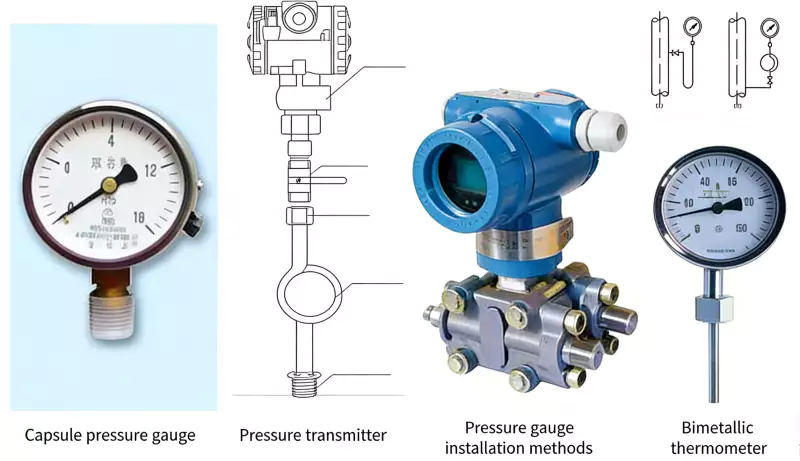
Fan and duct information belongs in the sizing package. Record existing fan model data if available, operating speed, current flow, pressure readings, damper positions, and known restrictions. A new RCO may change the resistance of the overall system. Do not assume an existing fan can handle a new arrangement until the operating point and collection requirements have been checked by a qualified engineer.
The required emissions objective should be written beside the feed data. Specify the applicable permit or project target, sampling basis, and operating modes that must be represented. A system sized for a nominal feed but tested against a different condition can create disputes even if both parties used technically reasonable assumptions. Acceptance requirements should be discussed before procurement, not after the vessel has been installed.
Turn raw measurements into a usable design envelope
Preliminary sizing should distinguish hard constraints from preferences. Hard constraints may include site space, utility availability, maximum duct pressure, maintenance access, or an approved operating envelope. Preferences may include a preferred module arrangement or future expansion allowance. Separating these items helps the design team identify which choices require a site survey and which can be compared during the proposal stage.
When you receive a proposal, check that the quoted basis matches the data sheet. Confirm flow units, temperature range, compound assumptions, operating schedule, pressure-drop basis, pretreatment boundary, and exclusions. If the proposal assumes a stable feed but the plant has large production transitions, request a separate scenario. The goal is not to force every bidder into the same design, but to make differences explainable.
Mark every input as measured, calculated, estimated, or unresolved. A clean-looking spreadsheet is not evidence that the values are representative.
Use a short uncertainty register to identify missing or weak inputs. For each item, record the current assumption, why it matters, how it can be verified, and who owns the follow-up. Examples include an unmeasured peak flow, unidentified solvent, uncertain moisture content, or a fan curve that cannot be found. A transparent gap list prevents preliminary numbers from being mistaken for a released engineering design.
The final sizing review should involve process engineering, operations, maintenance, environmental staff, and the equipment supplier. Operations can explain real production modes; maintenance can identify access constraints; environmental staff can clarify the test basis; engineering can reconcile flow and pressure; and the supplier can identify equipment-specific limits. This review catches mismatches before they turn into late modifications or an acceptance problem.
| Input group | Minimum useful record | Sizing question |
|---|---|---|
| Gas flow | Minimum, normal, peak; units and reference conditions | What operating envelope must the equipment handle? |
| VOC profile | Known compounds, range, method, sample condition | Is catalyst compatibility adequately established? |
| Thermal state | Inlet temperature by mode; moisture observations | What changes across startup and stable production? |
| Collection network | Branches, fan data, pressure, dampers | Can the installed system deliver the required flow? |
| Project target | Permit or contract objective and test basis | How will the proposed design be accepted? |
Practical review workflow
Map sources and identify which branches operate simultaneously.
Normalize flow readings and preserve their measurement conditions.
Compile VOC, moisture, temperature, and physical-contaminant evidence.
Document operating schedules, pressure constraints, utilities, and space.
Compare each proposal against the same data sheet and scope boundary.
Carry unresolved assumptions into a named verification register.
After installation, preserve the assumptions used for the preliminary design alongside the commissioning readings. Compare actual flow, temperatures, feed profile, pressure, and operating modes with the original basis. Differences do not automatically mean the equipment was sized incorrectly; they may reveal a process change or an inaccurate initial assumption. A traceable comparison helps decide whether further investigation or a formal change review is warranted. For projects where the exhaust is dilute, compare the assumptions with the low-concentration RCO feasibility notes before finalizing the energy basis.
Preliminary sizing is a decision-support step, not a substitute for detailed engineering. It helps determine whether the project has enough evidence to request comparable proposals and whether any obvious constraints need resolution first. If key chemistry or operating conditions remain unknown, a targeted survey is often a better next investment than pretending the design basis is complete.
An RCO sizing package is strongest when every major number can be traced to a measurement, calculation, or explicit assumption. Keep the flow envelope, compound profile, temperature, moisture, schedule, pressure, emissions target, and open questions together. This makes the quotation more meaningful, gives the design team a clear starting point, and creates a baseline that can later be checked against real operation.
よくある質問
Can one average flow value be used for RCO sizing?
It is rarely enough by itself. Record minimum, normal, and credible peak conditions, then explain which sources operate together.
Does total VOC concentration define the full design basis?
No. Compound identity, physical contaminants, temperature, moisture, and production variability can change suitability and operating requirements.
Should existing fans automatically be reused?
No. Verify fan capability and the installed-system operating point against the new resistance and capture requirements.
When should additional sampling be arranged?
When unknown compounds, short peaks, moisture, or other unresolved inputs could materially change catalyst selection or equipment design.
Is a preliminary sizing estimate a performance guarantee?
No. It is based on stated inputs and assumptions. Acceptance criteria and the final design basis should be agreed separately.
Make preliminary sizing traceable to plant evidence
Submit the measured flow envelope, compound profile, temperature range, schedule, pressure data, and unresolved questions together. Request that every proposal state its assumptions and exclusions.
 JA
 EN
 ZH
 ES
 AR
 ID
 PT
 FR
 RU
 DE
 MS
 CS
 BG
 NL
 KO
 RO
 SK
 TH
 VI
 ZH_TW
 UK