
熱酸化装置(TO)
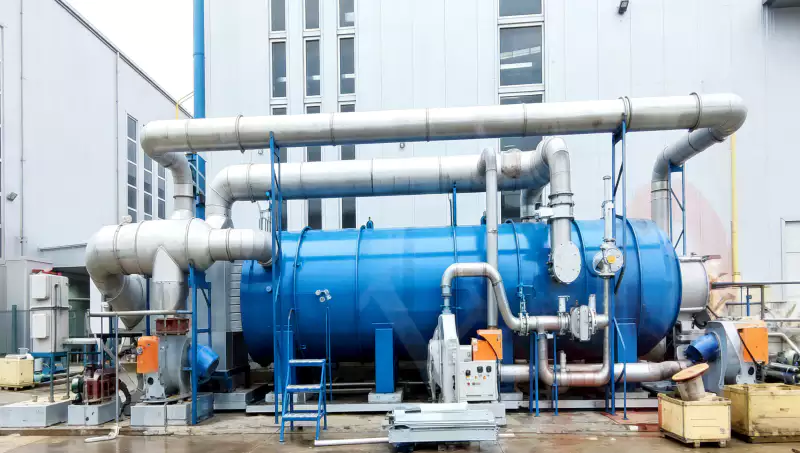
TO Thermal Oxidizer
Experience ultimate purification with our Direct-Fired Incineration system. Designed to safely oxidize high-concentration organic waste gases above 760°C, ensuring strict emission compliance and maximum thermal energy recovery.
Explore TO SpecificationsWhat Is a Thermal Oxidizer (TO)?
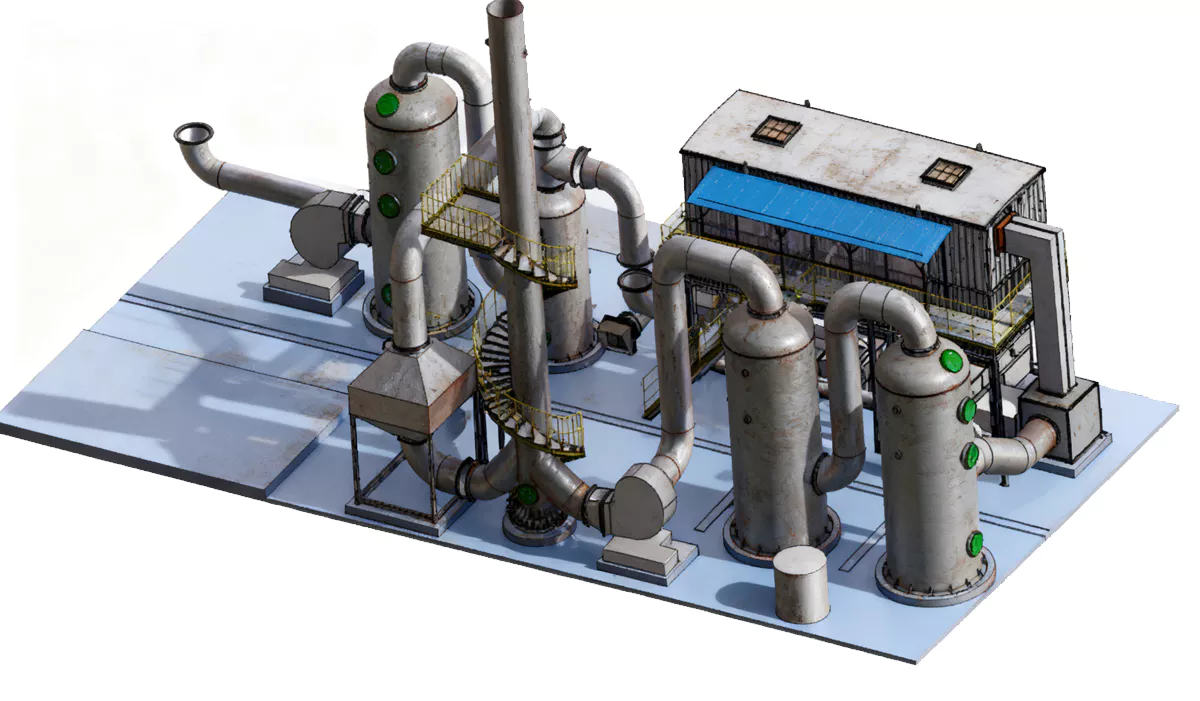
By Lars Jorgensen – Senior RTO Specialist at Ever-Power (Yes, I once witnessed burner flames dancing to ABBA music in a Swedish paint factory.)
The thermal oxidizer—industry insiders jokingly call it a “documented flamebox”—is more than just an absurdly hot metal box; it’s the final test before industrial waste gases are released into the atmosphere. We feed it gas streams containing volatile organic compounds (VOCs), harmful air pollutants (HAPs), and the occasional residue from failed solvent experiments, then raise the temperature to somewhere between a “pizza oven” and the “surface of Venus” (approximately 1400–1800°F or 760–980°C), where oxygen and turbulent air work together to break down these “troublemakers” into carbon dioxide, water vapor, and a faint sense of environmental redemption.
The classic TO furnace maintains a simple beauty: no fancy ceramic hearths, no complicated valve operations, only powerful combustion as reliable as a diesel tractor and efficient combustion as efficient as a roaring campfire. It shines in chemical plants (where exhaust fumes could strip the paint off a robot), pharmaceutical labs (where purity is more important than your morning espresso), and printing plants filled with the mingled smells of regret and acetone. While it may not recover heat like an RTO furnace, its combustion efficiency still exceeds 99%, and it requires no maintenance.
So, if your chimney emissions are attracting attention (or the EPA’s attention), a TO furnace might be the practical and efficient flame protector you never realized you needed in your permit application.
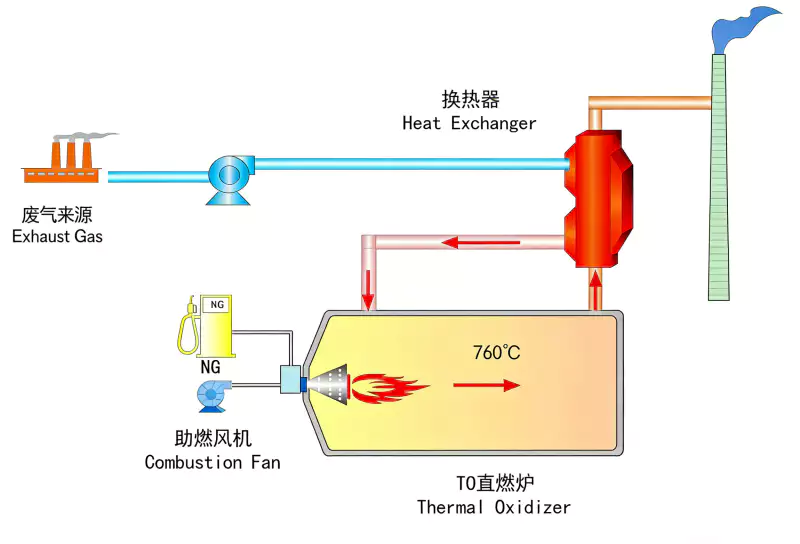
TO Direct-Fired Incineration
Direct-fired incineration technology (Thermal Oxidizer, abbreviated as TO) is a highly effective waste gas treatment method relying on direct thermal combustion to neutralize pollutants.
- Combustion Mechanism: Utilizes the heat generated by the combustion of auxiliary fuels (such as natural gas, diesel, or liquefied gas) to heat combustible organic waste gases.
- Thermal Purification: Raises the temperature of the waste gas to a reaction threshold of 680-760°C, causing complete oxidative decomposition and effectively purifying the gas.
- エネルギー回収: The resulting high-temperature decomposed gas can be directly discharged or routed through devices like heat exchangers and boilers for valuable heat recovery.
How a Thermal Oxidizer Actually Works?
(No Magic Involved—Just Very Hot Physics)
Thermal Oxidizer doesn’t “filter” your dirty air like some overpriced kitchen sponge—it doesn’t politely ask pollutants to leave. Oh no. It invites them into a chamber so hot that even carbon atoms start sweating, then says, “Alright, VOCs—you’ve got two seconds to turn into CO₂ and H₂O before I call thermodynamics on you.”
Exhaust Gas Introduction and Preheating
Before directly introducing VOCs (volatile organic compounds)-containing exhaust gas from your plant into the combustion chamber of the thermal oxidizer, it will first pass through an air preheater, if conditions permit. This clever design is not simply energy recovery, but rather a clever use of the residual heat in the clean exhaust gas to preheat the incoming polluted gas stream, like giving it a warm-up boost. This reduces fuel consumption in subsequent heating processes, a kind of permissible strategic energy “theft”.
High-temperature combustion conversion
After preheating, the exhaust gas (or without preheating if you choose the budget-friendly YOLO version) then encounters a burner with temperatures reaching 1400°F or higher. Here, the three key elements of “turbulence, temperature, and time” work together like the Avengers of the environmental world to ensure that all VOCs are completely oxidized and decomposed into harmless carbon dioxide and water vapor. This is known as “thermodynamic justice.” In this process, some residual heat may be captured and reused, or simply released through the chimney.
Clean emissions and additional protection
In the final step, the treated gas returns to the atmosphere as a clean product, free from previous pollution problems. For exhaust gases containing special components such as chlorine or fluorine, engineers have solutions, such as using special alloy linings for protection, essentially giving the equipment a chemical protective suit to ensure it can withstand even harsher working environments.
TO Exhaust Gas Treatment Process
A highly efficient, step-by-step thermal oxidation sequence designed to completely destroy organic pollutants, ensuring clean air emissions and optimal energy recovery.
Gas Intake & Heating
After entering the TO direct-fired incinerator, the integrated burner ignites and rapidly raises the internal temperature of the chamber to prepare for treatment.
Thermal Oxidation
The exhaust gas is forcefully heated to a critical oxidation temperature of above 760°C, creating the optimal clean environment for complete chemical breakdown.
Organic Decomposition
The organic matter in the exhaust gas is thoroughly oxidized and decomposed into harmless carbon dioxide (CO₂) そして water (H₂O), releasing thermal energy.
エネルギー回収
The purified, high-temperature gas exits the chamber and routes through a rear heat exchanger or waste heat boiler to effectively capture and recycle the heat.
Clean Emission
Finally, the cooled and fully purified gas is discharged safely through the chimney via the exhaust fan, strictly meeting all environmental emission standards.
Thermal Oxidizer Working Mechanism
- VOC Source: Industrial exhaust containing solvents or organic vapors enters the system.
- Fan: Pushes or pulls the air through the oxidizer.
- Heat Recovery (Pre-heating): The dirty air passes through ceramic media or a heat exchanger. It absorbs heat from previous cycles, raising its temperature to save fuel.
- 燃焼室: The core zone. A burner maintains high temperature (>760°C). The VOCs react with oxygen and break down into harmless CO₂ and H₂O.
- Clean Air Exhaust: The purified, hot air releases its heat back to the recovery bed before exiting through the stack.
Chemical Principle of Thermal Oxidation
1. General Chemical Equation
2. Example: Oxidation of Toluene (Solvent)
3. Example: Oxidation of Ethanol (Alcohol)
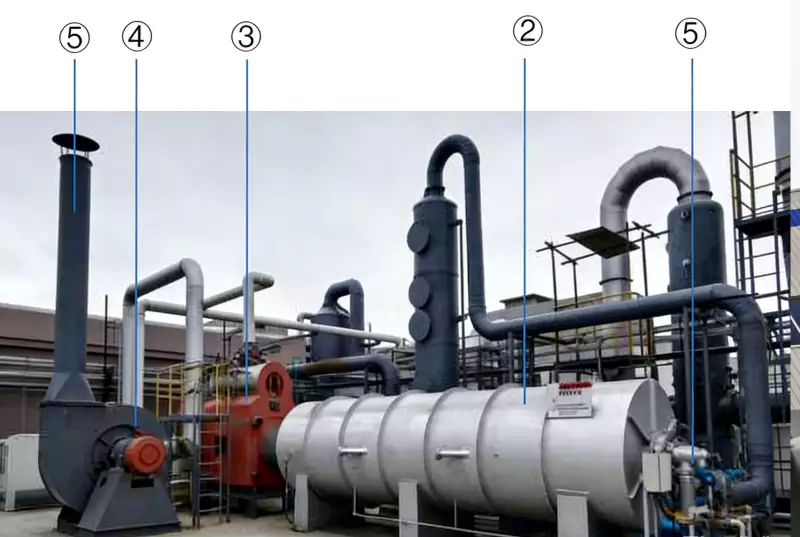
Product Structure
バーナー
TO Thermal Oxidizer
Heat Exchanger / Waste Heat Boiler
Draft Fan
Exhaust Chimney
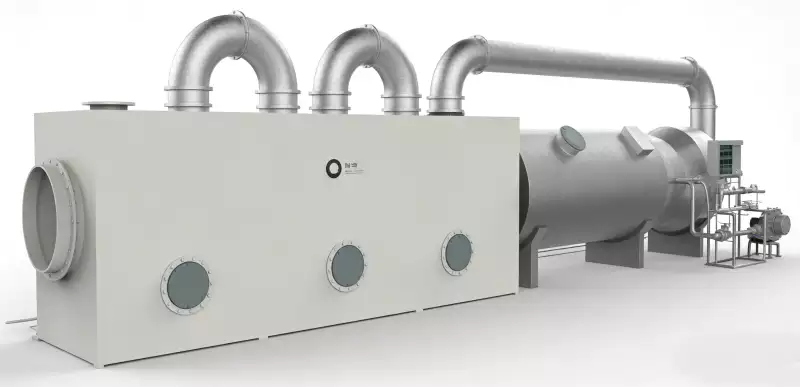
TO Direct-Fired Incinerator
The key equipment in organic waste gas treatment. It ensures that waste is completely oxidized in the furnace at the specified high temperature with sufficient residence time.
堅牢な構造
Built with Q345R material and high-temperature resistant stainless steel accessories. Equipped with safely isolated observation ports to prevent flue gas leaks.
Dynamic Flow-Straightening
Special rings in the front section rationally form a combustion dynamic field, ensuring thorough mixing and combustion of the gas flow with minimal pressure loss.
Advanced Checker Walls
Engineered square bricks ensure uniform gas entry. They act as a heat storage medium to efficiently utilize furnace temperature, leading to more complete reactions.
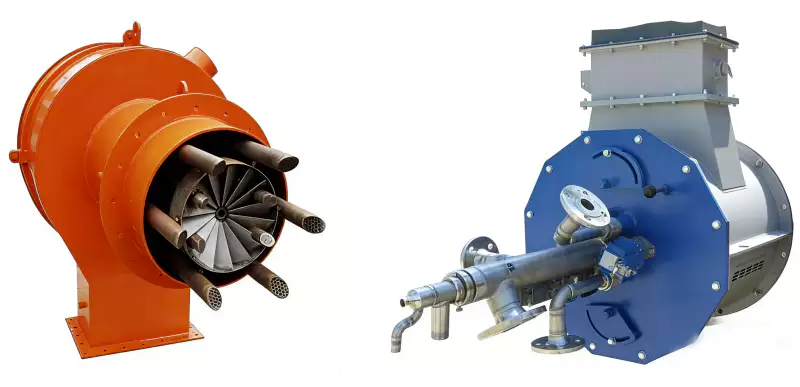
High-Efficiency Burner System
Featuring a compact structure, low noise, and a high turndown ratio. Our advanced burner ensures intense fuel-air mixing and flame stability for complete organic waste destruction.
Swirling Vortex Combustion
Forms a central low-pressure zone that draws flue gas back into the chamber. This circulating vortex pattern prolongs residence time and maximizes fuel-air mixing.
Flame Stabilization
The central air supply creates a dedicated recirculation zone via a shield to stabilize the flame root. This accelerates reaction rates and prevents incomplete combustion.
Two-Stage Ignition
Utilizes a highly reliable two-stage ignition sequence equipped with an explosion-proof high-energy igniter and flame detection equipment for safe, easy control.
Comparison: TO vs. RTO vs. CO vs. RCO
Swipe left on the table to view more columns on mobile.
| 特徴 | TO (Thermal Oxidizer) | RTO (Regenerative TO) | CO (Catalytic Oxidizer) | RCO (Regenerative CO) |
|---|---|---|---|---|
| Full Name | 直火式熱酸化装置 | 再生熱酸化装置 | 触媒酸化装置 | 再生触媒酸化装置 |
| Operating Temp | 高い (760°C - 850°C) | 高い (800°C - 900°C) | Low (250°C - 400°C) | Low (300°C - 450°C) |
| 熱回収 | Low / None (0% - 70%) | Very High (Up to 95-97%) | 中くらい (50% - 70%) | Very High (Up to 95-97%) |
| VOC濃度 | 高い | Low to Medium | Low to Medium | Low to Medium |
| Capital Cost (CapEx) | 最低 | Medium / High | 中くらい | 最高 |
| Operating Cost (OpEx) | 最高 (High fuel consumption) | Low (Autothermal possible) | 中くらい | 最低 |
| Sensitivity | Robust (Handles most compounds) | Robust (Beware of particulate blockages) | 高い (Sensitive to catalyst poisons*) | 高い (Sensitive to catalyst poisons*) |
* Catalyst Poisons include: Silicones, Sulfur, Heavy Metals, Chlorine, Phosphorus.
Selection Guide: Which one should you buy?
If the waste gas is very rich (approaching LEL limits) and the airflow volume is small.
✅ Recommendation: TO (Thermal Oxidizer)
Why? It handles high heat release safely. You can install a waste heat boiler to generate steam for the factory.
Large volume of air with low to medium concentration of VOCs (e.g., painting, printing, coating).
✅ Recommendation: RTO (Regenerative Thermal Oxidizer)
Why? The 95% heat recovery makes it economically viable. It can run "autothermally" (using no fuel) at concentrations > 3% LEL.
The exhaust gas contains no catalyst poisons (no silicone, no sulfur) and you want the lowest possible fuel usage.
✅ Recommendation: RCO (Regenerative Catalytic Oxidizer)
Why? It combines the heat recovery of RTO with the lower activation temperature of a catalyst, saving maximum energy.
Your process involves silicones, siloxanes, sulfur, or heavy metals.
❌ Avoid: CO and RCO (Catalysts will be deactivated quickly).
✅ Recommendation: RTO or TO (Thermal oxidation relies on heat, not chemical catalysts).
Partial Performance Showcase
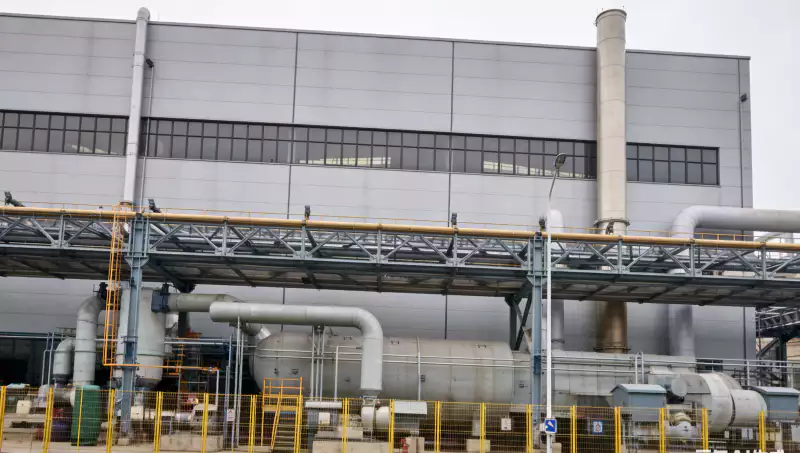
Sichuan Zichen
- Design Air Volume: 6000 m³/h
- Exhaust Gas Components: Tar, benzene series, naphthalene, etc.
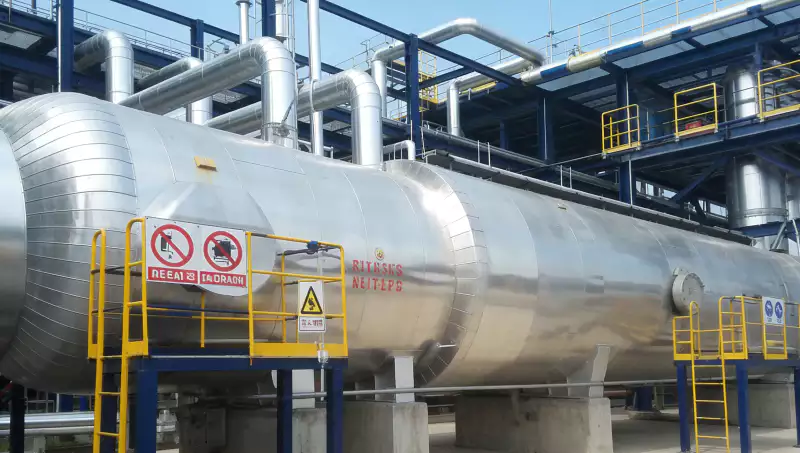
Sichuan Zichen
- Design Air Volume: 6000 m³/h
- Exhaust Gas Components: Tar, benzene series, naphthalene, etc.
Hebei Weiyong
- Designed Air Volume: 15000 m³/h
- Exhaust Gas Components: Alcohols, Halogens, VOCs
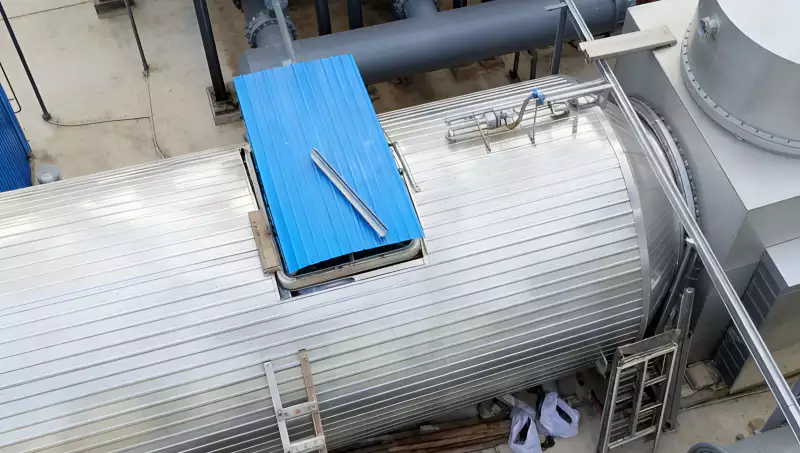
Fujian Jiuce
- Designed Air Volume: 10000 m³/h
- Exhaust Gas Components: Fluorine- & chlorine-containing organic compounds
 JA
JA  EN
EN  ZH
ZH  ES
ES  AR
AR  ID
ID  PT
PT  FR
FR  RU
RU  DE
DE  MS
MS  CS
CS  BG
BG  NL
NL  KO
KO  RO
RO  SK
SK  TH
TH  VI
VI  ZH_TW
ZH_TW  UK
UK