
A shutdown is a controlled operating phase, not simply the moment the line stops
Stopping production does not necessarily mean the exhaust system is immediately safe to stop. Residual solvent may remain in equipment or ductwork, fans may still be needed for capture, and the RCO may require a defined sequence before cooling or isolation. The correct order depends on the process, installed equipment, and approved hazard review. The shutdown procedure should describe the intended states of both the production line and the treatment system.
Begin by listing the process sources connected to the RCO and the order in which they normally stop. Include batch vessels, dryers, ovens, cleaning operations, and any source that can continue releasing vapor after the main production line pauses. A clear sequence helps operations avoid assuming that one stop command removes every source. For background on how the treatment stages interact, review RCO safety and interlock considerations.
Plan the shutdown around process and equipment states
The procedure should identify the signals and conditions used to confirm each step. Depending on the design, these may include process status, fan or flow feedback, temperature, equipment position, alarm state, and other approved permissives. Do not create generic universal setpoints. Use the current cause-and-effect matrix, operating instructions, and supplier documentation for the actual installation.
Residual exhaust needs a process-specific assessment. A line may continue releasing vapor while a vessel cools, a coating dries, or a cleaning step finishes. The shutdown plan should state how these conditions are handled and when source capture may be reduced under the approved procedure. Do not introduce a temporary bypass or stop required ventilation simply because the production schedule says the line is finished.

Cooldown is a distinct stage from isolation. Equipment may retain heat after a control display changes to stopped, and process residues can remain hazardous. The approved procedure should define which temperatures or other conditions are verified before access, if such checks are part of the design. Personnel should follow site isolation, lockout, gas-testing, and permit-to-work requirements rather than relying on a single dashboard indication.
If maintenance will be performed during shutdown, define the work boundary before stopping the equipment. Identify components to be opened, energy sources to isolate, residual process material, required PPE, access arrangements, and personnel authorized to perform the task. The exact precautions depend on the hazard review and site procedures. A maintenance request should not silently expand the scope of an already approved shutdown.
Preserve a record of the operating state immediately before shutdown. Include process mode, relevant flow and temperature readings, pressure behavior, alarms, and recent deviations. This baseline can help distinguish a pre-existing issue from one introduced during maintenance. If a reading was unreliable or a sensor was under repair, record that limitation rather than treating the value as a trustworthy reference.

The shutdown communication plan should identify who owns each action. Production, operations, maintenance, environmental staff, and the RCO supplier may have different responsibilities. Use a sequence or checklist with clear sign-off points so one team does not assume another has confirmed a condition. For planned outages, agree the communication route and escalation contact before the first stop command is issued.
Make restart evidence visible to the next shift
Unexpected stops require a different decision path from planned shutdowns. A power failure, fan trip, sensor fault, process upset, or protective interlock may prevent the normal sequence from completing. The approved control narrative should define the safe response for these cases. Operators should record the initiating event and follow the designated escalation process instead of repeatedly resetting alarms or improvising a restart.
Before opening equipment, verify the actual isolation boundary. Depending on the system, this may include electrical, mechanical, thermal, pneumatic, process, and stored-energy sources. The authorized site procedure determines how zero-energy state is confirmed. Do not assume that stopping a fan or closing a valve alone provides safe isolation, and do not rely on an undocumented temporary arrangement. For a related technical check, see commissioning and acceptance records.
| Stage | Required evidence | Responsible check |
|---|---|---|
| Before shutdown | Process mode, relevant readings, open alarms, source list | Operations records baseline and planned sequence |
| Stop and cooldown | Approved control sequence and required feedback | Authorized operator verifies each transition |
| Isolation for work | Energy boundary, permits, gas testing where required | Authorized personnel confirm safe work condition |
| Restart readiness | Work completion, restored guards, instruments, flow path | Operations and maintenance complete sign-off |
| Return to production | Permissives, baseline readings, restrictions, acceptance tasks | Named authority approves return to service |
Restart planning should begin before maintenance ends. Confirm the work is complete, tools and temporary materials are removed, guards and covers are restored, isolation is released by authorized personnel, and permits are closed according to site rules. The checklist should include specific components opened or changed and inspections or tests required before energization. These are verification steps, not substitutes for the site’s formal return-to-service procedure.

Instruments need particular attention after a shutdown involving maintenance or environmental exposure. Verify that sensors, pressure taps, sample lines, wiring, and signal connections are restored and required calibration or function checks are completed. A plausible display value does not prove the sensor is connected to the correct point or reporting in the right units. Compare the installed configuration with the current instrument list and as-built drawings.
The flow path should be checked against the approved arrangement. Confirm relevant dampers, valves, access doors, and other devices are in their required positions, with feedback where the design provides it. If a component was removed or replaced, verify the installation and any required leak, function, or sequence test. Do not assume a component is correctly positioned simply because the control output has changed state.
A practical review sequence
Before process exhaust is admitted, confirm the required startup permissives and equipment readiness conditions. These are installation-specific and must come from the approved procedure. If a permissive is missing, identify the cause and follow the authorized response. Never bridge an input, defeat an interlock, or change a protective setpoint to make a restart proceed faster.
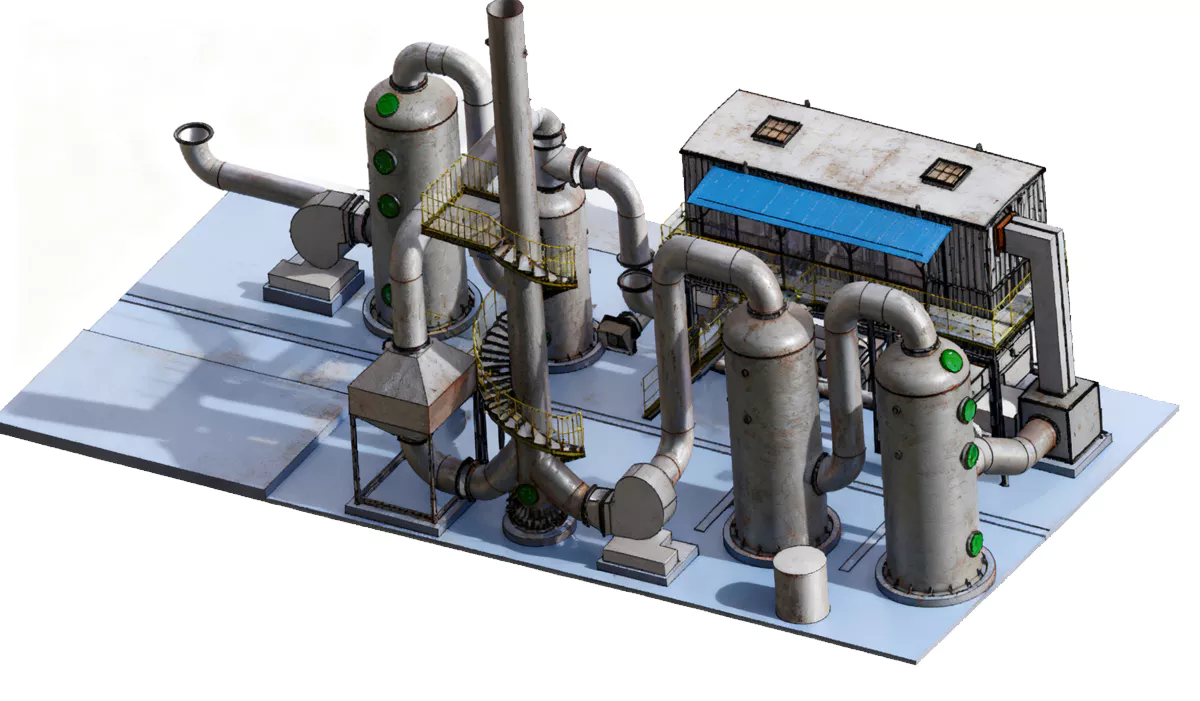
The first operating period after restart deserves focused monitoring. Record flow, temperatures, pressure, alarm activity, process state, and variables identified in the restart checklist. Compare readings with the pre-shutdown baseline where conditions are comparable. If maintenance changed a component or operating configuration, document that fact so later reviewers do not mistake the new state for unexplained drift.
If an emissions or performance test is required after the work, plan it as a separate acceptance task. Define the target, sampling location, method, operating state, and reporting basis before the test. Mechanical completion does not automatically prove performance, and a successful emissions test does not prove every protective function has been tested. Keep the different forms of evidence separate in the closeout record.
Closeout documentation should identify what was done, which parts were changed, which tests were completed, which deviations remain open, and who authorized return to service. Attach updated drawings and instrument records where the configuration changed. If a test could not be completed, state the reason and release condition. Do not report a check as passed merely because the equipment has resumed operation.
A restart log should be understandable to the next shift. Record date and time, equipment state, source conditions, alarms, maintenance intervention, test results, and any restrictions still in effect. If an operating limit or temporary condition remains, identify the person responsible for removing it and the required approval. A handover that says only running normally may omit the detail needed to prevent a repeated fault. The site’s RCO operating logbook practices is also relevant to this review.
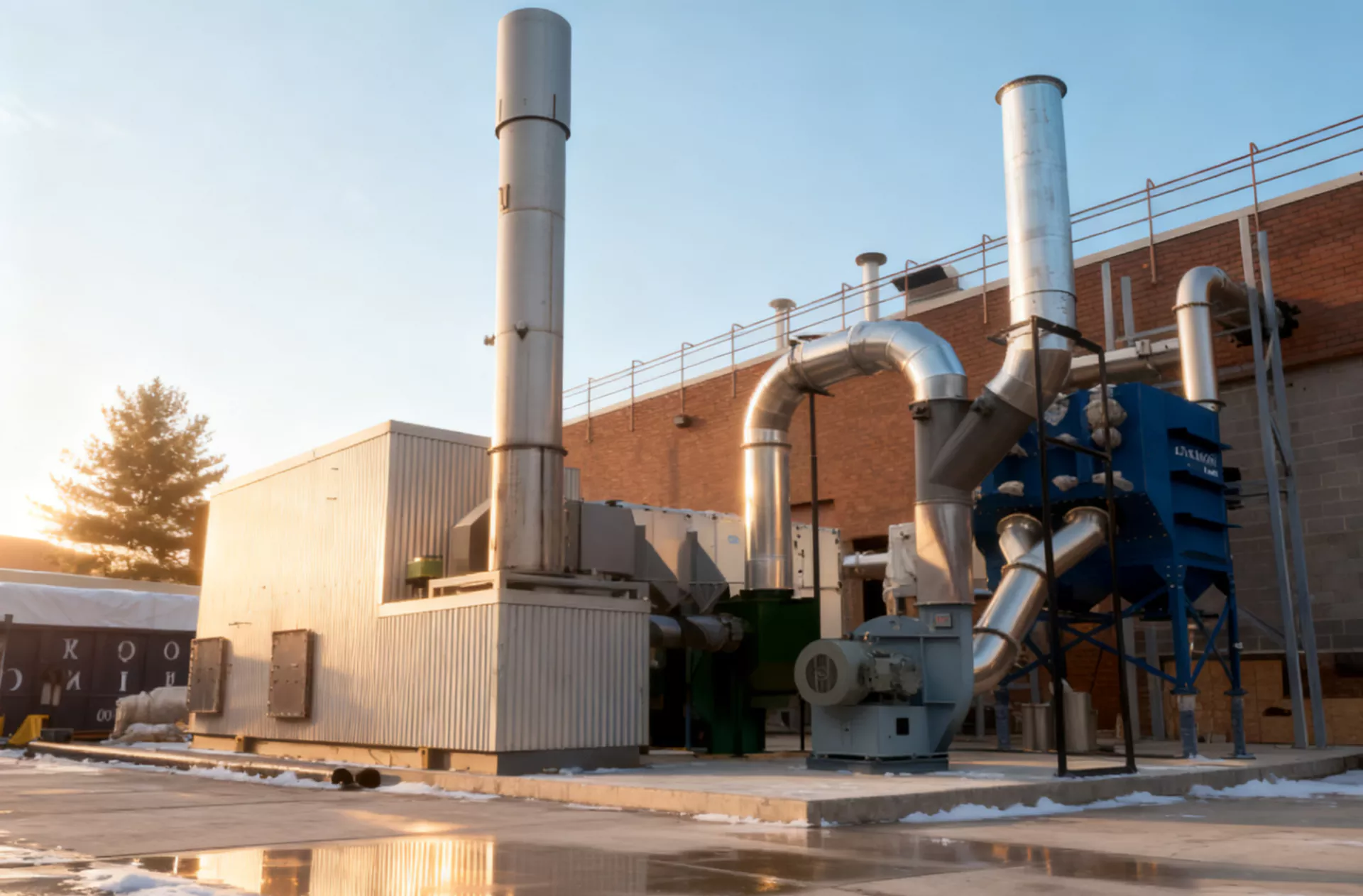
Repeated shutdown or restart problems should trigger a structured review. Compare event logs, instrument status, maintenance actions, and process timing to determine whether the cause is operational, mechanical, control-related, or chemistry-related. Avoid making several unrelated changes between attempts. A documented cause-and-effect test or supplier review may be needed when observed behavior does not match the approved sequence.
A sound shutdown and restart plan protects people, equipment, and environmental performance by making each state transition explicit. It distinguishes planned work from unexpected trips, preserves the baseline, verifies the installed configuration, and assigns restart authority. The procedure should be revised when equipment, exhaust chemistry, or site requirements change—not only after an incident exposes a missing step.
Questions fréquemment posées
Can the RCO be stopped as soon as production stops?
Does a stopped control screen mean the equipment is safe to open?
What if a startup permissive is missing?
Should every restart require emissions testing?
What must the handover record include?
Keep the approved sequence, isolation record, instrument checks, and restart sign-off together. Any unresolved deviation should have an owner and a documented condition for closure.
 FR
 EN
 ZH
 ES
 AR
 ID
 PT
 JA
 RU
 DE
 MS
 CS
 BG
 NL
 KO
 RO
 SK
 TH
 VI
 ZH_TW
 UK