
Нашият RTO Systems
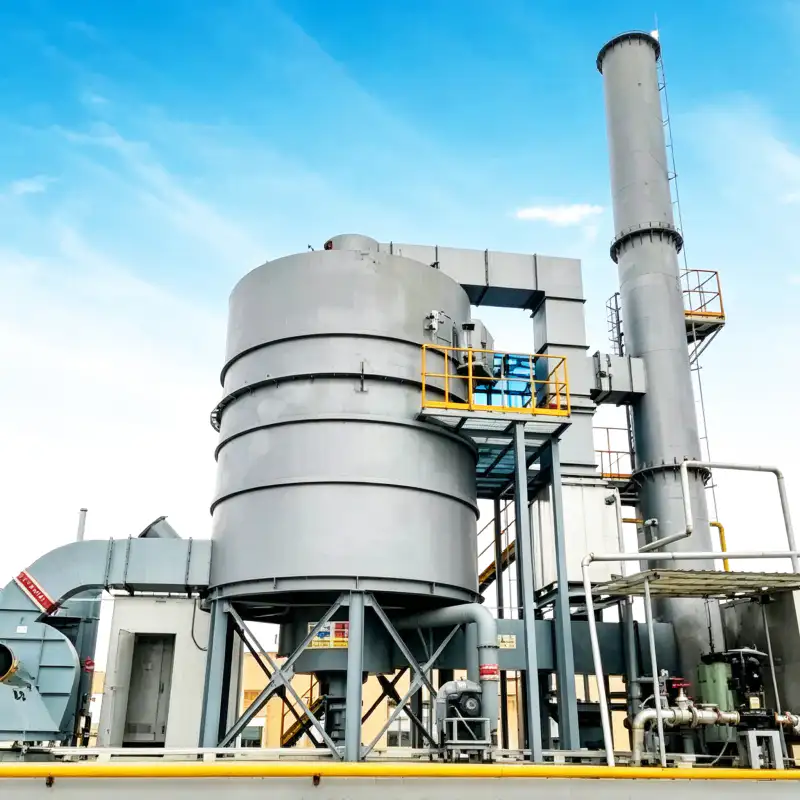
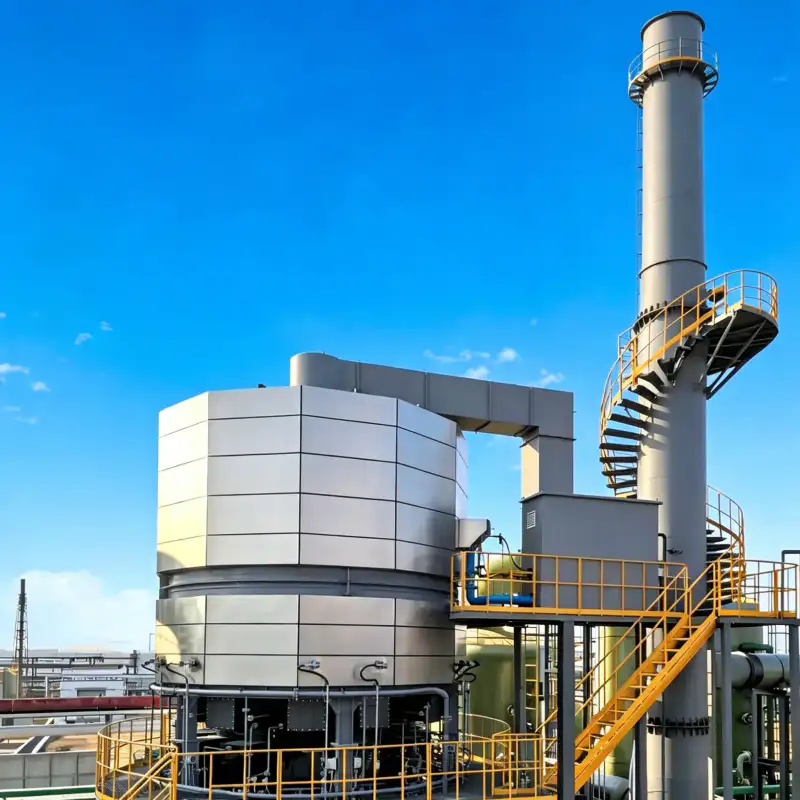
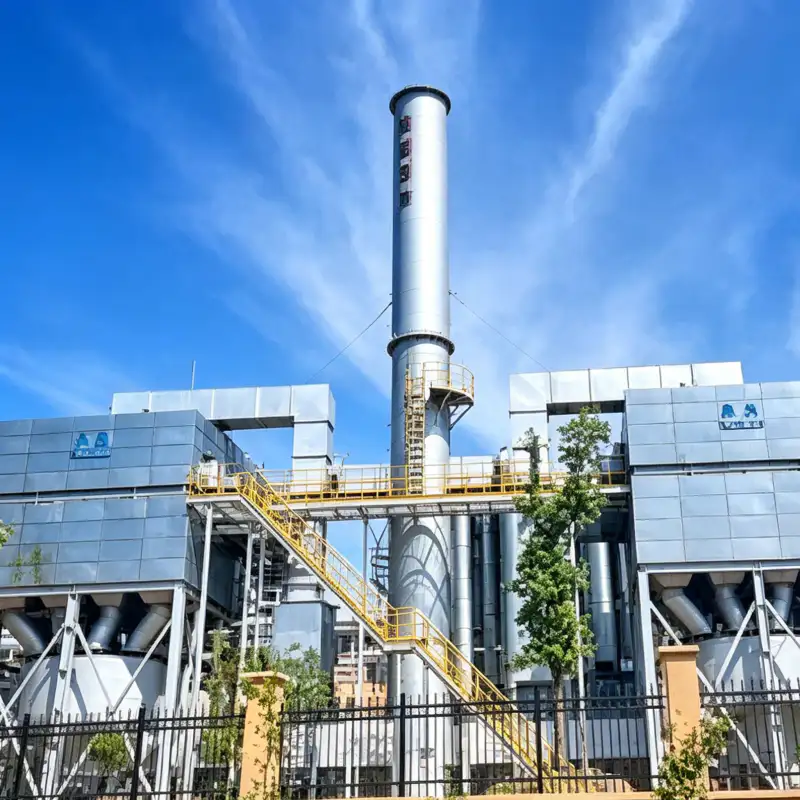
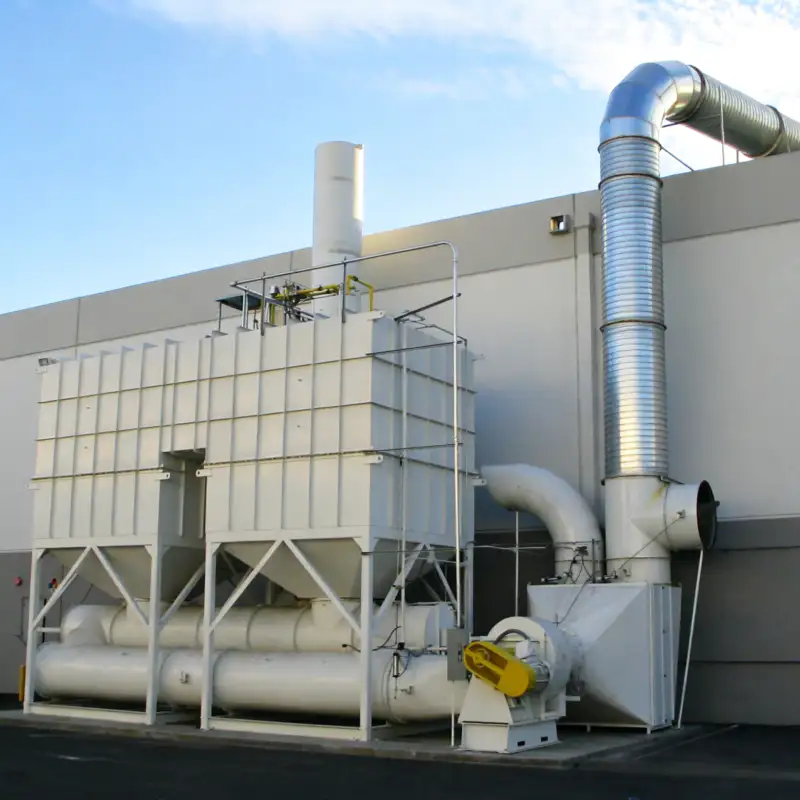
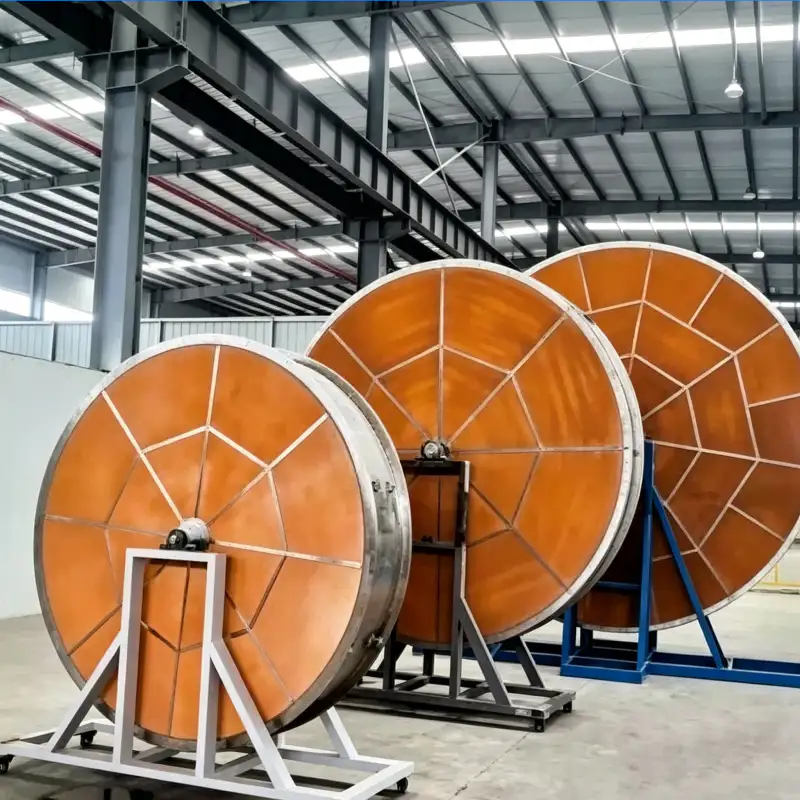
VOCs Treatment Equipment
Comprehensive Air Pollution Control Solutions Beyond RTO Systems
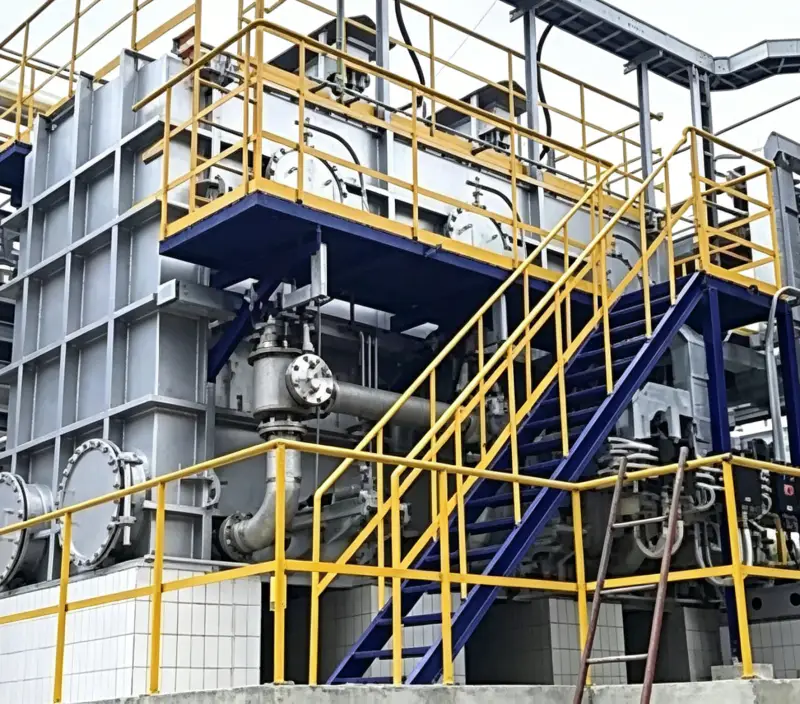
Регенеративен каталитичен окислител (RCO)
Регенеративен каталитичен окислител
Combines regenerative heat recovery with catalytic oxidation to achieve VOC destruction at lower operating temperatures (300-450°C), reducing fuel consumption by 30-50% compared to conventional RTO systems.
Научете повече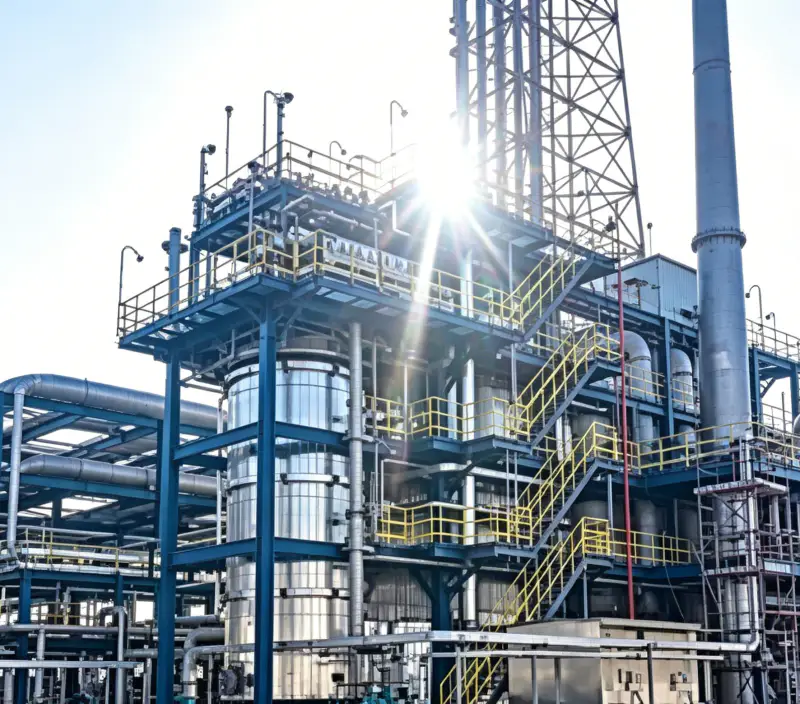
Термичен окислител (ТО)
Термичен окислител
Direct-fired thermal oxidation system operating at 760-1,100°C for complete destruction of hazardous VOCs, ideal for high-concentration waste gas streams and toxic compounds requiring maximum treatment efficiency.
Научете повече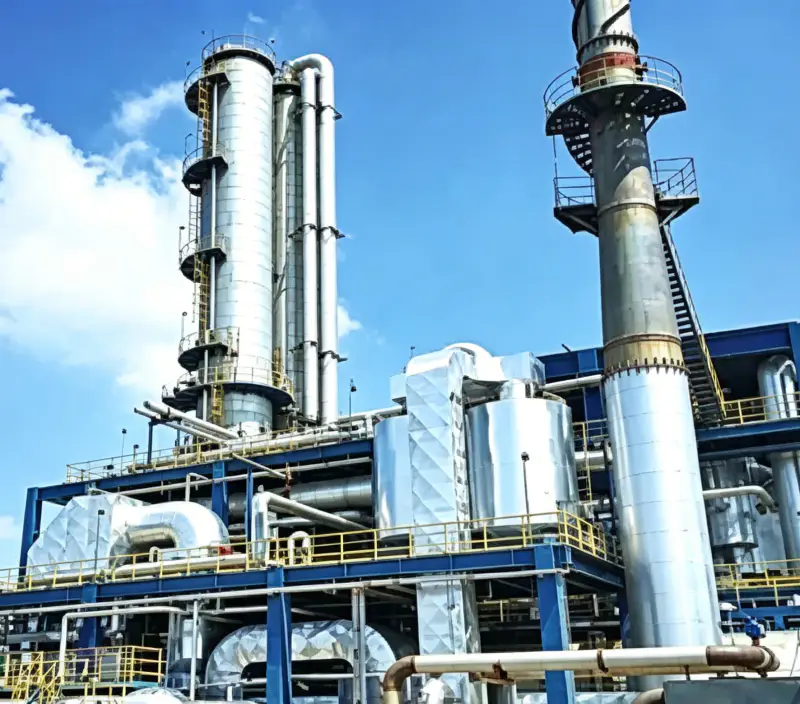
Каталитичен окислител (CO)
Каталитичен окислител
Uses precious metal catalysts to oxidize VOCs at 300-500°C with minimal fuel consumption, perfect for low-concentration, high-flow-rate applications in chemical and pharmaceutical manufacturing.
Научете повече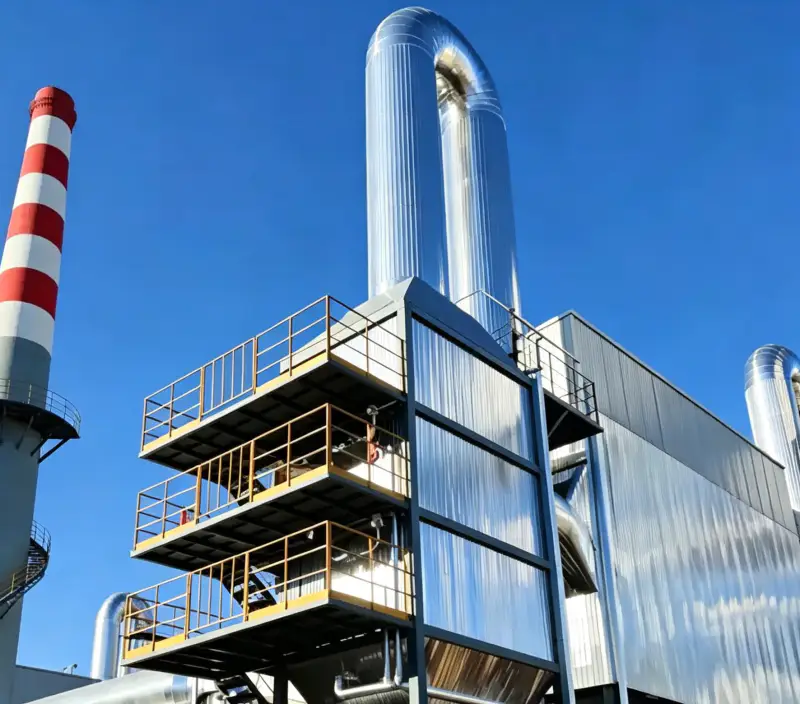
SCR/SNCR Denitrification System
SCR/SNCR Denitrification
Selective Catalytic Reduction (SCR) and Selective Non-Catalytic Reduction (SNCR) systems remove NOx emissions from combustion processes, achieving 85-95% nitrogen oxide reduction for power plants and industrial boilers.
Научете повече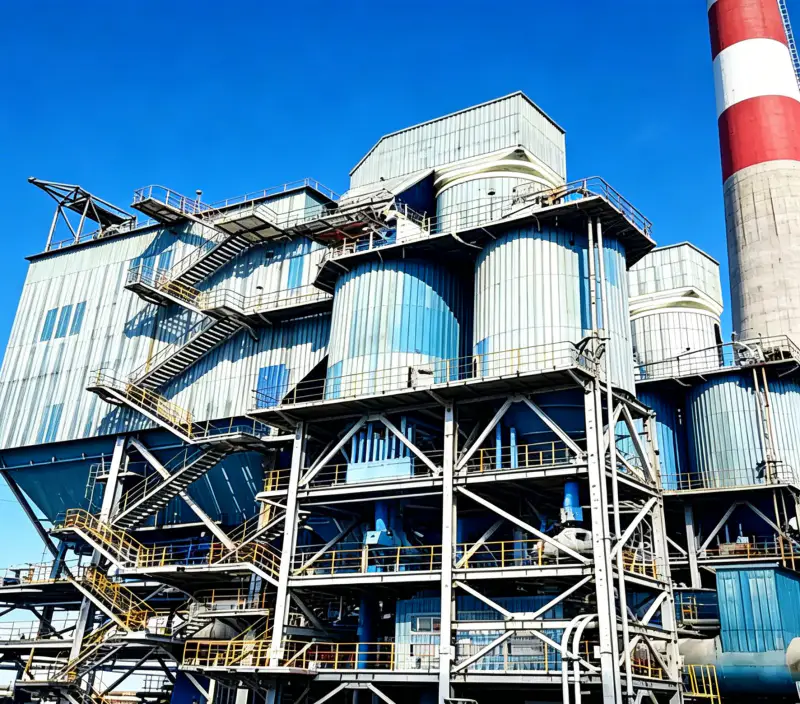
Desulfurization System
Desulfurization System
Wet and dry flue gas desulfurization systems remove SO₂ and sulfur compounds from industrial exhaust, achieving 95%+ removal efficiency for coal-fired boilers, smelters, and chemical processing facilities.
Научете повече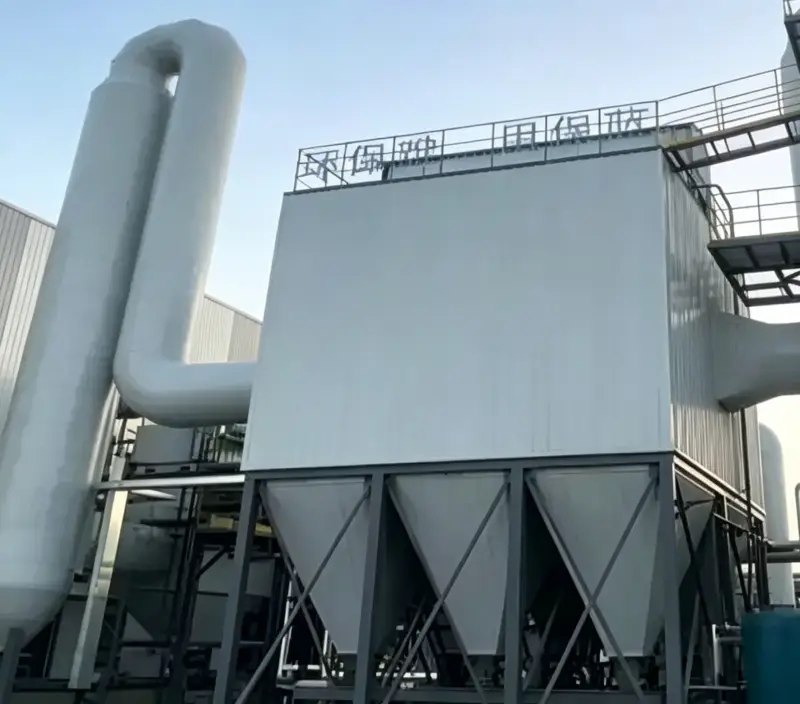
Dust Collector System
Dust Collector System
Pulse-jet baghouse and cartridge dust collectors capture particulate matter from industrial processes, achieving 99.9% filtration efficiency for PM2.5 and PM10 particles in cement, mining, and metalworking industries.
Научете повече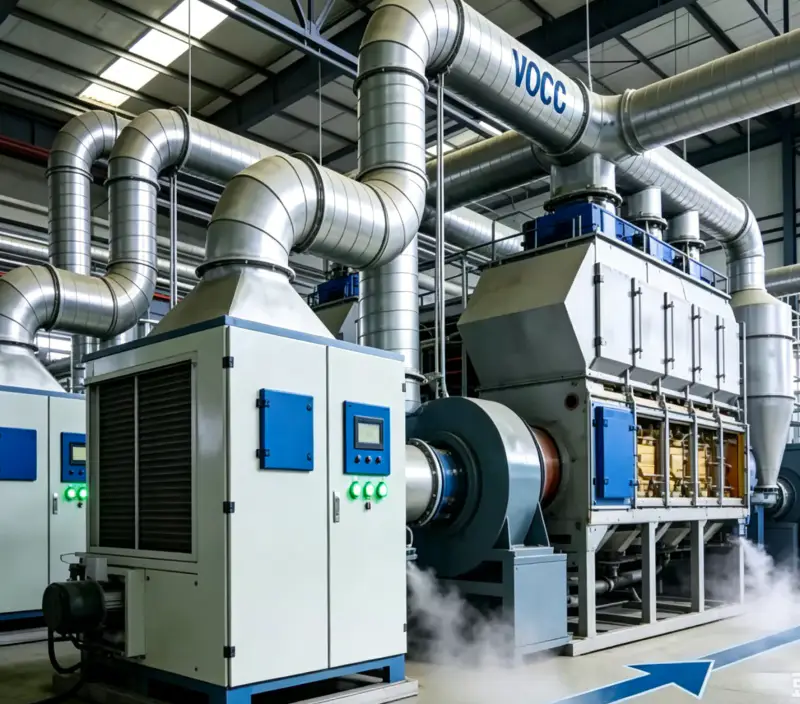
Zeolite Adsorption + Catalytic Combustion
Zeolite Adsorption System
Zeolite rotor concentrator combined with catalytic combustion reduces RTO operating costs by 40-60% for low-concentration VOC streams, concentrating dilute emissions 10-20x before thermal treatment.
Научете повече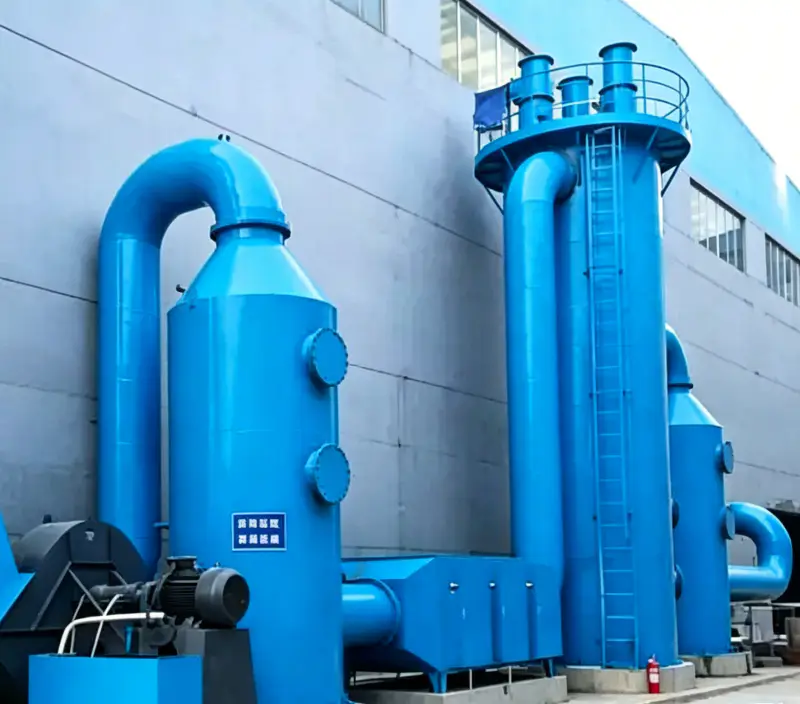
Ionization Catcher
Ionization Catcher
Electrostatic precipitation and ionization technology removes oil mist, smoke, and sub-micron particles from industrial exhaust streams, ideal for machining, heat treatment, and food processing applications.
Научете повечеРегенеративен каталитичен окислител (RCO)
Регенеративен каталитичен окислител
Combines regenerative heat recovery with catalytic oxidation to achieve VOC destruction at lower operating temperatures (300-450°C), reducing fuel consumption by 30-50% compared to conventional RTO systems.
Научете повечеТермичен окислител (ТО)
Термичен окислител
Direct-fired thermal oxidation system operating at 760-1,100°C for complete destruction of hazardous VOCs, ideal for high-concentration waste gas streams and toxic compounds requiring maximum treatment efficiency.
Научете повечеКаталитичен окислител (CO)
Каталитичен окислител
Uses precious metal catalysts to oxidize VOCs at 300-500°C with minimal fuel consumption, perfect for low-concentration, high-flow-rate applications in chemical and pharmaceutical manufacturing.
Научете повечеSCR/SNCR Denitrification System
SCR/SNCR Denitrification
Selective Catalytic Reduction (SCR) and Selective Non-Catalytic Reduction (SNCR) systems remove NOx emissions from combustion processes, achieving 85-95% nitrogen oxide reduction for power plants and industrial boilers.
Научете повечеDesulfurization System
Desulfurization System
Wet and dry flue gas desulfurization systems remove SO₂ and sulfur compounds from industrial exhaust, achieving 95%+ removal efficiency for coal-fired boilers, smelters, and chemical processing facilities.
Научете повечеDust Collector System
Dust Collector System
Pulse-jet baghouse and cartridge dust collectors capture particulate matter from industrial processes, achieving 99.9% filtration efficiency for PM2.5 and PM10 particles in cement, mining, and metalworking industries.
Научете повечеZeolite Adsorption + Catalytic Combustion
Zeolite Adsorption System
Zeolite rotor concentrator combined with catalytic combustion reduces RTO operating costs by 40-60% for low-concentration VOC streams, concentrating dilute emissions 10-20x before thermal treatment.
Научете повечеIonization Catcher
Ionization Catcher
Electrostatic precipitation and ionization technology removes oil mist, smoke, and sub-micron particles from industrial exhaust streams, ideal for machining, heat treatment, and food processing applications.
Научете повечеRTO Industry Applications
Regenerative Thermal Oxidizer Solutions Across Key Industrial Sectors
Industry Sectors
- 01 Производство на покрития
- 02 Печатарска индустрия
- 03 Фармацевтична индустрия
- 04 Преработка на храни
- 05 Composite Materials
- 06 Asphalt & Building
- 07 Electronics & Semi
- 08 Chem & Petrochemical
- 09 Wastewater & Odor
- 10 Rubber & Tire
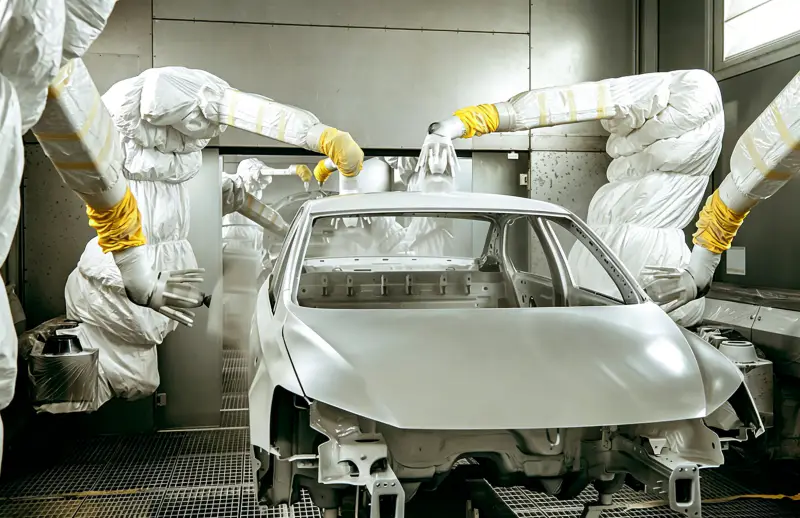
Производство на покрития
Automotive and industrial coating operations generate high-concentration VOC emissions from paint solvents. Our RTO systems achieve ≥99.5% destruction efficiency.
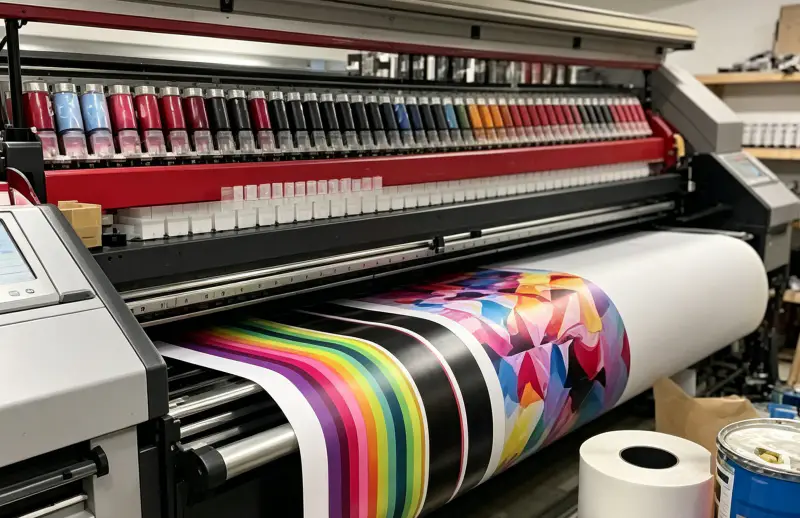
Печатарска индустрия
Rotogravure and flexographic printing release significant VOC emissions from inks. RTO thermal oxidizers are essential for capturing these pollutants and protecting health.

Фармацевтични продукти
Pharmaceutical manufacturing produces complex organic solvent vaporsНашият technology safely destroys hazardous VOCs and ensures GMP-compliant clean air discharge.
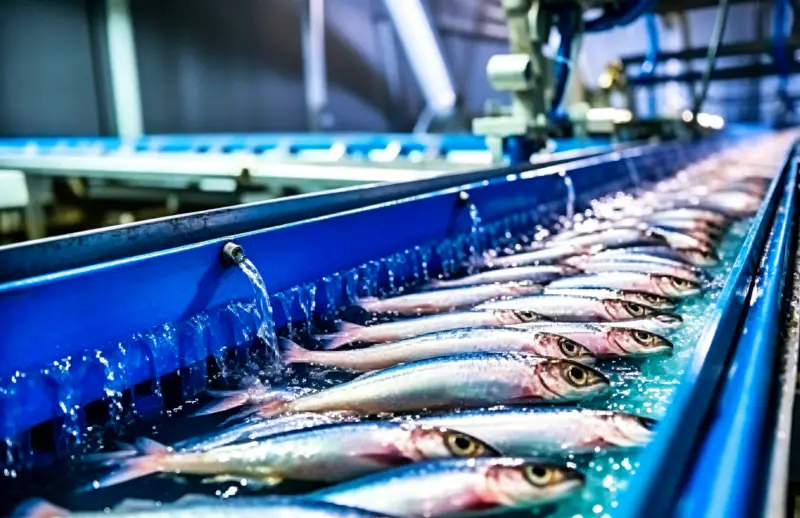
Преработка на храни
Food processing generates odor-intensive organic emissions. RTO systems effectively eliminate food odors and grease vapors.
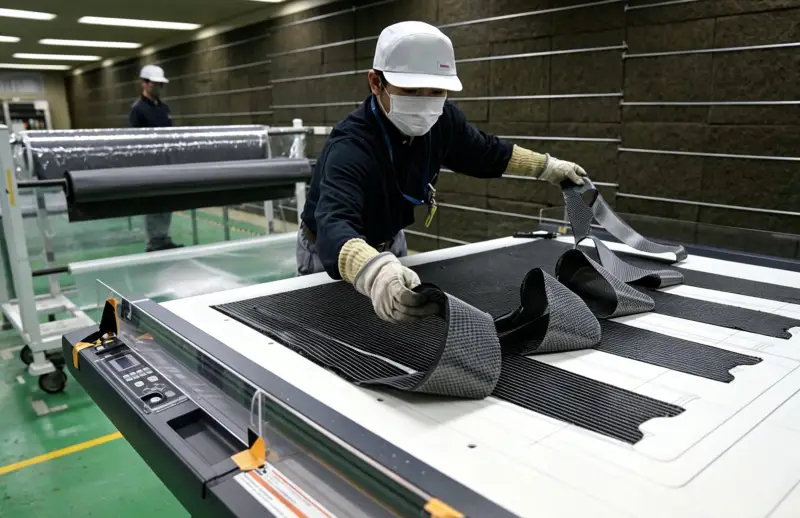
Composite Materials
Composite production releases styrene and resin vaporsНашият equipment captures these hazardous monomers, ensuring emission compliance.
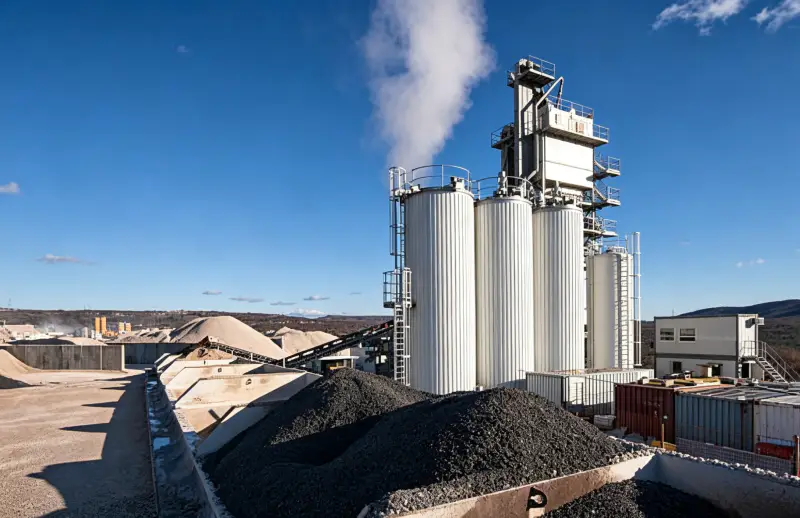
Asphalt & Building
Asphalt mixing emits high-temperature bitumen fumes. RTOs are engineered to handle these challenging high-temperature streams.
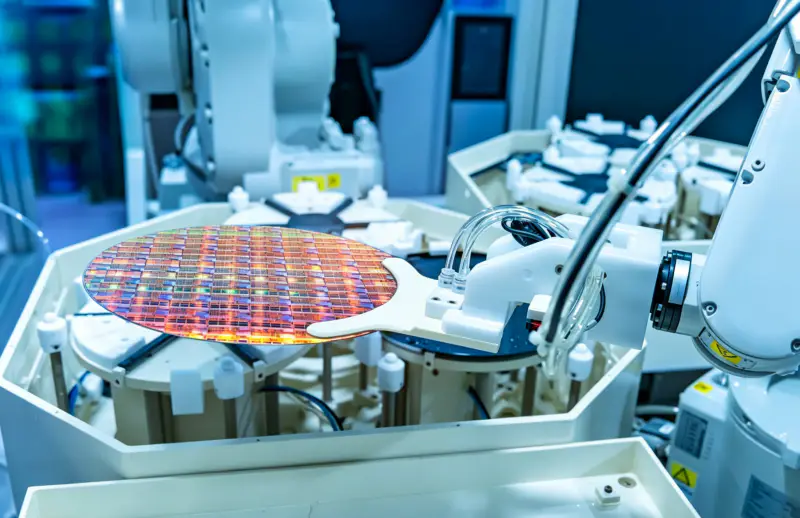
Electronics & Semi
Semiconductor fabrication generates high-purity solvent vaporsНашият systems deliver ultra-high destruction efficiency for cleanrooms.
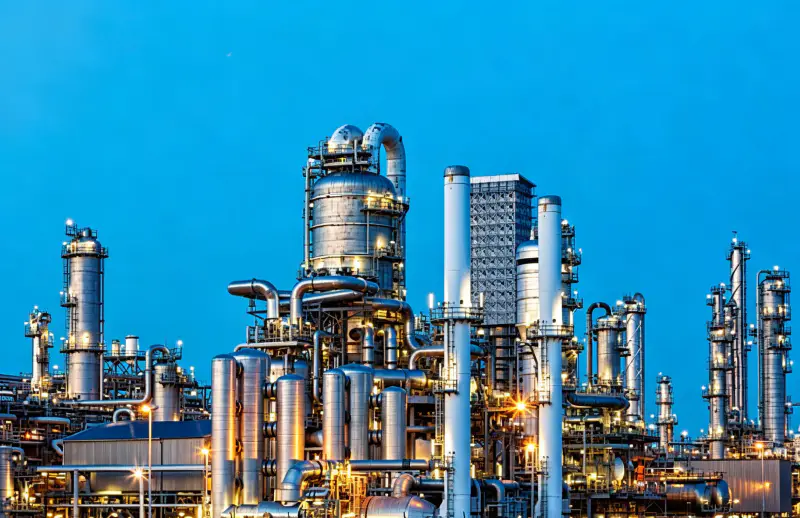
Chem & Petrochemical
Chemical plants produce complex hydrocarbon emissions. RTO технология provides reliable VOC destruction with built-in safety systems.
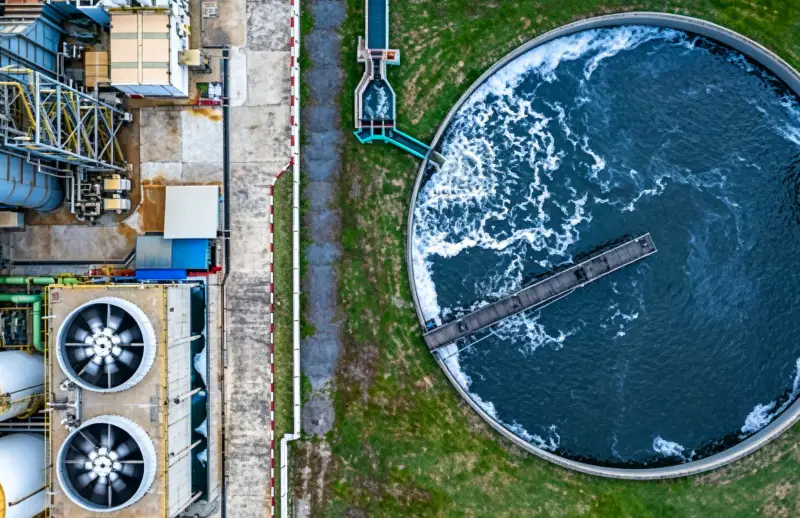
Wastewater & Odor
Wastewater plants generate malodorous sulfur compoundsНашият RTO systems effectively eliminate odors, improving community relations.
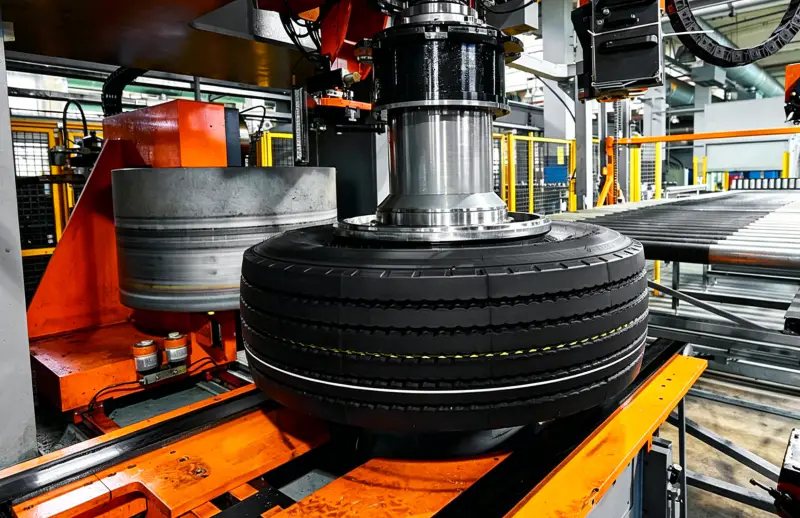
Rubber & Tire
Tire manufacturing releases heavy aromatic hydrocarbons. RTOs are critical for capturing these persistent organic pollutants.
Leading Regenerative Thermal Oxidizer Manufacturer
Advanced RTO Systems & VOC Treatment Solutions Since 2002
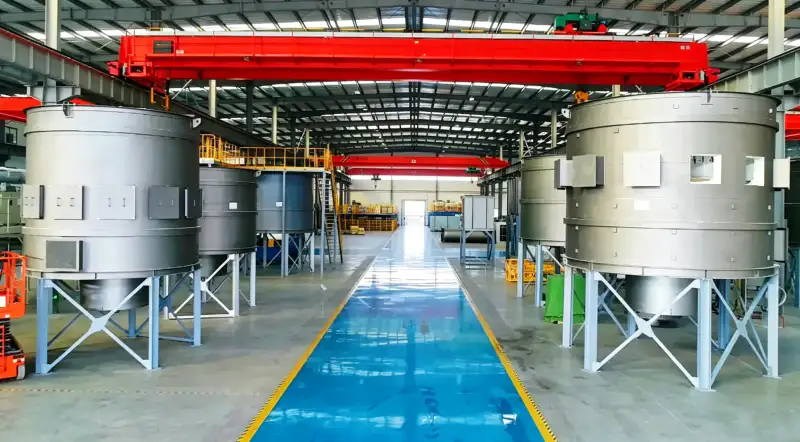
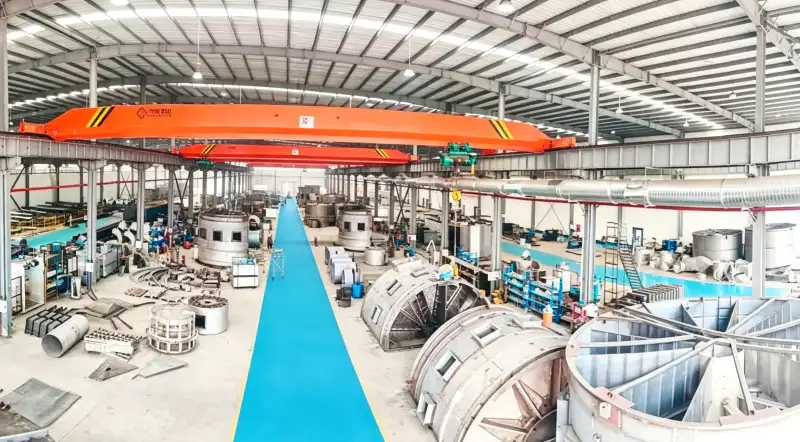

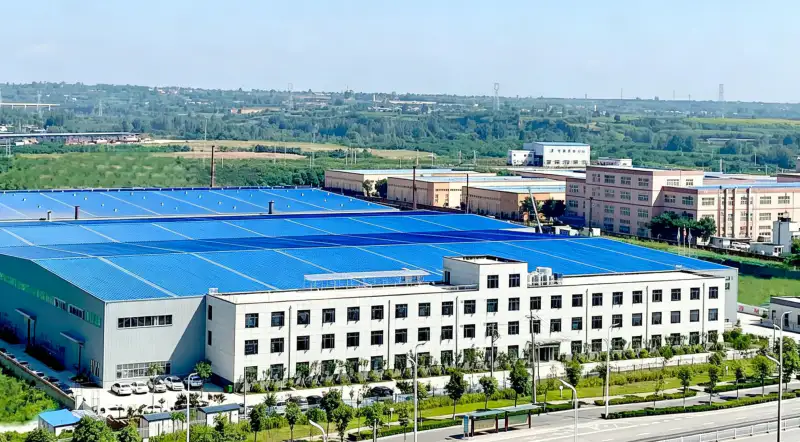
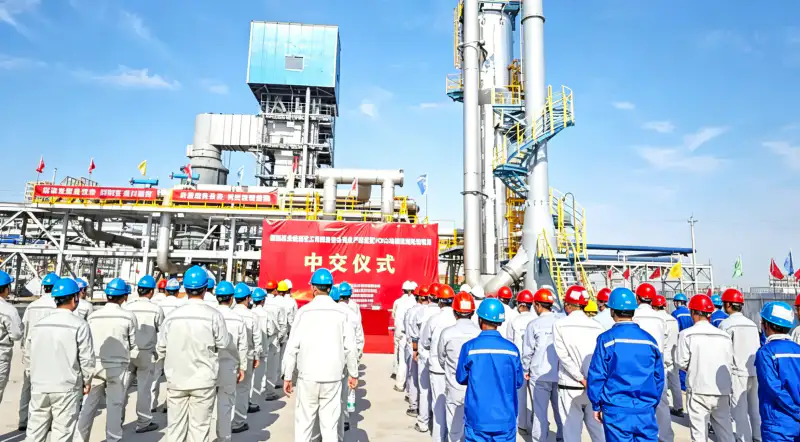
Евър-Пауър Пте ООД is a high-end equipment manufacturing enterprise specializing in comprehensive treatment of volatile organic compounds (VOCs), exhaust gas purification, and carbon emission reduction. As a premier regenerative thermal oxidizer (RTO) manufacturer, we focus on thermal energy recovery, combustion optimization, sealing technology, and automatic control systems — the four core pillars of modern emission control engineering.
Нашият RTO systems integrate advanced ceramic thermal storage media, zeolite molecular sieve adsorption technology, and VOC organic matter high-temperature incineration oxidation processes. With rigorous experimental testing capabilities and continuous innovation, we help enterprises successfully transition toward green development, achieving a win-win situation for economic growth and environmental protection.
Advanced Simulation Capabilities: We possess cutting-edge temperature field simulation and air flow field modeling & computational analysis, enabling precise RTO system design and performance optimization before physical construction.
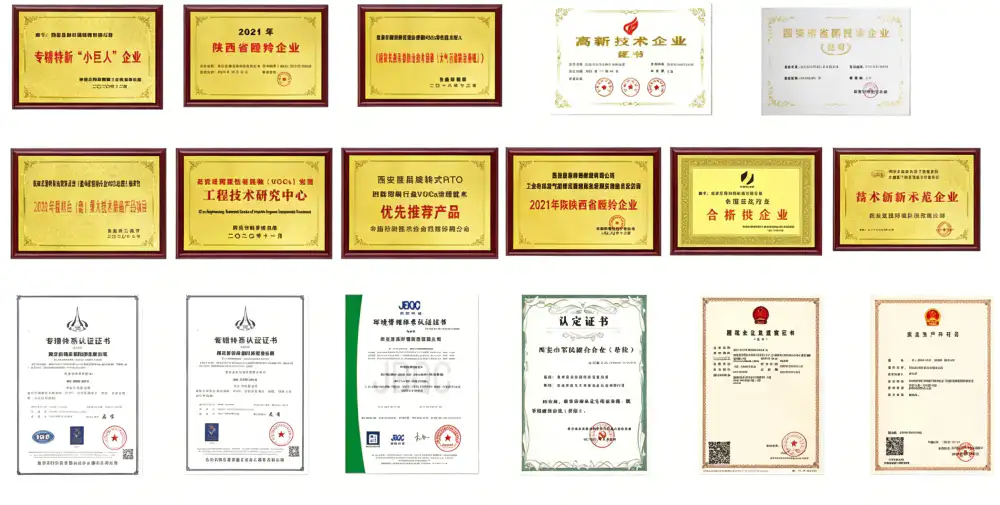
Patents & Сертификати
We have applied for multiple patents covering our core technologies. Our intellectual property portfolio demonstrates our commitment to innovation and engineering excellence in thermal oxidation solutions.
RTO Manufacturing & Production Capabilities
State-of-the-Art Production Lines for Regenerative Thermal Oxidizer Systems
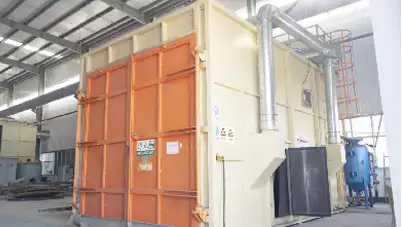
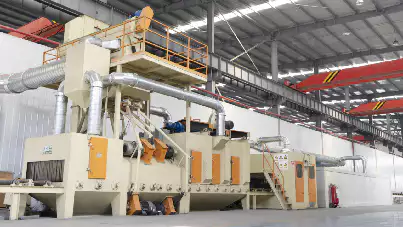
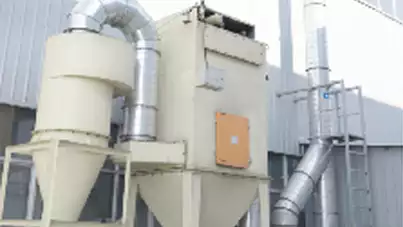
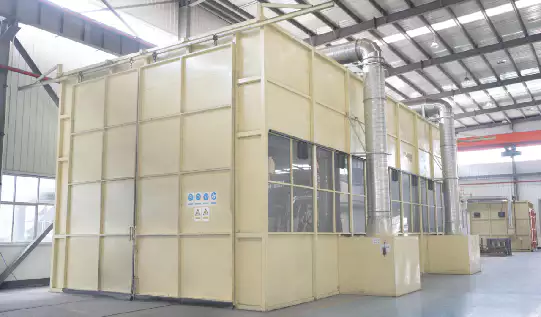
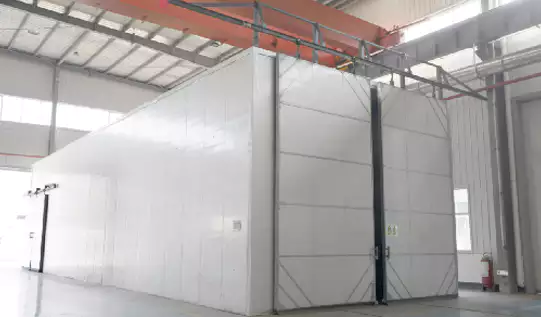
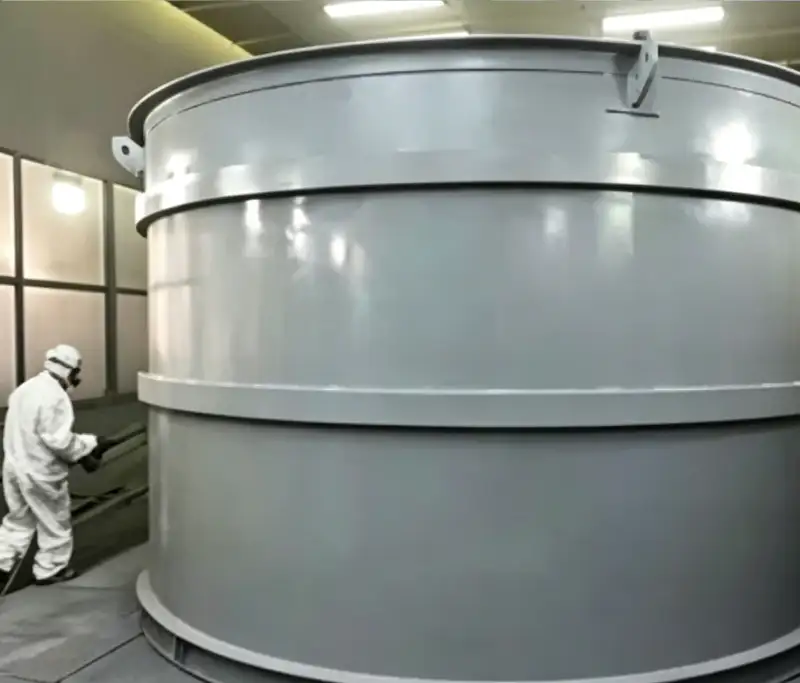
Automatic Shot Blasting & Painting Production Line
Нашият automatic shot blasting and painting production line for steel plates and profiles ensures efficient and high-quality surface preparation and coating application. By achieving optimal surface cleanliness, we enhance the durability and corrosion resistance of our Компоненти на RTO системата, ensuring long-term reliability in harsh industrial environments.
RTO Production Workshop
Precision Manufacturing & Quality Control at Every Stage
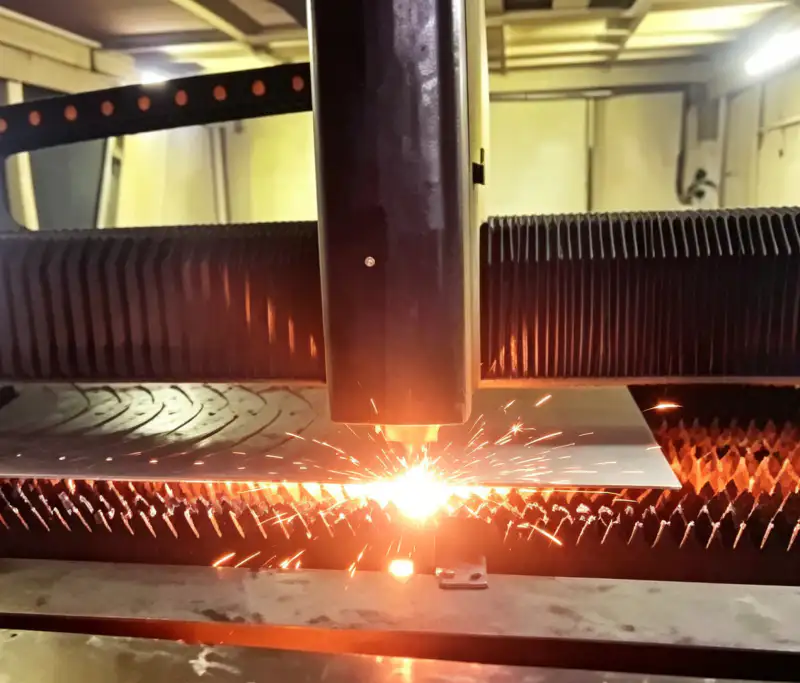
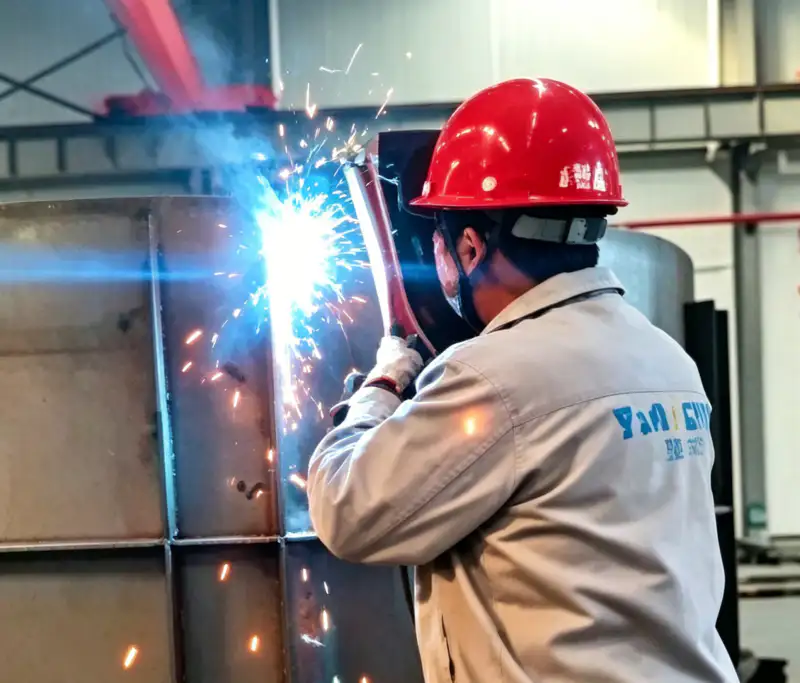
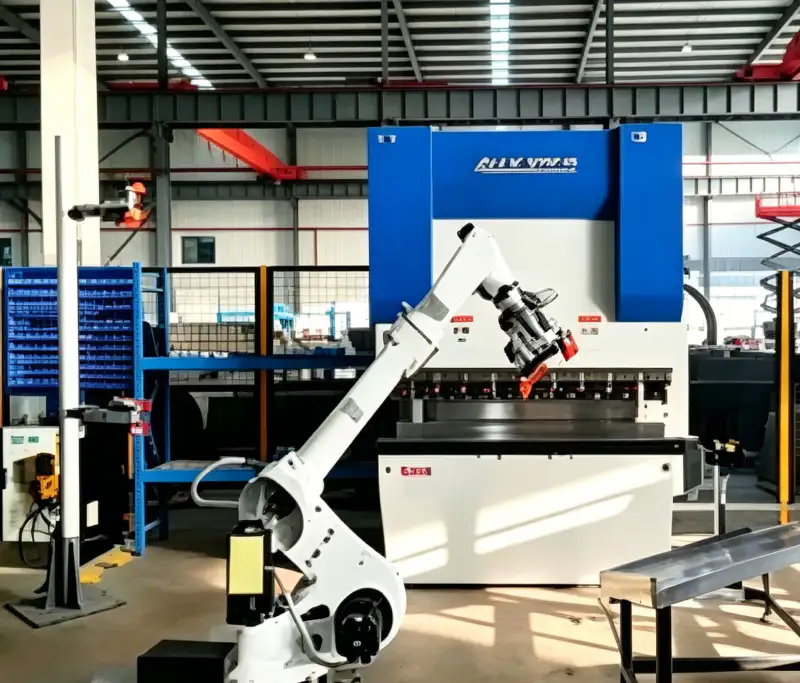
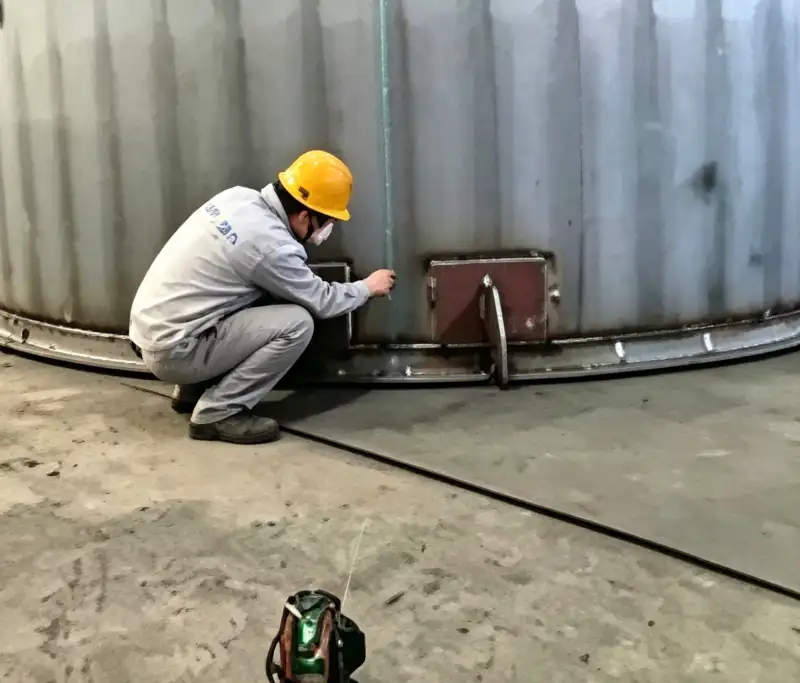
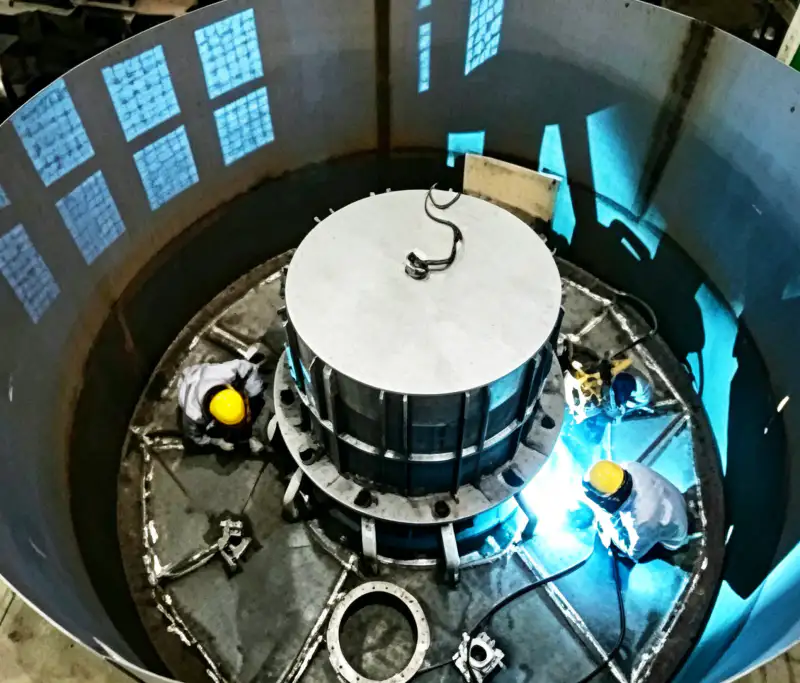
Laser Cutting
Precision sheet metal cutting for RTO component fabrication
RTO Project Case Studies
Proven Regenerative Thermal Oxidizer Installations Across 9 Major Industries
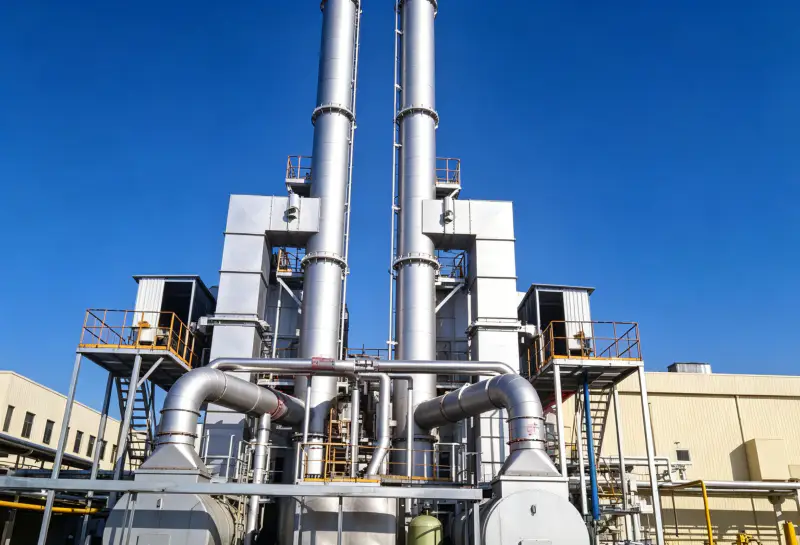
Производство на покрития
- 95% thermal energy recovery
- 40% fuel cost reduction
- ≥99.5% VOC destruction
- EPA compliance achieved
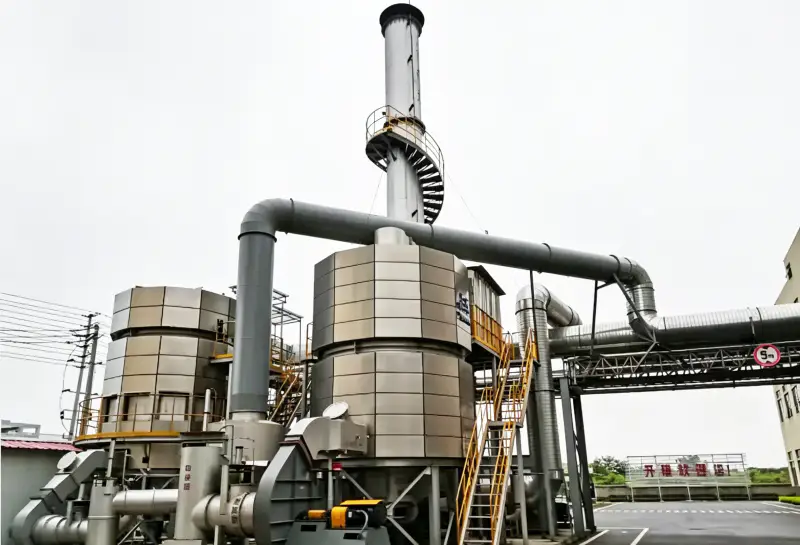
Печатарска индустрия
- VOC concentrator hybrid system
- 60% operating cost savings
- 24/7 continuous operation
- Low-temp ignition optimized
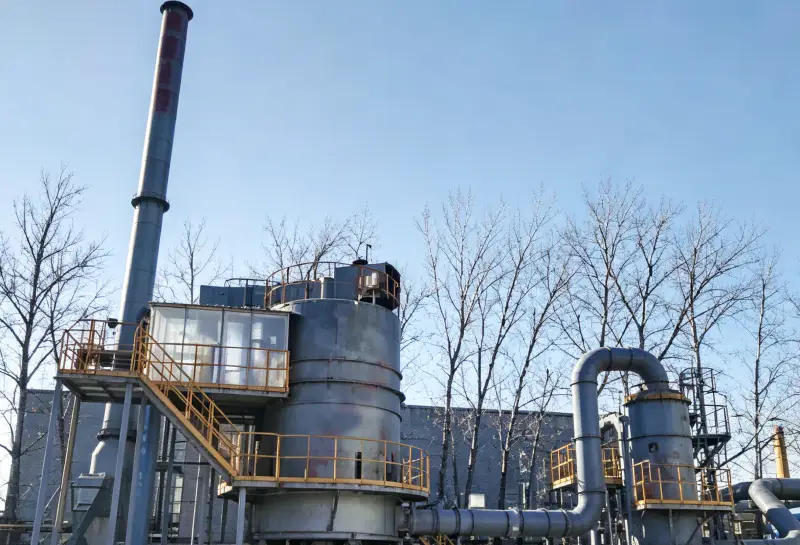
Waterproof Coil
- High-temp ceramic ≥1,100°C
- Acid-resistant coating
- Dual-chamber design
- 92% heat recovery rate
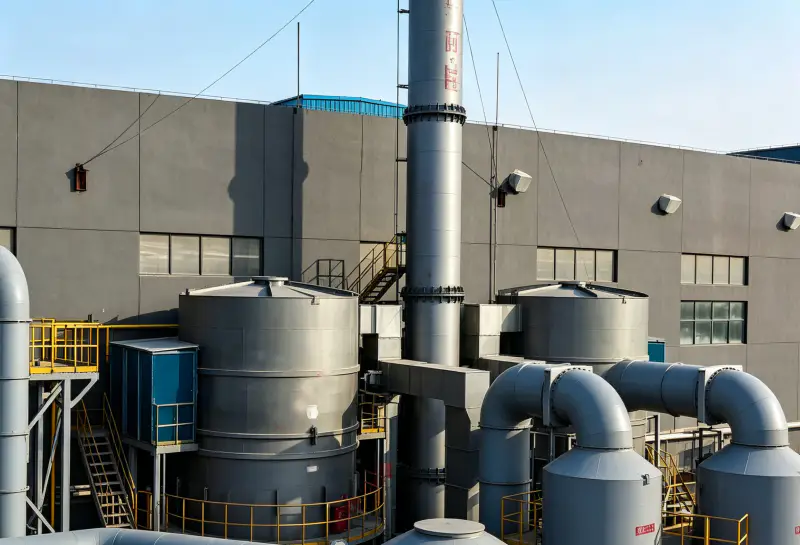
PVC Flooring
- Halogen-resistant construction
- Wet scrubber integration
- Dioxin decomposition ≥99%
- Corrosion-proof design
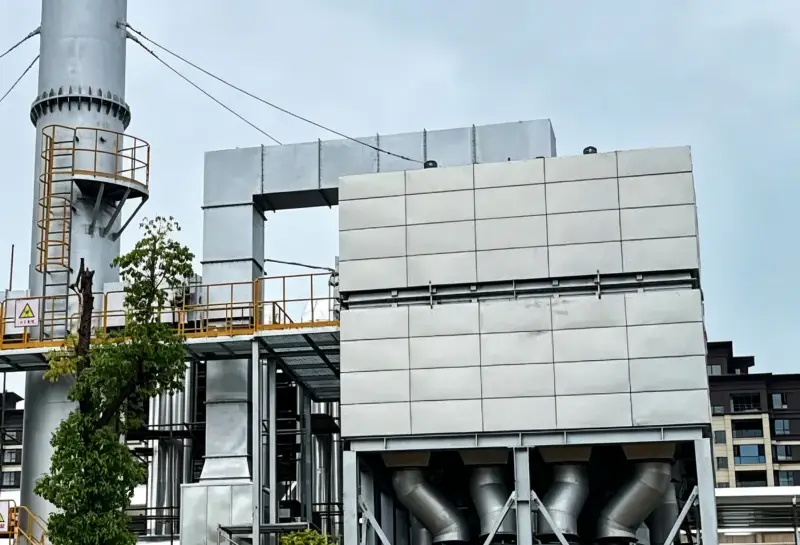
Glove Industry
- Ammonia-compatible media
- Odor elimination priority
- Compact factory integration
- Low-NOx combustion tech
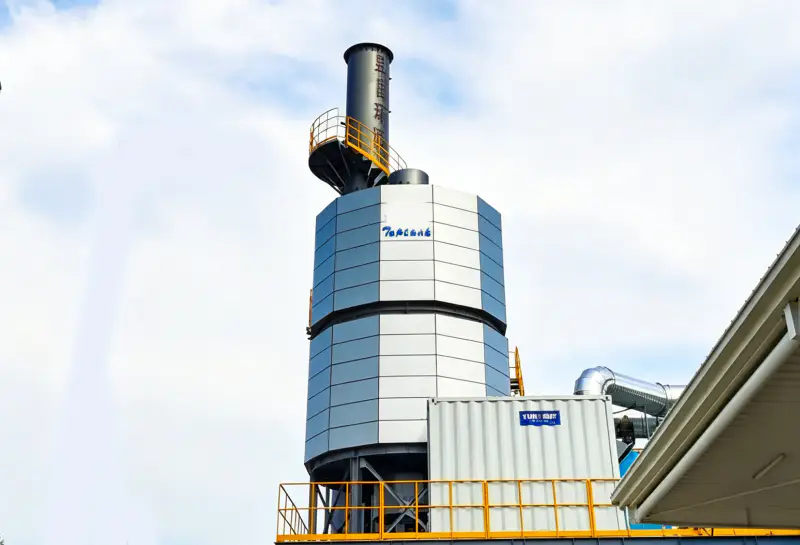
Cigarette Packaging
- Rapid start-up system
- VOC concentrator hybrid
- Food-grade safety standard
- 50% energy savings
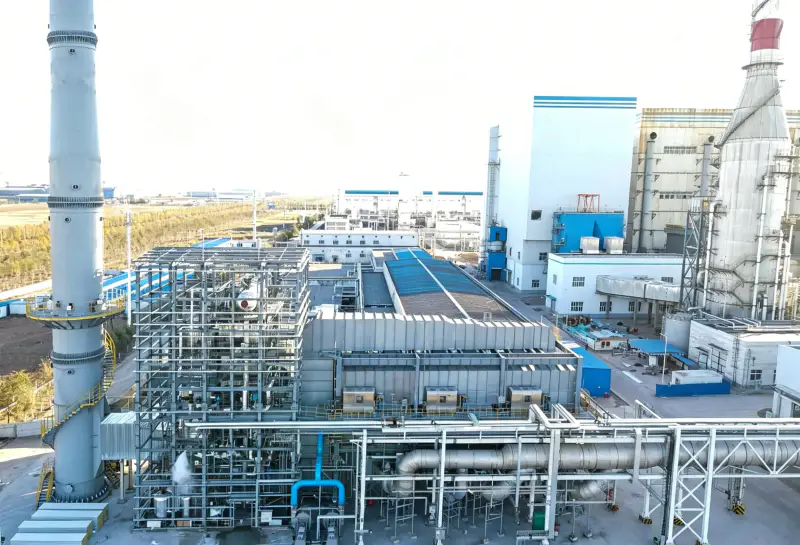
Coal Chemical
- Heavy-duty ceramic media
- Multi-bed configuration
- 99.9% destruction efficiency
- Explosion-proof design
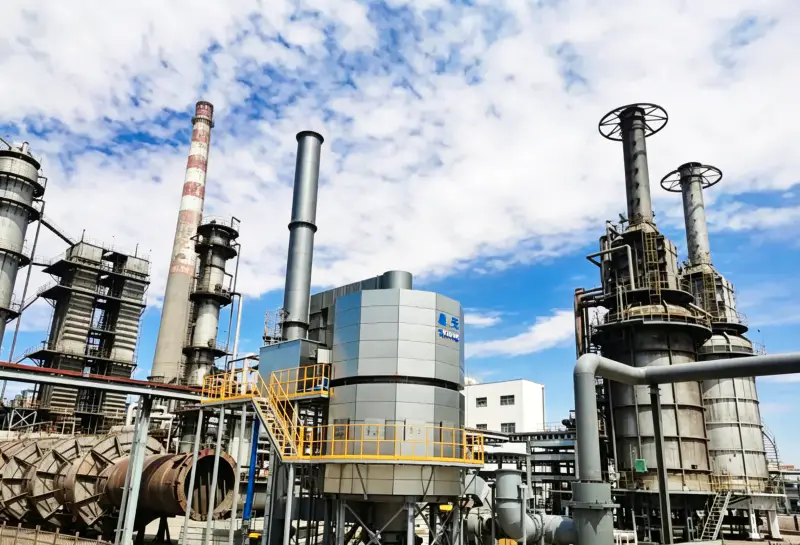
Coal Coking
- Tar mist pre-filtration
- Anti-clogging rotary valve
- SO₂ & NOx co-treatment
- 365-day continuous run
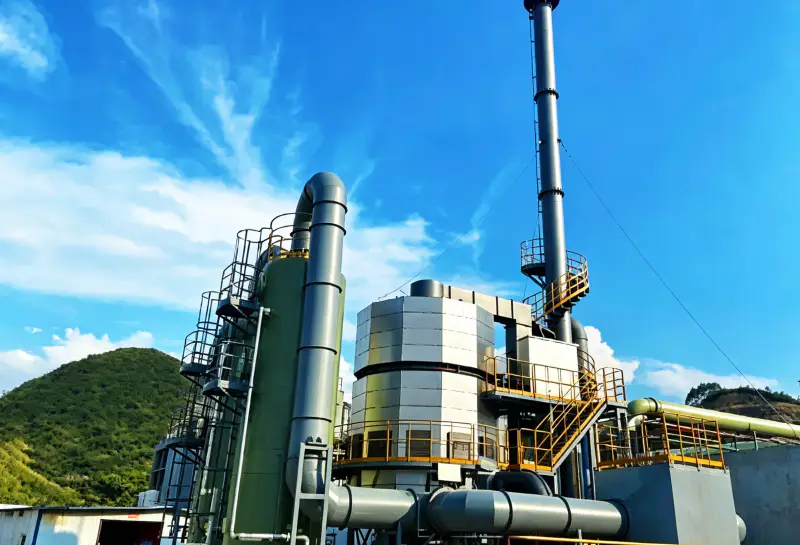
Въглеродна индустрия
- High-temp oxidation ≥1,100°C
- Carbon dust resistant media
- Baking furnace preheating
- Anti-clogging valve design
Frequently Asked Questions About RTO Systems
Expert Answers on Regenerative Thermal Oxidizer Technology, Selection & Operation
What is a Regenerative Thermal Oxidizer (RTO) and how does it work?
А Регенеративен термичен окислител (RTO) is an advanced air pollution control device that destroys Volatile Organic Compounds (VOCs) and hazardous air pollutants through high-temperature thermal oxidation (typically 760-1,100°C). The process works by passing contaminated exhaust gas through ceramic heat exchange media, which preheats the gas before it enters the combustion chamber. After oxidation, the hot clean gas passes through a second ceramic bed, transferring its heat energy for the next cycle. This regenerative heat recovery achieves 95-97% thermal efficiency, dramatically reducing fuel consumption compared to conventional thermal oxidizers.
What is the difference between a 2-chamber, 3-chamber, and rotary RTO?
2-chamber RTOs use two ceramic heat exchange beds that alternate between inlet and outlet functions. They are cost-effective but may have brief periods of untreated gas escape during valve switching ("puff" emissions). 3-chamber RTOs add a third chamber that acts as a purge chamber, capturing any untreated gas during valve switching and returning it to the inlet, achieving >99% destruction efficiency. Rotary RTOs use a continuously rotating ceramic disk instead of switching valves, providing smooth, uninterrupted operation with the highest destruction efficiency (≥99.5%) and lowest pressure drop, ideal for continuous industrial processes.
What is VOC destruction efficiency and why does it matter for RTO systems?
VOC destruction efficiency measures the percentage of volatile organic compounds removed from the exhaust stream. Modern RTO systems achieve ≥99.5% destruction efficiency, meaning only 0.5% or less of VOCs remain in the treated exhaust. This metric is critical because it directly determines regulatory compliance with EPA standards (typically 95-99% required), environmental impact, and potential fines. Higher efficiency also means better odor control and lower community complaints. Our rotary RTO systems consistently achieve 99.5-99.9% destruction efficiency even with varying VOC concentrations.
How much thermal energy can an RTO recover, and what does this mean for operating costs?
RTO systems can recover up to 95-97% of thermal energy through regenerative ceramic heat exchange media. This means that once the system reaches operating temperature, it requires minimal supplemental fuel — often just enough to compensate for heat losses through the walls. For high-concentration VOC streams (typically >25% LEL), the oxidation reaction itself generates enough heat to sustain operation with zero supplemental fuel ("self-sustaining" or "auto-thermal" operation). This translates to 40-60% reduction in operating costs compared to conventional thermal oxidizers, with payback periods typically ranging from 2-4 years depending on fuel prices and operating hours.
What is the typical operating temperature range for an RTO system?
RTO systems typically operate at 760-1,100°C (1,400-2,012°F) in the combustion chamber. The specific temperature depends on the VOC composition: most hydrocarbons oxidize completely at 760-820°C, while chlorinated compounds and more resistant VOCs may require 900-1,100°C. Our RTO systems feature precise temperature control with ±5°C accuracy, automatic fuel modulation, and safety interlocks to prevent overheating. The ceramic heat exchange media operates at inlet temperatures of 50-150°C and outlet temperatures of 80-150°C, demonstrating the remarkable efficiency of regenerative heat recovery.
What types of ceramic media are used in RTO heat exchangers, and how long do they last?
RTO systems use structured ceramic monoliths или random-packed ceramic saddles made from cordierite, mullite, or alumina-silicate materials. Structured media offers higher heat transfer efficiency (up to 97% recovery) with lower pressure drop, while random packing is more cost-effective and resistant to fouling. The ceramic media typically lasts 10-15 years under normal conditions, but lifespan can be reduced by thermal shock, chemical attack from halogenated compounds, or particulate fouling. Our RTO systems use premium ceramic media with thermal shock resistance up to 1,200°C and include upstream filtration to protect the media from dust and particulate contamination.
Can RTO systems handle corrosive or halogenated VOC streams like HCl or SO₂?
Yes, but specialized design modifications are required. For halogenated VOCs (chlorinated solvents, PVC processing), the RTO must operate at higher temperatures (900-1,100°C) to ensure complete oxidation, and the downstream equipment must be constructed from corrosion-resistant materials like Hastelloy, titanium, or FRP. Acid gas scrubbers (wet or dry) are typically installed downstream to remove HCl, HF, or SO₂ before discharge. For sulfur-containing streams, ceramic media selection is critical — we use acid-resistant formulations and may recommend a ТО (Термичен окислител) instead of an RTO if corrosion risk is too high. Our engineering team evaluates each application individually to select the optimal materials and configuration.
What is the pressure drop across an RTO system, and how does it affect fan power consumption?
Typical pressure drop across an RTO system ranges from 1,500-4,000 Pa (6-16 inches of water column), depending on the ceramic media type, flow rate, and bed depth. Structured ceramic media offers lower pressure drop (1,500-2,500 Pa) compared to random packing (2,500-4,000 Pa). This pressure drop directly impacts fan power consumption — every 500 Pa increase requires approximately 5-8% more fan energy. Our rotary RTO systems minimize pressure drop through optimized ceramic disk design and smooth airflow paths, reducing fan power requirements by 15-25% compared to conventional valve-switching RTOs. Variable frequency drives (VFDs) on exhaust fans further optimize energy consumption based on actual process conditions.
How do I determine the right RTO size and capacity for my application?
RTO sizing depends on four key parameters: (1) Exhaust flow rate (Nm³/h or CFM) — measure actual and peak flows; (2) VOC concentration (mg/m³ or ppm) — determines if supplemental fuel is needed; (3) VOC composition — affects required oxidation temperature and ceramic media selection; (4) Operating schedule — 24/7 operations benefit more from RTO efficiency than intermittent processes. As a rule of thumb, RTOs are most cost-effective for flow rates of 5,000-200,000 Nm³/h and VOC concentrations of 500-10,000 mg/m³. For very low concentrations (<500 mgm³), we recommend adding a zeolite concentrator upstream. Our engineers provide free technical consultations to analyze your specific process data and recommend the optimal RTO configuration.
When should I choose an RTO over a CO (Catalytic Oxidizer) or RCO (Regenerative Catalytic Oxidizer)?
Choose RTO when: VOC concentrations are high (1,000+ mg/m³), the stream contains catalyst poisons (silicones, heavy metals, halogens), or you need the highest destruction efficiency (≥99.5%). RTOs have no catalyst replacement costs and handle variable flows better. Choose CO when: VOC concentrations are low (<1,000 mg/m³), the stream is clean (no catalyst poisons), and you need lower capital cost. COs operate at 300-500°C with lower fuel consumption. Choose RCO when: you want the best of both — regenerative heat recovery (like RTO) plus catalytic oxidation at lower temperatures (300-450°C), ideal for moderate concentrations with clean gas streams. Our technical team can help evaluate the total cost of ownership (TCO) for each option over a 10-year period.
What information do I need to provide for an RTO quotation and system design?
To provide an accurate RTO quotation, we need: Process data — exhaust flow rate (average and peak), temperature, humidity, and pressure; VOC analysis — species identification, concentration ranges (average, peak, minimum), and any variations throughout the day; Physical constraints — available footprint, height restrictions, and utility connections (natural gas, electricity, compressed air); Regulatory requirements — local emission limits for VOCs, NOx, and other pollutants; Operating conditions — daily operating hours, annual schedule, and any intermittent processes. Optional but helpful: existing ductwork layout, ambient temperature range, and any future expansion plans. We provide a free on-site assessment for projects over $100,000 to ensure accurate design and seamless integration.
What is the typical capital cost and ROI timeline for an RTO installation?
RTO capital costs typically range from $150,000 to $2,000,000+ depending on flow rate, configuration (2-chamber vs. rotary), and special requirements (corrosion resistance, explosion-proofing, etc.). A mid-size rotary RTO (50,000 Nm³/h) typically costs $400,000-$800,000 including installation. ROI timelines are typically 2-4 years when comparing to: (1) paying ongoing carbon taxes or emission fines, (2) using less efficient thermal oxidizers with higher fuel costs, or (3) avoiding production shutdowns due to regulatory non-compliance. For high-concentration applications achieving auto-thermal operation, fuel savings alone can recover the investment in 18-30 months. We provide detailed life-cycle cost analysis with every quotation to demonstrate the financial benefits of RTO technology.
How long does RTO startup take, and what is the preheating process?
Cold startup of an RTO typically takes 1-2 hours from a cold state to operating temperature (760-820°C). The process involves: (1) Purge cycle — 15-30 minutes of fresh air circulation to clear any residual combustibles; (2) Preheating — burner fires at low capacity while switching valves alternate between beds to evenly heat the ceramic media; (3) Temperature ramp — gradual increase at 5-10°C/minute to prevent thermal shock to the ceramic; (4) Process gas introduction — once setpoint is reached, VOC-laden exhaust is gradually introduced. Modern RTOs with advanced PLC control can achieve auto-thermal operation within 45-60 minutes for warm restarts. We recommend keeping the RTO in "hot standby" mode (maintaining 400-500°C) during short shutdowns to enable 15-minute restart times.
What is the recommended maintenance schedule for an RTO system?
RTO maintenance follows a tiered schedule: Daily — visual inspection of burner flame, monitoring of temperatures and pressures, checking for abnormal vibrations or noises; Weekly — inspection of valve seals and pneumatic actuators, cleaning of flame sensors, checking fuel pressure and air filters; Monthly — inspection of ceramic media for fouling or breakage, cleaning of burner nozzles, calibration of temperature sensors and oxygen analyzers; Annually — comprehensive inspection of ceramic media beds (replace if >10% damaged), burner overhaul, valve actuator maintenance, PLC program backup, and stack emission testing. With proper maintenance, RTO systems operate reliably for 20+ years. We offer annual maintenance contracts with 24/7 emergency support and guaranteed spare parts availability within 48 hours.
What are common RTO operational problems and how are they resolved?
Common RTO issues include: (1) High fuel consumption — usually caused by low VOC concentration, excessive air leaks, or deteriorated ceramic media. Solution: install VOC concentrator, seal leaks, replace media; (2) Low destruction efficiency — caused by insufficient temperature, short residence time, or valve leakage. Solution: increase combustion temperature, check valve seals, verify chamber design; (3) Ceramic media fouling — caused by particulate matter or condensed organics. Solution: install upstream filtration, increase preheat temperature, schedule media cleaning; (4) Valve actuator failure — caused by pneumatic issues or wear. Solution: replace seals, upgrade to electric actuators for critical applications. Our RTO systems include remote monitoring and diagnostic capabilities that alert operators to potential issues before they cause downtime, with predictive maintenance algorithms that reduce unplanned shutdowns by 70%.
Can RTO systems be monitored and controlled remotely?
Yes, all our RTO systems come standard with SCADA-compatible PLC control systems and optional cloud-based remote monitoring. The remote system provides real-time access to: combustion chamber temperature, inlet/outlet VOC concentrations (with optional FTIR analyzer), ceramic bed differential pressures, fuel consumption rates, valve switching sequences, and alarm history. Operators can adjust setpoints, acknowledge alarms, and generate performance reports from any internet-connected device. Advanced features include AI-powered predictive maintenance that analyzes operating trends to predict ceramic media replacement needs, burner maintenance schedules, and optimal cleaning intervals. This remote capability reduces the need for on-site technical staff and enables our support team to diagnose and resolve 80% of issues without an on-site visit, minimizing downtime and service costs.
Still Have Questions About RTO Systems? Our Engineers Are Ready to Help.
Contact Our RTO ExpertsLatest RTO Insights & News
Stay Updated with the Latest Developments in Regenerative Thermal Oxidizer Technology
Loading latest articles...
 BG
BG  EN
EN  ZH
ZH  ES
ES  AR
AR  ID
ID  PT
PT  FR
FR  JA
JA  RU
RU  DE
DE  MS
MS  CS
CS  NL
NL  KO
KO  RO
RO  SK
SK  TH
TH  VI
VI  ZH_TW
ZH_TW  UK
UK