
Dust Collector System
Particulate matter (dust)
Acid mist
Heavy Metals & Sticky Dust
Industrial Dust Collection Systems
Discover our comprehensive range of particulate control technologies. From high-efficiency bag filters to robust dry ESPs and ultra-low emission wet precipitators.
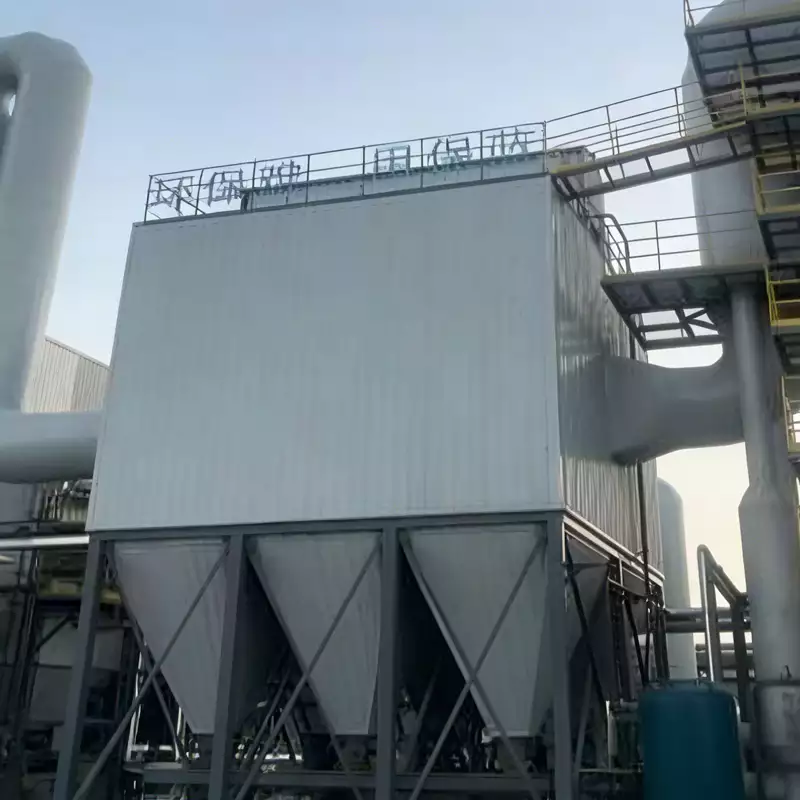
BLBD Series Bag Dust Collector
A highly reliable fabric filter system designed to capture fine particulate matter with exceptional efficiency across diverse industrial applications.
View Details →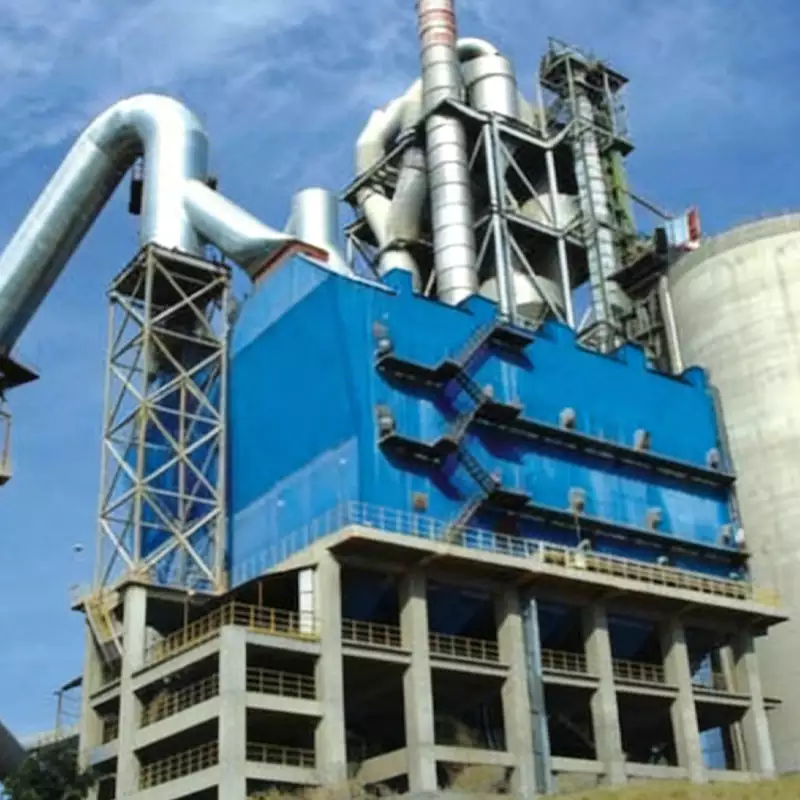
Electrostatic Precipitators (ESP)
Robust dry ESP technology engineered for handling massive gas volumes, featuring low pressure drop and stable operation in harsh environments.
View Details →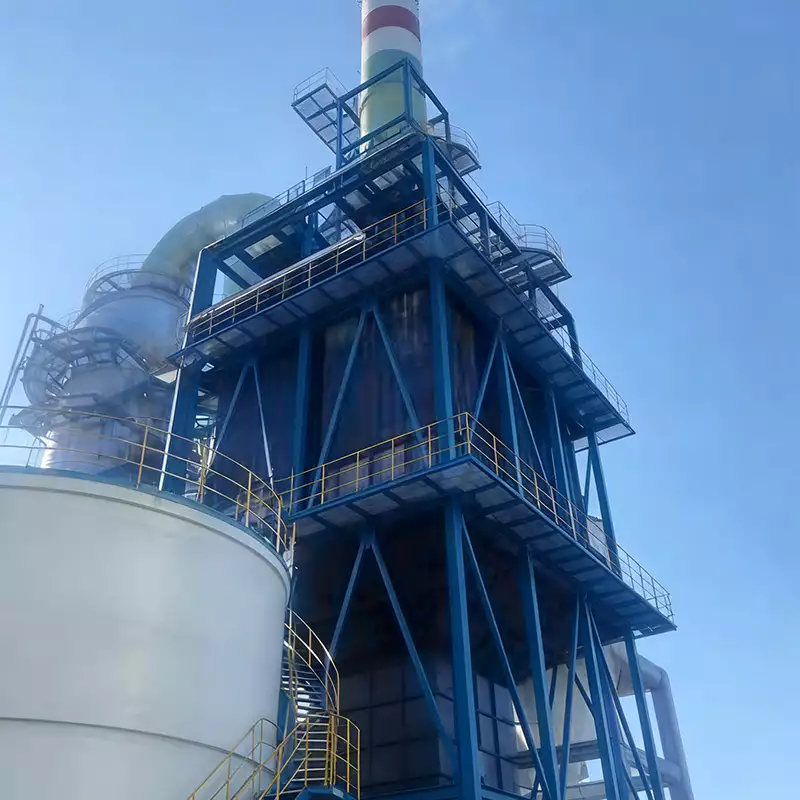
Wet Electrostatic Precipitation (WESP)
The ultimate final-stage polishing technology. Expertly removes acid mist, aerosols, and sub-micron particulates to achieve near-zero emissions.
View Details →Dust Collector
- Baghouse Dust Collector in the Power Industry
- Baghouse Dust Collector in the Steel Industry
- Bag Filter for Chemical Industry
ESP (Electrostatic Precipitator)
- ESPs for Power Plant Boiler
- Sintering Machine Electrostatic Precipitator
WESP (Wet Electrostatic Precipitator)
- Wet Electrostatic Precipitator After Flue Gas Wet Desulfurization
- Ultra-low Emission Wet Electrostatic Precipitator
- Acid Mist Removal Wet Electrostatic Precipitator
- Lime Kiln Flue Gas Wet Electrostatic Precipitator
Main Technical Specification Comparison
Data overview for Bag Dust Collector, Dry ESP, and Wet ESP.
| Technical Parameter | Bag Dust Collector (BLBD Series) |
Electrostatic Precipitator (BLESP Series) |
Wet Electrostatic Precipitator (BLWESP Series) |
|---|---|---|---|
| Gas Volume (m³/h) | 10000 - 2300000 | 20000 - 2300000 | 10000 - 2400000 |
| Allowable Gas Temperature (°C) | 30 ~ 250 | 70 ~ 400 | 30 ~ 90 |
| Allowable Inlet Dust Density | 1 - 1300 g/Nm³ | 10 - 1300 g/Nm³ | 1 - 300 mg/Nm³ |
| Pressure (Pa) | 2000 ~ 20000 | 2000 ~ 20000 | 2000 ~ 20000 |
| Operating Resistance (Pa) | 800 ~ 1800 | 200 ~ 350 | 300 ~ 500 |
| Outlet Emission (mg/Nm³) | < 10 (5) | < 50 (30) | < 10 (5) |
What is Dust Collector?
A dust collector (or dust removal equipment) is an environmental protection device used to separate and capture solid particulate matter (dust) from dust-laden gases (such as industrial waste gas, flue gas, or air). Its core objectives are:
Gas Purification
Purifying gas emissions to comply with environmental regulations and standards.
Material Recovery
Efficiently recovering valuable dust particles and raw materials from the air stream.
Equipment Protection
Safeguarding downstream components like fans and heat exchangers from wear or clogging.
Health & Safety
Improving the workspace environment to protect personnel and ensure safe production.
Industrial Dust Collectors: Core Principles
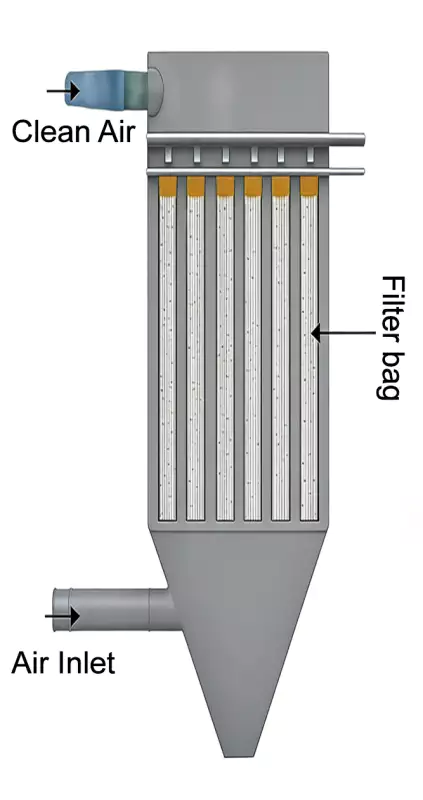
Baghouse / Fabric Filter
Core Logic: Captures dust through high-density fiber bundles. A "Primary Dust Layer" forms quickly, providing sub-micron filtration efficiency.
Mechanisms:
- Sieving, Interception, and Impact.
- Diffusion for particles <0.1μm.
- Efficiency exceeds 99.9% for PM2.5.
Cleaning Tech:
High-pressure pulse-jet or mechanical vibration.
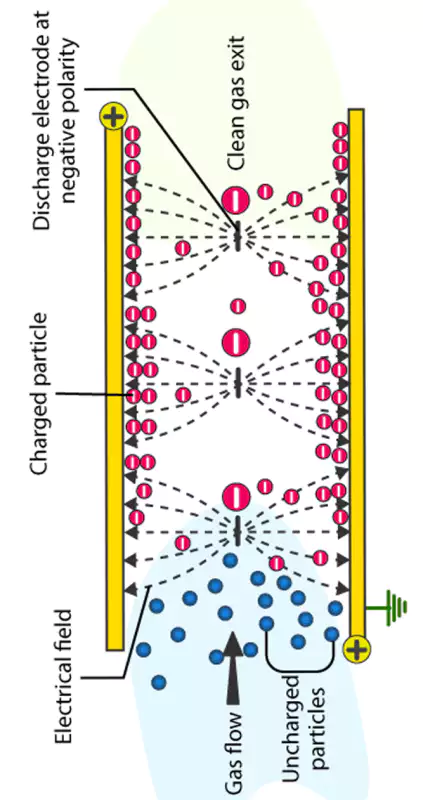
Electrostatic Precipitator
Core Logic: Charges particles via high-voltage corona discharge. Charged dust is then pulled to grounded collection plates by Coulomb forces.
Process:
- Ionization → Charging → Migration → Collection.
Industrial Edge:
Ultra-low pressure drop, capable of handling 400°C+ flue gas.
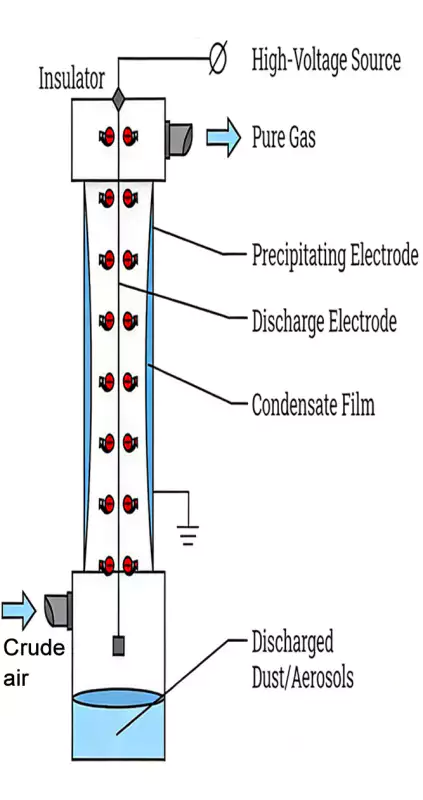
Wet Electrostatic Precipitator
Core Logic: Operates in saturated wet gas conditions. Uses a continuous water film to rinse plates, preventing secondary entrainment.
Specialized Targets:
- Sulfuric acid mist, tar, and aerosols.
- Gypsum rain and sticky particulates.
Standard:
Achieves "Ultra-Low Emission" (≤ 5 mg/Nm³).
Industrial Dust Collector Selection
2026 Engineering Decision Framework
Baghouse
Best for: Fine PM2.5 and dry gases < 200°C.
บันทึก: Avoid high moisture to prevent filter blinding.
Dry ESP
Best for: High-temperature flue gas (up to 400°C).
บันทึก: Not suitable for ultra-low emission targets.
Wet ESP
Best for: Sticky dust, acid mists, and ≤ 5mg output.
บันทึก: High maintenance due to wastewater handling.
Quick Decision Logic
- ✔️ Fine Dust + Dry Gas: Baghouse Filter
- ✔️ High Temp + Huge Volume: Dry ESP
- ✔️ Sticky/Acidic + Low Emission: WESP
Advanced Electrostatic Precipitator (ESP) Series
High-Efficiency Air Pollution Control Solutions for Heavy Industry
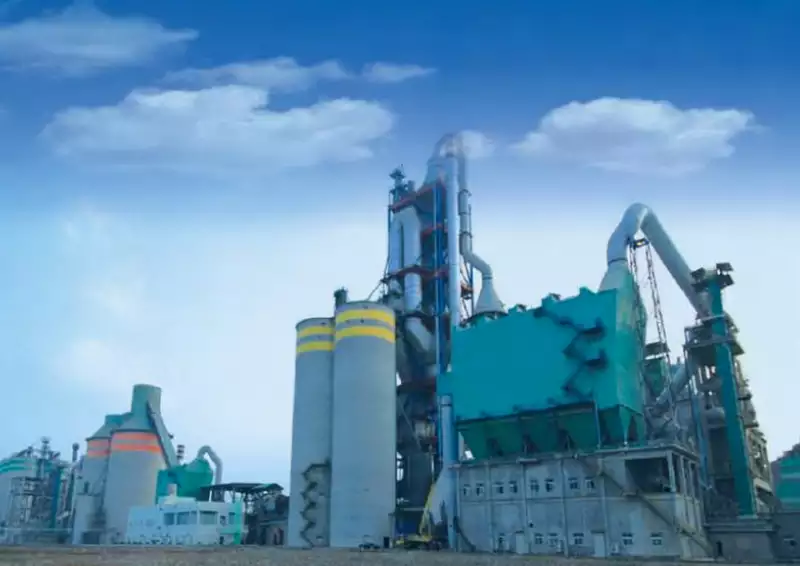 Cement Sector
ESP Series: Cement Industry
Optimized for high-concentration dust and varying particle sizes common in kiln and clinker production.
- Temp: ปรับให้เหมาะสมสำหรับ < 200°C
- ประสิทธิภาพ: High PM recovery
- ออกแบบ: Wear-resistant internals
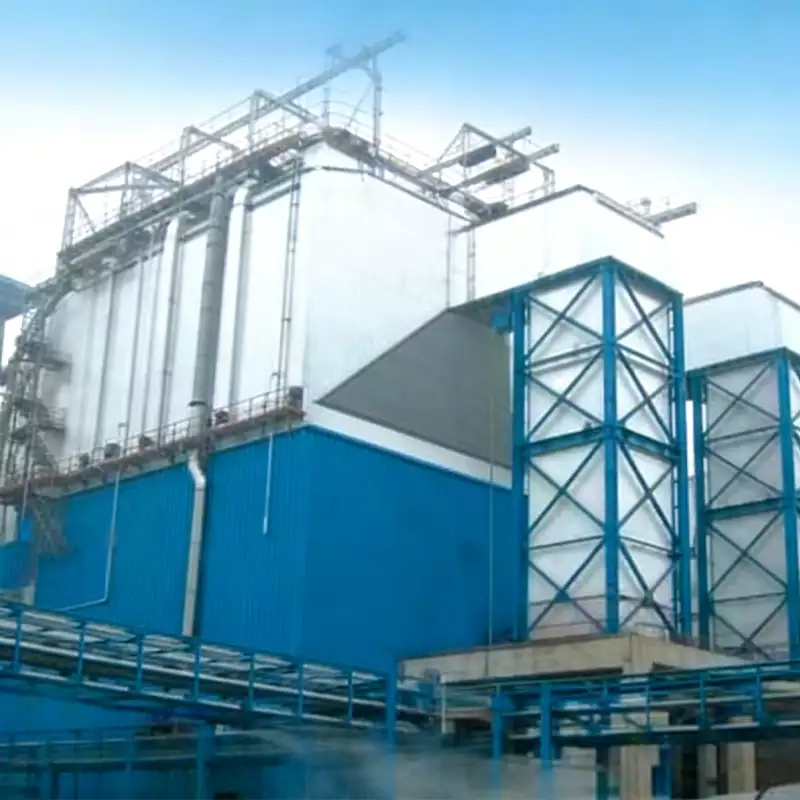 Power Generation
BLESP Series: Power Industry
Designed for massive gas volumes and extreme temperatures (up to 400°C) found in power plant flue gas.
- Volume: >100,000 m³/h capacity
- Technology: High-voltage DC charging
- Standards: 2026 Emission Compliant
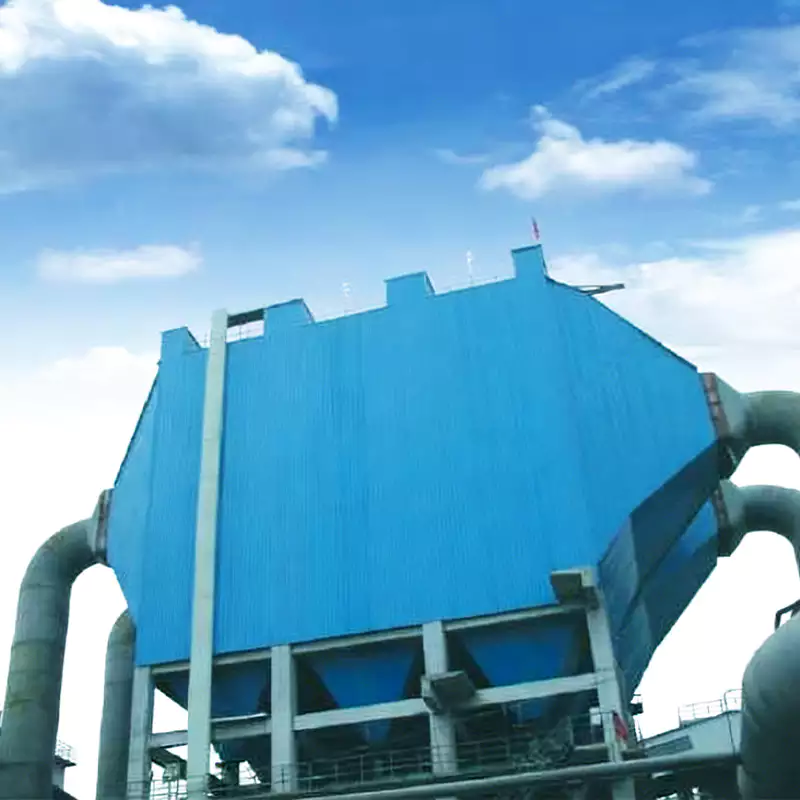 Metallurgy
BLESP Series: Metallurgical
Specialized for handling sticky dust, heavy metal aerosols, and corrosive flue gas.
- Gas Type: Saturated/Acidic Corrosive
- Emissions: Ultra-low ≤ 5 mg/Nm³
- การทำความสะอาด: Continuous Water-Film (WESP)
 TH
TH  EN
EN  ZH
ZH  ES
ES  AR
AR  ID
ID  PT
PT  FR
FR  JA
JA  RU
RU  DE
DE  MS
MS  CS
CS  BG
BG  NL
NL  KO
KO  RO
RO  SK
SK  VI
VI  ZH_TW
ZH_TW  UK
UK